Jensen Huang, Nvidia’s CEO, said AI could ultimately help address climate change but may require a short-term increase in fossil-fuel use — a trade-off he compared to the pain of surgery before healing. Critics point to research suggesting AI-linked emissions and pollution could cause significant public-health harms and billions in costs, while others say a dirtier buildout is avoidable if governments and companies prioritize clean power, efficiency, and stronger planning.
Nvidia CEO Says AI May Bring Short-Term 'Pain' — And More Fossil Fuels — Before It Helps the Climate

Photo Credit: Getty Images
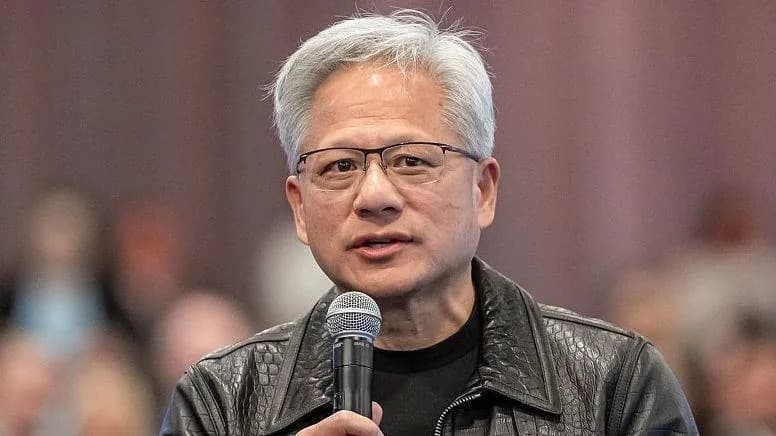
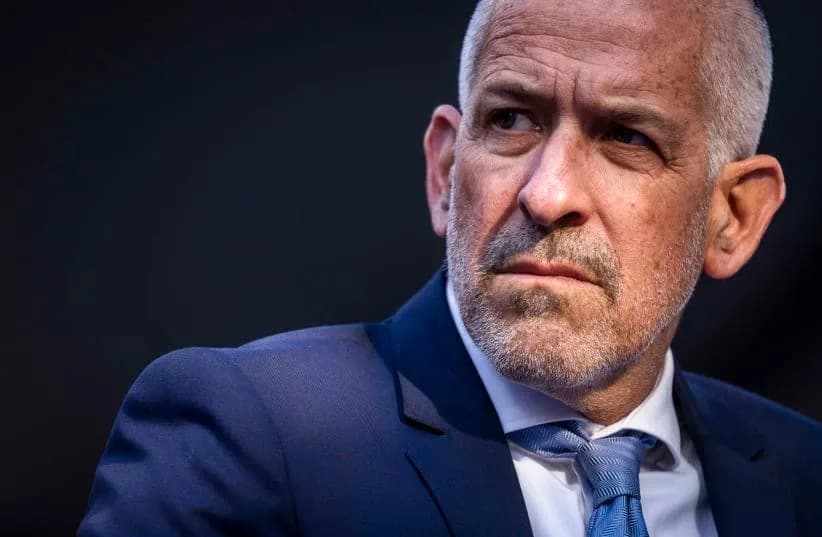
Nvidia CEO Jensen Huang told New York Times columnist Ezra Klein on The Ezra Klein Show that artificial intelligence could ultimately contribute to fighting climate change, but that reaching those benefits may require a near-term uptick in fossil-fuel use. He described the trade-off as a difficult, temporary sacrifice — likening it to surgery that hurts before it heals.
"It's kind of like, in order to save you, they've got to hurt you first. That's the nature of surgery. They've got to cut you open to save you. They've got to inflict an enormous amount of pain and suffering on you so that they can save you. And so I think AI's kind of like that." — Jensen Huang
Huang acknowledged that, for the next several years, industry may have to rely on gas, oil and coal because "we just don't have enough sustainable energy to make a difference," adding that a transition to cleaner power is the intended next step.
Why This Debate Matters
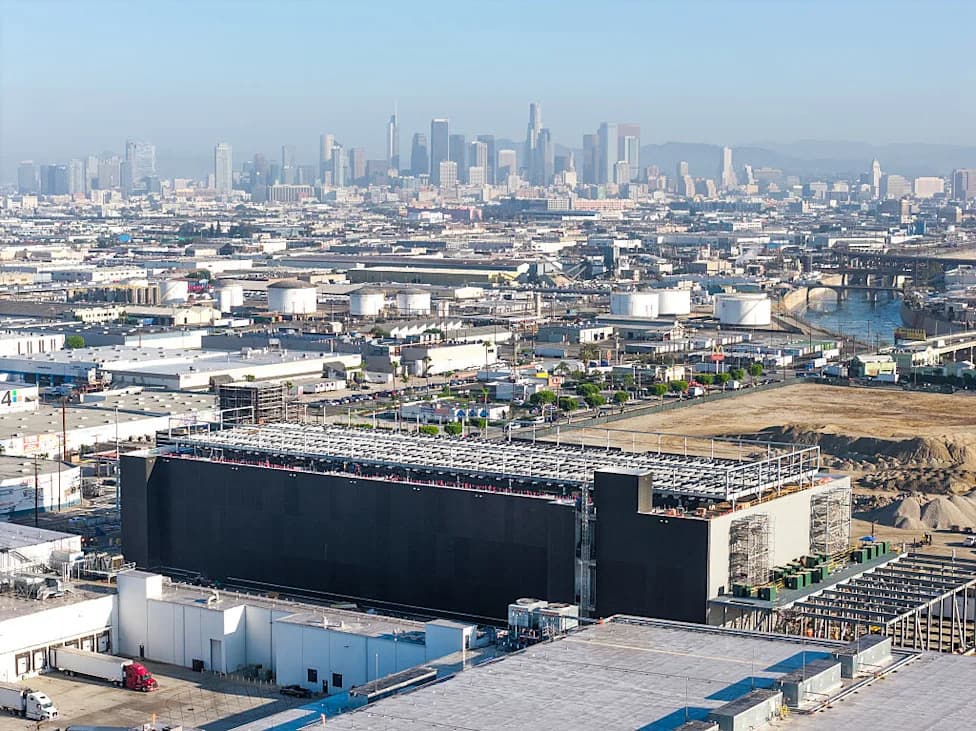
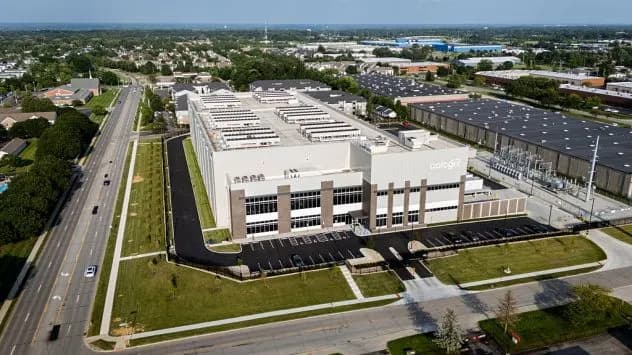
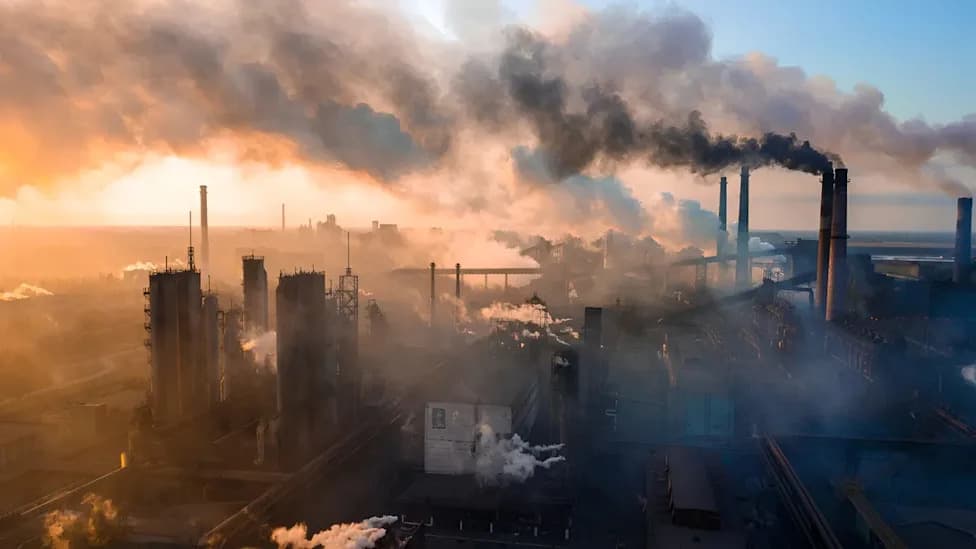
The remarks underscore a broader clash between rapid AI expansion and climate goals. Scaling AI — particularly large-model training and the data centers that support it — increases electricity demand and can drive investment in fossil-fuel generation where clean power is not yet plentiful.
- Public-health and economic risks: A joint study from UC Riverside, Caltech and the Rochester Institute of Technology estimated that air pollution linked to AI buildouts could cause up to 1,300 premature deaths and more than $20 billion in public-health costs by 2028.
- Grid and emissions pressure: Estimates suggest AI-related data centers consume roughly 6% of U.S. electricity, and some large cloud providers have reported emissions increases as AI workloads grow (Microsoft cited a 25% rise in emissions tied to data center demand).
- Fuel switching in practice: In the U.K., about 100 data centers have shifted to gas-fired power, adding new pressure on national climate targets.
- Local impacts: New AI hubs can strain water supplies and other local resources, while worsening air quality and noise can affect host communities. Climate-driven extremes — for example, hotter, drier conditions tied to global warming — are also increasing wildfire risk, as seen in the 2023 Lahaina fire.
- Policy matters: Environmental advocates stress that a dirtier AI buildout is not inevitable. Decisions by governments, utilities and companies now will shape whether AI scales with cleaner energy and stronger community protections.
Paths Forward
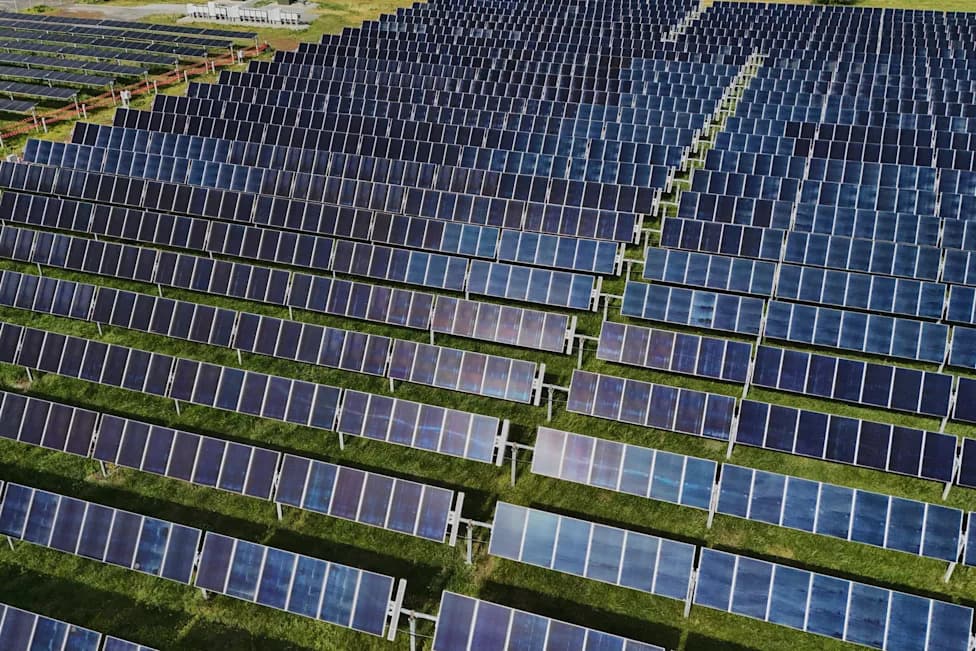
Experts and advocates point to several levers that can reduce the climate cost of AI growth: prioritizing renewable and low-carbon power for data centers, investing in energy efficiency (both hardware and software), improving grid planning and storage capacity, and enacting policies that require transparency and community safeguards around new facilities.
Huang’s surgical metaphor highlights a central tension: if industry and policymakers do not accelerate the clean-energy transition in parallel with AI deployment, short-term gains in computing power could come with lasting environmental and human costs. The outcome depends on choices made now about where AI capacity is built and what energy sources it uses.
Help us improve.