Jensen Huang, Nvidia's CEO, dismissed claims that AI could lead to human extinction by 2030 as "doomsday narratives," telling CBS News there is "0% chance" of such an outcome. He argued that catastrophic predictions are not grounded in science and stressed Nvidia's commercial interest in safe deployment. Huang also suggested some calls to "slow down" development may be motivated by a desire for liability relief rather than stricter regulation. His remarks come amid growing debate over AI safety, U.S.-China tech restrictions, and high-level diplomatic talks.
“0% Chance”: Nvidia CEO Dismisses AI Extinction Fears As ‘Doomsday Narratives’
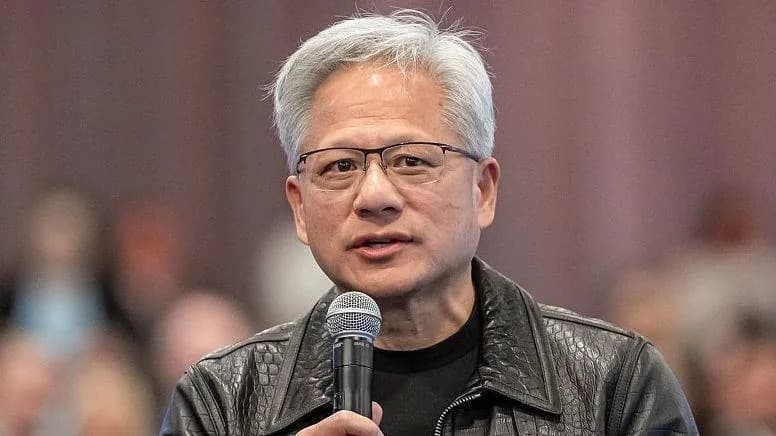
[Bloomberg via Getty Images]
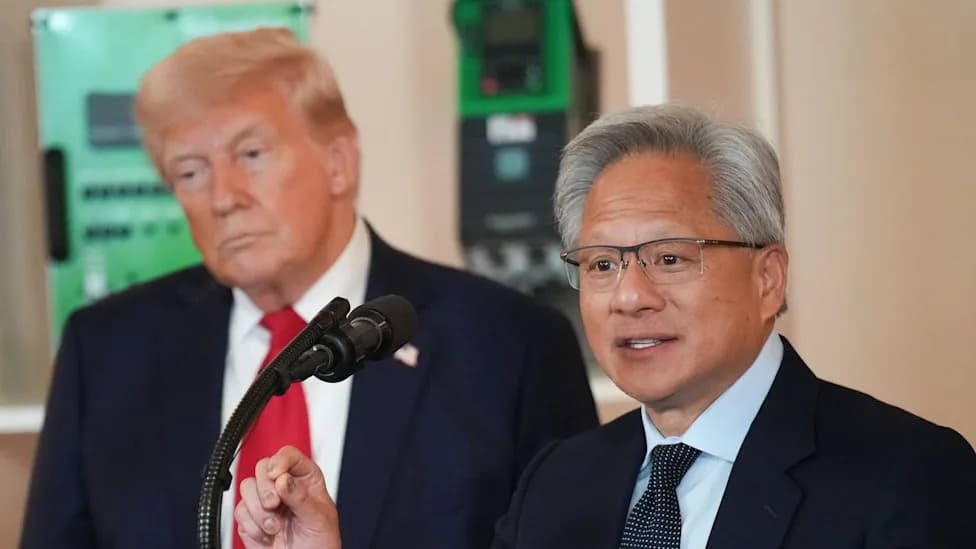
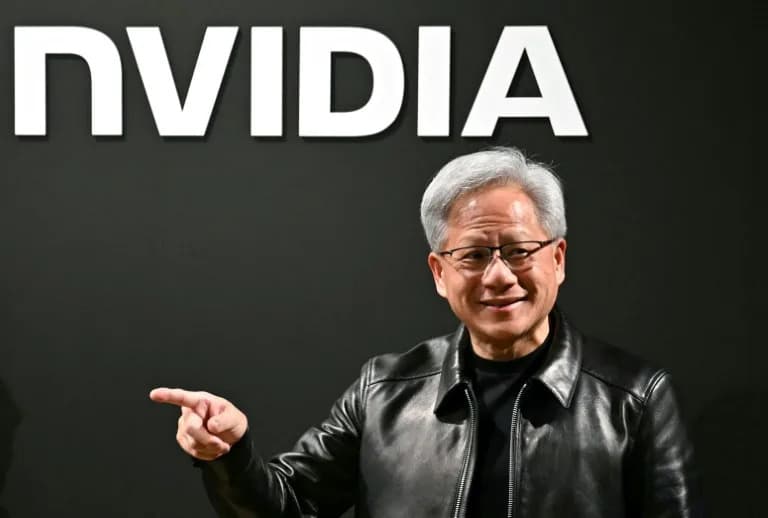
Nvidia chief executive Jensen Huang has strongly rejected recent predictions that artificial intelligence could cause humanity's extinction by 2030, calling such claims "doomsday narratives" and saying there is "0% chance" the world will end as a result.
Speaking to CBS News, Huang said:
"2030 is not going to be the end of the world. There is 0% chance that's going to be the end of the world. Scaring people is unnecessary. It is irresponsible."
Why the Debate Is Intensifying
The remarks come amid an escalating public debate about the risks of advanced AI after posts by former Anthropic researcher Jacob Coxon suggesting some developers believe AI "could kill us all by the end of the decade." That post and follow-up commentary prompted calls from some leaders — including Anthropic's Dario Amodei and OpenAI's Sam Altman — for slowing or pausing development of large models while safety measures are assessed.
Huang’s Response
Huang said such catastrophic predictions are "not grounded in science," and emphasized that Nvidia's business depends on the safe deployment of AI products. "Our company's success is directly connected to the safe deployment of products and services," he said. "If we don't continue to do that, our value would be diminished."
He also suggested some public calls to "slow down" development may be motivated by companies seeking liability protections rather than new safety rules. "Go and read between the lines," Huang said. "They're actually not asking for more laws. They're asking to be relieved of the laws we do have, and I think that that's a problem."
Industry And Geopolitical Context
Nvidia is a central supplier of high-performance chips used to train and run advanced AI models. Its most powerful chips face export restrictions in China under measures from both Washington and Beijing: U.S. export controls aim to limit China’s military and AI capabilities, while Chinese rules encourage reliance on domestic suppliers.
Those tensions shaped recent diplomacy: U.S. Treasury Secretary Scott Bessent and Chinese Vice Premier He Lifeng met in New York to discuss AI, tariffs and critical minerals, and reportedly discussed a new AI safety notification mechanism ahead of a planned summit between Presidents Donald Trump and Xi Jinping in Washington.
Political Voices And Public Reaction
Huang's comments followed his appearance at a UK summit hosted by King Charles, who warned tech leaders about the "existential dangers" of AI and urged that technology be kept "firmly in the service of humanity." In the U.S., President Donald Trump has downplayed AI risks; he even made an onstage phone call to Huang during a Los Angeles tech conference on 14 September to criticize proposals to slow development and call such fears a "hoax."
Bottom Line
The exchange highlights a clear split in views: some researchers and executives push for a measured slowdown to address potential long-term risks, while other industry leaders, including Huang, say near-term extinction scenarios are speculative and that responsibility and safety should be pursued without capitulating to alarmist narratives.
Help us improve.