At Axios House during Climate Week, Nvidia sustainability lead Josh Parker said slowing AI deployment to ease grid stress could also halt AI-driven clean-energy projects. Data centers are adopting measures such as closed-loop liquid cooling (about 113°F chip temps) and demand-flex designs to cut climate impacts and reduce pressure on household power bills. Sen. Brian Schatz called for more clean energy and cautioned that AI raises broader questions about employment. Maggie Baird urged greater focus on agricultural emissions and policy to promote plant-based options.
AI vs. the Grid: Data Centers, Cooling Tech and the Push for Clean Energy

Axios' Amy Harder and Nvidia's Josh Parker. Photo: Sam Popp for Axios
NEW YORK — As artificial intelligence systems scale, pressure on regional electricity grids is becoming more visible. At Axios House during Climate Week, Josh Parker, Nvidia's head of sustainability, argued that deliberately slowing AI deployment to ease grid stress would also delay AI-enabled clean-energy innovations.
Why It Matters
Parker warned that pausing or throttling AI development risks stalling projects that use AI to accelerate clean-energy deployment and optimize power systems. The debate ties together technology, utility costs and broader climate strategy.
Driving The News
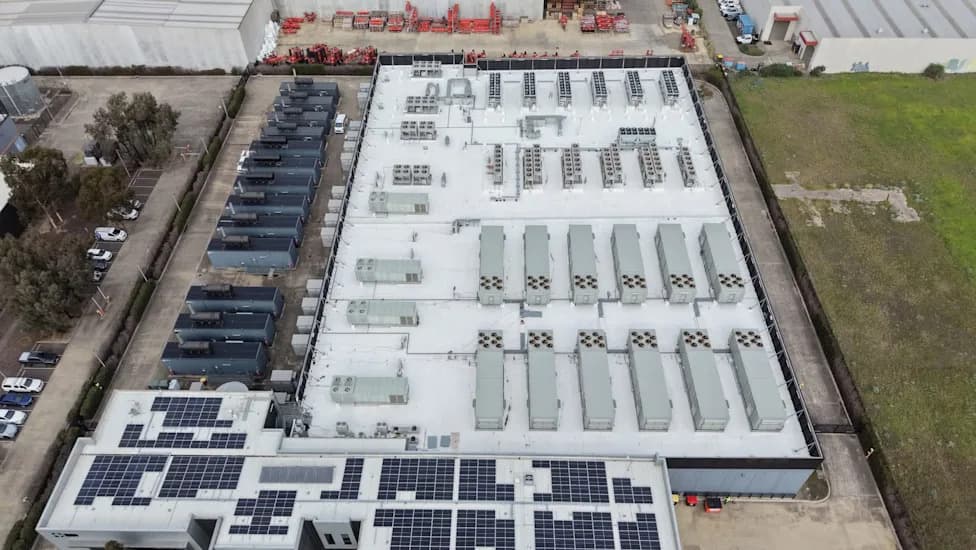
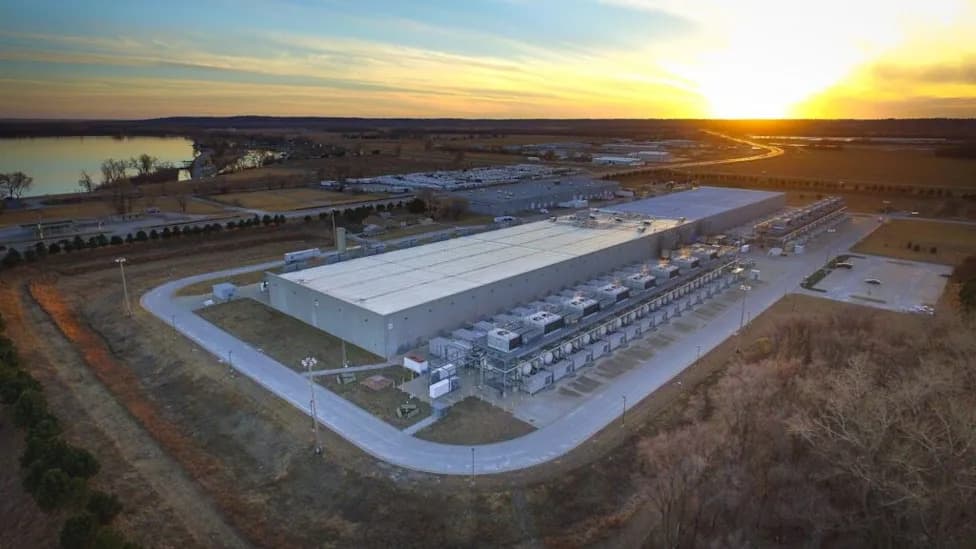
Data centers require substantial cooling to run high-performance chips, and many use large volumes of water. Companies are adopting new approaches to limit environmental impacts. Parker highlighted Nvidia's closed-loop liquid cooling system, which the company says keeps chip temperatures around 113°F and reduces water evaporation compared with open systems.
Operators are also exploring demand-flex designs that let data centers throttle or shift power use during peak grid stress to avoid raising household electricity costs. Last week a coalition including Google, Nvidia and startup Emerald AI announced support for data-center models that can modulate power consumption to relieve grid strain.
Policy And Jobs
Sen. Brian Schatz (D-Hawai'i) said expanding clean energy remains the most direct way to lower utility bills for households. He and other senators are advancing legislation to address the rapid expansion of AI and to reduce the chance that new data centers will increase consumer power costs.
"This is an existential question," Schatz said, arguing the issue goes beyond energy and water to the future of work. He criticized corporate messaging that simultaneously promotes AI's promise while warning it could decimate jobs.
The Food-Climate Angle
Support + Feed founder Maggie Baird urged the climate movement to pay more attention to emissions from animal agriculture. She described resistance to "reality-based, science-based action" on food systems and questioned why plant-based policy solutions are not more prominent at climate events — especially when steak often appears on conference menus.
Zoom Out
Speakers agreed that both technological fixes (cooling improvements, flexible demand) and accelerated clean-energy buildout are necessary to meet rising electricity needs. Baird emphasized that policy changes to promote plant-based options could more quickly reduce food-related emissions than relying solely on individual behavior change.
Go deeper: Watch the full Axios House event for the complete discussion and context on AI, energy and food systems.
Help us improve.