Iran is claiming successful strikes on vessels near the Strait of Hormuz and says that US warships have pulled back from positions close to Iran’s coast. US media report eight Marines were injured on Sept. 14 after a missile hit a vessel; the Pentagon has quietly added more wounded to its toll since Feb. 28. Despite the tensions and a partial blockade, oil flows through the strait have risen in recent weeks, with estimates ranging from roughly 7.4 million to as high as 15–22 million barrels per day depending on the source. Analysts warn Tehran may continue calibrated, increasingly aggressive attacks if diplomatic and economic pressure persists.
Iran Says Strikes Near Strait of Hormuz Pushed US Warships Back As Oil Flows Rebound
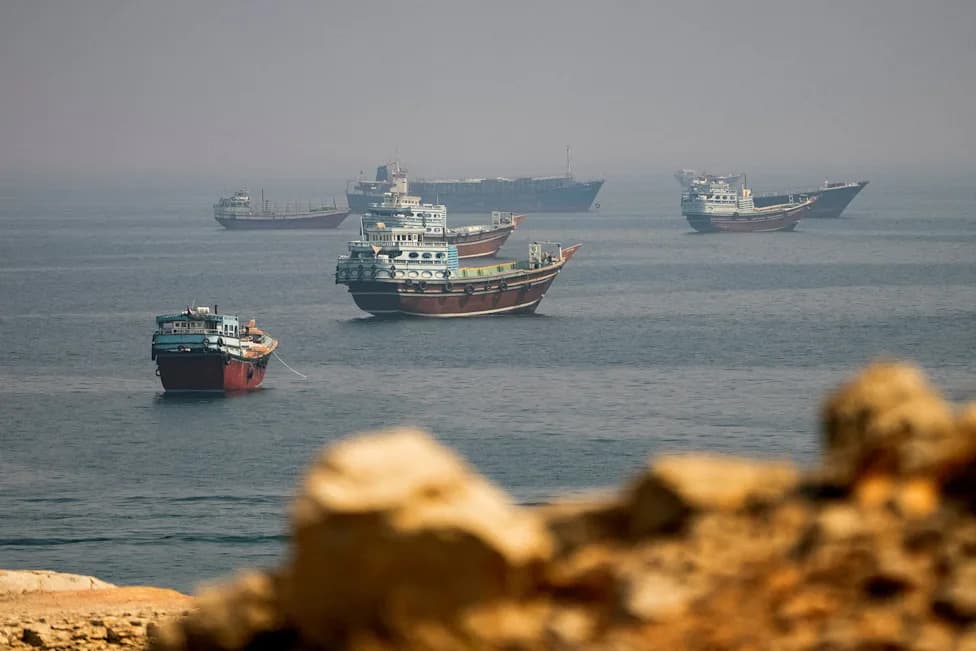
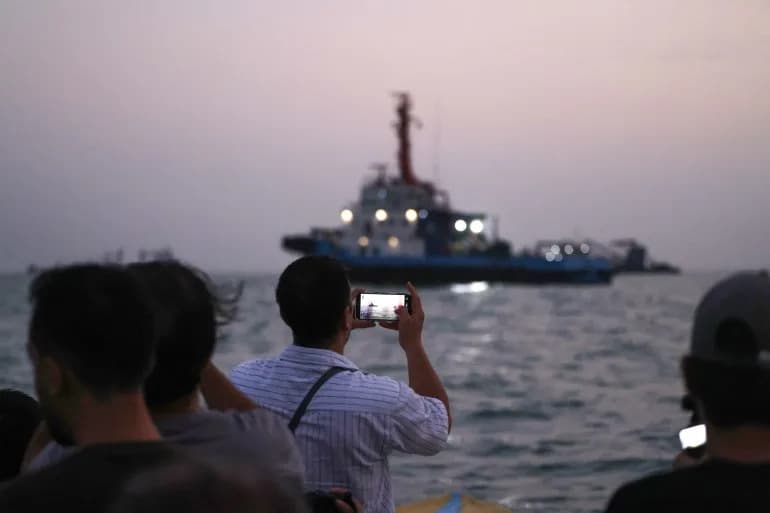
Vessels near the Strait of Hormuz, as seen from Musandam in Oman, August 31, 2026 [Stringer/Reuters]
Tehran — Iranian authorities are publicly claiming successful strikes on vessels near the Strait of Hormuz — including attacks they say involved US-linked targets — and assert those actions have prompted Washington to reposition some warships farther from Iran’s coast.
Reported Injuries and US Response
US media reported that eight US Marines suffered smoke inhalation and possible traumatic brain injuries on Sept. 14 after an anti-ship cruise missile struck the vessel they were aboard in the strait. US officials cited in the reporting said the vessel struck on Sept. 14 was not a US Navy ship. Al Jazeera sought comment from US Central Command (CENTCOM) but received no immediate response; CENTCOM had earlier said some US vessels evaded Iranian ballistic missile attacks.
The Pentagon recently added 29 sailors and eight Marines to its list of war-wounded, bringing the total number of service members recorded as wounded since the start of the war on Feb. 28 to 861. At least 19 US service-member deaths have been recorded.
Iran’s Claims and Rhetoric
State-linked Iranian media have reported that US warships withdrew from positions closer to the Iranian port of Chabahar and the entrance to the Gulf of Oman, moving farther into the central Arabian Sea reportedly to avoid missile threats. A message attributed to Iran’s Supreme Leader, Ali Khamenei, published by state media said US forces were refraining from advancing because of “painful blows” suffered near the Strait of Hormuz and warned that the Arabian Sea would soon empty of them.
Quoted: “US forces are now refraining from advancing further because of the painful blows they have suffered at the hands of the valiant fighters and the guardians of the Strait of Hormuz,” the statement said.
Maritime Traffic and Energy Flows
Despite the tensions and Iran’s insistence that the strait is closed to vessels that do not coordinate passage with Iranian authorities, several measures indicate oil shipments have rebounded in recent weeks. US Energy Secretary Chris Wright said nearly 13 million barrels per day (bpd) were transiting the strait, while Treasury Secretary Scott Bessent gave a higher estimate of 15–22 million bpd. Those figures compare with roughly 20 million bpd before the war.
Analytics company Kpler projected crude exports through the Strait of Hormuz would average about 7.4 million bpd in September and reported 19 tankers transited the strait in the week ending Sept. 27, including 17 very large crude carriers (VLCCs). Regional exports from Gulf producers rose to 12.8 million bpd in September — the highest since the war began.
Workarounds, Risks and Regional Dynamics
Analysts and state television commentators described state-backed shuttle systems that move oil out of the Gulf: older or lower-value VLCCs and smaller ships sometimes sail close to Oman’s coast with transponders off, perform ship-to-ship transfers outside the most dangerous zones, and then reload — operations reportedly protected by US forces and structured to avoid heavy insurance premiums.
Maritime security experts caution that missile and drone strikes have become a way for militarily weaker actors to gain strategic leverage and disrupt global markets. Ian Ralby, president of the governance nonprofit Auxilium Worldwide, said such attacks are likely to remain part of Iran’s toolbox whether or not US personnel are aboard affected vessels.
Hamidreza Azizi of the International Crisis Group warned that Tehran could escalate the frequency or intensity of attacks if diplomatic efforts fail and the blockade endures, while noting Iran would likely avoid steps that risk triggering a large-scale retaliation. Analysts characterize the most probable near-term path as calibrated but increasingly aggressive confrontation rather than an immediate all-out war.
Diplomacy
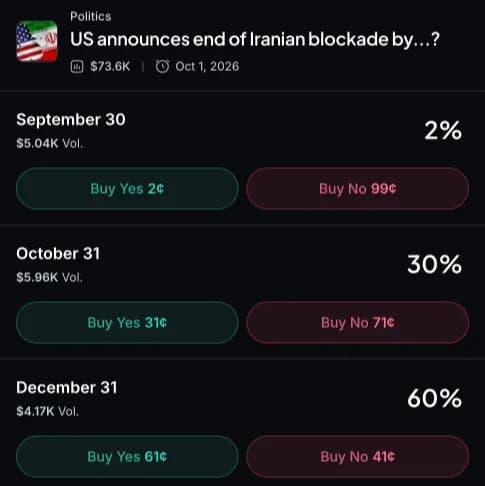
Reports say mediators were expected to press both sides to continue diplomatic contacts after the United States rejected conditions Iran set for reopening the strait. Iran has ruled out direct talks and proposed using a June memorandum of understanding with Washington and a bilateral Hormuz deal with Oman as a basis for any agreement to lift the blockade and address broader issues, including its nuclear program.
Outlook: The situation remains volatile. Energy flows have risen from earlier lows, but the mix of naval posturing, missile threats and alternative shipping arrangements means global markets and regional security will continue to be closely affected by developments in and around the Strait of Hormuz.
Help us improve.