Several Florida counties, including Hillsborough, Pasco and Pinellas, have declared local states of emergency after a rise in dengue cases. Hillsborough recorded 134 confirmed infections, and state officials reported dozens of both travel-linked and locally acquired cases. The CDC's statewide tally differs slightly, underscoring surveillance challenges. Authorities stress urgent mosquito control, public education and emergency funding to contain the outbreak.
Florida Counties Declare Local Emergencies After Spike in Dengue Cases
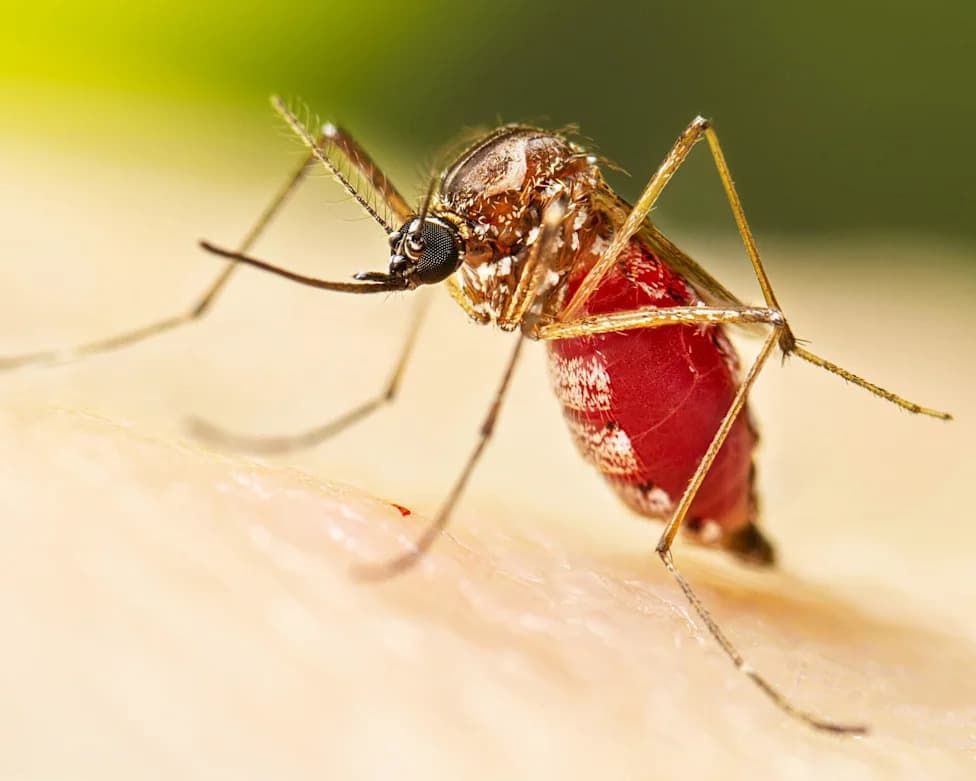
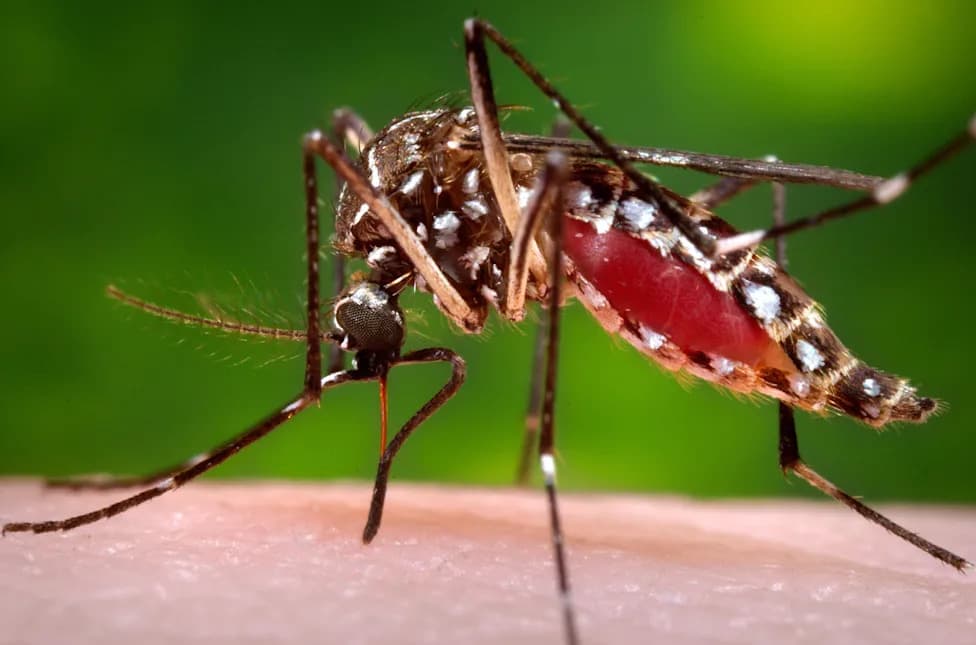
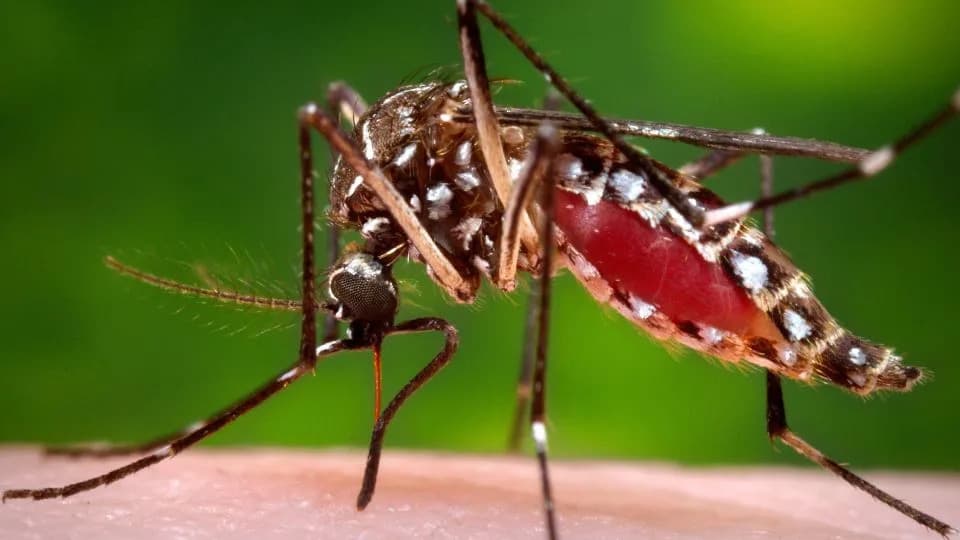
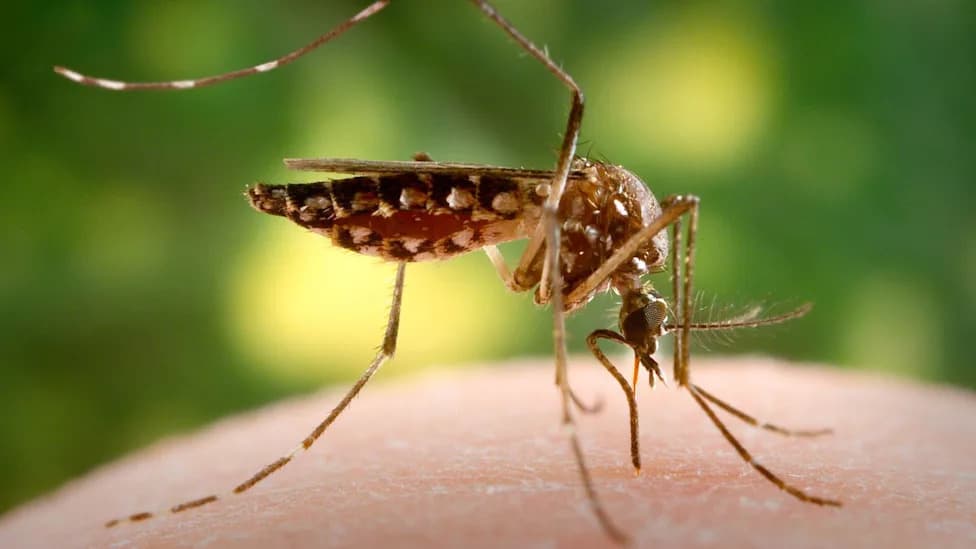
A femaleAedes aegyptimosquito.Photograph: Smith Collection/Gado/Getty Images
Several Florida counties have declared local states of emergency after a surge in dengue infections. Hillsborough County issued its declaration on 24 September after authorities confirmed 134 cases; neighboring Pasco and Pinellas counties have since issued similar emergency orders.
Why Officials Acted
Local health officials described the outbreak as 'an immediate and widespread threat to the public health, safety, and welfare' of residents and visitors. They say controlling dengue — a mosquito-borne viral illness often called 'breakbone fever' because of the intense pain it can cause — requires immediate, aggressive and continuous actions, including targeted pesticide spraying, public education campaigns and emergency resource planning.
Current Case Counts
The Florida Department of Health reported 26 international travel-linked dengue cases over a six-day period beginning 13 September and said there have been 212 travel-related cases statewide so far in 2026. During the same six-day window, the state recorded 38 locally contracted cases; Florida's health department has logged 190 locally acquired infections statewide. The US Centers for Disease Control and Prevention (CDC) provides a slightly different tally: as of Monday it reported 392 dengue cases in Florida year-to-date and offers alternate county-level counts.
Transmission, Symptoms and Risks
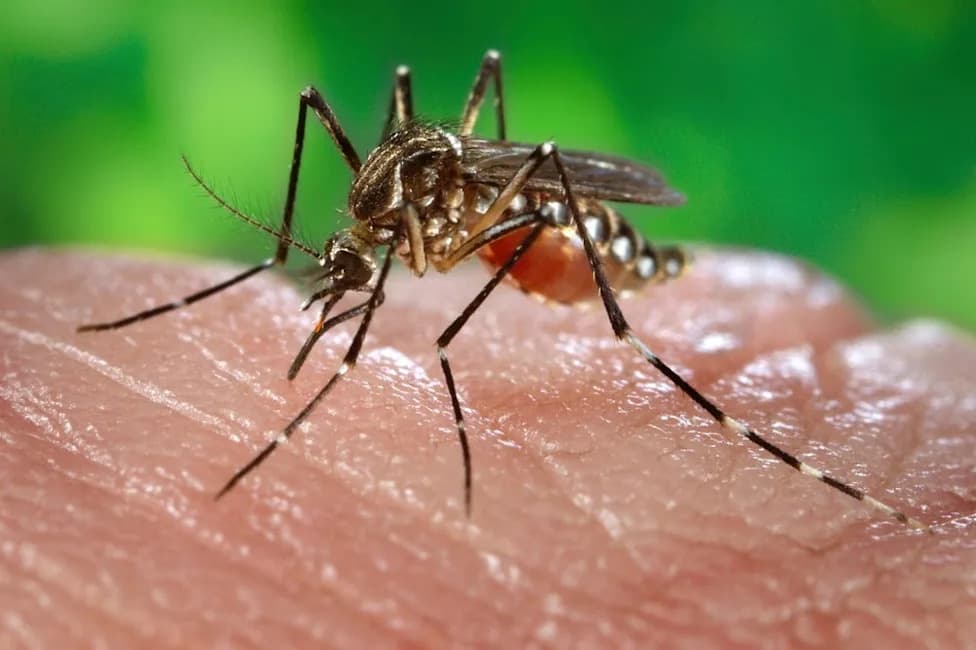
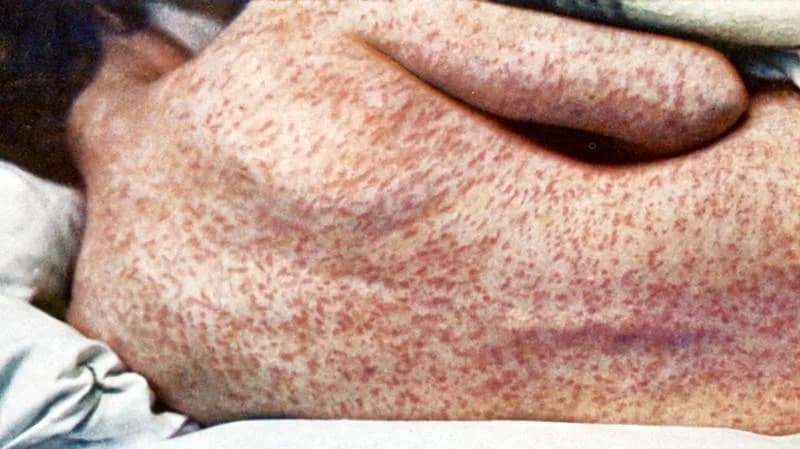
Dengue is transmitted primarily by Aedes aegypti and Aedes albopictus mosquitoes, both of which are present in Florida. Symptoms typically begin 3 to 14 days after an infected bite and include sudden onset fever, severe headache, eye pain, muscle and joint pain, and sometimes bleeding. Gastrointestinal symptoms such as vomiting and diarrhea may also occur. Most cases resolve in about four days to one week, but a severe form called dengue hemorrhagic fever can be life-threatening without proper supportive care.
Wider Spread and Climate Context
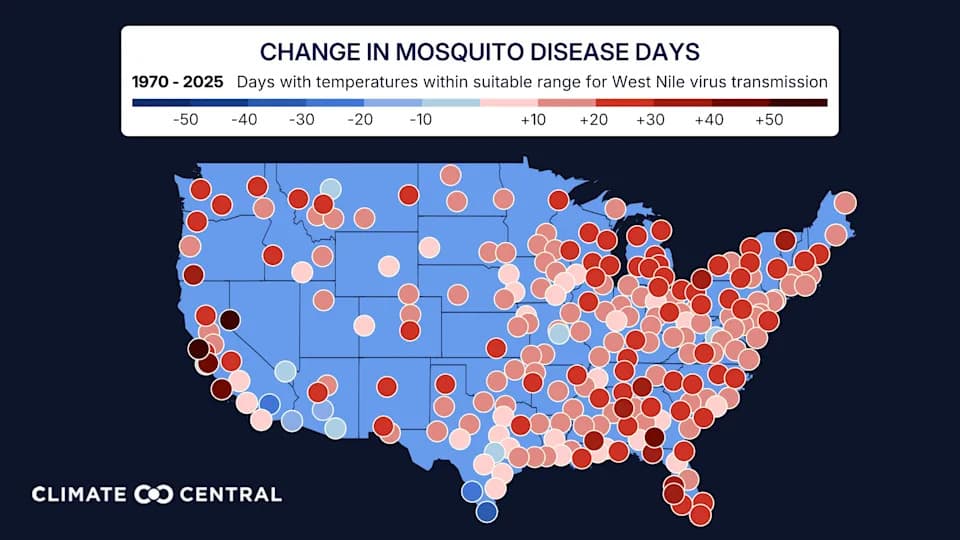
Health authorities have also detected Aedes aegypti beyond traditionally tropical zones — UK officials recently found the species in east London homes — and scientists warn that warming climates could expand the range and season for mosquito-borne diseases like dengue.
What The Emergency Declarations Allow
Declaring a local state of emergency enables counties to request 'any available and necessary state, federal, and local emergency funds, grants, financial assistance, and mutual aid' to bolster mosquito-control efforts and public-health responses. The initial Hillsborough declaration is effective for one week but may be extended by officials.
Outlook
Officials expressed cautious optimism after local reports indicated recently that zero 'mosquito test pools' had tested positive, according to Bay News 9. Nevertheless, health departments emphasize continued vigilance, community mosquito prevention and prompt medical attention for suspicious symptoms.
Help us improve.