Researchers re-examined a sediment core from the Amundsen Sea and found compelling evidence that Antarctica hosted swampy, temperate rainforests about 90 million years ago and experienced recurring wildfires. Microscopic charcoal, amber-sealed fire scars, and abundant peat-moss spores indicate surface fires helped transform forests into early raised bogs. The findings link warm, high-CO2 climates to increased peatland formation and offer lessons for modern peatland vulnerability under climate change.
Antarctica on Fire: New Evidence Shows Regular Wildfires 90 Million Years Ago
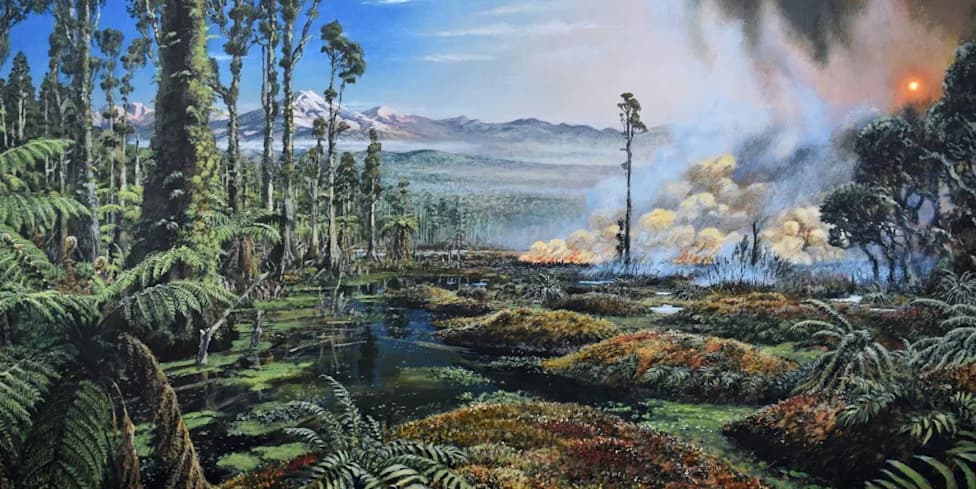
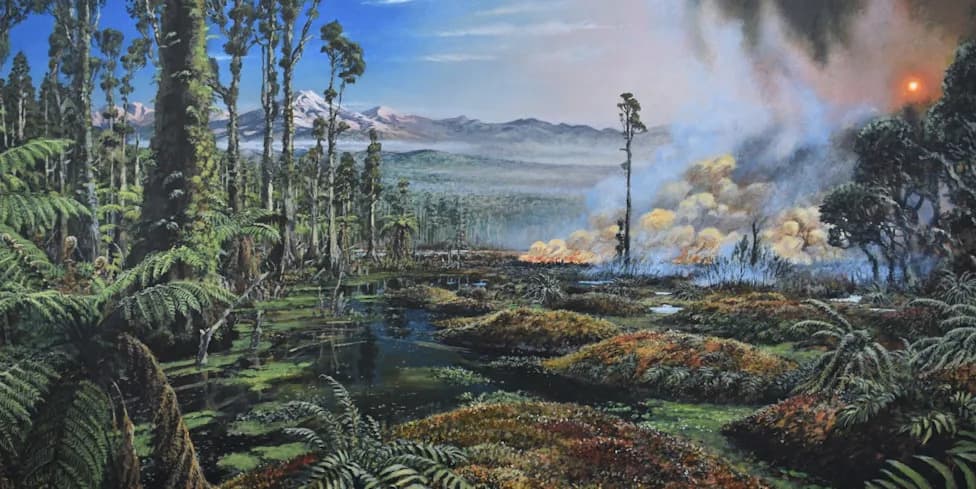
A visualisation of the Antarctic ecosystem around 90 million years ago. Research shows that forest fires occurred regularly near the South Pole at that time. (Alfred Wegener Ins / James McKay via SWNS)
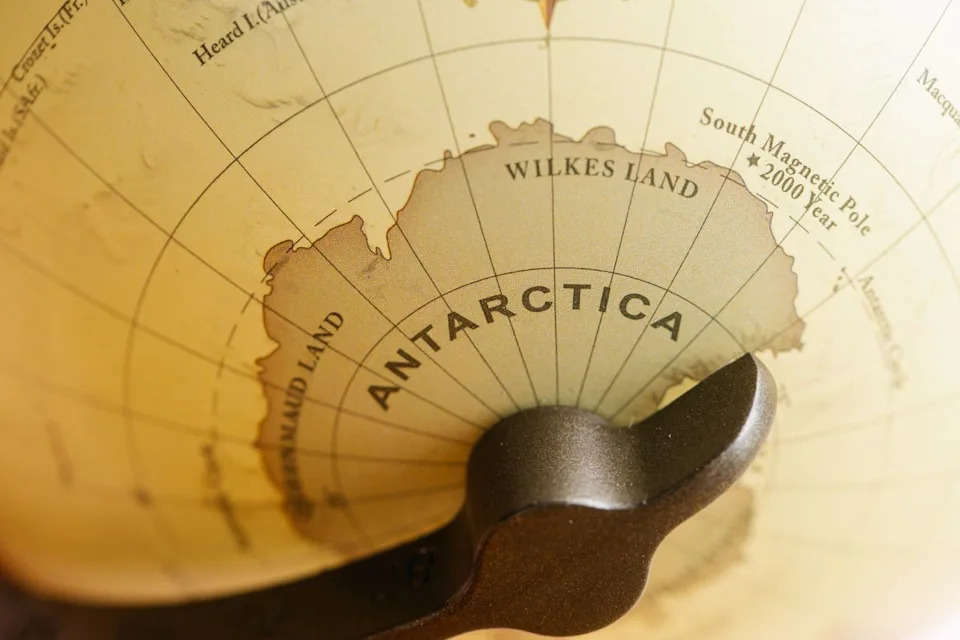
New analyses of a sediment core recovered from the Amundsen Sea reveal that what is now ice-covered Antarctica experienced recurring wildfires about 90 million years ago, during the Late Cretaceous. An international team of researchers, including scientists from Northumbria University, report that a swampy, temperate rainforest lay roughly 900 kilometres from the South Pole and was periodically affected by surface fires that helped shape early peatlands.
(Photo by Lara Jameson via Pexels)
What the Core Reveals
The sediment core contains an exceptionally well-preserved forest soil, abundant pollen and spores, and a dense root network, all pointing to a humid forest ecosystem dominated by conifers and tree ferns. Average annual temperatures at the site are estimated at about 12°C (53.6°F), despite roughly four months of polar night each year. Atmospheric CO2 concentrations in the Late Cretaceous were estimated at four to six times modern levels, helping to sustain a warm, wet climate close to the South Pole.
(Photo by Pixabay via Pexels)
Evidence of Fire and Peatland Formation
Across the Late Cretaceous section of the core, researchers found microscopic charcoal particles that grow more abundant in progressively younger layers. Microscopic analysis indicates that mainly soft conifer wood burned at relatively low temperatures, consistent with surface or ground fires rather than high-temperature crown fires. Additional indicators include amber that appears to have sealed fire-damaged tree trunks and abundant peat-moss spores—evidence that early raised bogs were forming as the swampy forest silted up.

(Photo by Arturo A via Pexels)
"In a sediment core from the Amundsen Sea in West Antarctica, we found an extremely well-preserved forest soil dating back around 90 million years," said Johann Klages of the Alfred Wegener Institute. "During the warmest period of the Cretaceous, when atmospheric CO2 was much higher, a relatively warm and humid climate prevailed—even close to the South Pole."
How Fires Sparked and Their Role
The team argues that lightning—rather than volcanism—was the most likely ignition source, since volcanic regions were at least about 250 miles away at the time. Recurrent fires kept the vegetation more open, promoting peat accumulation in low-lying, waterlogged areas. In a warm climate, wetlands can dry more frequently and burn more easily; these dynamics both suppressed dense forest regeneration and favored the development of peatlands that act as long-term carbon stores.
Why It Matters Today
Peatlands are significant carbon reservoirs in the modern climate system, and the study demonstrates how fire–peat interactions can promote peat formation under warm conditions. The Late Cretaceous Antarctic ecosystem, in many respects, resembled modern Arctic raised bogs and experienced recurring low-temperature smouldering fires—processes that offer insight into how peatlands may respond as climates warm and drying events become more common.
Publications and Team: The discovery builds on a 2020 study published in Nature and the new analyses are reported in Communications Earth & Environment. Co-authors include Johann Klages (Alfred Wegener Institute), Ulrich Salzmann (Northumbria University), and Thorsten Bauersachs (RWTH Aachen University).
Help us improve.