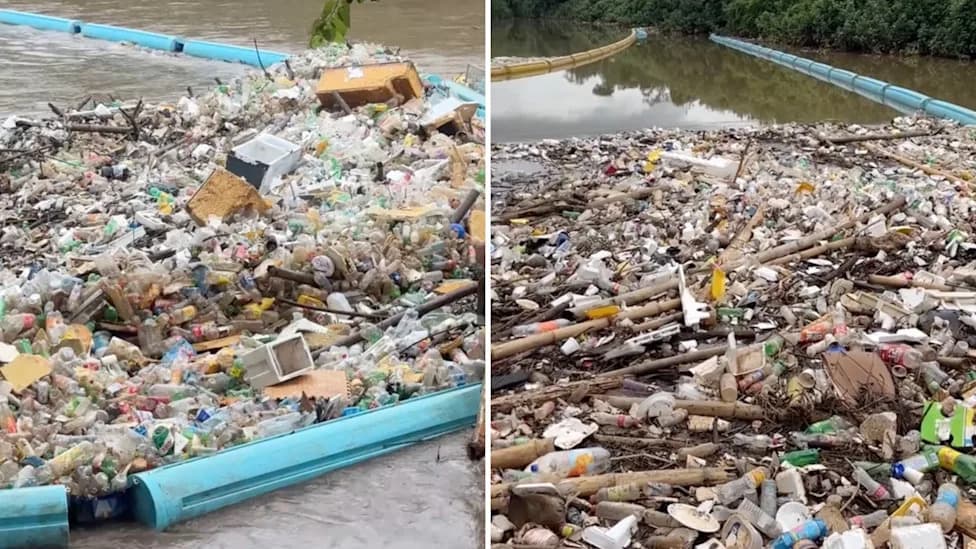
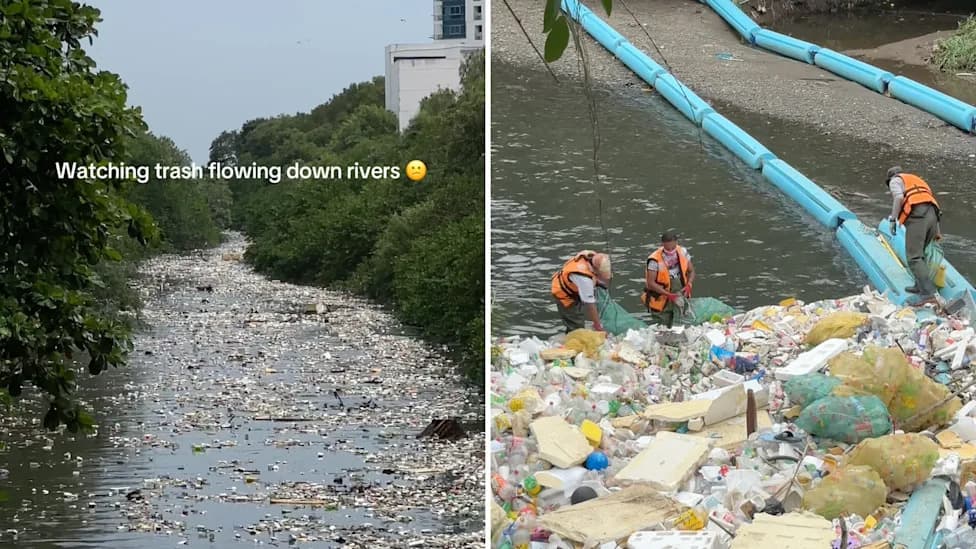
The Ocean Cleanup's Interceptor 006 captured more than 210,000 kg (about 463,000 lb — ~210 metric tons) of trash from Guatemala's Rio Las Vacas in one catch, stopping it before it reached the Gulf of Honduras. Flash floods during the rainy season sweep large amounts of waste from Guatemala City into the river system, making upstream interception crucial. Removing debris early prevents microplastic formation, protects marine life and recreation areas, and reduces costly downstream cleanup.
Interceptor 006 Captures 463,000 Pounds of Trash in Guatemala, Blocking It From the Gulf of Honduras
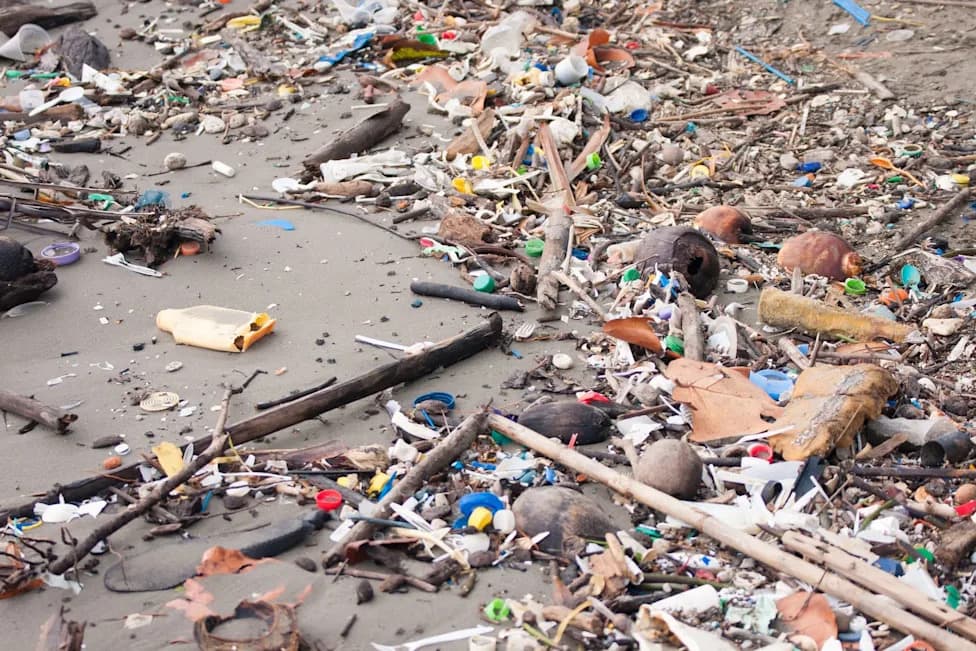
Photo Credit: iStock
The Ocean Cleanup's Interceptor 006 removed more than 210,000 kg (about 463,000 lb — roughly 210 metric tons or 231 U.S. short tons) of trash from Guatemala's Rio Las Vacas in a single catch, preventing that debris from flowing into the Gulf of Honduras.
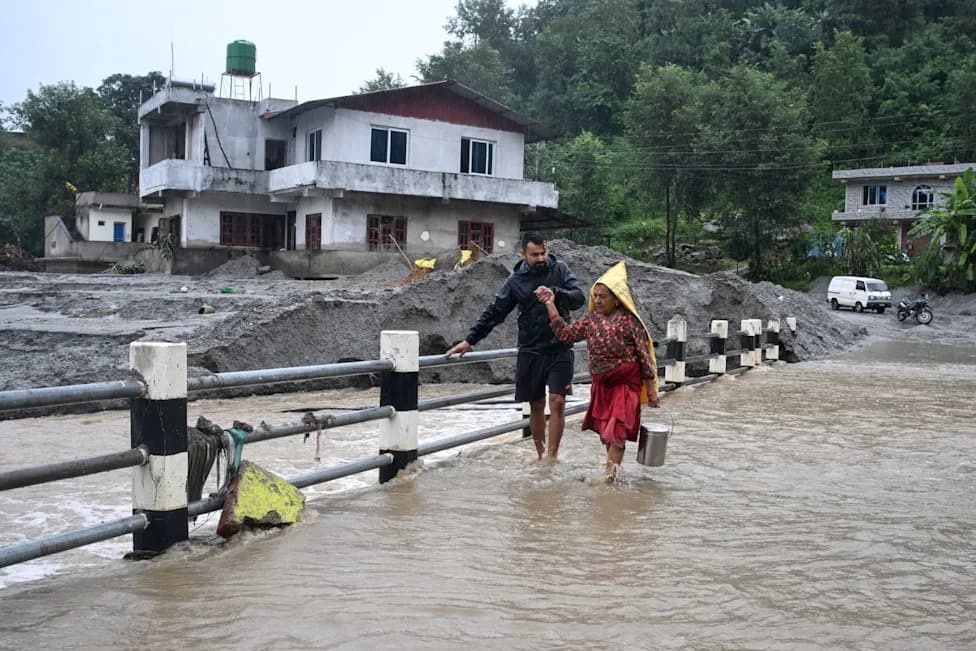
The Rio Las Vacas is a tributary of the Rio Motagua, which discharges into the Caribbean Sea. According to The Ocean Cleanup, flash floods during Guatemala's rainy season carry large volumes of plastic and other waste from Guatemala City and surrounding areas into this river system, creating sudden surges of debris.
"In this catch alone, over 210,000 kg [463,000 pounds] of trash were stopped from reaching the Gulf of Honduras." — The Ocean Cleanup (TikTok)
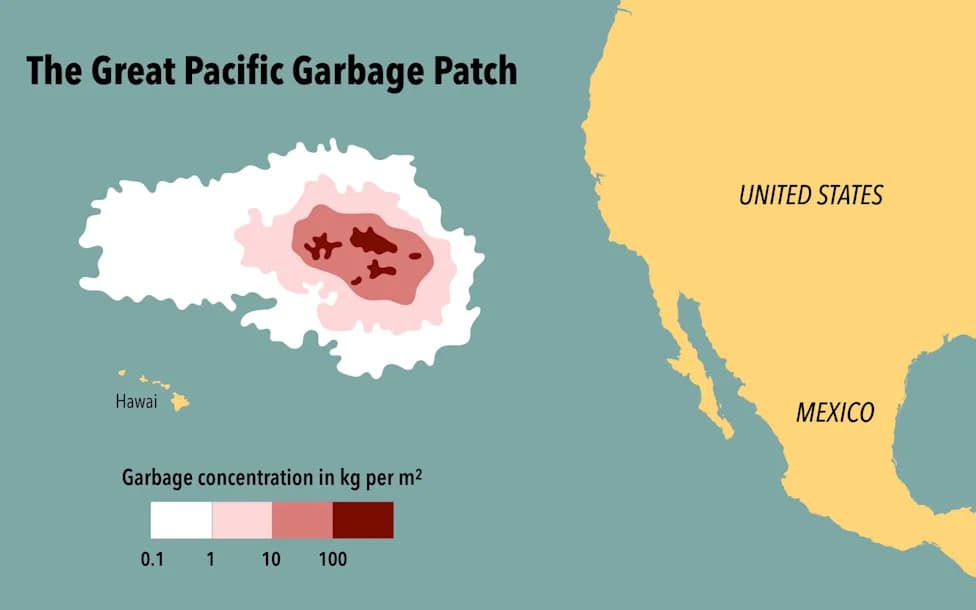
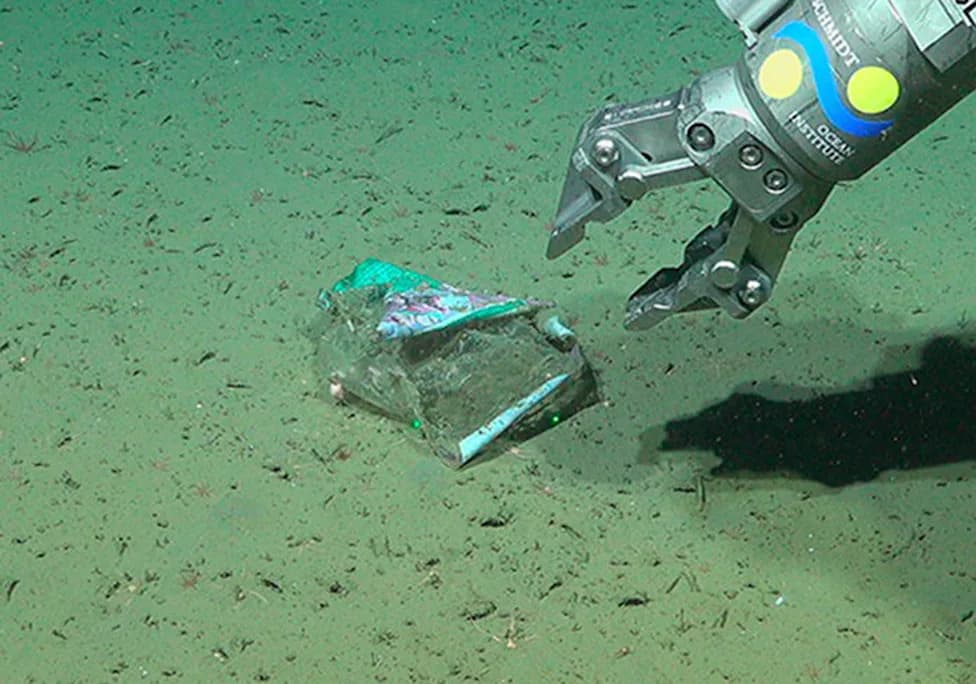
Left unchecked, this waste can clog waterways, magnify local pollution, and be transported into the ocean where cleanup is far more difficult. Early interception matters because plastics begin to fragment into microplastics over time; once they do, removal becomes slower, costlier, and less effective, and the particles are more likely to enter food chains and spread across beaches and marine habitats.
Why Interceptors Help
Interceptor 006 is part of a prevention strategy that targets natural collection points in river systems where debris concentrates. By stopping trash upstream, interceptors can remove large volumes in bulk, protect beaches and fishing areas, and reduce the downstream burden on communities and marine ecosystems.
Projects like this also show how local infrastructure — combined with funding and community engagement — can produce immediate, measurable improvements in places with heavy runoff and limited waste-management capacity.
One viewer commented: "This is so incredible. Thank you for helping our planet, especially in times like today." The post and related demonstrations highlight broader efforts to keep river-borne trash from reaching open water, including river barriers and volunteer cleanup programs in other regions.
How You Can Help: Support organizations and local projects that fund upstream prevention, advocate for better waste management, and back community-level solutions that reduce runoff and litter entering rivers.
Help us improve.