The Ocean Cleanup's Interceptor 025 in Panama shows how quickly street litter can be carried by wind, rain and drainage systems into rivers and then to the sea. Stopping plastic in rivers prevents large amounts of debris from reaching marine ecosystems and eases the cleanup burden on communities. Individual steps—reducing single-use plastics, securing bins and disposing of waste carefully—help, but citywide waste-management solutions remain essential.
Panama River Interceptor Stops Tons Of Plastic Before It Reaches The Ocean
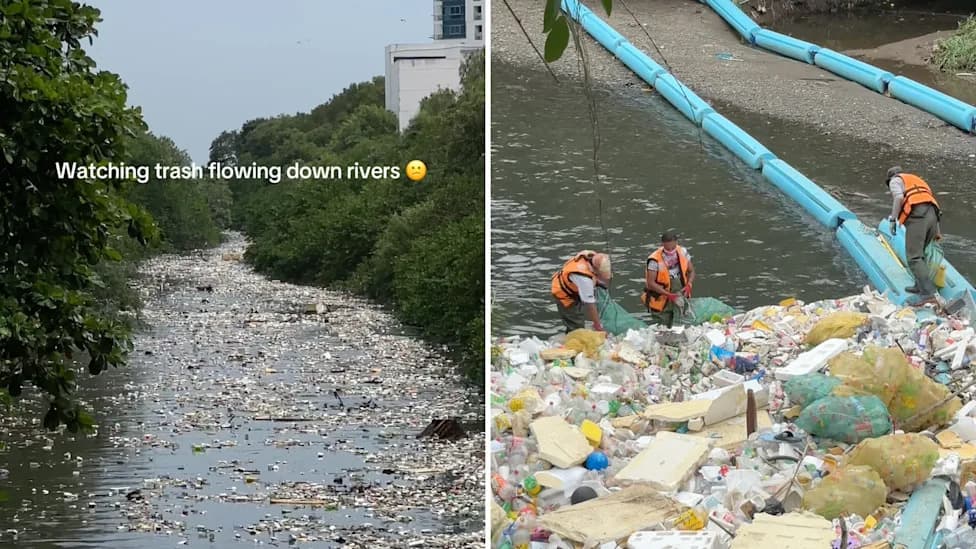
Photo Credit: TikTok
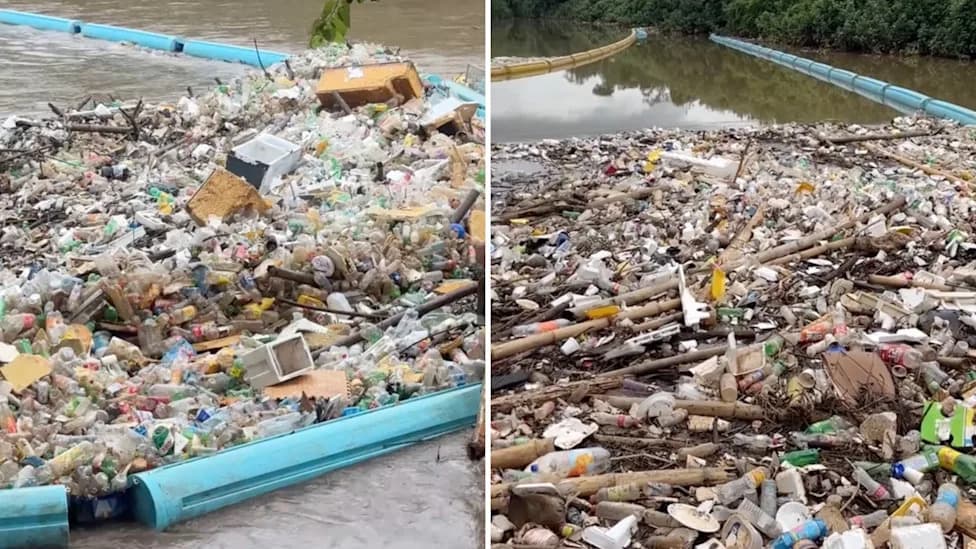
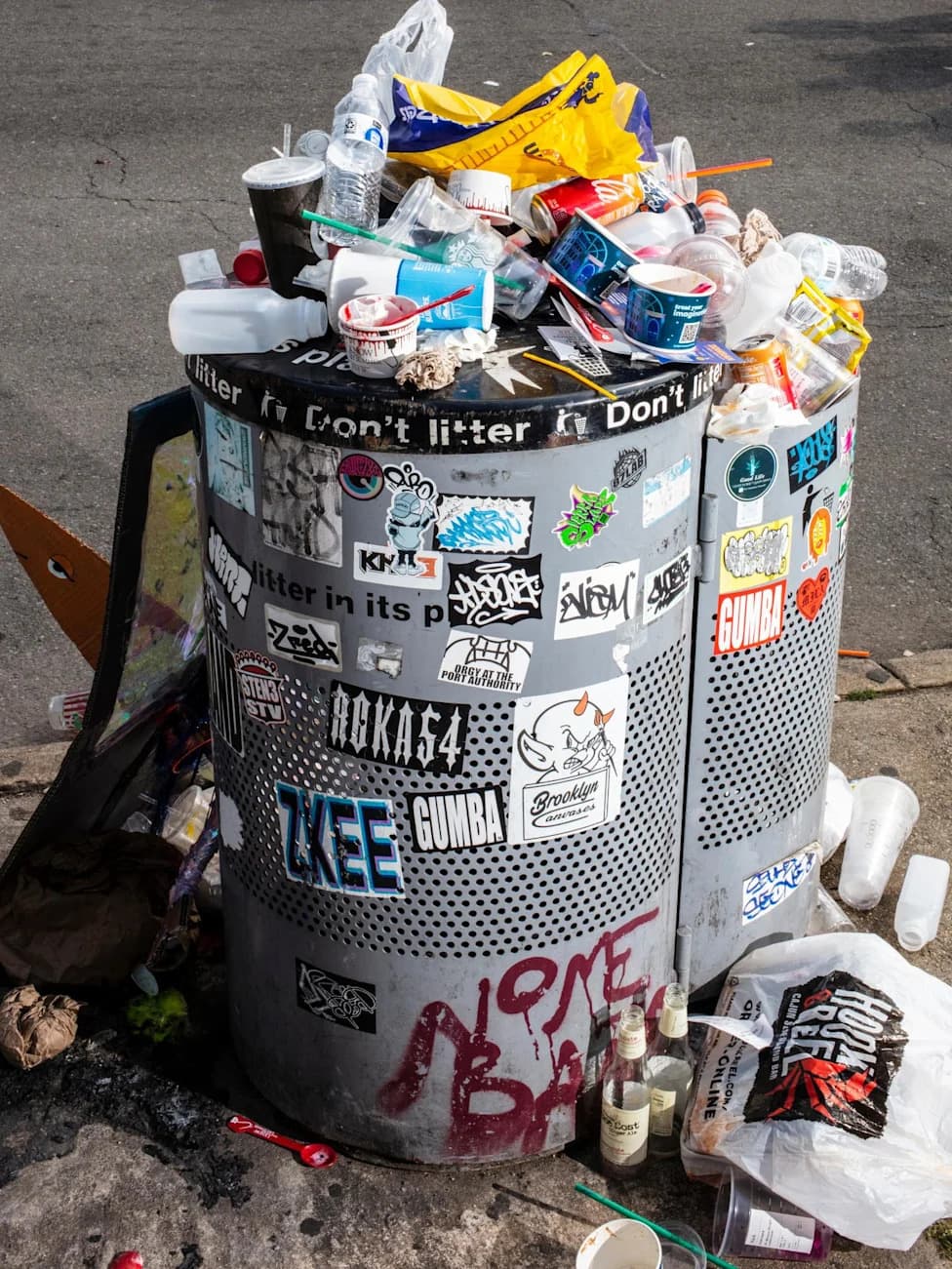
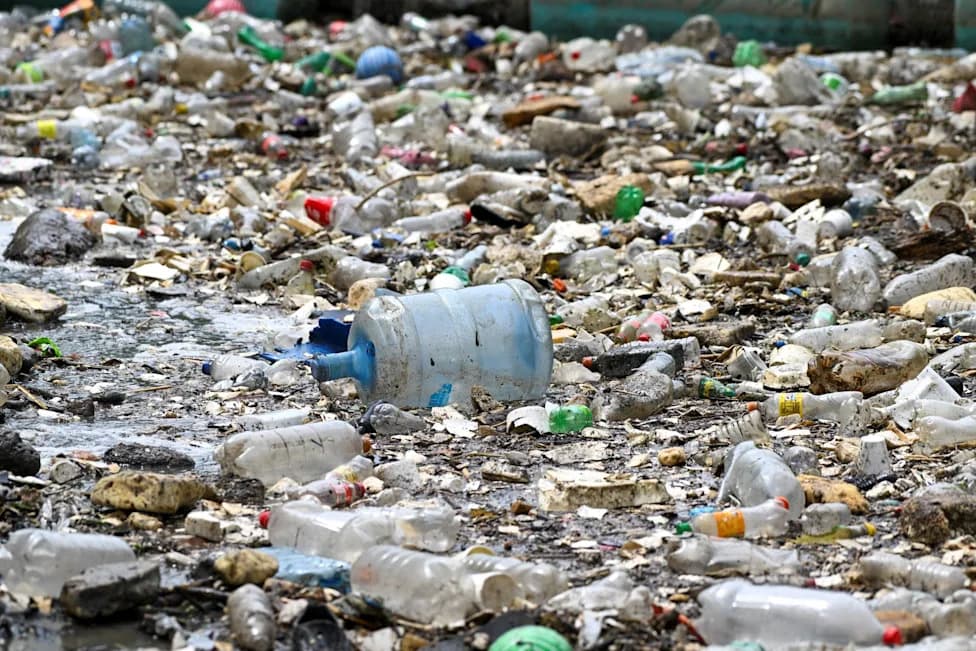
A single piece of litter dropped on a city street can travel much farther than most people realize. In Panama, footage from The Ocean Cleanup's Interceptor 025 highlights how quickly street trash can be swept into rivers and carried out to sea.
In a post about Interceptor 025, The Ocean Cleanup shared video of a river clogged with plastic and other debris. The organisation explained that wind and heavy rain sweep litter off streets into drainage systems and rivers, which then act as the main arteries transporting waste from land to the ocean—especially in coastal cities.
Why Rivers Matter
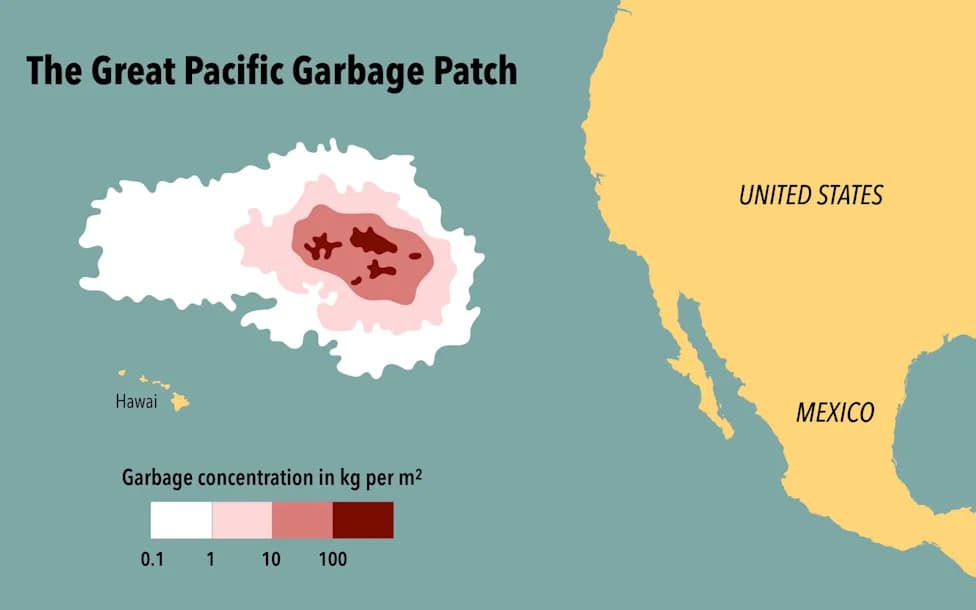
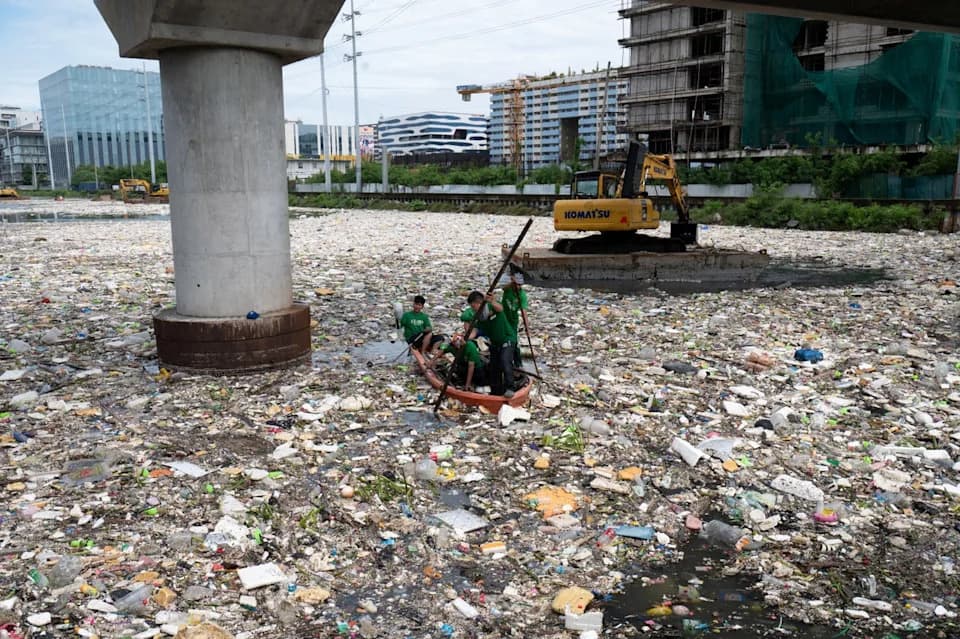
Rapid increases in plastic use sometimes outpace local waste-management systems. In those situations, rivers become the primary pathway moving trash from populated areas into marine environments. Stopping plastic in rivers therefore prevents large volumes of debris from reaching the ocean and reduces the downstream burden on communities and ecosystems.
“It's a global problem you can see almost anywhere in the world.”
Progress On The Ground
The video ends on a hopeful note: Interceptor 025 captures large amounts of plastic, which collection crews then remove from the water. That kind of intervention can have immediate local benefits—cleaner public spaces, healthier habitats, and less time and expense spent on downstream cleanups.
What Individuals Can Do
Individual actions won’t replace citywide systems, but they can make those systems work better. Practical steps include:
- Reduce single-use plastics: Choose reusable or plastic-free alternatives for everyday items.
- Secure bins: Close lids on trash and recycling containers, especially before storms.
- Dispose carefully: Place lightweight items inside containers or bags so they don’t blow away.
Related Efforts
Other projects and research complement river interception efforts: in Thailand, The Ocean Cleanup deployed an interceptor in a heavily polluted river; at-home solutions like washing-machine microfiber filters can stop tiny plastic fibers from entering wastewater; and researchers at Virginia Tech are developing ways to recycle and reuse plastic waste rather than send it to landfill.
Seen together, these examples show both how much plastic flows from land to sea and the range of effective responses already in motion. The easier it is to catch plastic on land or in rivers, the simpler and less costly it becomes to protect the ocean.
Help us improve.