The Ocean Cleanup posted a TikTok showing Interceptor 024 in Panama collecting a massive pile of river plastic, with a person beside it for scale. Interceptor systems trap floating trash in rivers to prevent fragmentation into microplastics and reduce downstream cleanup costs. These technologies are most effective when paired with prevention measures such as reducing single-use plastics and supporting local cleanups. As of 2023, researchers estimated roughly 21,000 pieces of plastic in the ocean per person, underscoring the scale of the problem.
Panama Video Shows Interceptor 024 Hauling a Mountain of River Plastic Before It Reaches the Sea
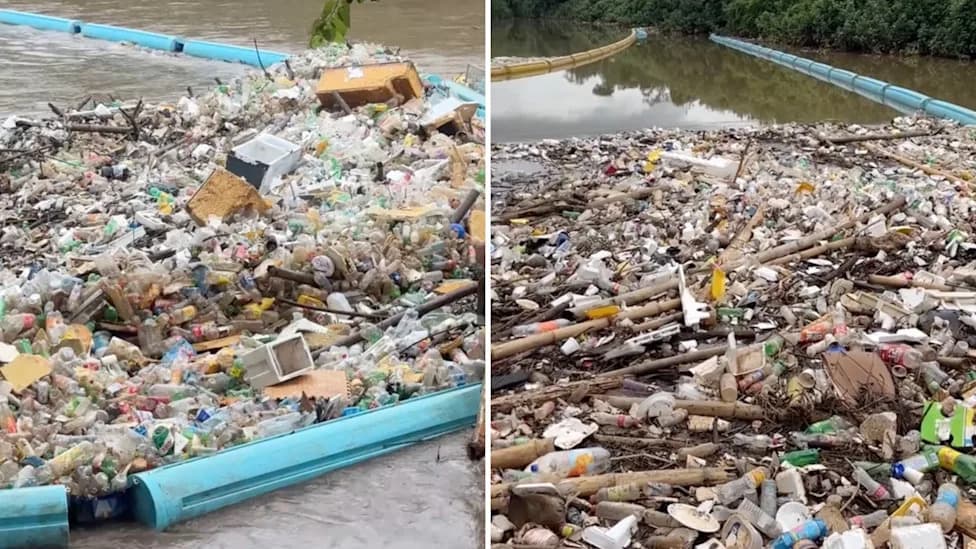
Photo Credit: TikTok
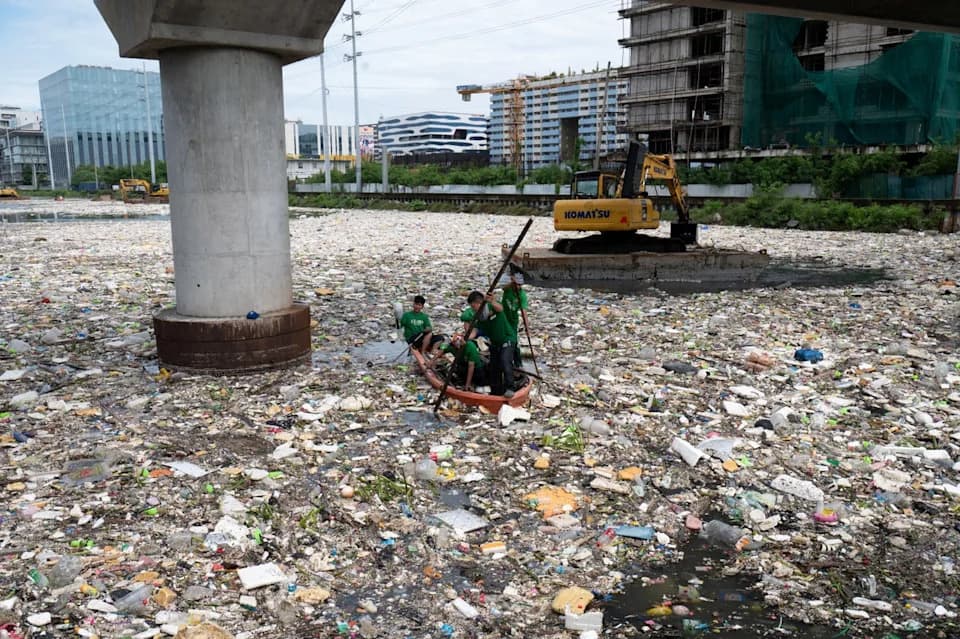
A striking TikTok clip from The Ocean Cleanup documents Interceptor 024 removing an enormous pile of floating plastic from a Panamanian river. The video ends with a person standing beside the heap for scale, making clear how much waste moves downstream before it can reach the ocean.
How Interceptors Work
The Ocean Cleanup's Interceptor systems are engineered to stop floating trash while it is still in rivers — where a large share of ocean-bound plastic begins its journey. By capturing debris close to its source, these barriers prevent items from fragmenting into microplastics and spreading through freshwater and marine ecosystems.
Benefits for Communities and Nature
Removing concentrated loads of trash at river mouths delivers multiple benefits: cleaner waterways support healthier ecosystems and fisheries, reduce the risk of clogged channels and flooding, and lower the long-term costs associated with recovering widely dispersed marine litter. Interceptors can be a more efficient and cost-effective way to remove large volumes of floating waste compared with attempting to recover plastic once it has scattered across the open ocean.
Technology + Prevention
These systems are most effective when combined with prevention and local action. Reducing single-use plastics, disposing of waste responsibly, and supporting community cleanups help shrink the next pile of trash before it forms. For households, choosing plastic-free alternatives for everyday products is a practical place to start.
"Clearing trash should be EVERYONE'S PROBLEM. Don't wait for somebody else to clean littering — nature isn't a dumping ground," one commenter wrote, reflecting a frequent call for shared responsibility.
Interceptor 024 in Panama is one example of deploying upstream solutions to limit the volume of plastic entering marine environments. Combined, removal technology and prevention policies reduce the human and ecological costs of plastic pollution.
Context and Scale
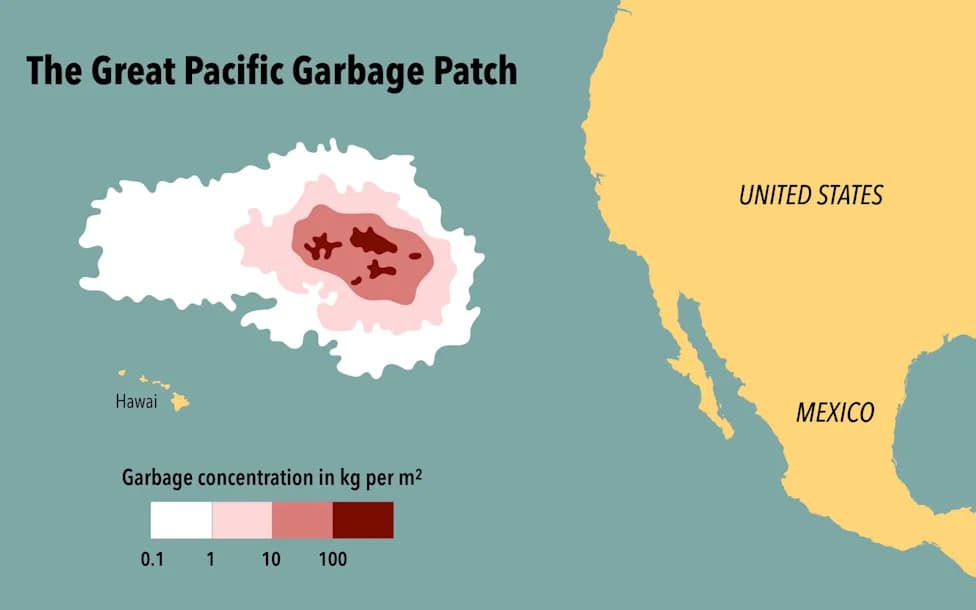
- As of 2023, researchers estimated there were roughly 21,000 pieces of plastic in the ocean for every person alive — a stark indicator of the global scale of the problem.
- Volunteer groups and local programs are also deploying innovative river barriers to stop plastic before it spreads downstream.
- Research institutions, such as Virginia Tech, are pursuing technical breakthroughs that could improve large-scale recycling and reduce future leakage of plastics into waterways.
Catching trash in rivers before it breaks apart or drifts far offshore makes a real difference. The more municipalities and organizations invest in upstream solutions, the less plastic they will have to manage later along coasts and in the open ocean.
Help us improve.