This California cohort analysis (published Aug. 25, 2026, in Autism Research) matched pregnancy-era exposure reports from 1959–1967 with 1989–2014 California records and found population-level associations between grandfathers’ heavy cigarette smoking (≥20/day) and higher liquor intake (≥5 drinks/week) and increased ASD records in grandchildren. The analytic sample included 14,059 third-generation children, 86 with ASD records. Authors stress these are associations, not proof of causation, and note key limitations including partner-reported exposures and reliance on administrative diagnosis records.
Grandfathers’ Heavy Smoking and Liquor Use Linked to Higher Autism Records in Grandchildren — Study Finds
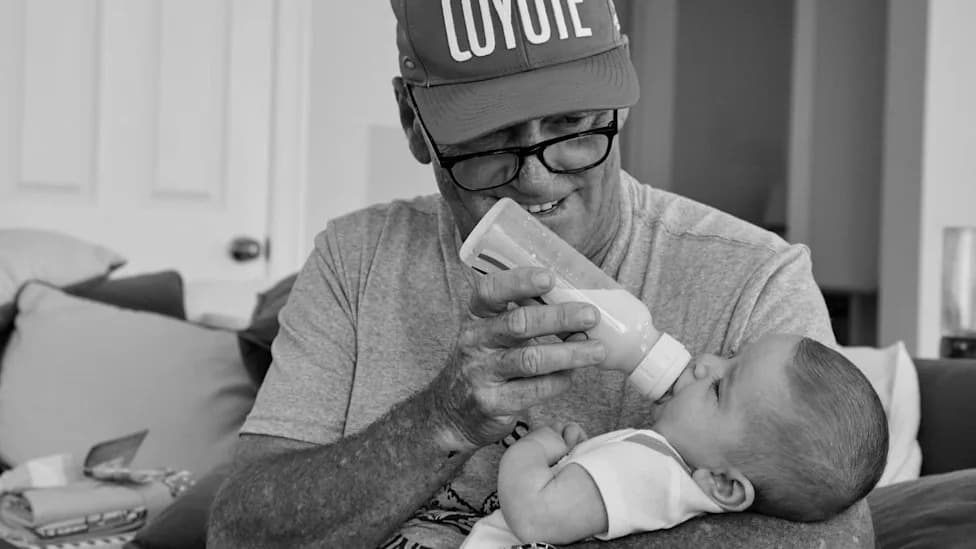
Grandfather
A California cohort analysis published Aug. 25, 2026, in the peer-reviewed journal Autism Research reports a population-level association between grandfathers’ heavy cigarette smoking and liquor use and a higher rate of autism-spectrum-disorder (ASD) records among grandchildren. The study adds to emerging research that explores how environmental exposures and family health history might relate across generations, but it does not demonstrate causation.
How the Study Was Done
Investigators used the long-running Child Health and Development Studies (CHDS) cohort. They matched exposure information reported by pregnant women between 1959 and 1967 with California birth and developmental records from 1989 through 2014, allowing researchers to examine exposures reported decades before later developmental records were available.
The analytic sample included 14,059 third-generation children with at least one grandparent exposure measure; 86 of those children had records indicating an ASD diagnosis in state developmental services data.
Key Findings
The strongest population-level associations were for grandfathers’ tobacco use and heavier liquor consumption reported while their partners were pregnant:

Image Credit:Oleg Yunakov,CC BY-SA 4.0, via Wikimedia Commons
- Grandfather cigarette smoking was associated with a higher relative risk of ASD records in grandchildren compared with grandchildren of non-smoking grandfathers.
- In particular, grandfathers reported to smoke 20 or more cigarettes per day were associated with an adjusted relative risk roughly twice that of grandchildren whose grandfathers did not smoke.
- Grandfathers reported to consume five or more liquor drinks per week were also linked to higher relative ASD risk in grandchildren, though those estimates were less precise due to smaller subgroup case counts.
What This Does — And Doesn’t — Mean
Important: These results describe differences between groups in this study population, not a predictable outcome for any specific child. The authors emphasize the findings are associations, not proof that grandfathers’ behaviors caused autism in grandchildren.
Possible mechanisms such as epigenetic changes (heritable changes in gene activity that do not alter DNA sequence) are discussed, but the study did not demonstrate an epigenetic pathway linking exposures to later diagnoses.
Limitations and Sources of Uncertainty
- Only 86 grandchildren in the analytic sample had ASD records, which makes some subgroup estimates imprecise.
- Grandfather smoking and alcohol use were reported by pregnant partners at the time rather than measured directly from the men, so misclassification is possible.
- ASD identification relied on California Department of Developmental Services administrative records, which may more consistently capture children with greater support needs and may miss some autistic children not recorded in that system.
- Unmeasured factors—such as inherited traits, socioeconomic circumstances, other exposures, and changes in diagnostic practices—could contribute to the observed associations.
Context and Next Steps
The publication arrives as autism identification in the U.S. has increased over time; CDC surveillance estimated about 1 in 31 eight-year-olds were identified with autism in 2022. Changes in screening, diagnosis, and access to services affect identification rates, so no single exposure explains broader trends.
Researchers call for replication in other cohorts and populations before drawing stronger conclusions. The study raises questions that merit further study but does not change the central understanding that autism is a complex condition influenced by multiple factors.
Practical Takeaways for Families
Families should understand that this research highlights a population-level pattern and is not a cause-of-autism detector for individuals. Clinicians advise focusing on supporting children's development, discussing concerns with healthcare providers, and seeking evaluation and services when needed.
Bottom line: The study points to an intriguing association worth investigating further, but it does not assign blame or provide an explanation for any single child's diagnosis.
Help us improve.