Small Swedish pilot found roughly 90% of 72 adults previously diagnosed with ADHD or autism no longer met diagnostic criteria. The reassessments prioritised real-world functioning over checklists and questioned whether broadened diagnostic categories and a growing private market have driven overdiagnosis. Lundström calls for routine follow-ups, functioning-based evaluations, and caution when diagnosing children to protect resources for severe cases.
Reversing Labels: Swedish Clinic Finds About 90% Of Childhood ADHD/Autism Diagnoses No Longer Meet Criteria
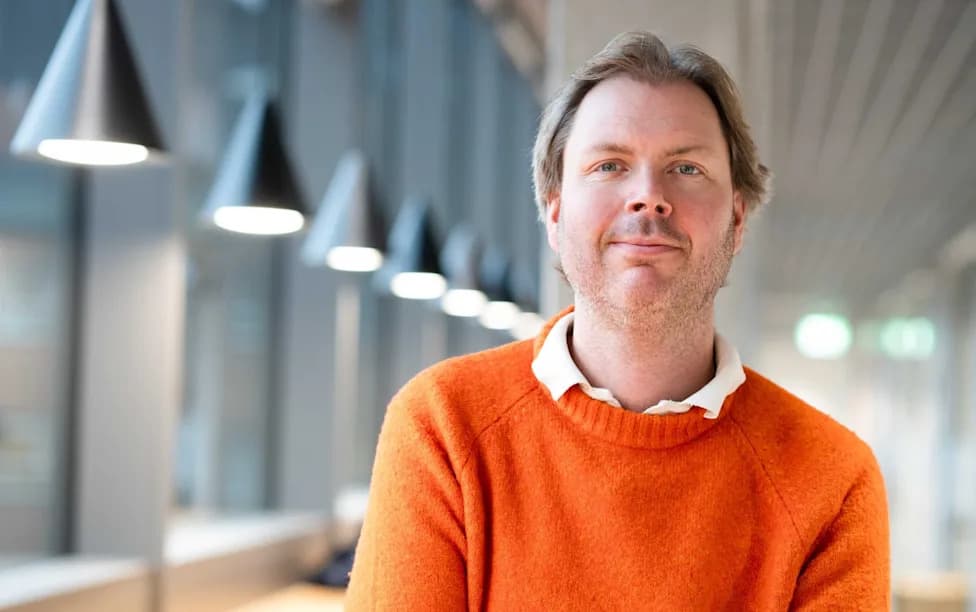
Dr Sebastian Lundström, clinical psychologist and professor in child and adolescent psychiatry, does not believe that autism and ADHD are lifelong
Dr Sebastian Lundström, a clinical psychologist and professor in child and adolescent psychiatry, has led a small but high-impact reassessment pilot in Skåne, Sweden, that challenges recent trends in ADHD and autism diagnoses. Between 2023 and 2025 his team re-evaluated 72 people who had been diagnosed in childhood or adolescence; they concluded that roughly 64–65 of them (about 90%) no longer met diagnostic criteria.
The study, published in Social Science & Medicine, prompted Lundström to question whether broadened criteria, cultural shifts and a booming private market for diagnostic services have contributed to diagnostic inflation. Lundström argues that overdiagnosis can divert scarce clinical resources from people with severe, persistent symptoms and can limit life opportunities for those carrying a label.
What the Re-assessment Did Differently
Rather than relying primarily on checklists and standardised questionnaires, the Skåne team prioritised real-world functioning. Assessors examined participants' performance at school or work, their capacity to form and sustain relationships, observed behaviour during assessment sessions, and whether alternative explanations (for example, other mental-health conditions or adverse childhood experiences) could better account for prior findings.
Many participants reported that an earlier diagnosis had been useful in securing educational support, but as adults they found the label restrictive — hindering certain career paths and at times shaping how others interpreted their behaviour. Some said their original diagnosis was driven more by parents or teachers than by their own experience; others believed their childhood behaviours reflected temporary circumstances rather than a lifelong condition.
Context And Concerns
Recent statistics underscore why this debate matters: Sweden saw nearly a 50% rise in ADHD identifications among children and young people between 2019 and 2022, while studies have reported large multi-year increases in autism diagnoses in Sweden and the UK. Lundström and others warn that diagnostic categories may have broadened, and that commercial pressures in private clinics can encourage rapid, superficial assessments.
Lundström also questions the assumption that ADHD and autism are always lifelong. He cites longitudinal research suggesting that roughly 20–30% of childhood ADHD diagnoses do not meet criteria in adulthood, and he says the widening description of autism raises similar questions about long-term persistence for milder cases.
Implications And Next Steps
While Lundström is cautious about recommending permanent or nationwide 'de-diagnosis' services, he recommends routine follow-ups and a renewed emphasis on functioning-based assessments. A planned follow-up study will examine the longer-term outcomes of those whose diagnoses were rescinded. In clinical practice, Lundström says he has become more conservative when making initial diagnoses, balancing the need to secure support for suffering children with the risk of overdiagnosis.
“If the system were working as it should, reassessments would be routine,” Lundström says. “But when a diagnosis carries legal consequences or limits opportunities, reassessment may be necessary.”
The pilot has drawn international attention and debate about diagnostic practices, the role of private providers, and how clinicians can best balance access to support with diagnostic precision.
Help us improve.