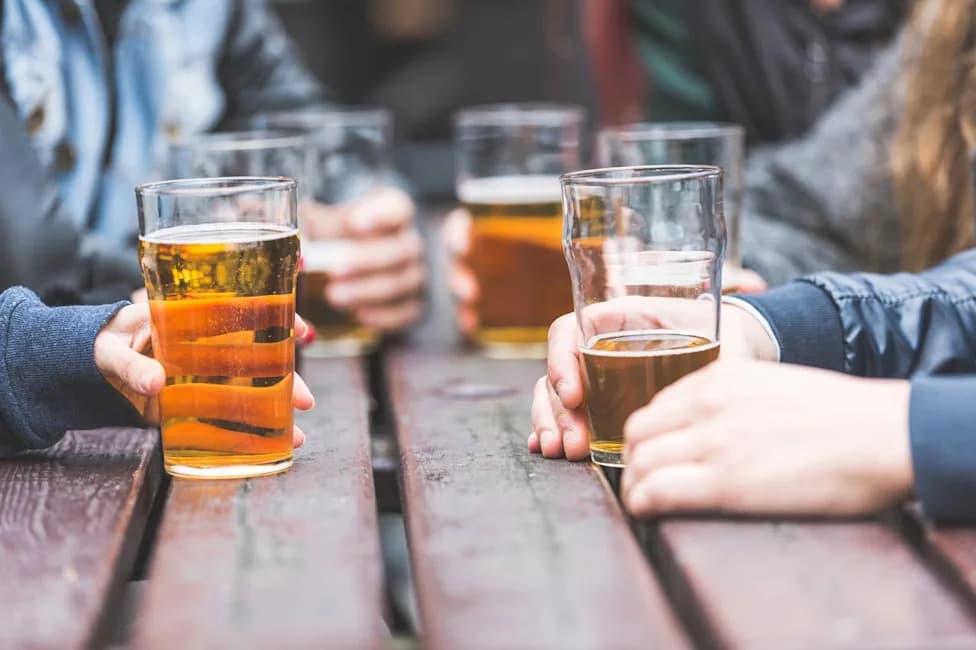
Analysis of roughly 114,000 respondents to the CDC's National Health Interview Survey (2018–2024) found past‑year alcohol use fell about 2% and heavy drinking dropped over 8% between 2022 and 2024. The largest decreases were among younger adults: people aged 18–29 cut alcohol use by more than 5%, and heavy drinking declined 17% among 30–49‑year‑olds. In contrast, adults 50–64 experienced a 4% rise in drinking and a more than 36% increase in heavy drinking, prompting calls for age‑tailored prevention efforts.
Younger US Adults Drinking Less, But Heavy Alcohol Use Climbs Among Older Adults, Study Finds
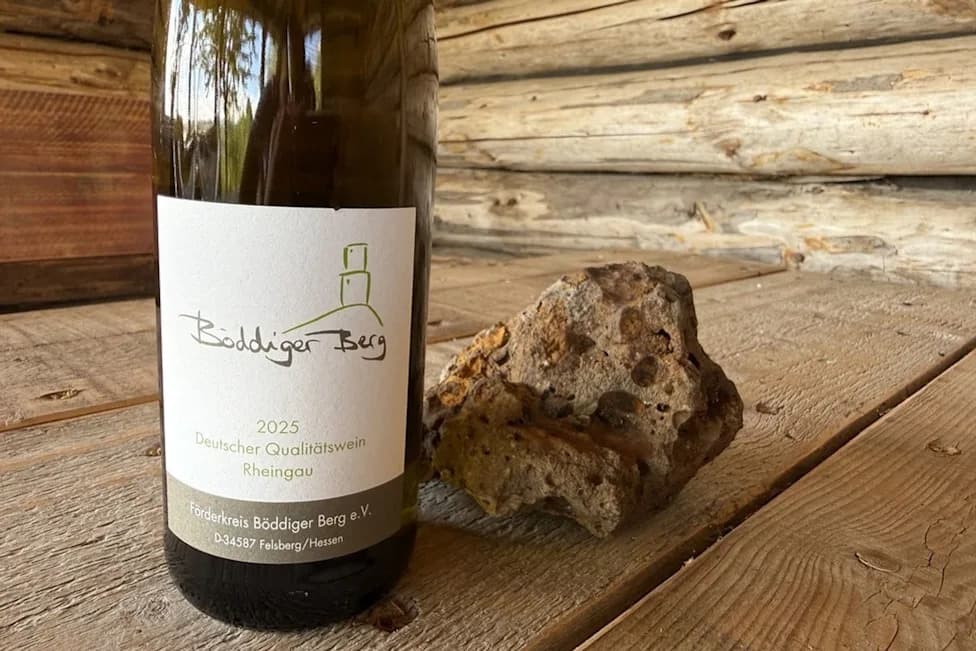
When it comes to alcohol, prevention efforts may need to be tailored to different age groups because drinking patterns are changing in different ways across generations, say researchers. Nicole Schippers/dpa
A major analysis of U.S. survey data shows a post‑pandemic shift in drinking patterns: between 2022 and 2024 overall past‑year alcohol use fell, driven largely by declines among younger adults, while heavy drinking rose sharply among people in their 50s and early 60s.
Study Details
Researchers led by Professor Brian Lee of the Keck School of Medicine at the University of Southern California analyzed responses from roughly 114,000 adults who participated in the Centers for Disease Control and Prevention's National Health Interview Survey (NHIS) covering 2018 through 2024. The results were published in the Annals of Internal Medicine.
Key Findings
Overall trends: The proportion of adults reporting past‑year alcohol use fell by about 2% between 2022 and 2024. Over the same interval, the share reporting heavy drinking declined by more than 8%.
Younger adults: Alcohol use among 18–29‑year‑olds dropped by more than 5% between 2022 and 2024—the largest decrease among age groups. Heavy drinking among adults aged 30–49 fell by 17% in that period.
Older adults: By contrast, adults aged 50–64 experienced a roughly 4% increase in overall drinking from 2018 to 2024, and heavy drinking in this group rose by more than 36%. The authors highlighted this as a worrying trend given the higher vulnerability to alcohol‑related harm with age.
Possible Explanations
The study did not establish specific causes for these shifts. The researchers suggested several plausible contributors to the decline among younger cohorts, including the expanding "sober curious" movement, greater public awareness of alcohol‑related health risks, and possible substitution with other substances such as cannabis.
This summary did not provide the study's exact threshold for "heavy drinking." Readers should consult the full paper for detailed definitions and methods.
Professor Brian Lee: "The increase in heavy drinking among older adults is concerning—alcohol‑related liver disease is often diagnosed in people in their 50s, and the liver becomes more sensitive to alcohol with age."
Implications
The authors conclude that prevention strategies and public‑health messaging may need to be tailored by age, since drinking patterns are changing in different directions across generations. Continued monitoring and targeted interventions could help reduce alcohol‑related harms, particularly among middle‑aged and older adults.
Help us improve.