New analysis of more than 114,000 National Health Interview Survey responses shows a decline in US alcohol use from 2022 to 2024 — the first drop since the Covid-19 surge in 2020. Any drinking fell nearly 2% and heavy drinking dropped over 8%; Gen Z led the decline in any use (>5%) and millennials recorded a 17% fall in heavy drinking. However, adults aged 50–64 saw heavy drinking rise by over 36% from 2018 to 2024, prompting calls for targeted interventions and liver screening.
US Alcohol Use Drops For First Time Since Covid Peak — Led by Gen Z and Millennials

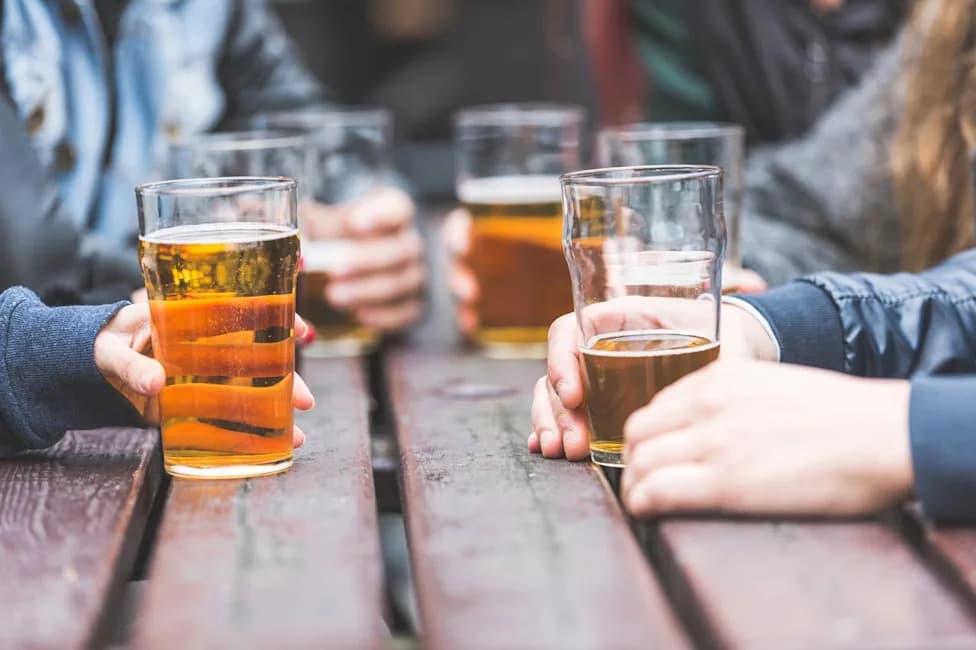
For the first time since the pandemic alcohol use among US adults has declined, according to a new study. - miodrag ignjatovic/E+/Getty Images/File
Nearly seven years after the start of the Covid-19 pandemic, new national data suggest alcohol use in the United States may finally be trending downward.
Dr. Brian P. Lee, a hepatologist and liver transplant specialist at Keck Medicine of USC in Los Angeles and lead author of a study published in the Annals of Internal Medicine, says the decline is encouraging but cautions that a single change does not guarantee a long-term reversal.
Study Details and Overall Findings
The analysis used cross-sectional responses from more than 114,000 participants in the National Health Interview Survey (NHIS) covering 2018–2024. It found that the share of adults who reported any alcohol use in the past year fell by nearly 2% from 2022 to 2024, while the proportion reporting heavy drinking declined by more than 8% over the same period.
Age and Sex Patterns
The declines were observed among both men and women: men showed a larger drop in any alcohol use, whereas women showed a bigger reduction in heavy drinking. Younger adults are driving much of the recent decline — adults aged 18–29 (Gen Z) recorded the largest fall in any alcohol use (more than 5%), and millennials (ages 30–49) experienced a 17% decline in heavy drinking between 2022 and 2024.
“Seeing this first decline gives you something to hope for as a doctor, but you have to be appropriately cautious too, because one change doesn't necessarily mean a sustained trend,” Lee said.
Worrying Trends Among Older Adults
By contrast, adults aged 50–64 (older Generation X and younger Baby Boomers) continued to drink at rates higher than before the pandemic. From 2018 to 2024, heavy drinking in this group rose by more than 36%, and any drinking increased by about 4%. Experts note this cohort faces higher long-term risk for alcohol-related conditions (liver disease, cancer, cardiovascular disease) and an elevated likelihood of death from chronic alcohol abuse compared with acute alcohol incidents.
The National Institute on Alcohol Abuse and Alcoholism (NIAAA) defines heavy alcohol use as: for women, 4 or more drinks on any day or 8 or more drinks per week; for men, 5 or more drinks on any day or 15 or more drinks per week.
Possible Explanations and Implications
Lee and co-commenter Dr. Jagpreet Chhatwal (Massachusetts General Hospital) suggested several possible contributors to the decline among younger adults: the rise of the sober-curious movement, greater awareness of alcohol-related harms, changing social norms and possible substitution with other substances such as cannabis. They also emphasized the need for targeted interventions for older adults, where the biggest increases in heavy drinking are occurring.
“Alcohol relates to cultural norms and societal peer pressure, so drinking less might start amongst a couple people in your peer group for certain reasons, but then it becomes a domino effect,” Lee said.
Advice for Clinicians and Individuals
Experts recommended clinicians screen high-risk patients and discuss liver health and screening options with patients concerned about alcohol-related disease. Behavioral interventions can help some people reduce or stop drinking, but maintaining long-term change is challenging and relapse is common.
Bottom line: The first national declines in alcohol use since the pandemic are a hopeful sign, driven largely by younger adults, but rising heavy drinking among 50–64-year-olds poses a serious public health concern.
Help us improve.