Lead absorbed in childhood is often stored in bone for decades and can be released later in life, potentially increasing dementia risk. A large Medicare-linked analysis found people with the highest estimated bone-lead levels were about twice as likely to develop dementia and up to three times as likely to develop Alzheimer's. Preventive steps include eliminating ongoing exposure, testing blood lead if concerned, strengthening bone health, managing cardiovascular risks and supporting further research and screening.
Childhood Lead Exposure May Double Dementia Risk Decades Later
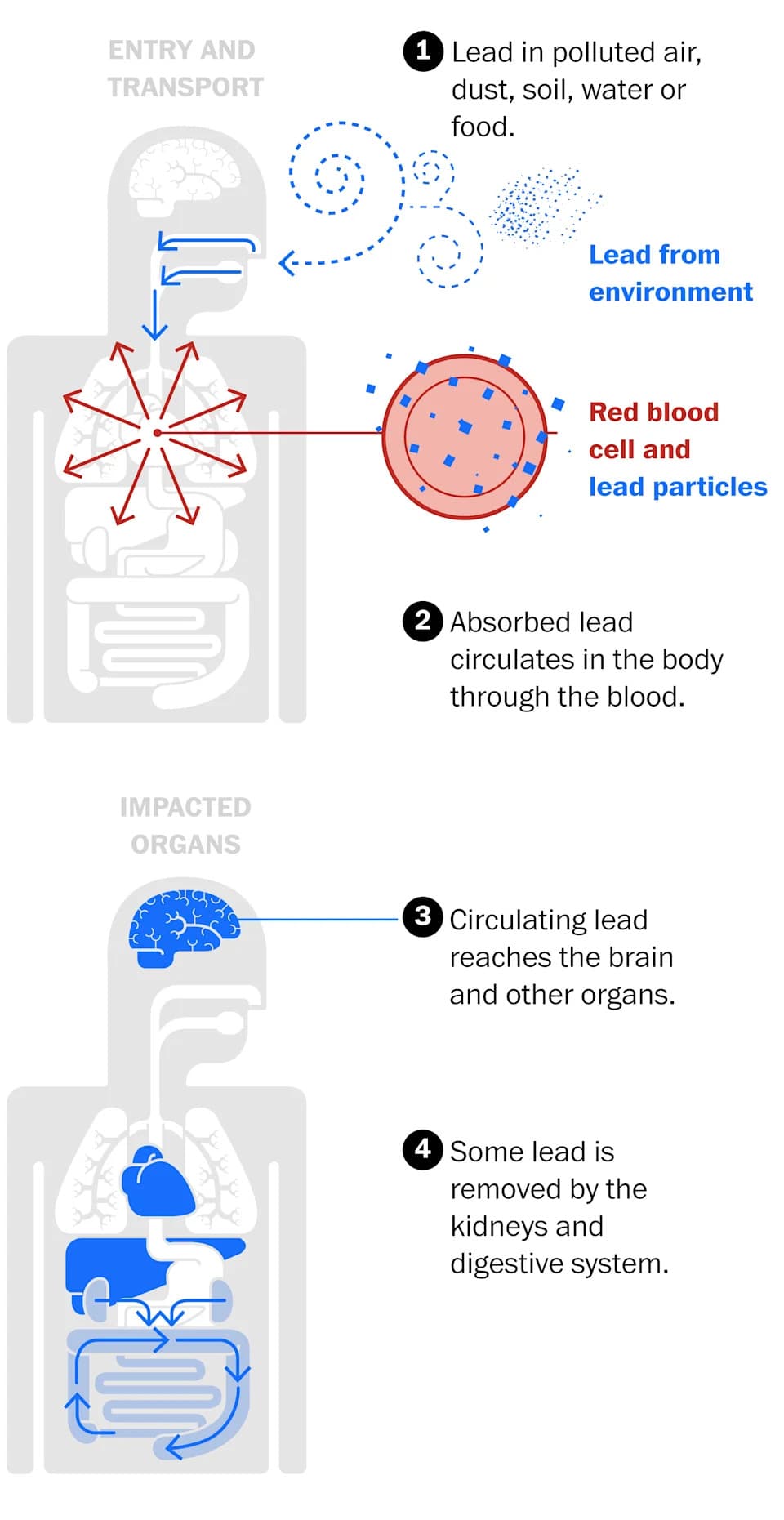
When I was a child a speck of lead drifted from a car's tailpipe into my lungs, crossed a tissue-thin membrane into my blood and began a slow, invisible process of harm. Some lead atoms rode red blood cells past the blood–brain barrier and disrupted neural circuits; others lodged in organs such as the kidneys, liver and heart. Most, however, mimicking calcium, were locked into the mineral lattice of my growing bones, where they can remain for decades.
The Long Legacy of Lead
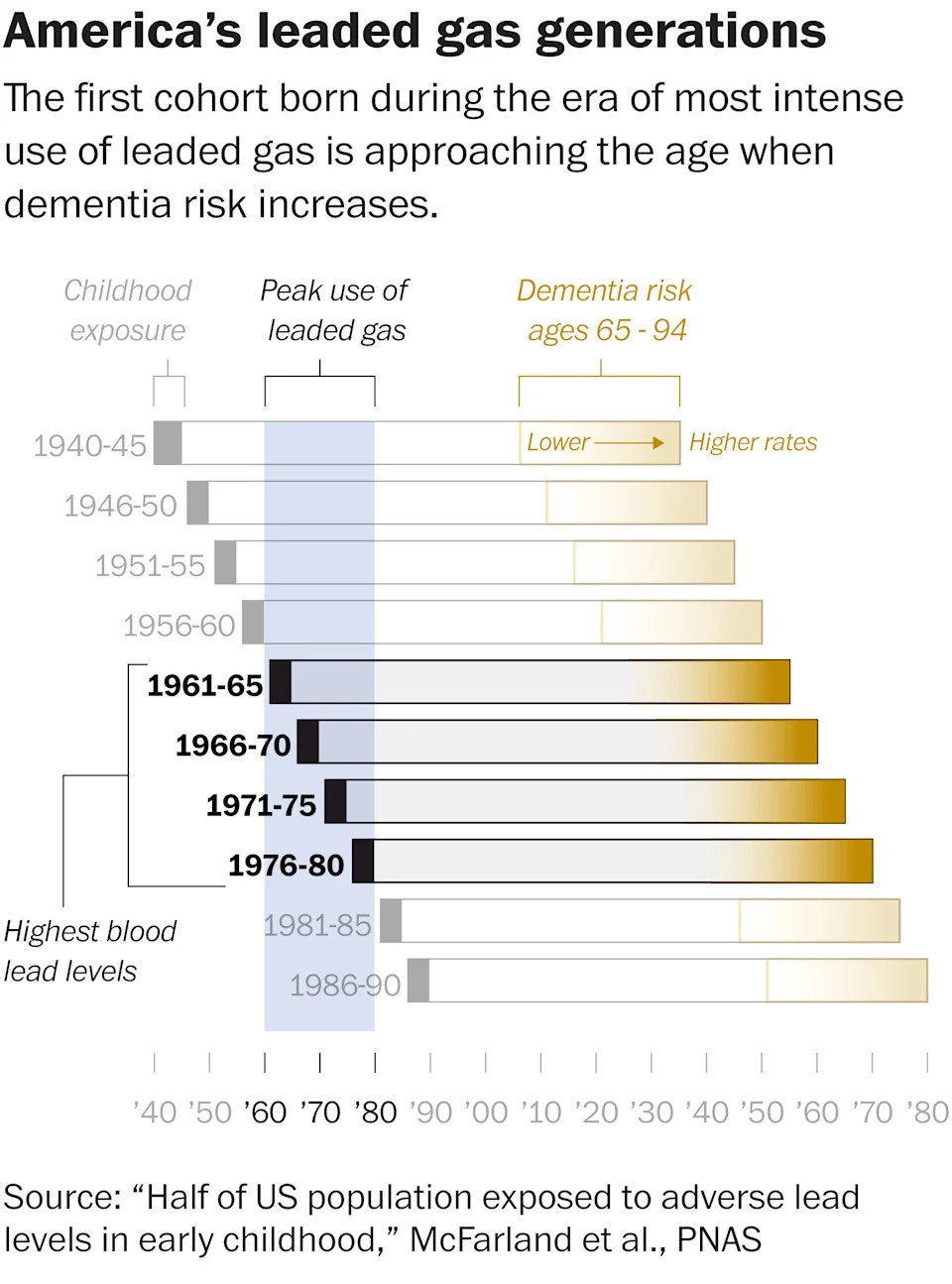
Most people born in the United States between 1951 and 1980 were exposed to unusually high levels of lead from leaded gasoline, lead-based paint and lead plumbing. By some estimates, more than 125 million children from that era had blood-lead measurements above 5 micrograms per deciliter (µg/dL). At the peak of the crisis in the late 1970s, average levels in children under five were around 16 µg/dL—nearly five times today's reference for public-health intervention.
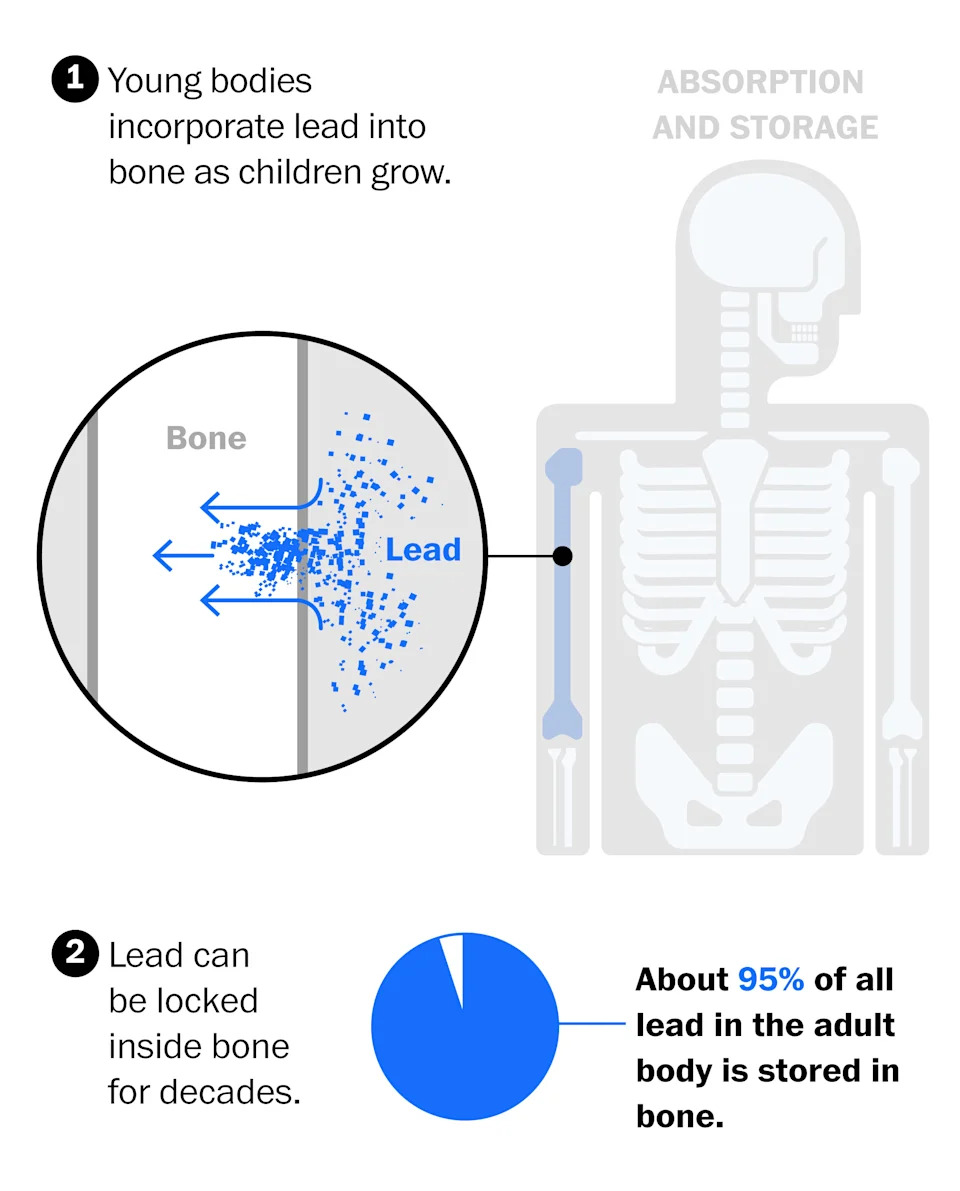
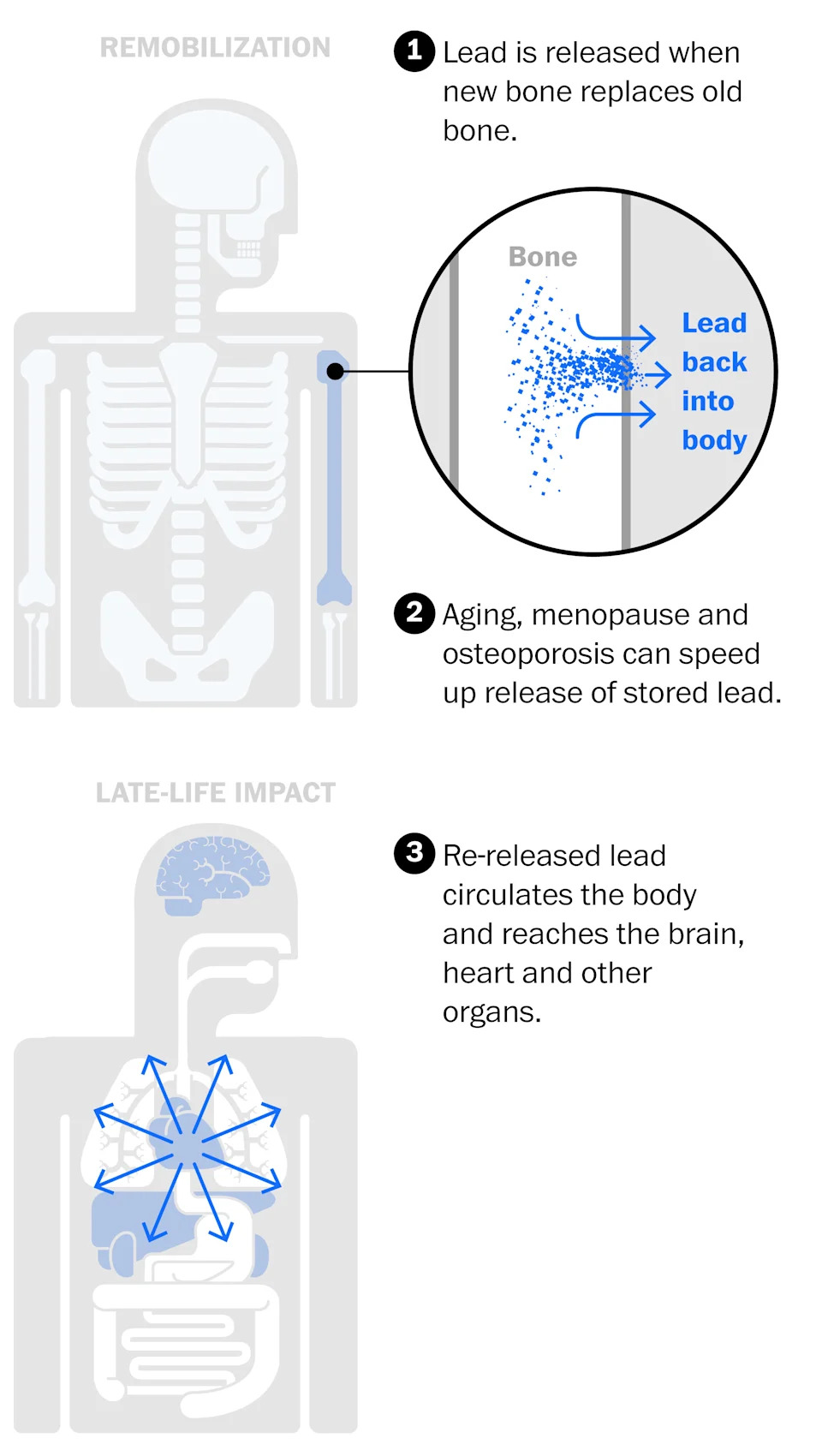
Lead in blood clears within months, but 70–95% of retained lead becomes sequestered in bone, where it can stay for decades. Because bone is continually remodeled, stored lead can be released back into the bloodstream during pregnancy, breastfeeding, menopause, periods of inactivity or as part of normal aging. That slow trickle can reexpose organs long after the initial contact has ended.
Emerging Evidence Linking Bone Lead With Dementia
A recent, large analysis that combined decades of national health surveys with Medicare records found that people estimated to have the highest bone-lead concentrations were roughly twice as likely to develop dementia and about three times as likely to be diagnosed with Alzheimer's disease compared with those with the lowest estimated bone-lead levels. The study's authors caution that bone lead is a lifetime exposure marker and that some confounding by occupation and other exposures is possible, but the association is large and consistent with earlier research.
Experts warn this could signal a generational wave of cognitive decline among those who grew up during peak lead pollution.
How Lead Harms the Brain
Lead is biochemically persistent and can displace essential minerals such as calcium, iron and zinc. It interferes with cellular processes, alters gene expression, impairs neuronal signaling and can shrink brain regions involved in judgment, impulse control and mood. Childhood exposure is particularly harmful because it affects brain development and reduces cognitive reserve—the brain's ability to withstand age-related pathology.
Beyond direct neural damage, lead contributes to hypertension and cardiovascular disease, both of which are independent risk factors for dementia. Laboratory and animal studies also suggest epigenetic changes from lead exposure that could accelerate cognitive decline decades later.
What You Can Do Now
There is currently no proven treatment that reverses brain damage from past childhood lead exposure, but several pragmatic steps can reduce present risk and limit further release of bone-stored lead:
- Stop ongoing exposure: Identify and remediate lead paint in older homes, test and replace lead service pipes, and be cautious with antiques, imported pottery, certain spices and traditional remedies that may contain lead.
- Check blood lead if concerned: A blood test detects recent and re-released lead. If blood lead is elevated, clinicians may consider chelation therapy in specific cases.
- Strengthen bones and reduce turnover: Weight-bearing exercise, adequate dietary iron, calcium and zinc, and—when appropriate—osteoporosis medications or hormone replacement therapy can slow bone remodeling and reduce the pace at which stored lead re-enters the bloodstream.
- Manage vascular risk: Control blood pressure, cholesterol and diabetes and maintain a healthy lifestyle (diet, exercise, social engagement) to lower overall dementia risk.
Policy, Screening, and Research Needs
Public-health measures substantially reduced U.S. lead exposures: children's blood lead levels have fallen by more than 96% since the 1970s. Yet gaps remain—an estimated 34 million U.S. homes still contain lead-based paint and about 4 million lead service lines remain in use. Bone-lead testing is not yet a routine clinical tool, and we need better screening, longitudinal research and interventions that target the legacy of past exposures.
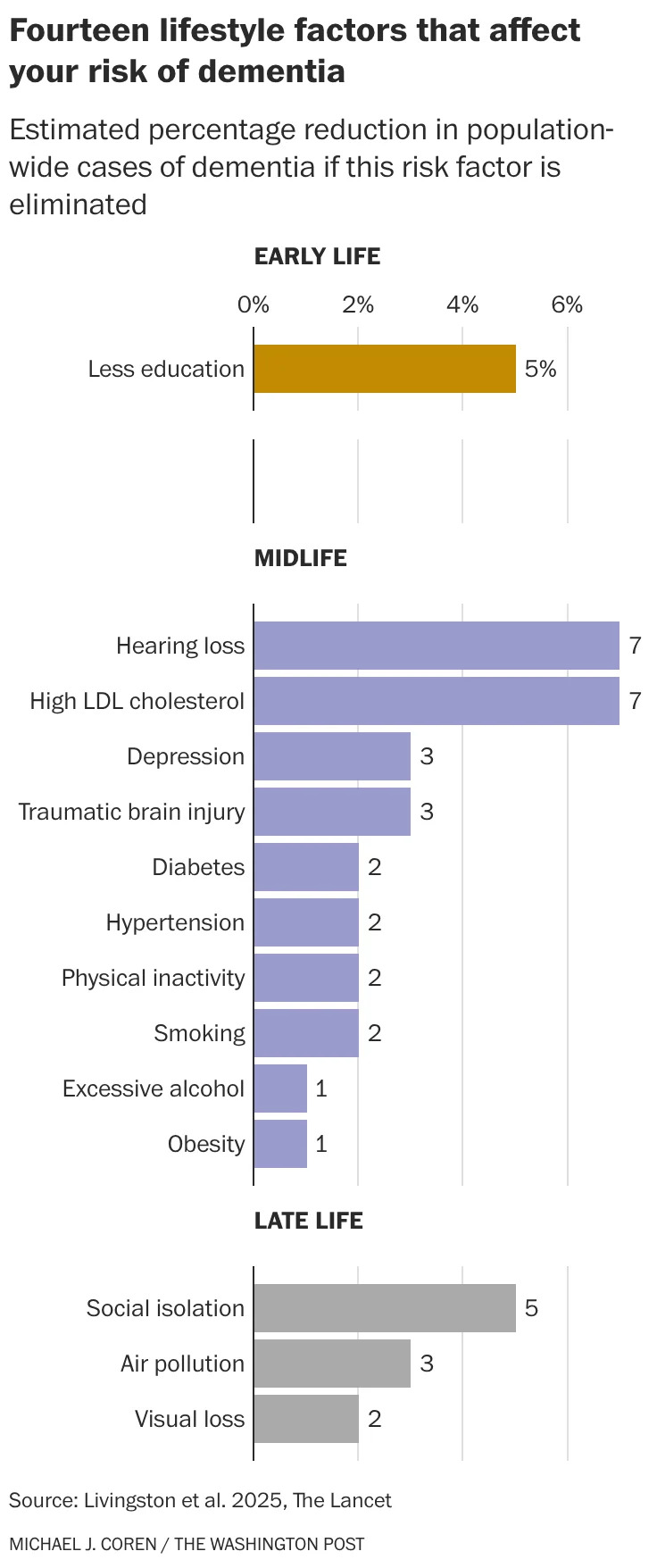
For now, the best strategy is prevention: remove current sources of lead, screen at-risk populations, and address modifiable dementia risk factors across the life course. As researchers follow exposed cohorts into older age, clearer answers should emerge about how much bone-stored lead contributes to dementia and what interventions can help.
Bottom line: Decades-old lead exposure may reemerge from bone to increase dementia risk. Awareness, home remediation, healthy lifestyles and targeted clinical care can reduce current harm while research works to fill remaining knowledge gaps.
Help us improve.