The 79 CE Vesuvius eruption was used as a precise benchmark to recalibrate 40Ar/39Ar dating. Incremental heating of sanidine from Oplontis produced an age of 1,938 ±13 years before 2025 (87 ±13 CE), consistent with the traditional historical date of August 24, 79 CE. Technical advances and careful sample handling yielded roughly 0.7% precision and a nearly twofold improvement in the potassium‑40 → argon‑40 partial decay constant. The result sharpens volcanic chronologies, aids hazard assessment, and strengthens links between geological and archaeological timelines.
Pompeii’s Eruption Becomes a Geological Stopwatch — Vesuvius Calibrates Argon-Argon Dating

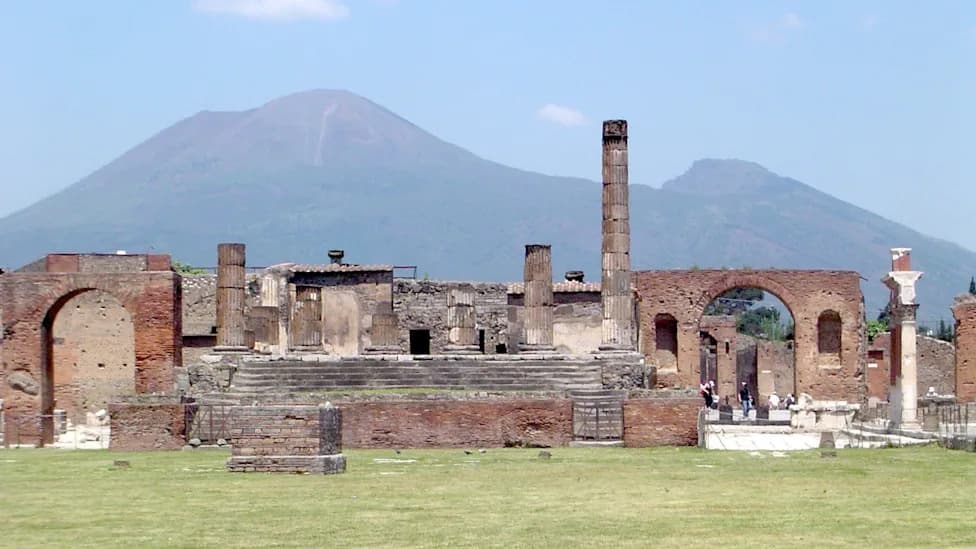
The 79 CE Vesuvius eruption helped scientists reduce argon-argon dating uncertainty to just 13 years for a 2,000-year-old event. (CREDIT: Shutterstock)
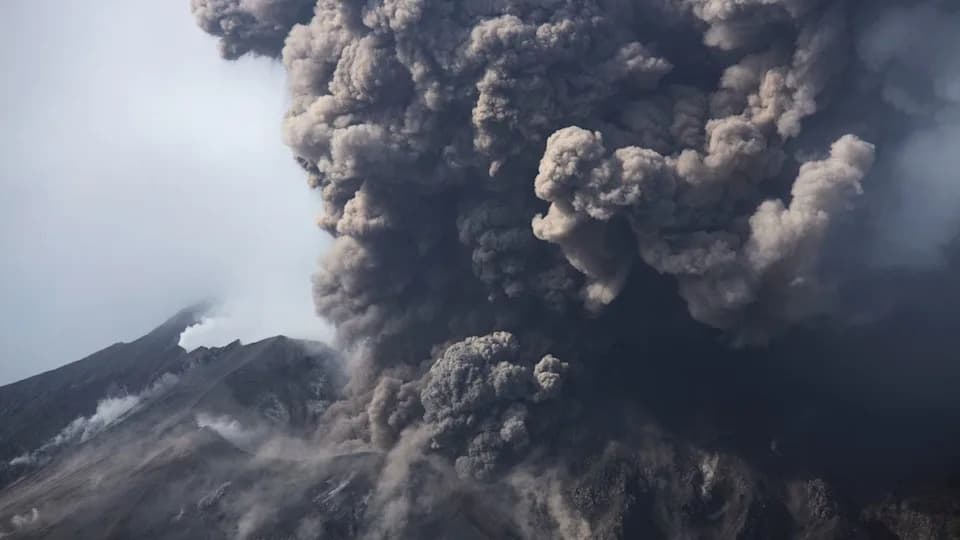
Nearly two millennia after Mount Vesuvius buried Pompeii, scientists have used that well‑documented eruption as a precise laboratory benchmark to sharpen one of geology’s key radioactive clocks. By measuring sanidine crystals from pumice ejected in the event, the team recalibrated 40Ar/39Ar dating and reduced the eruption’s uncertainty to decades rather than centuries — a step change for young volcanic chronology and related timelines.
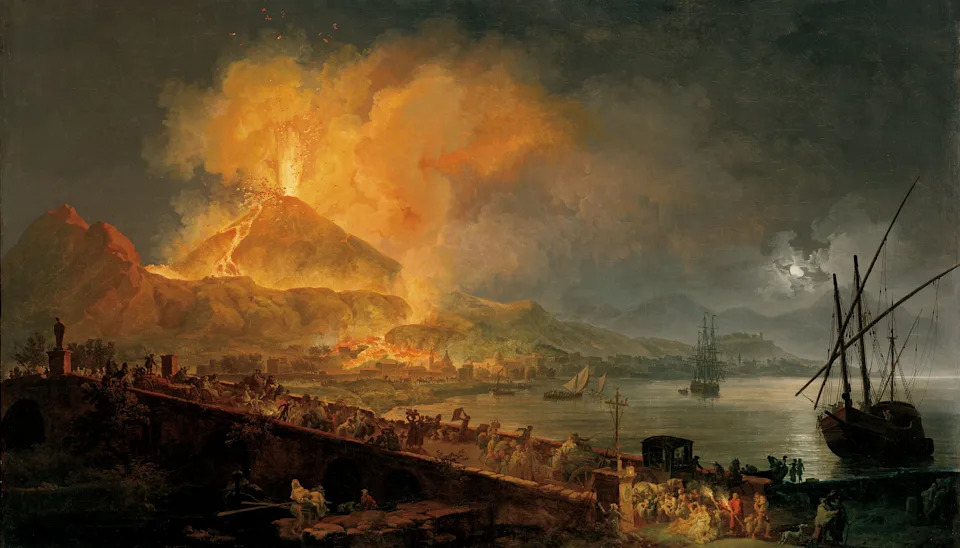
A depiction of the 1769 eruption of Mt. Vesuvius by Pierre-Jacques Volaire, a French painter who made a career in Italy as a souvenir artist.(CREDIT: North Carolina Museum of Art)
Key Findings
Age Determination: Incremental heating of sanidine from Oplontis pumice produced an age of 1,938 ±10 years before analysis in 2025, and a final uncertainty of ±13 years after accounting for additional scatter. That corresponds to a calendar age of 87 ±13 CE, statistically consistent with the long‑accepted historical date of August 24, 79 CE.
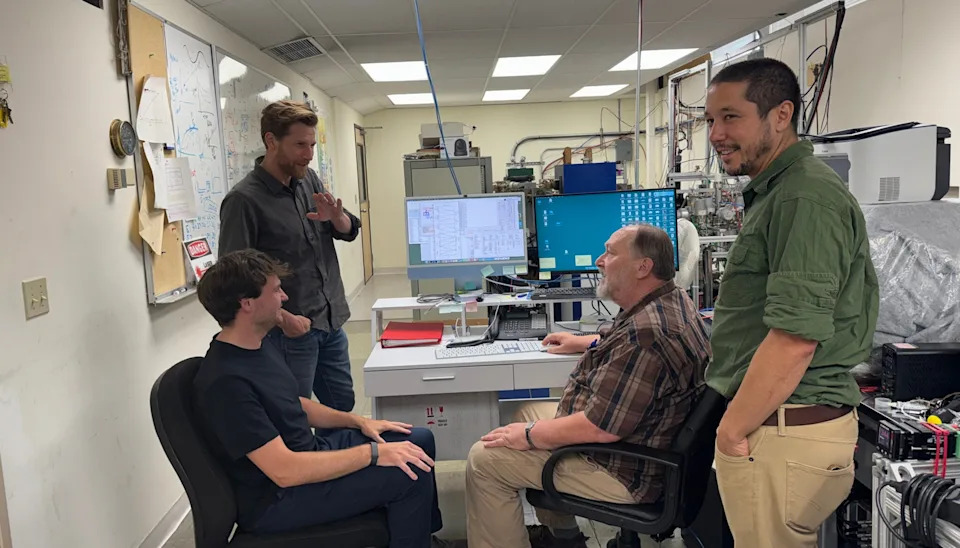
Bill Cassata, Jack Carter, Paul Renne, and Andy Tholt in the mass spectrometry lab at the Berkeley Geochronology Center. (CREDIT: Paul Renne/Berkeley Geochronology Center and UC Berkeley)
How The Study Worked
The study, published in Science Advances and led by researchers at the Berkeley Geochronology Center, UC Berkeley and the University of Padua, analyzed roughly 700 mg of sanidine extracted from eight uncontaminated irradiation wells. A total of 153 incremental heating measurements produced a tightly clustered result. To minimize laboratory bias the team used brief (six‑minute) neutron irradiation, close bracketing with well‑characterized standards, laser step‑heating to separate radiogenic argon from trapped gas, and modern multicollector mass spectrometry with improved detectors for very small ion signals.
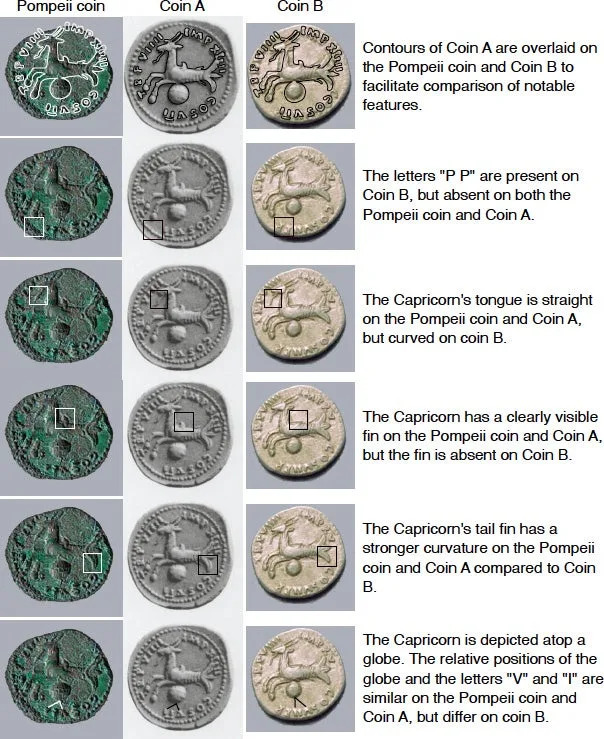
This graphic explains the team's analysis of a coin (left column) found during excavations at the House of the Golden Bracelet in Pompeii. Some have claimed that the coin was minted later than Aug. 24, 79 C.E. — the commonly accepted date of the Vesuvius eruption — and thus proves that the eruption happened later in the fall. (CREDIT: National Museum of Naples)
"It was really just a combination of better samples, instrumental advantage and a more concerted effort," said Paul Renne, a leader on the project.
Historical Context And Uncertainty
Vesuvius is uniquely valuable because its eruption sits at the intersection of recorded history and geological time. Pliny the Younger's letters give August 24 as the day and the broader Roman record places the event in 79 CE. The authors reviewed archaeological evidence (food remains, clothing, graffiti and a disputed coin) and conservatively allowed a two‑month uncertainty window around the historical date before treating it as a calibration anchor.
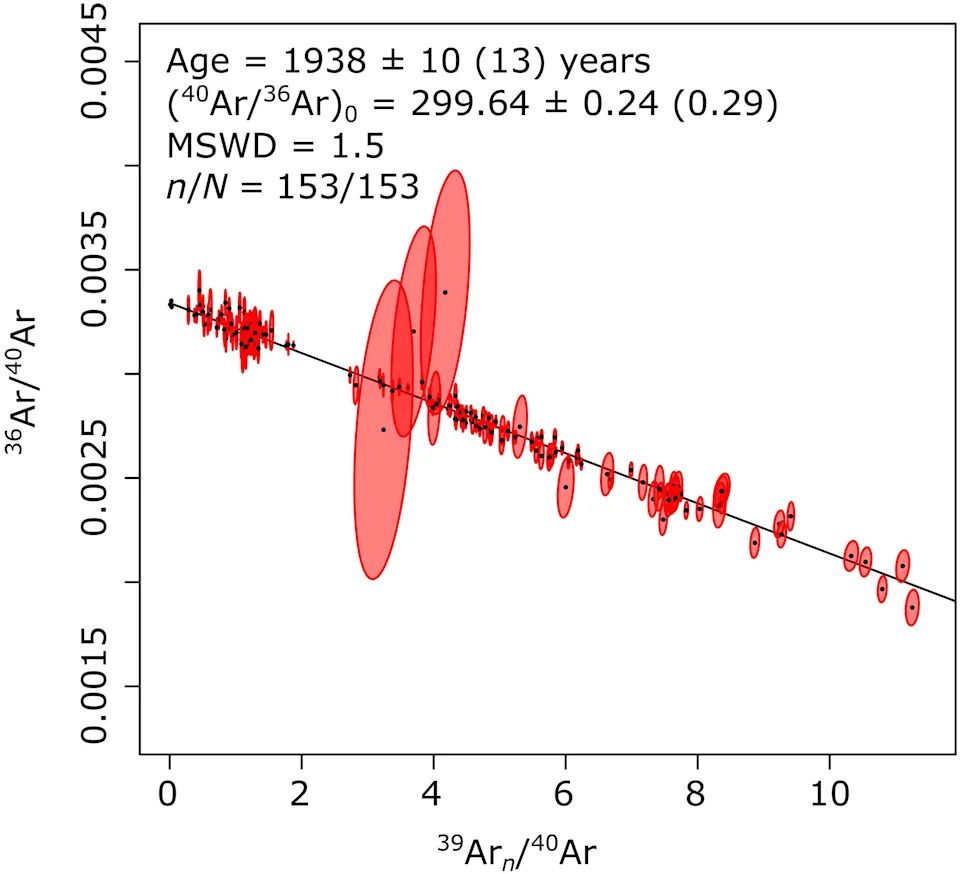
Inverse isochron diagram obtained from of the incremental degassing of 48 aliquots of Vesuvius AM1 sanidine collected near Pompeii. (CREDIT: Paul Renne et al, Science Advances 2026)
Secondary Result: Decay Constant Improvement
Because the eruption date is independently constrained by historical records, the study also produced a more precise estimate of the partial decay constant for 40K → 40Ar production. That value was determined nearly twice as precisely as previous direct nuclear‑physics measurements, improving the calibration that underpins 40Ar/39Ar ages across geological time.
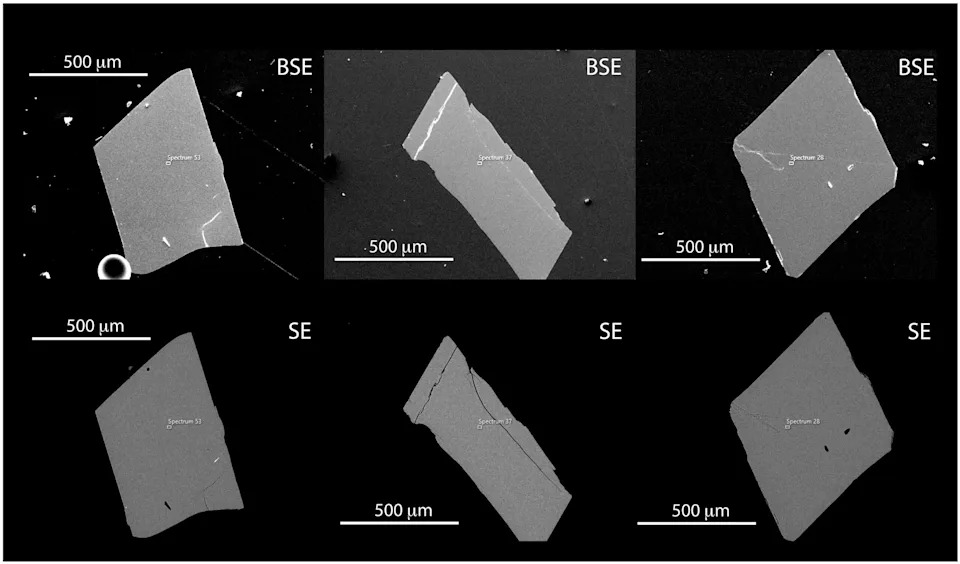
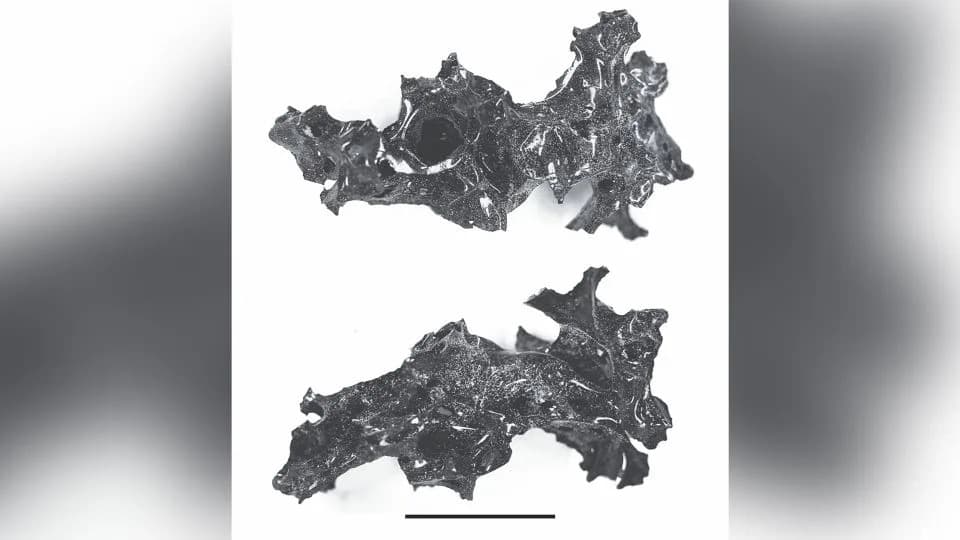
Backscattered electron (BSE; top row) and corresponding secondary electron (SE; bottom row) images for three grains of AM1 sanidine. (CREDIT: Paul Renne et al, Science Advances 2026)
Why This Matters
Higher precision on young eruptions matters for several reasons: it improves volcanic recurrence estimates and hazard assessments for populated regions (e.g., Naples), strengthens correlations between ash layers, archaeological sites and climate records, and helps tie together different dating systems (40Ar/39Ar, radiocarbon and U‑Pb) using common statistical frameworks. More precise eruption dates can also clarify whether close‑in‑time events might be causally related.
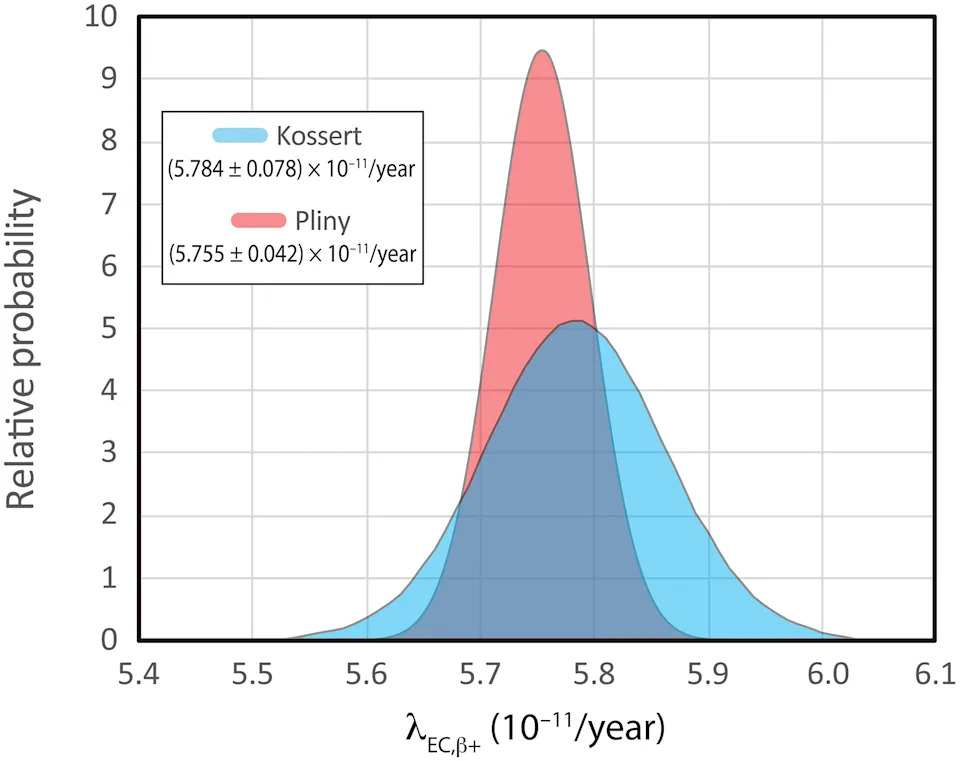
Comparison of the partial decay constant for production of radiogenic 40Ar from 40K, λEC,β+ from an independent experimental determination and this work. (CREDIT: Paul Renne et al, Science Advances 2026)
Conclusions
By turning a historically recorded catastrophe into a near‑controlled geochronological experiment, the Vesuvius benchmark demonstrates that modern 40Ar/39Ar techniques can achieve decade‑scale resolution for favorable young deposits. The result both affirms the traditional historical chronology for Pompeii and strengthens the tools geoscientists use to build accurate timelines for volcanism, archaeology and Earth's recent history.
Credits: Study published in Science Advances; lead institutions include the Berkeley Geochronology Center, UC Berkeley and the University of Padua.
Help us improve.