Scientists used Pliny the Younger’s eyewitness date for the AD 79 Vesuvius eruption to recalibrate argon-argon dating, substantially improving its precision. Reanalysis of eight sanidine samples — including potassium-rich pumice from 1998 Oplontis collections — yielded an eruption age of 1,938 years before 2025 ±13 years, closely matching the historical age. Narrowing the eruption window to roughly two months enabled a revised K-40 half-life of 12.044 ±0.088 billion years, nearly twice as precise as prior estimates, improving geologic chronologies and cross-calibration with other dating methods.
Pliny’s 79 CE Eyewitness Date Sharpens Volcano Dating — Argon-Argon Precision Doubles
Scientists use Pompeii’s exact eruption date to make volcano dating far more precise
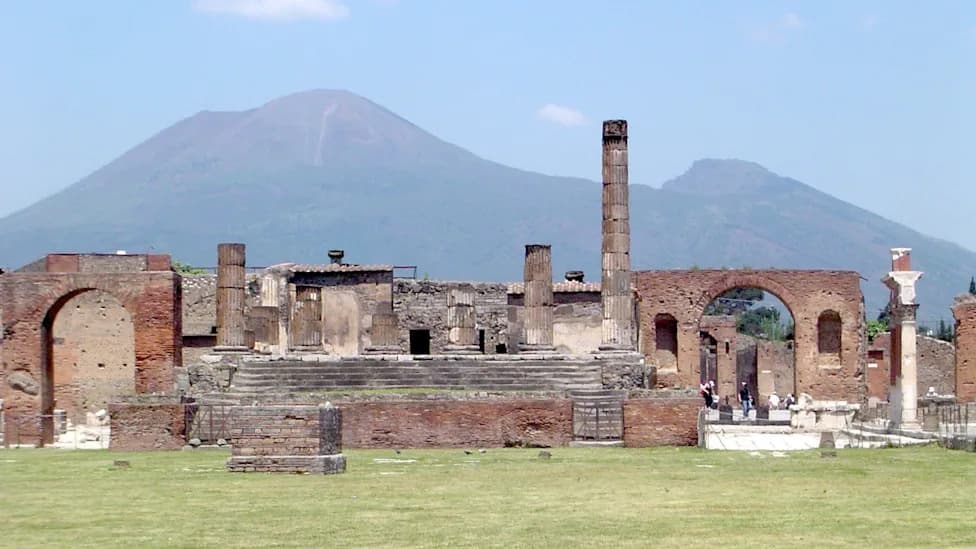
Roman writer Pliny the Younger left the only direct eyewitness account of Mount Vesuvius’s devastating eruption nearly 2,000 years ago — a disaster that buried Pompeii and killed his uncle, Pliny the Elder. Researchers have now used Pliny’s detailed dating of the event to substantially refine argon-argon (40Ar/39Ar) dating, one of geology’s most important chronometric tools.
Research teams from the Berkeley Geochronology Center, UC Berkeley, and the University of Padua report that calibrating 40Ar/39Ar measurements against an inferred eruption date of Aug. 24, 79 CE yields much greater precision, allowing scientists to link geological events with tighter chronological control.
What the Team Did
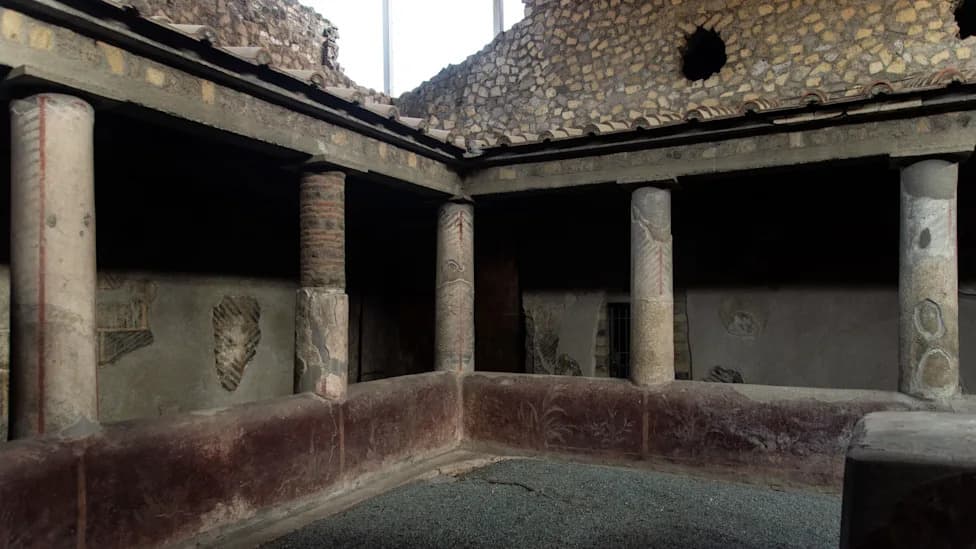
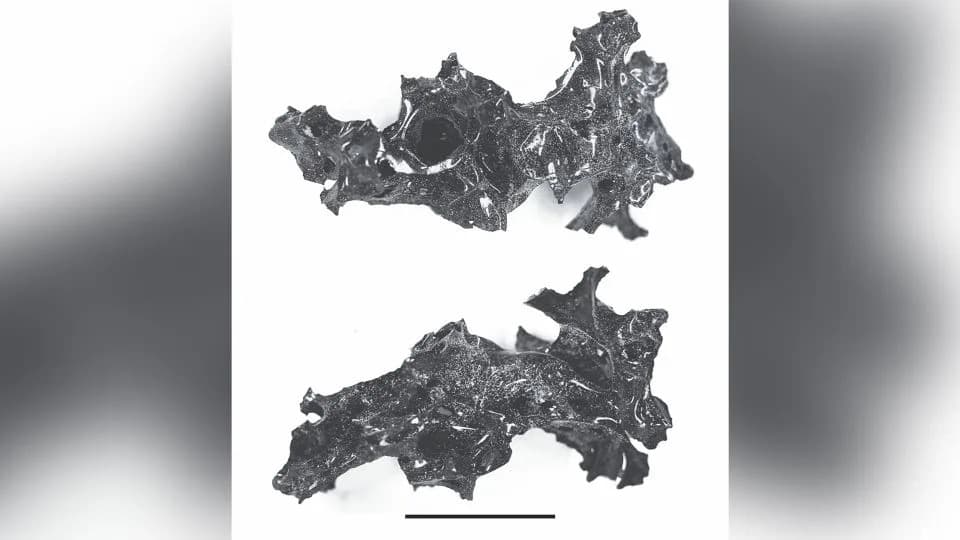
The researchers reanalyzed eight sanidine crystals (a K-rich volcanic mineral) from Vesuvius samples and compared their argon-argon ages with the historically inferred eruption date. Critical material came from unusually potassium-rich pumice collected near Oplontis in 1998 by co-author Andrea Marzoli; those samples were reprocessed decades later using upgraded lab instruments under the supervision of postdoctoral researcher Jack Carter in Paul Renne’s lab.
Key Results
The argon-argon measurements dated the eruption to 1,938 years before the 2025 measurement, ±13 years — compared with a historical age of 1,946 years based on Pliny’s dating. That corresponds to a measured precision of about 0.7% and an accuracy of about 0.4% relative to the historical age.
By narrowing the historical eruption window — graduate student Caroline Hasler constrained the commonly cited Aug. 24 date to within roughly two months after reassessing archaeological evidence such as a disputed coin — the team recalculated the effective half-life for potassium-40 (K-40) → argon-40. The new value is 12.044 billion years ±0.088 billion, nearly twice as precise as prior estimates derived from nuclear physics alone.
Why This Matters
Improved 40Ar/39Ar calibration tightens the geological clock, helping to establish causality between events (for example, linking eruptions to climate effects or other volcanic sequences). The revision also strengthens cross-checks with other dating methods, from radiocarbon ages for organic remains to uranium–lead dates for the oldest rocks.
More precise dating has practical implications for understanding the eruptive histories of volcanoes that threaten dense population centers, including Mexico City, Naples (Vesuvius), and Yogyakarta, Indonesia. The team also points out that argon-argon dating has previously been crucial in timing events such as meteor impacts, large igneous province eruptions in India, and the end-Cretaceous mass extinction.
Publication and Acknowledgments
The results were published in Science Advances. Study leader Paul Renne directs the Berkeley Geochronology Center. Key contributors include graduate students and postdoctoral researchers who revisited the 1998 Oplontis samples with modern instrumentation.
Bottom line: Using Pliny’s eyewitness record as a calibration anchor has significantly sharpened argon-argon dating, halving uncertainty for a fundamental decay constant and improving confidence in geologic timelines.
Help us improve.