Researchers used a global 993 C.E. radiocarbon spike, known as a Miyake event, to date three tree samples from L'Anse aux Meadows to 1021 C.E., supported by metal-tool cut marks. A 2026 review warns that individual trees can record radiocarbon differently, potentially blurring annual signals. The 1021 date is persuasive but not absolute; Vikings were in Newfoundland centuries before Columbus, though the exact year remains open to debate.
A 1,000-Year-Old Solar Surge and the Vikings: Why the 1021 Date May Not Be Final
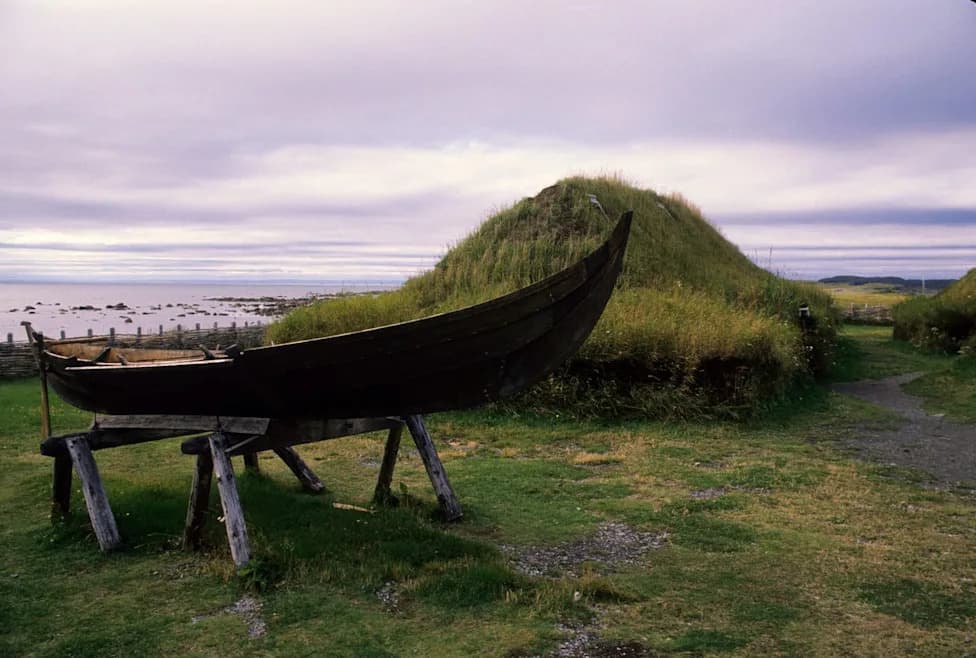
Cosmic Rays Could Solve a Major Viking MysteryWolfgang Kaehler - Getty Images
Researchers once celebrated a precise year for the earliest known European presence in North America: 1021 C.E. That date came from an ingenious use of tree rings and a global radiocarbon spike caused by a powerful cosmic-ray event in 993 C.E. But a new review urges caution, showing that individual trees can record radiocarbon differently and that the exact year may remain open to debate.
Background: L'Anse aux Meadows and the Vinland Sagas
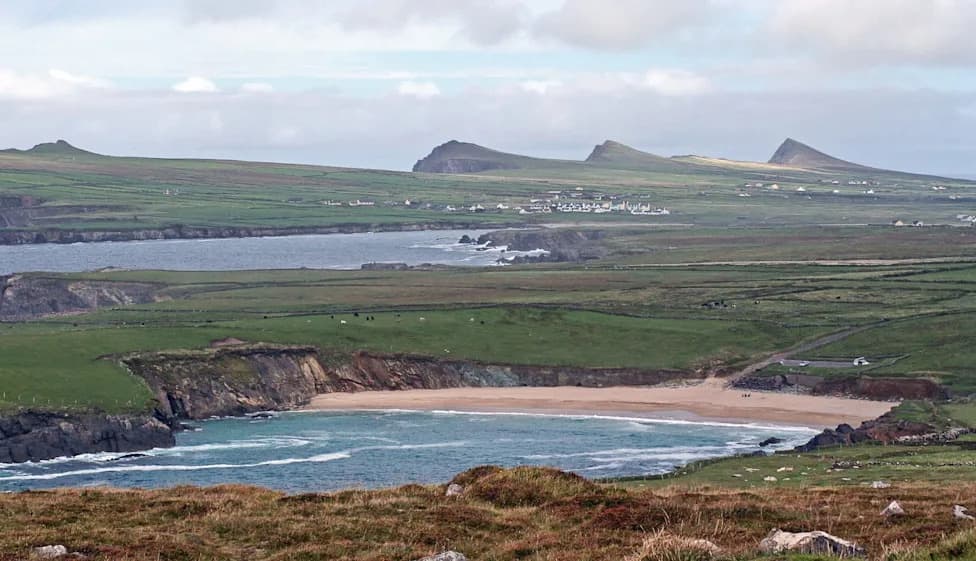
Norwegian archaeologists uncovered the timber-and-sod remains of L'Anse aux Meadows on Newfoundland's Great Northern Peninsula in 1960. The site, now a UNESCO World Heritage Site, provided the first confirmed archaeological evidence that Norse voyagers reached North America centuries before Columbus. Artifacts such as iron nails and bronze pins align with medieval Icelandic accounts, including the Saga of the Greenlanders and the Saga of Erik the Red, which describe voyages to the lands the Norse called Vinland.
How Cosmic Rays Leave a Timestamp in Trees
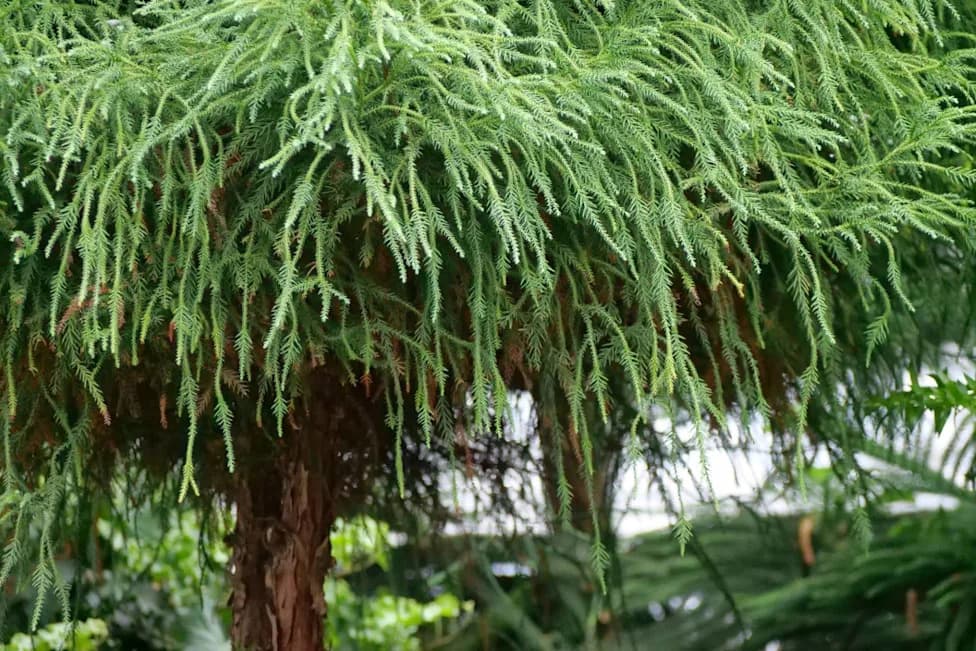
In 2012, researchers led by Fusa Miyake documented abrupt global increases in atmospheric radiocarbon produced by intense cosmic-ray or solar energetic particle events; these are now called Miyake events. One such event occurred in 993 C.E., producing a clear carbon-14 spike that was incorporated into the tree ring formed that year. Because that spike shows up in tree rings around the world, it can act as a natural timestamp: if a wood sample still retains its outermost ring, scientists can count forward from the 993 spike to determine the calendar year the tree was felled.
The 2021 Study That Gave Us 1021 C.E.
Re-examining well-preserved timbers from L'Anse aux Meadows, researchers identified three conifer samples with intact outer rings and cut marks consistent with metal axes. Using the 993 C.E. radiocarbon spike as a reference, all three samples were dated to 1021 C.E. The metal-cut marks strongly suggest the trees were felled by people with iron tools, supporting their attribution to Norse activity. The 2021 report argued this provided the earliest precisely dated evidence of European presence in the Americas.
Why a 2026 Review Urges Caution
In 2026, a review led by Amy E. Hessl and published in New Phytologist examined how reliably individual trees record abrupt radiocarbon changes. The authors found that, while many records show remarkable synchrony, significant sample-to-sample variability can occur. That variability can blur the annual signal and limit how precisely a single tree ring can indicate the exact timing and scale of a past 14C production event.
"Significant variability between samples remains, limiting reliable use of tree rings as a precise indicator of the timing and scale of past 14C production," the review concludes.
What This Means for the Viking Timeline
The 1021 C.E. date remains highly persuasive: multiple samples, intact outer rings, and metal-tool cut marks together form a strong case that Norse visitors were felling trees at L'Anse aux Meadows around that time. However, the new review highlights that tree-to-tree differences can affect precision, so a margin of uncertainty — perhaps a few years or a decade — should be acknowledged. In short, the Vikings were almost certainly in Newfoundland centuries before Columbus, but the exact calendar year of first landfall remains a lively subject for further study.
Next Steps
Researchers will likely re-examine existing samples, expand the dataset with more trees from different contexts, and refine methods that combine radiocarbon spikes with other archaeological and dendrochronological evidence. The debate shows how interdisciplinary science — archaeology, dendrochronology, and solar physics — can come together to sharpen our picture of the past while also revealing the limits of any single dating technique.
Help us improve.