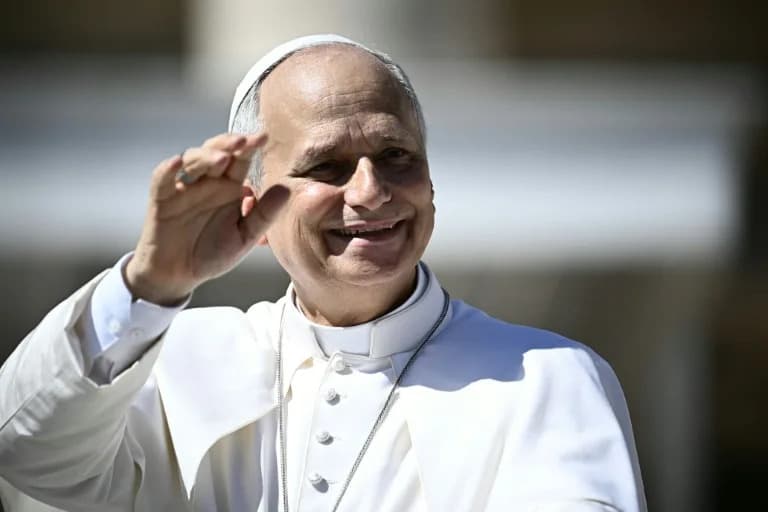
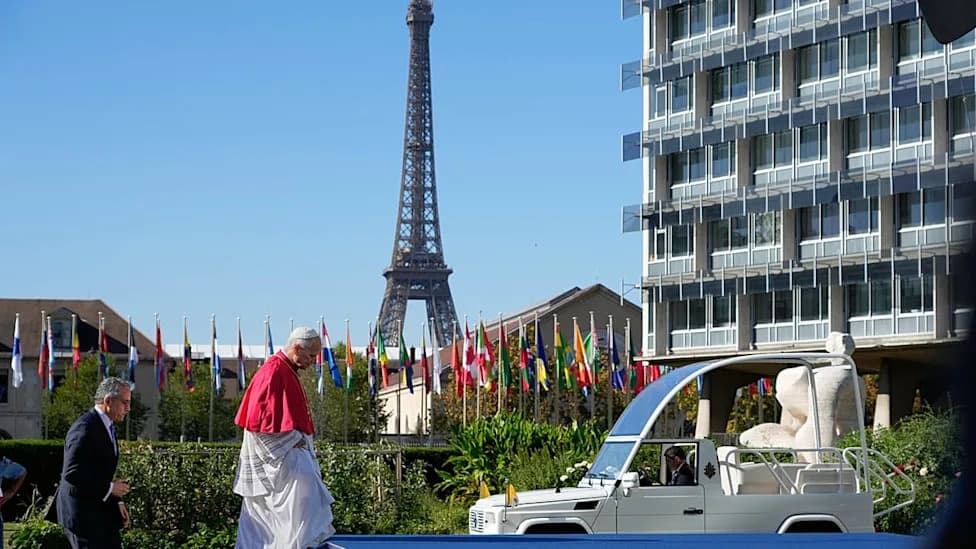
Pope Leo XIV used an address in Metz to urge Europe to defend multilateralism as a check against domination and rising global disorder. He warned of an "increasingly uncivilised" public life and criticised the "lies and deception" eroding trust between citizens and governments. Speaking in French with President Emmanuel Macron present, he condemned a new "pointless massacre" on European soil without naming the conflict and called for patient dialogue, courage in negotiations and commitment to the rule of law.
Pope Leo XIV Urges Europe to Defend Multilateralism as Global Order Frays
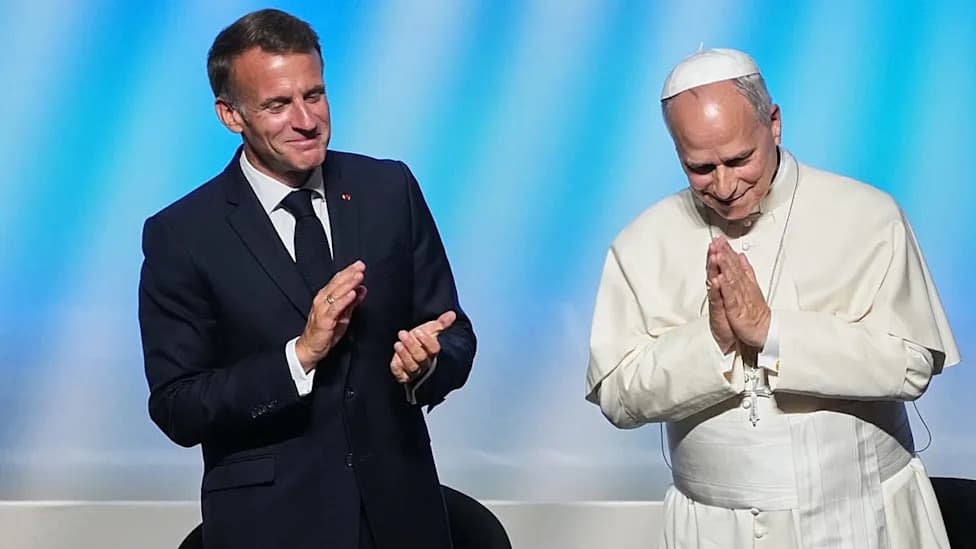
Pope Leo urges Europe to defend multilateralism as global order crumbles
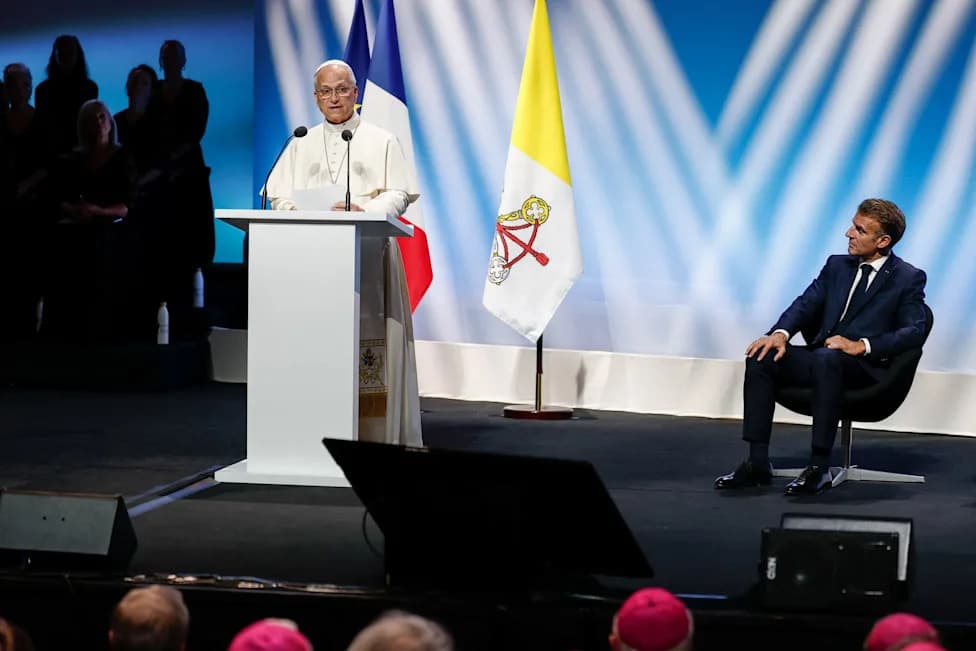
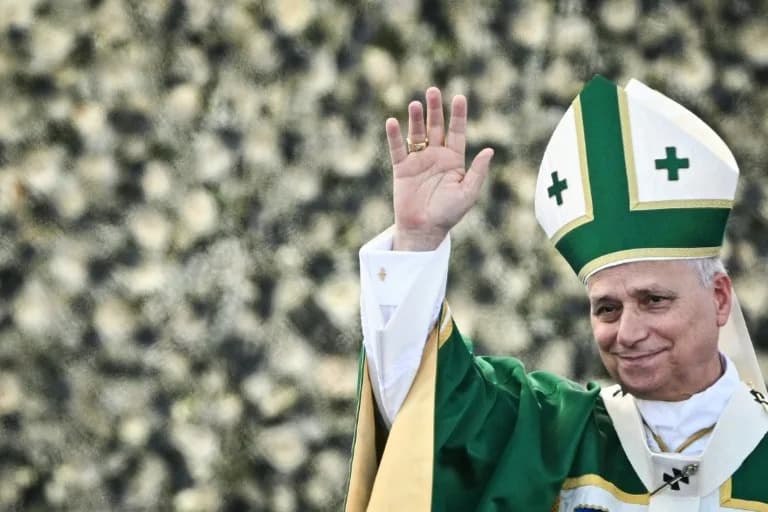
Pope Leo XIV used a solemn address in the French city of Metz to call on Europe to defend multilateralism as a bulwark against domination and rising global disorder. He warned of an "increasingly uncivilised" public life marked by conflict, hunger and eroding trust between citizens and governments, and criticised the "lies and deception" that he said are fuelling growing distrust.
Appeal For Dialogue And Rule Of Law
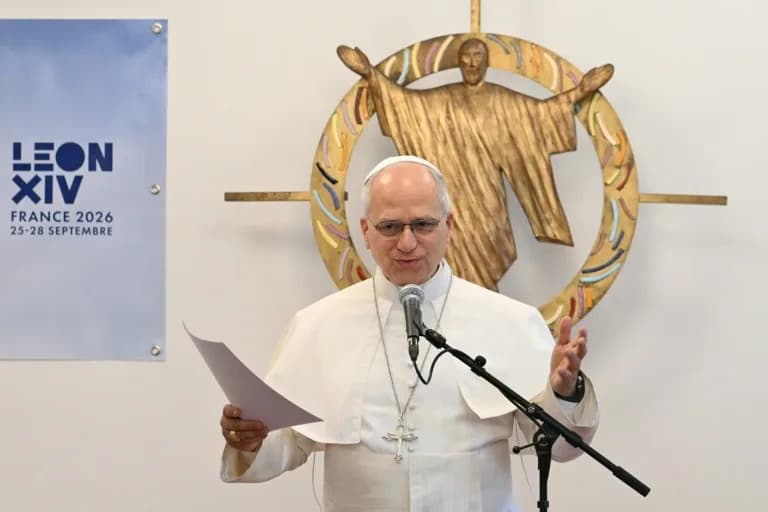
Speaking in French in Metz — the hometown of Robert Schuman, a founding figure of European reconciliation — the pontiff argued that Europe can interrupt this downward spiral by recommitting to the rule of law and to open, patient dialogue.
"Europe can break this cycle by upholding the principle of respect for others, which it has successfully cultivated and maintained, having demonstrably shown over the past eighty years that it is possible to express divergent opinions, demands, and interests through dialogue rather than confrontation," he said.
The Pope delivered his remarks in the presence of French President Emmanuel Macron, who was scheduled to attend a Mass with him later the same day. Although he did not explicitly name any country, Leo XIV condemned what he described as a new "pointless massacre" on European soil and urged patience, courage in negotiations and a willingness to compromise for the greater good of peace.
Culture, Memory And Europe’s Roots
Leo XIV also appealed to Europeans to remember the continent's Christian cultural and historical roots, saying Europe is more than a geographic space: it is a living cultural reality. He argued that European traditions can coexist with contemporary efforts to shape an inclusive future, and that the continent has prospered when it has drawn on the best aspects of its past while engaging creatively with others.
Why Metz?
Metz was chosen for its deep symbolic resonance. Located in Lorraine near the German border, the city is closely linked to Robert Schuman, who launched his political career there in the early 20th century. Metz's history — repeatedly contested between France and Germany and annexed by Nazi Germany in 1940 — also reflects the conflicts that shaped modern Europe, making it a powerful backdrop for a message of reconciliation.
The Élysée Palace said the programme aimed to highlight the "European and cross-border dimension" of Lorraine, a region at the crossroads of neighbouring countries with a shared and often painful history. EU leaders and the heads of European institutions were invited; only a small number accepted, with a handful of representatives from Monaco, Andorra and Luxembourg joining President Macron. The gathering included religious leaders from other faiths, among them France's chief rabbi Haïm Korsia and Chems-Eddine Hafiz, rector of the Grand Mosque of Paris.
In Metz, the Pope combined a moral appeal for multilateralism and the rule of law with a reminder that Europe’s future must be forged through respectful dialogue, historical memory and cross-border cooperation.
Help us improve.