Finland’s defence firm Patria assembled the country’s first F135 engine for the F-35 on September 3, marking a key step in domestic industrial participation in the international fighter programme. Helsinki has ordered 64 F-35A jets, with the first expected later this year, and will assemble engines at home through 2030 while providing long-term maintenance. The move strengthens Finland’s security of supply and bolsters NATO’s northern defences amid ongoing regional tensions and large national civil defence exercises.
Finland Assembles First F135 Engine, Boosting NATO’s Northern Defenses
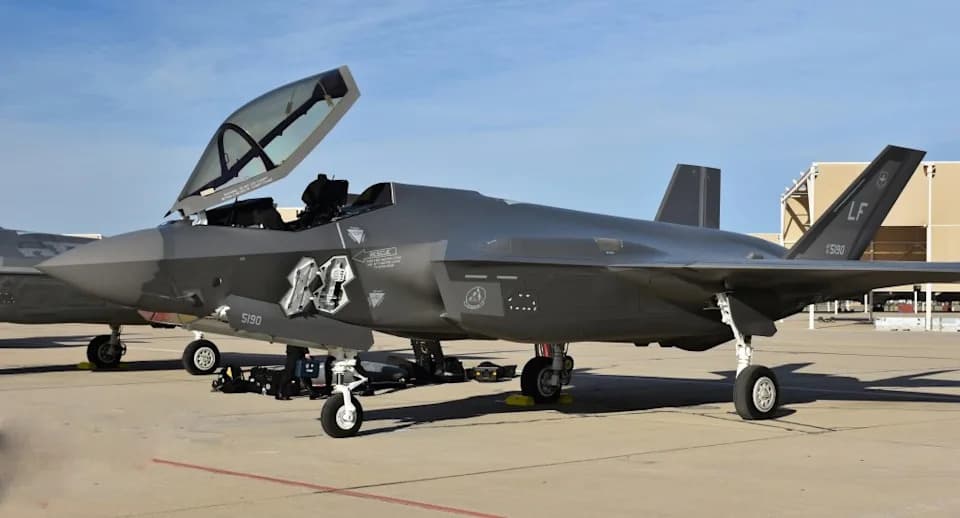
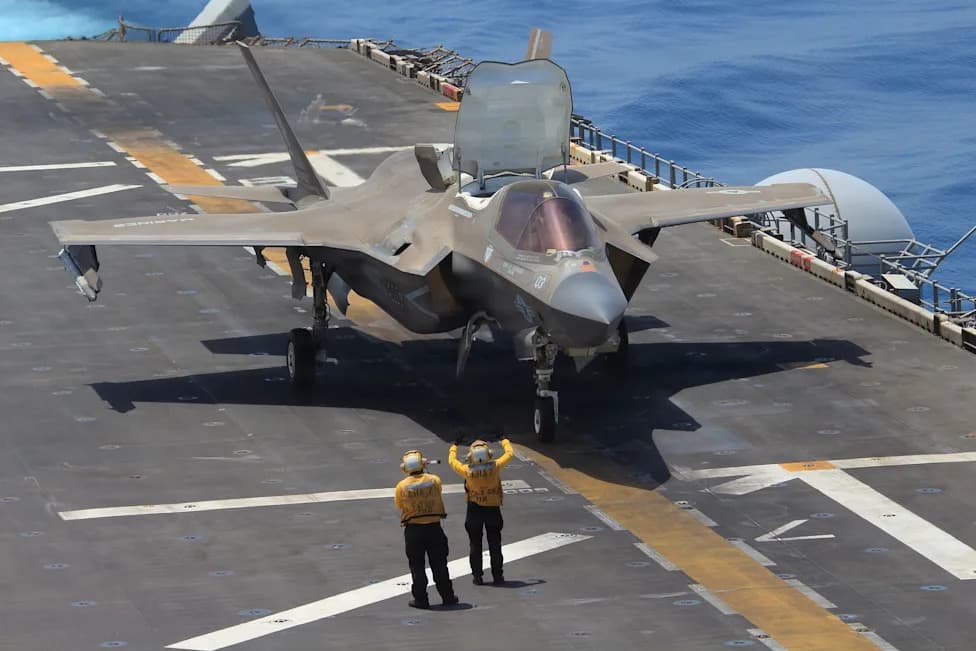
Yuma, USA – March 9, 2018: A U.S. Air Force F-35 Joint Strike Fighter (Lightning II) jet parked on the runway at Davis Monthan Air Force Base.
Finland’s defence company Patria completed assembly of the country’s first F135 engine for the F-35 fighter on September 3, a milestone that strengthens Helsinki’s role in the multinational F-35 programme and bolsters NATO’s northern flank.
Domestic production and sustainment
Patria said the newly completed F135 engine is the first in a planned series to be assembled in Finland. The company expects to continue assembling engines domestically through 2030 and will provide maintenance and overhaul services for Finland’s F-35 fleet over its lifecycle. Patria also manufactures forward fuselages and other components as part of the international industrial participation in the F-35 supply chain.
Aircraft procurement and timeline
Finland has ordered 64 F-35A aircraft from U.S. defence contractor Lockheed Martin. Finnish authorities expect the first jets to arrive later this year as the country begins to phase out its ageing F/A-18 Hornets and bring the F-35 into operational service with the Finnish Air Force.
Strategic and industrial significance
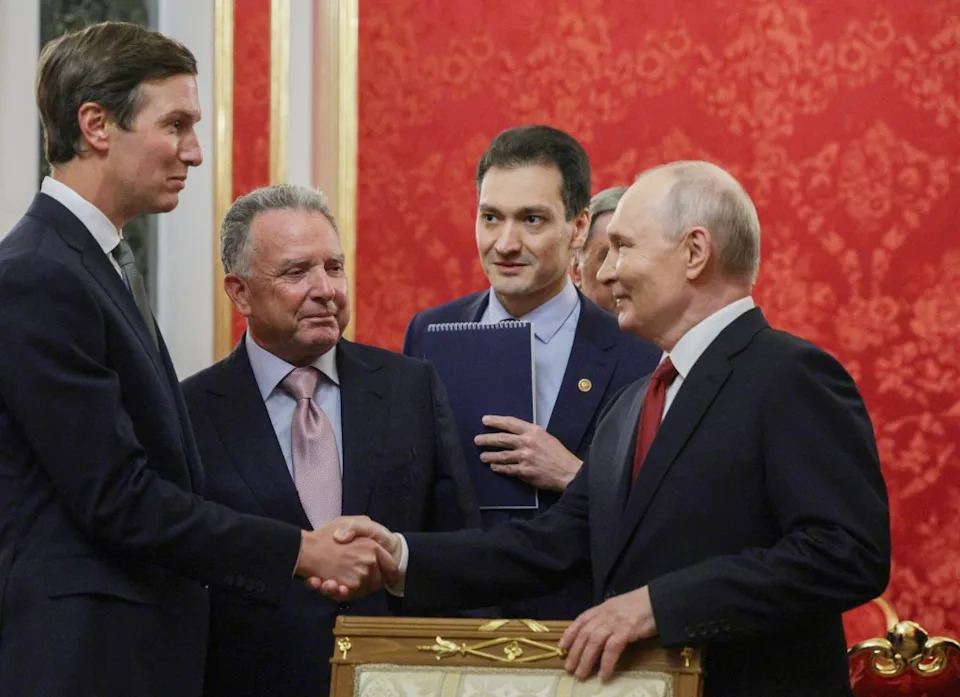
In this pool photograph distributed by the Russian state agency Sputnik, Russia's President Vladimir Putin (R) welcomes US special envoy Steve Witkoff (2nd L) and US President Donald Trump's son-in-law Jared Kushner (L) prior to their talks in Moscow on September 5, 2026.
Building domestic production and sustainment capacity is intended to strengthen Finland’s security of supply and give the country greater control over support for its new fighter fleet. The arrival of advanced fifth-generation fighters and local industrial capability enhances NATO’s posture in the region: Finland shares more than 800 miles of land border with Russia and occupies a key position along the alliance’s northern flank.
Civil preparedness and exercises
The military upgrades come alongside a push to boost civilian resilience. More than 2,000 people took part in a major civil defence exercise in Kuopio, which Finnish officials described as Europe’s largest civil defence drill in decades. The scenario included simulated cyberattacks, disruptions to critical infrastructure and threats of missile strikes. Participants practised responses to power and water outages and procedures for moving people into underground shelters.
Geopolitical context
The steps to expand Finland’s military and industrial capability follow the country’s NATO accession in 2023 and come amid continued fighting in Ukraine. Recent diplomatic meetings in Moscow between Russian officials and U.S. envoys did not produce a major breakthrough, underscoring the persistence of regional tensions and the continued need for vigilance among NATO members bordering Russia.
What this means
Finland’s domestic engine assembly and wider industrial participation in the F-35 programme improve the country’s operational independence and long-term sustainment of its fighter fleet, while contributing to NATO’s overall deterrence and defence posture in Northern Europe.
Help us improve.