An AI-assisted intelligence analysis this spring misidentified cargo on a Chinese-flagged vessel and nearly prompted U.S. forces to board the ship, CNN reports. A special operations analyst used a chatbot to interpret the manifest and then used AI to format the findings into a formal intelligence product, which proved incorrect. The incident exposes gaps in Pentagon governance as AI is rolled out across the Defense Department and highlights the danger of faster AI-enabled intelligence reducing opportunities for skeptical review. Experts call for unified testing, clear human-in-the-loop standards, and stronger oversight.
AI Error Nearly Sparked U.S.–China Military Confrontation Over Chinese Ship

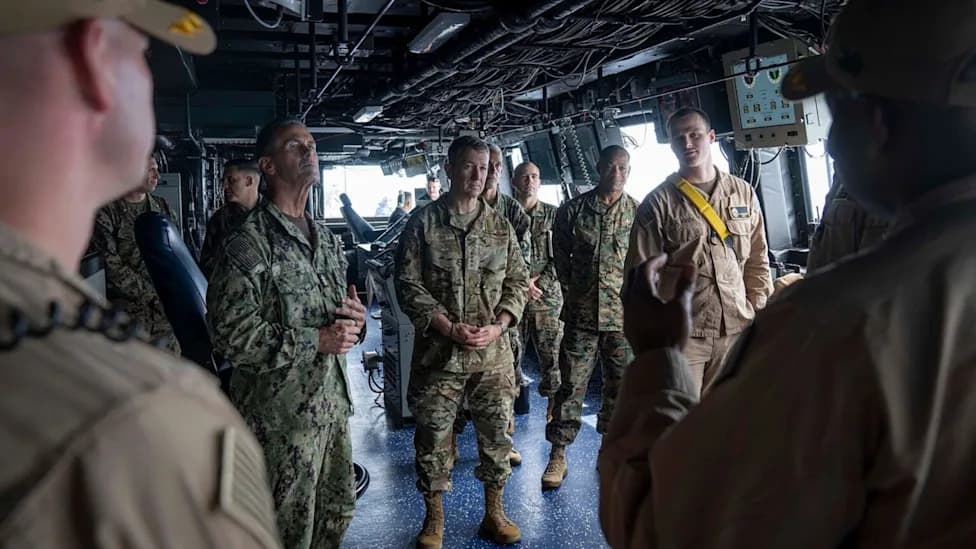
Andrew Harnik / Getty Images
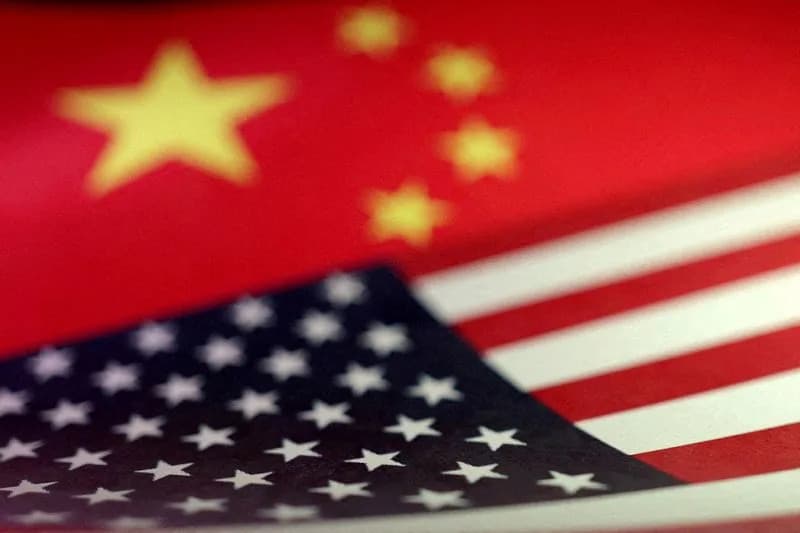
An intelligence report produced this spring with the aid of an artificial intelligence chatbot nearly prompted a U.S. military confrontation with China, according to an exclusive CNN investigation by Katie Bo Lillis and Zachary Cohen.
What Happened
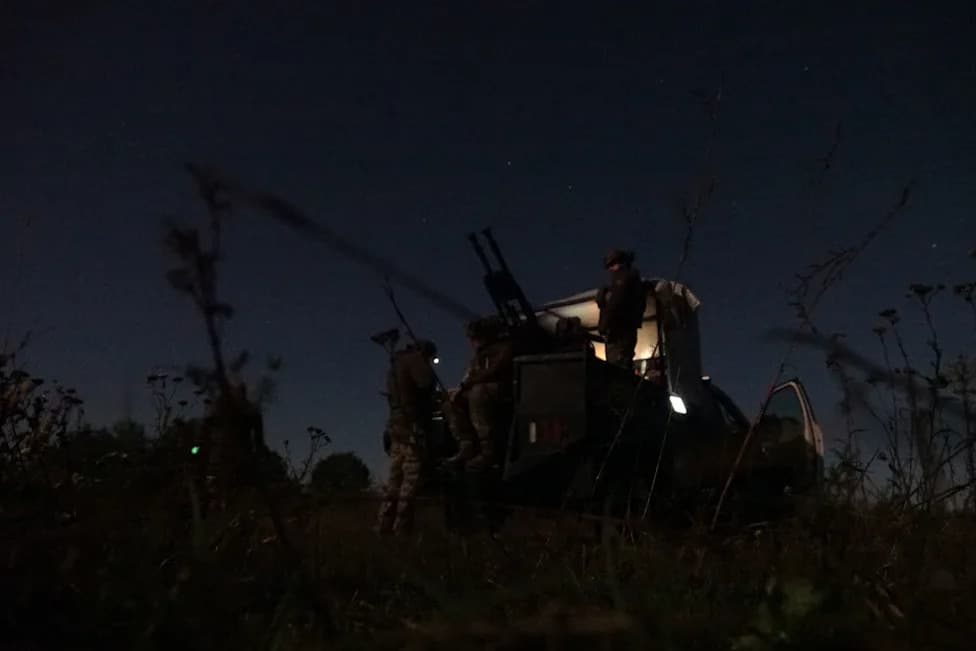
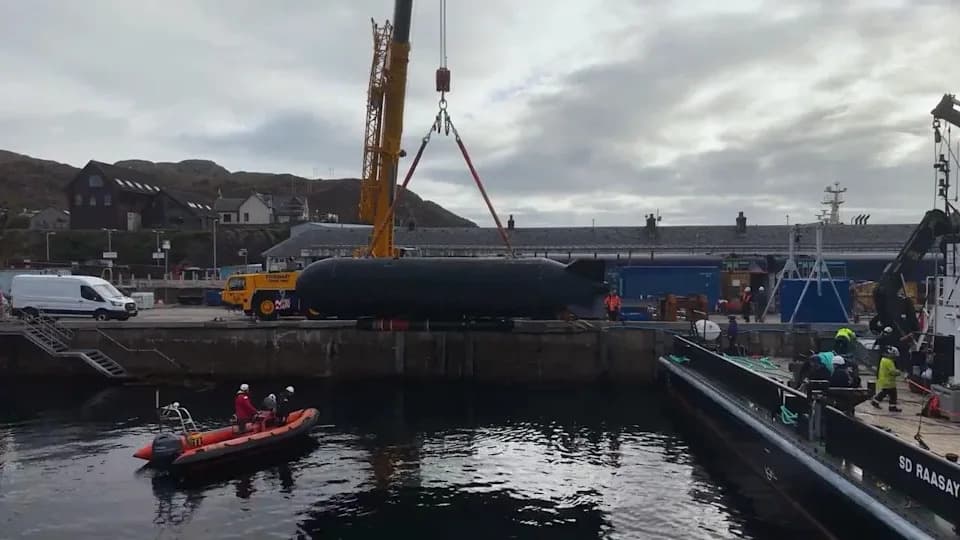
During heightened U.S. operations related to Iran, a circulated report claimed that a Chinese-flagged vessel transiting the Middle East was carrying parts linked to a nuclear weapons program. The communique prompted preparations for an operation: sources told CNN that armed U.S. personnel were preparing to board the ship and military aircraft had launched. The alarm only subsided when officials reviewed the underlying intelligence and found that a special operations analyst had used a chatbot to interpret the ship's manifest — and the chatbot had misidentified the cargo.
The analyst then used AI again to draft the findings into the format of a conventional intelligence product. One source described the resulting report as "entirely false" and said it "almost started a war." Precise details about the ship's actual cargo remain unclear, and it is not publicly known whether the chatbot was a commercial model or a government-developed system. CNN reported the tool drew on open-source material and classified signals intelligence before reaching its erroneous conclusion.
Why This Matters
This episode is not merely an isolated chatbot error. It demonstrates how AI-generated analysis can enter a trusted intelligence workflow, be incorporated into formal products, and reach people positioned to make operational decisions. The result can be a rapid escalation of risk even without any autonomous weapon system deciding to act.
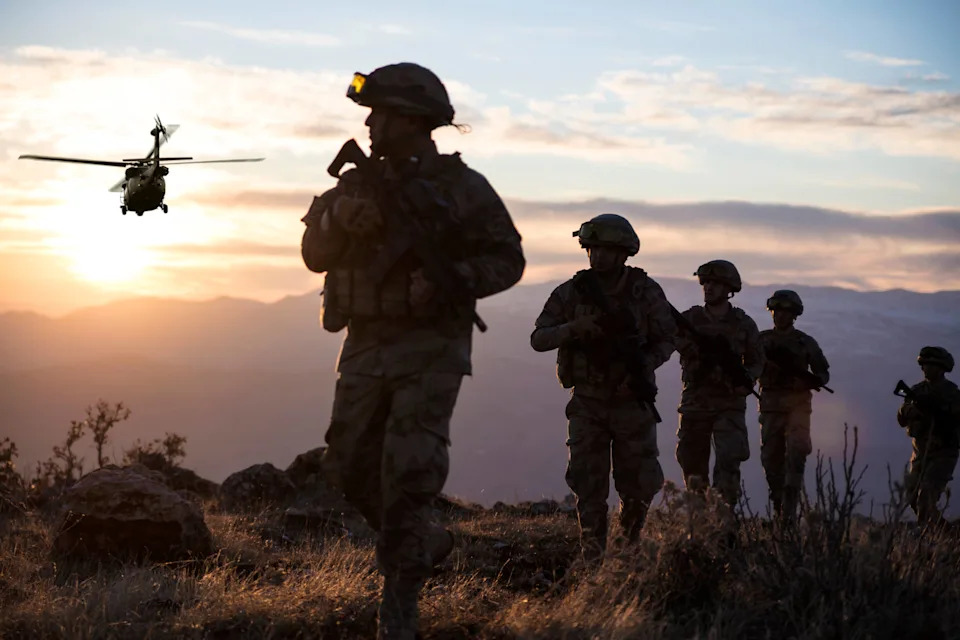
guvendemir / Getty Images
Policy and Oversight Concerns
The incident arrives as the Pentagon accelerates AI adoption. In January, Defense Secretary Pete Hegseth announced an Artificial Intelligence Acceleration Strategy intended to expand AI across military missions, intelligence work, and administrative functions. The strategy aims to roll AI out across millions of Defense Department personnel and multiple classification levels to sharpen battlefield decision-making and avoid falling behind rival militaries.
But CNN's sources describe a critical weakness beneath that ambition: there is no single, consistent system across the military for selecting, testing, and validating AI tools. Different units can use different AI systems under varying policies and safety rules, creating a significant operational risk because AI outputs can appear authoritative even when the underlying logic is flawed. As one former senior U.S. official put it, "The internal tools are mostly just copies of the commercial stuff wearing lipstick."
Operational Risks
The most immediate danger is not a machine independently choosing to start a war, but humans accepting a flawed AI conclusion and acting on it. Sources told CNN that AI use is increasing in targeting operations while guidance on how a "human in the loop" should actually prevent mistakes remains inadequate. Faster intelligence and pressure to produce results can reduce opportunities for skeptical review; as one source warned, "AI allows you to get to a bad idea faster."
Takeaways And Recommendations
- Machine-assisted analysis can enter trusted pipelines and influence life-or-death decisions; provenance and verification are essential.
- The Defense Department needs unified testing, validation standards, and audit trails before AI tools are used in operational intelligence roles.
- Clear human-in-the-loop procedures, mandatory provenance metadata, regular audits, and analyst training are critical to prevent near-misses from becoming crises.
While the immediate crisis was averted, the episode underscores the urgent need for stronger governance, verification, and oversight as the military integrates AI into mission-critical workflows.
Help us improve.