At the U.N. General Assembly, Finnish President Alexander Stubb credited diplomatic efforts tied to Donald Trump with advancing talks aimed at ending the war in Ukraine, while saying Finland sees no factual basis for a direct Russian attack. He highlighted Finland's deterrence — conscription, a 280,000 wartime mobilization capacity, new F-35 fighters and widespread civilian shelters — and warned of a broader Russian hybrid campaign across Europe. Stubb called for sustained support for Kyiv, urged expanded Starlink coverage to help target missile launchers, and stressed that multiple global conflicts are increasingly interconnected.
Stubb Praises Trump’s Push for Ukraine Talks, Says Finland Sees No Factual Basis for Direct Russian Attack
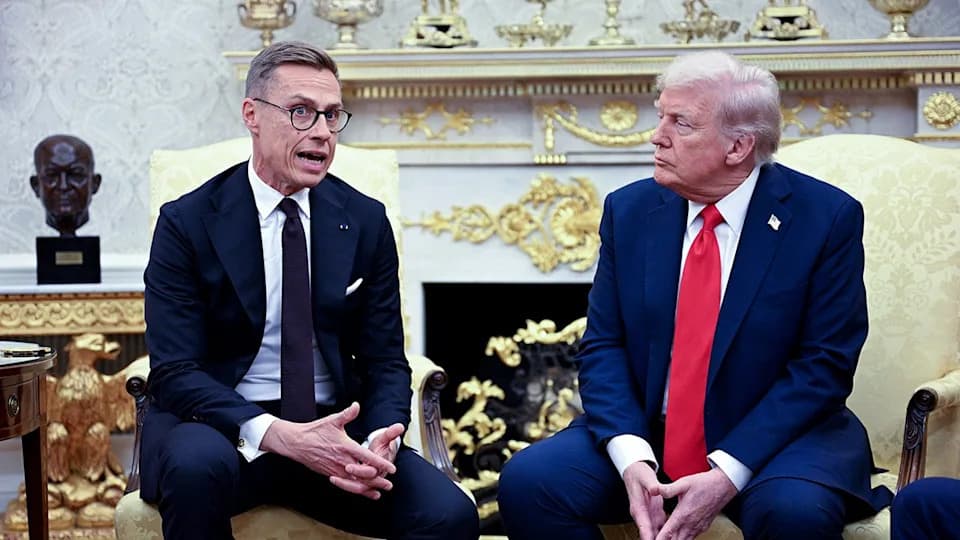
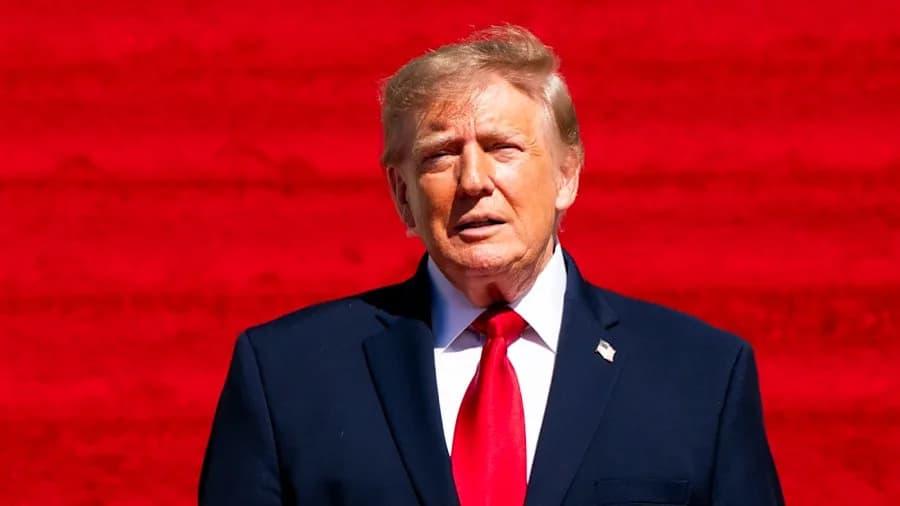
US President Donald Trump meets with Finnish President Alexander Stubb in the Oval Office of the White House in Washington, DC, on October 9, 2025. (Photo by Jim WATSON / AFP) (Photo by JIM WATSON/AFP via Getty Images)
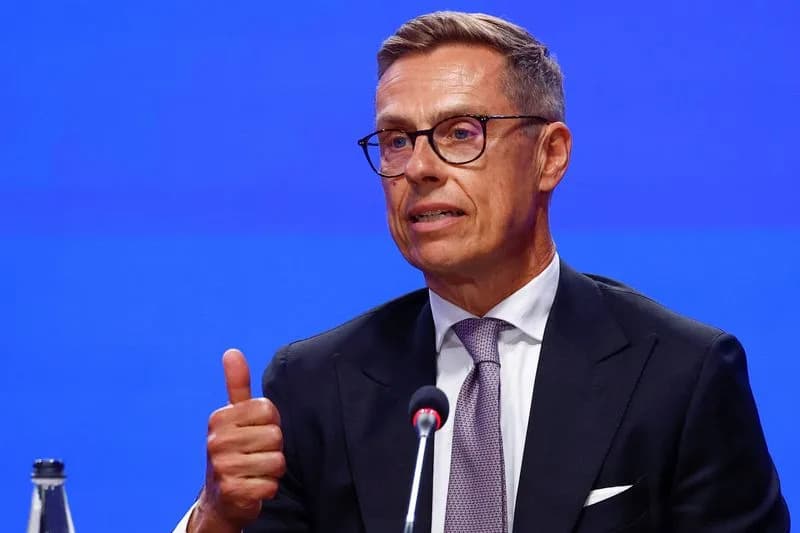
UNITED NATIONS — Finnish President Alexander Stubb struck a measured tone at the U.N. General Assembly in New York, praising intensified diplomatic efforts — including those associated with Donald Trump — to advance negotiations aimed at ending the war in Ukraine, while saying there is no current factual basis to expect a direct Russian attack on Finland.
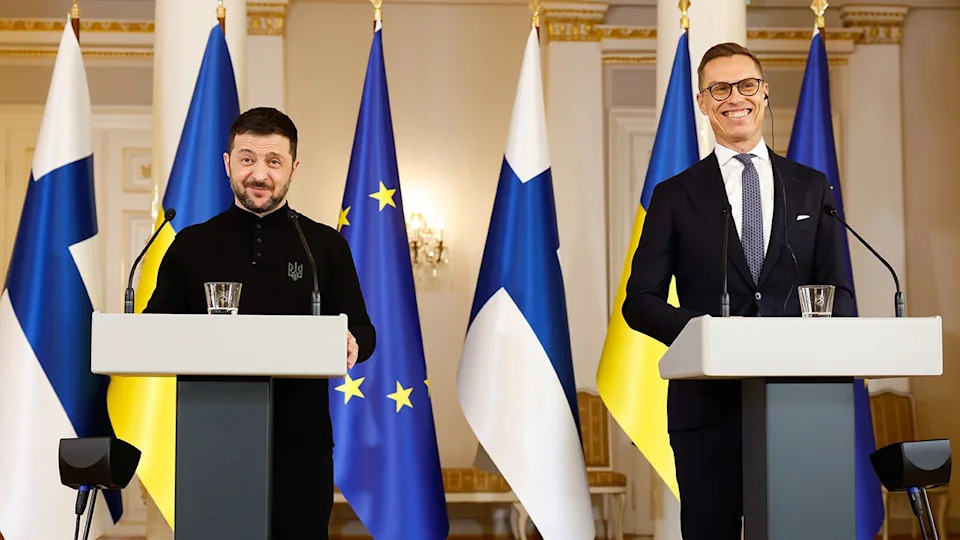
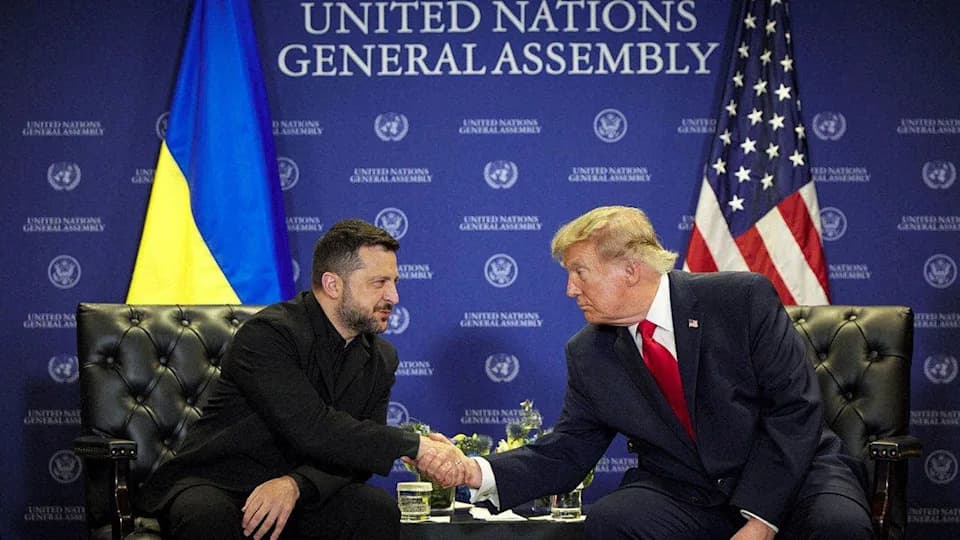
Volodymyr Zelenskyy, Ukraine's president, left, and Alexander Stubb, Finland's president, right, during a news conference in Helsinki, Finland, on Wednesday, March 19, 2025.
Stubb told Fox News Digital on the sidelines of the General Assembly that he believes recent diplomatic momentum has improved prospects for a negotiated solution. In his words:
“I think we're certainly in a better place than we were before President Trump started. He's doubled down in the past year and a half to try to find a solution for peace with negotiators such as Steve Witkoff, Jared Kushner and many others.”
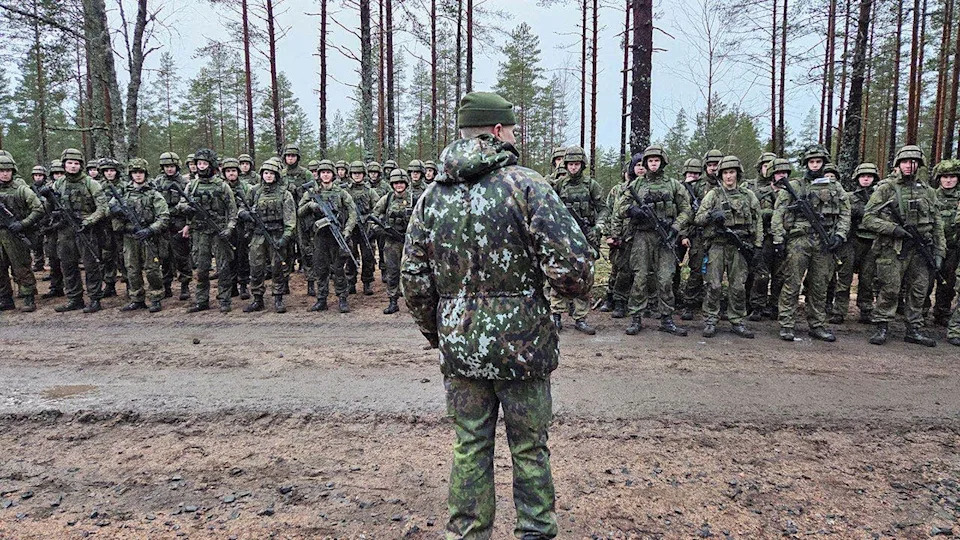
Commander of the Finnish Army Lieutenant General Pasi Valimaki addresses Finnish conscript soldiers after a military exercise at Pori Brigade in Niinisalo, Finland, Dec. 9, 2025.
While Ukrainian President Volodymyr Zelenskyy warned that Russia might expand its campaign beyond Ukraine — citing threats from drones, missiles and possible ground incursions against countries bordering Russia or Belarus — Stubb, who serves as Finland's commander-in-chief and reviews classified security assessments, said he does not see evidence that Moscow plans a direct attack on Finland.

The Niirala border crossing point is seen along Finland's eastern border with Russia in Oct. 2022 after the Finnish government announced tightening of several border crossings amid concerns over migrant crossings. (Brooke Curto/Fox News Digital)
Preparedness and Deterrence
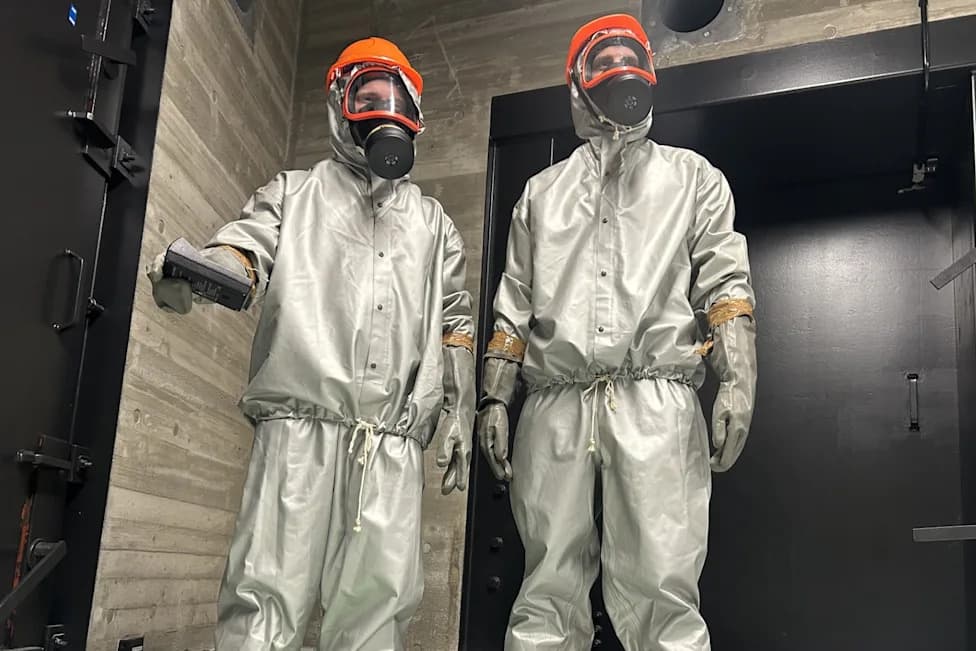
Stubb emphasized that Finland's confidence stems from long-term preparedness. He described mandatory national service, a large reserve force, extensive artillery and long-range capabilities, robust civil-defense shelters and other deterrent measures. The Finnish Defence Forces estimate wartime strength at roughly 280,000 personnel, with additional reservists available if necessary.
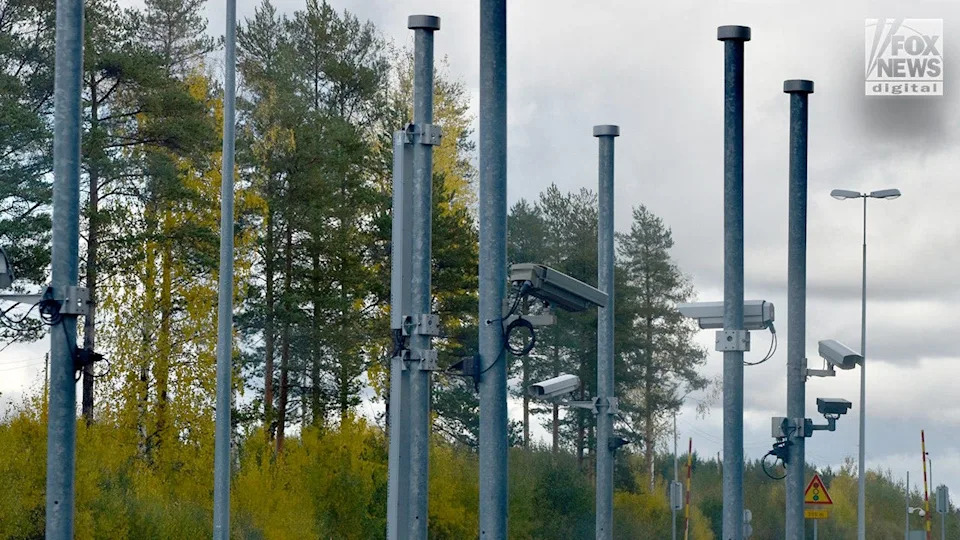
Security cameras overlook the Niirala Border Crossing Station along Finland's eastern border with Russia in Nov. 2023 after Finland closed the checkpoint amid heightened border security concerns.
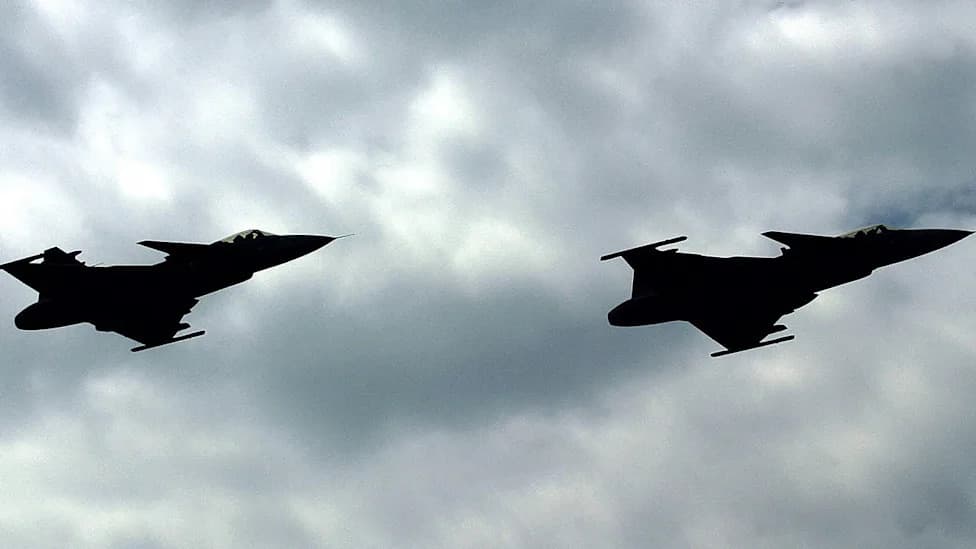
Finland recently agreed to acquire 64 F-35A fighters to replace its F/A-18 Hornets, and the first two jets destined for operations in Finland have already arrived at the Lapland Air Wing in Rovaniemi. Stubb highlighted Finland's combination of military readiness and NATO membership — Finland joined the alliance in April 2023 — as key elements that reduce the likelihood of a direct attack.
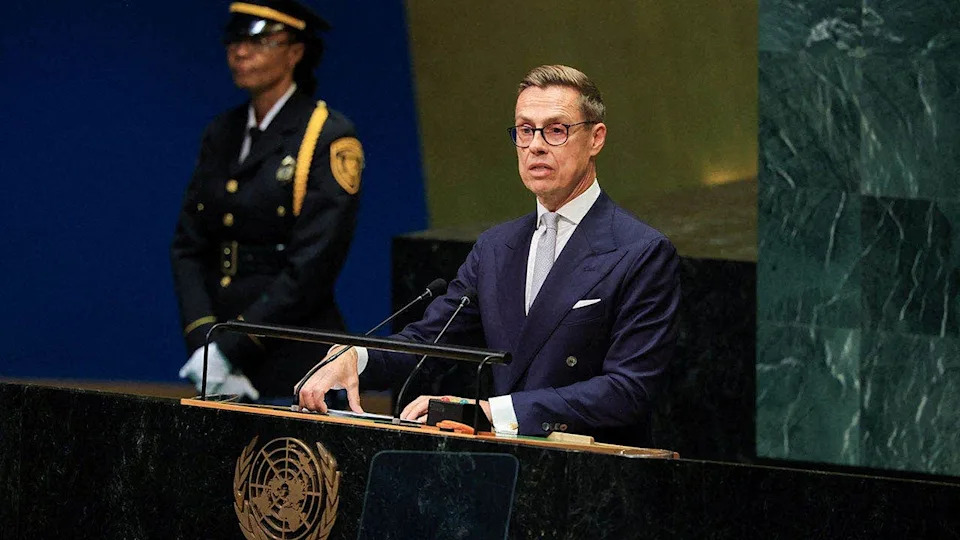
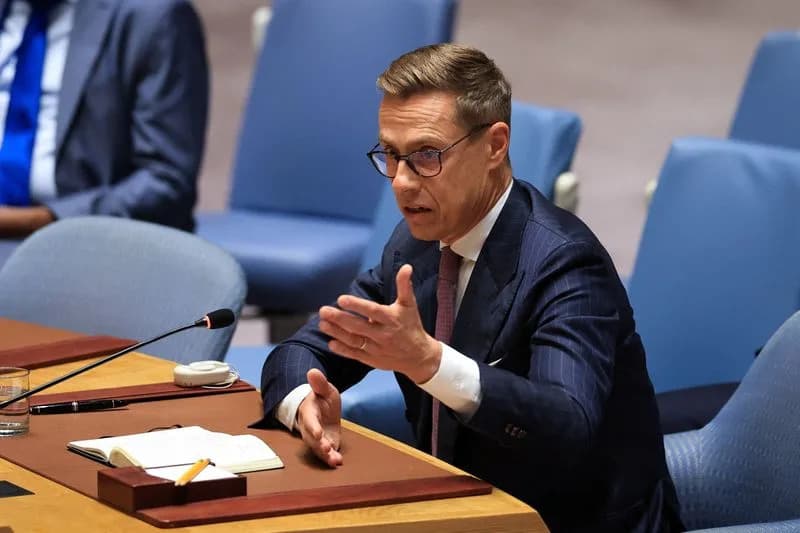
Finland's President Alexander Stubb addresses the 81st United Nations General Assembly at UN headquarters in New York City, US, September 22, 2026.
Hybrid Threats and Regional Security
Stubb drew a distinction between Russia's kinetic war in Ukraine and a broader hybrid campaign aimed at Europe, pointing to cyberattacks, sabotage and incidents such as damage to undersea cables in the Baltic Sea. “We have to see this as a campaign,” he said. “Russia tries to intimidate Europe, scare us and get into our heads.” His practical advice was characteristically Finnish: “cool, calm and collected, take a sauna and a nice bath and deal with it.”
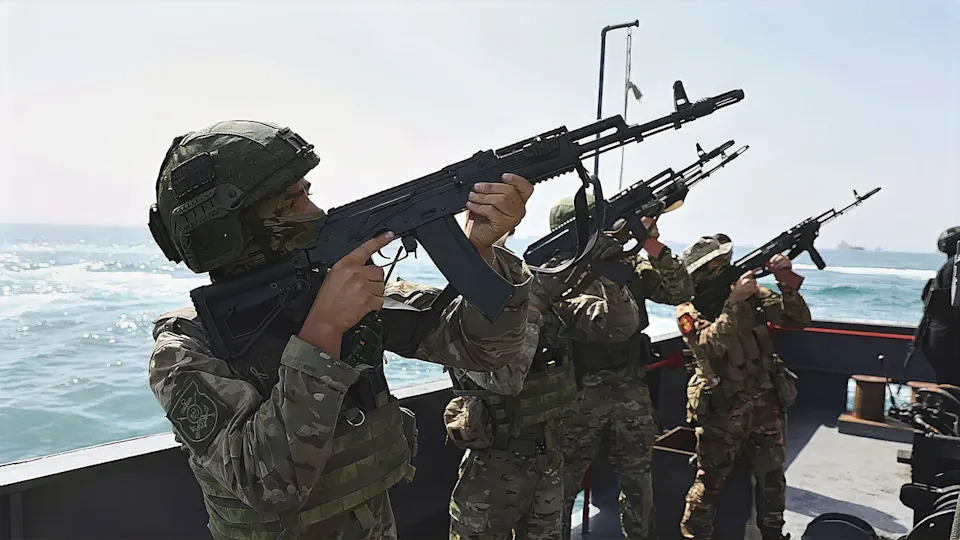
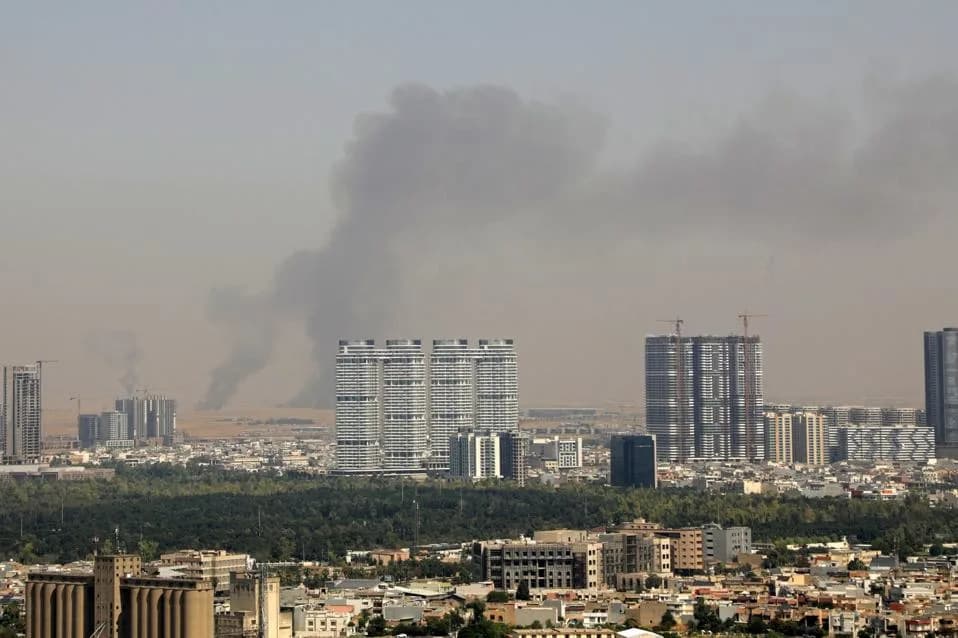
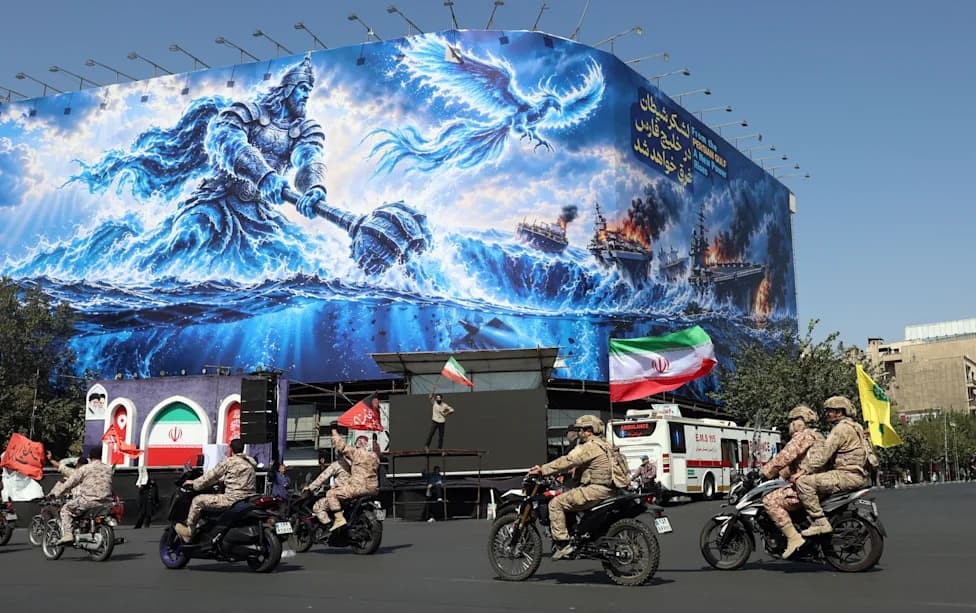
Iran conducts joint military exercises with Russia in the Strait of Hormuz after the U.S. deployed surveillance drones.
He also noted that Finland's deterrent posture includes land mines and one of the largest artillery complements in Europe alongside Poland, and that civil shelters cover the majority of the population.
Diplomacy, Linked Conflicts and Starlink
Stubb used his U.N. address to call for sustained support for Ukraine and praised the informal “Coalition of the Willing” working toward a just and lasting peace in line with the U.N. Charter. During UNGA week he urged SpaceX owner Elon Musk to extend Starlink coverage to enable Ukrainian forces to better monitor and target missile launchers — including launchers operating inside Russia — arguing that such coverage could help protect Ukrainian cities.
Stubb also warned that conflicts are increasingly interconnected, alleging links between Moscow and Tehran that, he said, have allowed intelligence and weapons to flow between actors and theaters. “We're going in this merry-go-round where every bit of the conflict is linked to another,” he said, urging that the sooner the linked conflicts can be ended, the better.
On nuclear proliferation, Stubb echoed calls at the U.N. to prevent Iran from acquiring nuclear weapons, saying Tehran should not be allowed to obtain such capabilities or to arm proxies unchallenged.
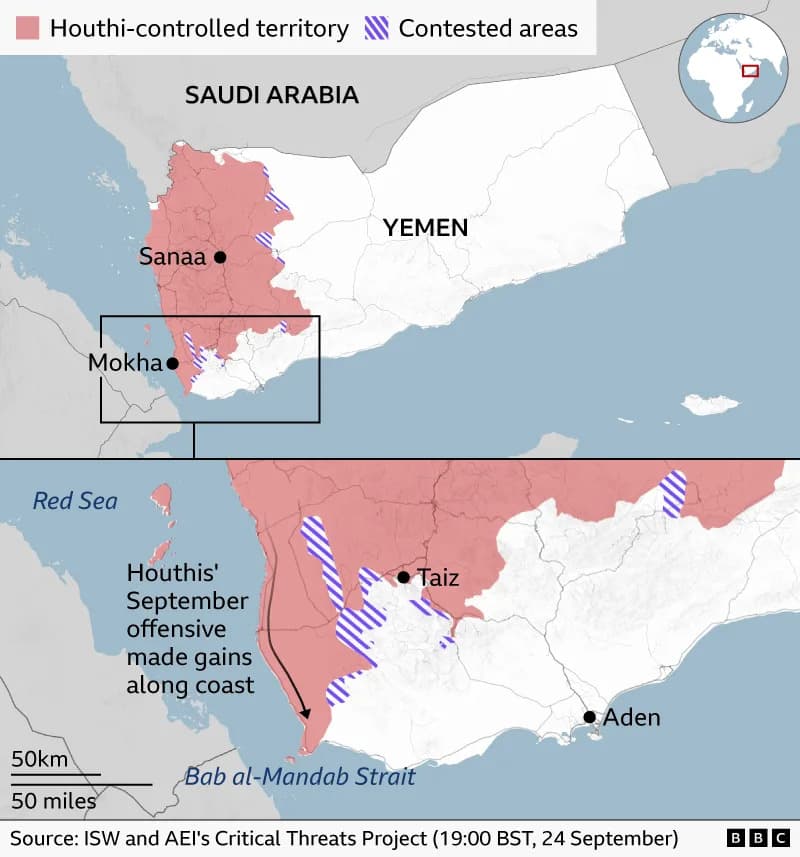
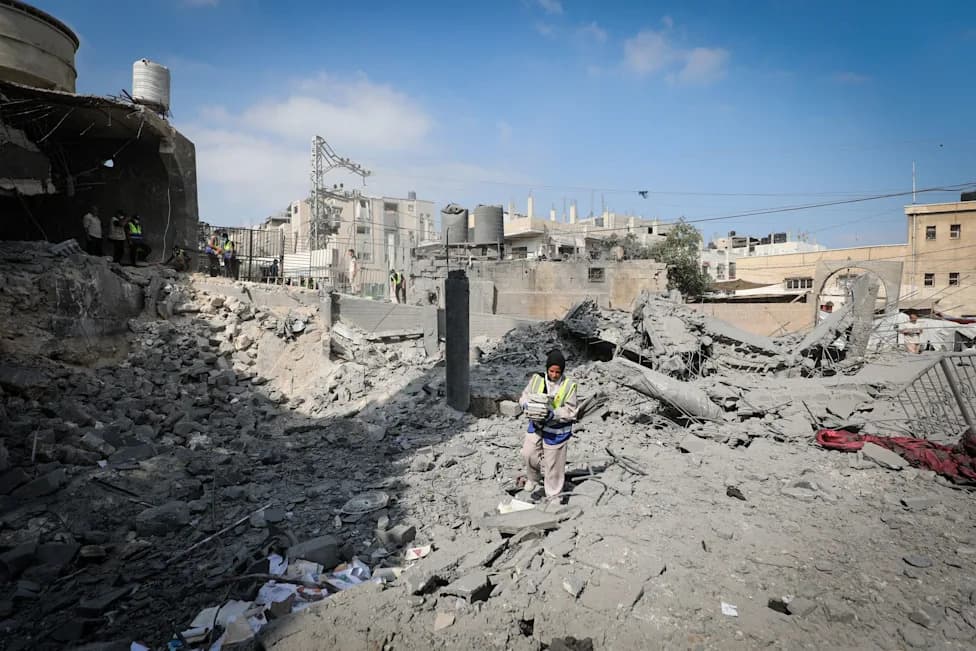
Stubb concluded that the current global security environment requires sustained, around-the-clock diplomatic work to address multiple simultaneous crises — from Ukraine and Iran to Gaza, Yemen and Sudan — rather than treating each conflict in isolation.
Help us improve.