Ethiopia has scaled up domestic drone production with two factories — SkyWin and Aeroabay — now manufacturing a range of unmanned systems from larger strike-capable UAVs to small FPV quadcopters. The federal army is the sole military operator and has used drones in Tigray, Amhara and Oromia, while analysts warn many components are likely imported. Humanitarian groups report civilian casualties linked to strikes, and experts say drones may both extend low-intensity campaigns and reduce the need for costly ground offensives.
Ethiopia Ramps Up Domestic Drone Production, Gaining Military Reach Amid Civilian Harm Concerns
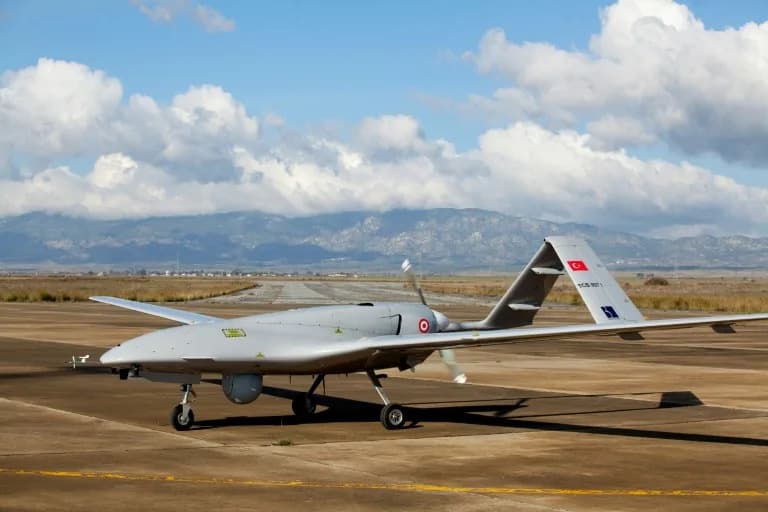
A Turkish Bayraktar TB2 drone, which Ethiopia is known to have bought to help battle insurgents (Birol BEBEK)
Ethiopia has rapidly expanded domestic drone manufacturing, a development that analysts say is giving the federal government a new operational advantage while raising questions about oversight, sourcing and civilian safety.
Production Expansion and Factories
The government has been manufacturing drones at two domestic factories since the previous year and expanded production during 2025. In March 2025 Prime Minister Abiy Ahmed inaugurated SkyWin Aeronautics Industries in Addis Ababa, which the state news agency described as producing "unmanned aerial vehicles for both civilian and military use" and as being "designed and built by our own young professionals." A second facility, Aeroabay, opened in late 2025 and reportedly produces large numbers of small, weaponised drones.
Platforms, Sourcing and Capabilities
Analysts note Ethiopia operates a mix of imported and domestically produced systems. The country has bought high-end Turkish systems such as the Akinci and Bayraktar TB2, Chinese Wing Loong drones and Iran's Mohajer-6. The locally displayed model at SkyWin, marked "SW01," has been described by defence specialists as resembling a commercially available Chinese design.
"One hall with some shiny drones tells us little about what the real production capabilities are, and where the technology, key components or possibly complete kits come from," said Pieter Wezeman of the Stockholm International Peace Research Institute. "My assessment would be that a substantial part of all that is imported."
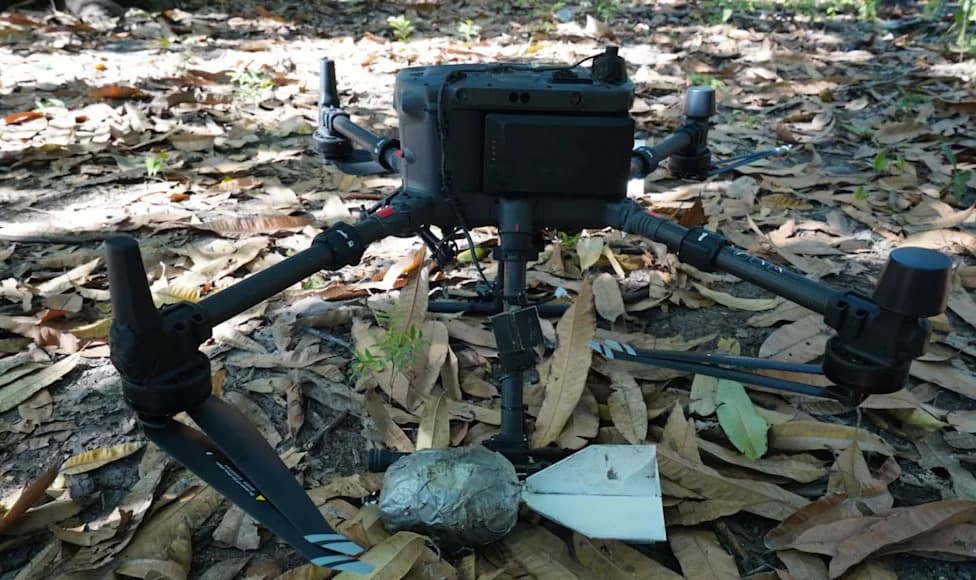
Reports indicate Aeroabay is manufacturing thousands of small FPV (First-Person View) quadcopters priced at roughly $5,000 to $10,000 each. These craft are used for close reconnaissance and can be fitted with explosive payloads; some models reportedly use fibre-optic control links to reduce vulnerability to electronic jamming. Larger, remotely piloted systems in the federal inventory can deliver glide bombs or missiles and support artillery by locating and designating targets.
Operational Use and Humanitarian Concerns
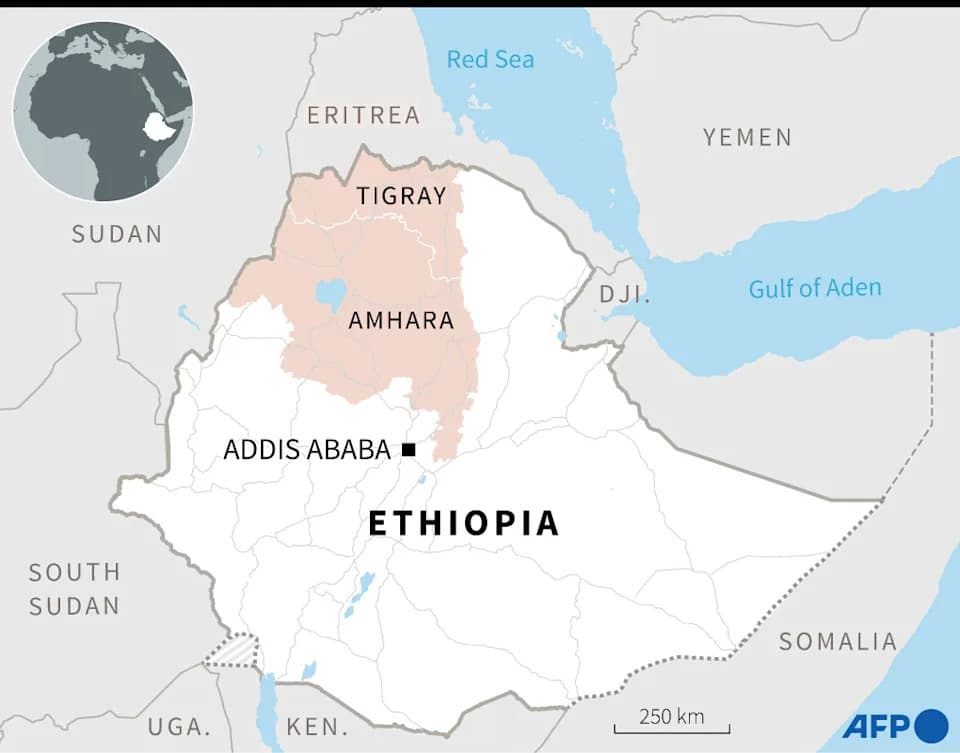
Only the federal army operates military drones in Ethiopia’s roughly 130 million population. Authorities have used them repeatedly against insurgent groups in regions including Tigray, Amhara and Oromia. The conflict-monitoring group ACLED records 102 drone strikes in the northern Amhara region since the Fano militia insurgency began in April 2023. There have also been at least 14 recorded strikes in Tigray this year, seven of them in August.
"Drones have been blamed for the deaths of civilians on various occasions," said Magnus Taylor of the International Crisis Group, reflecting concerns among humanitarian monitors and rights groups about civilian harm and damage to infrastructure.
Officials and analysts offer differing interpretations of intent. Some view strikes on weapons caches and logistics routes as preparatory steps for a potential offensive; others suggest the government may be using aerial strikes to avoid costly ground campaigns. Amanuel Assefa, vice president of the Tigray People's Liberation Front, accused federal forces of using drones "to create terror among the people" and to target civilian infrastructure and officials.
Outlook and Unknowns
Significant gaps remain about the scale and self-sufficiency of Ethiopia’s drone industry: foreign journalists have been denied access to the production sites, and experts caution many components are likely sourced from abroad. Observers warn that wider availability of cheap, weaponised drones could prolong conflicts by enabling persistent attrition campaigns with reduced risk to government ground forces, while increasing the threat to civilians and critical infrastructure.
Key experts quoted: Pieter Wezeman (SIPRI), Jeremy Binnie (Janes), Wim Zwijnenburg (PAX), Magnus Taylor (ICG), Edward Bach (Verisk Maplecroft), and Amanuel Assefa (TPLF).
Help us improve.