Researchers led by Yadav et al. (Cell, 2026) identified a neuroimmune feedback loop in mice that connects TRPV1‑positive vagal sensory neurons, PVN AT1aR neurons and sympathetic output via the superior cervical ganglion, with IL‑1β involved. Interrupting parts of this pathway reduced infarct size, scarring and improved cardiac function in animal models. The findings highlight brain‑connected signaling as a potential amplifier of post‑infarct inflammation, but translation to humans and safe therapeutic targeting remain unproven.
Hidden Brain‑Heart Circuit May Amplify Damage After a Heart Attack, Mouse Study Finds

Heartache
New animal research suggests that the story of a heart attack doesn't end when blood flow is restored. Investigators have mapped a brain‑connected neuroimmune loop in mice that appears to intensify inflammation after myocardial infarction, and interrupting parts of that circuit improved multiple recovery measures in the animals.
Key Findings
The study, led by Yadav et al. and published in Cell (2026), traced a signaling chain that links peripheral sensory nerves, hypothalamic neurons and sympathetic output. The pathway includes TRPV1‑positive vagal sensory neurons, paraventricular nucleus (PVN) neurons expressing AT1aR, and sympathetic transmission routed through the superior cervical ganglion, with IL‑1β participating in the feedback loop.
In mouse models of myocardial infarction, experimental interruption of nodes in this circuit produced measurable benefits: smaller infarct sizes, reduced scarring and fibrosis, and improved indicators of cardiac function compared with controls.

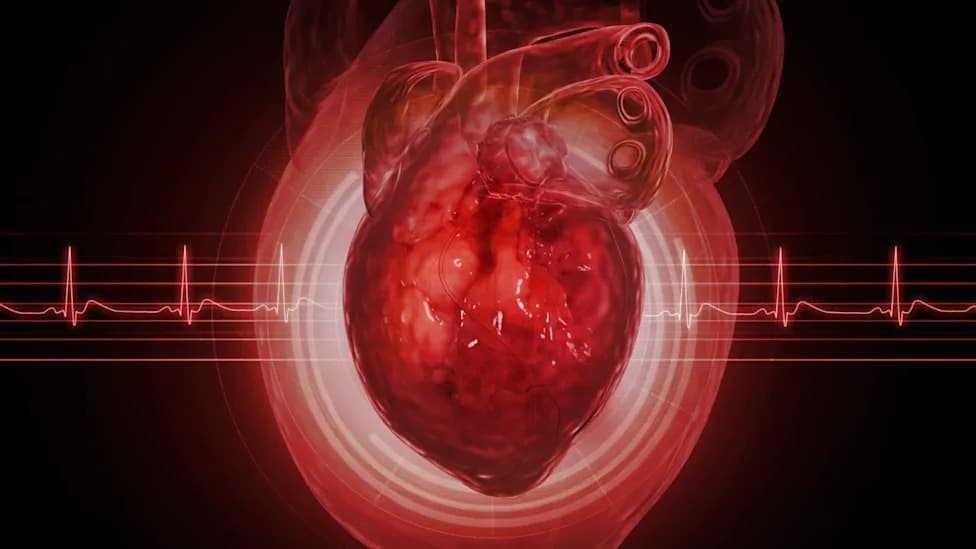
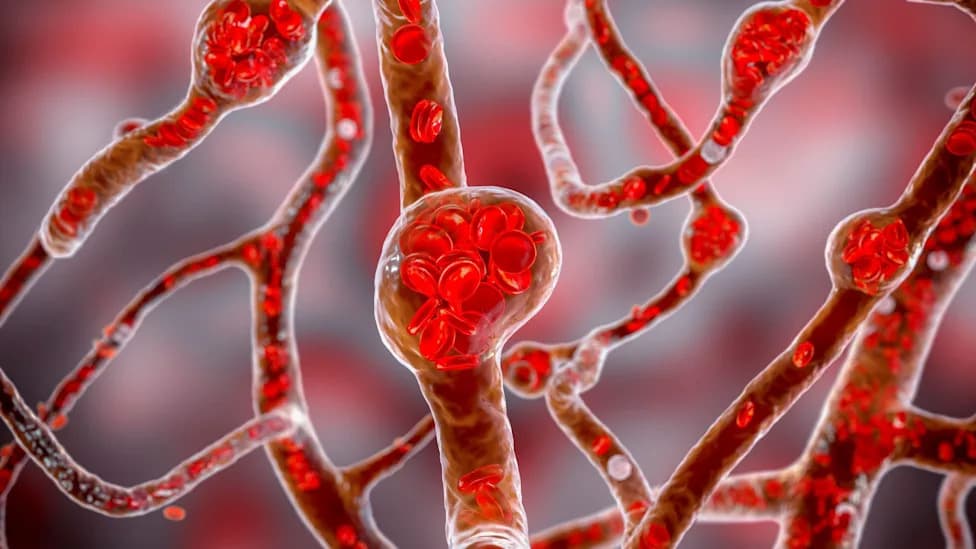
Image Credit: digitalgenetics via depositphotos
What This Means
These results shift attention from the narrow moment of arterial blockage to the wider sequence of biological events that unfold after reperfusion and shape recovery. By identifying a discrete neuroimmune pathway that can amplify post‑infarct inflammation in mice, the work offers a clearer target for future research into therapies that might modulate that harmful response.
Limitations And Next Steps
All experiments were performed in mice, where researchers can precisely manipulate neurons and immune signals. Whether the same circuit exists and is targetable in humans remains unknown. Future work will need to validate these signals in human tissues or clinical studies and explore safe pharmacologic or neuromodulatory strategies before any clinical application is possible.
Clinical context: Current emergency care for heart attack continues to focus on rapid restoration of blood flow, stabilization and evidence‑based post‑infarct management. This study does not reverse existing damage but adds mechanistic insight into processes that can worsen injury after the initial event.
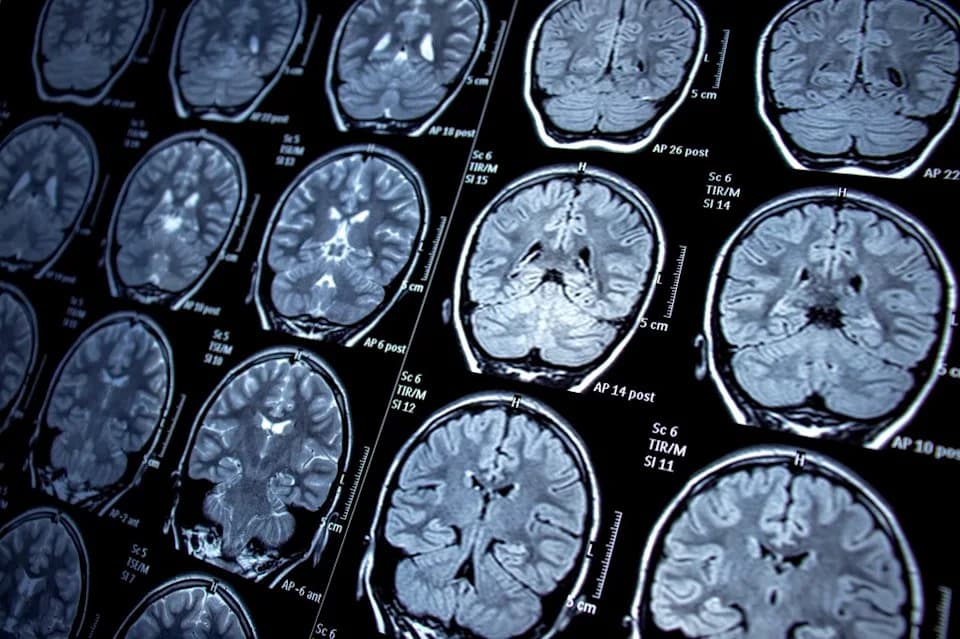
Image Credit: digitalgenetics via depositphotos
Help us improve.