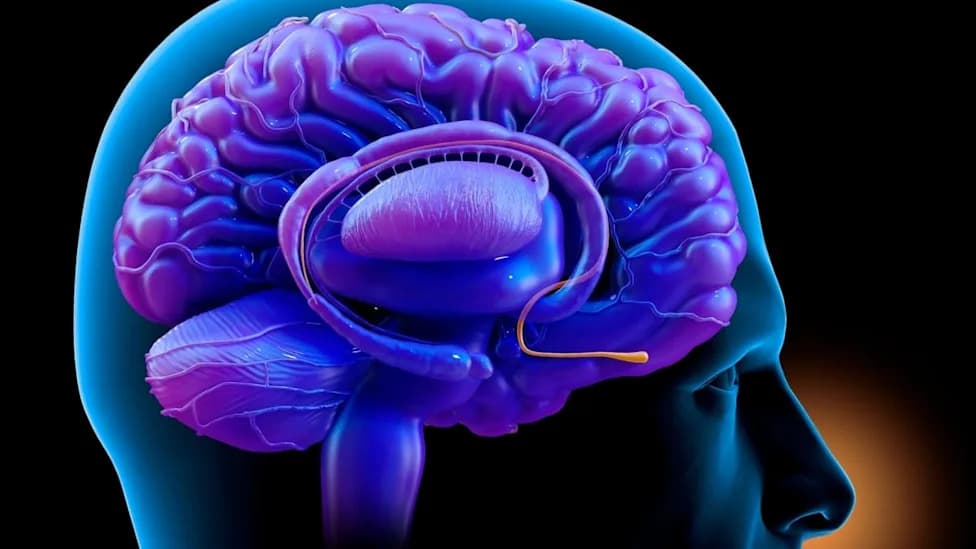
The lateral parafacial region (pFL) of the brainstem may drive hypertension by linking subtle breathing changes to increased sympathetic activity, new rat experiments suggest. Activating pFL neurons raised blood pressure, while inactivating them normalized pressure in hypertensive animals. Researchers propose targeting carotid bodies — peripheral oxygen/CO2 sensors — as a safer way to suppress pFL-driven sympathetic overactivity; separate work shows active vitamin B6 (pyridoxal 5'-phosphate) lowered pressure in rats and produced promising early results in a small human trial.
Scientists Identify Brainstem Region That May Drive High Blood Pressure — And a Possible Non‑Brain Drug Target
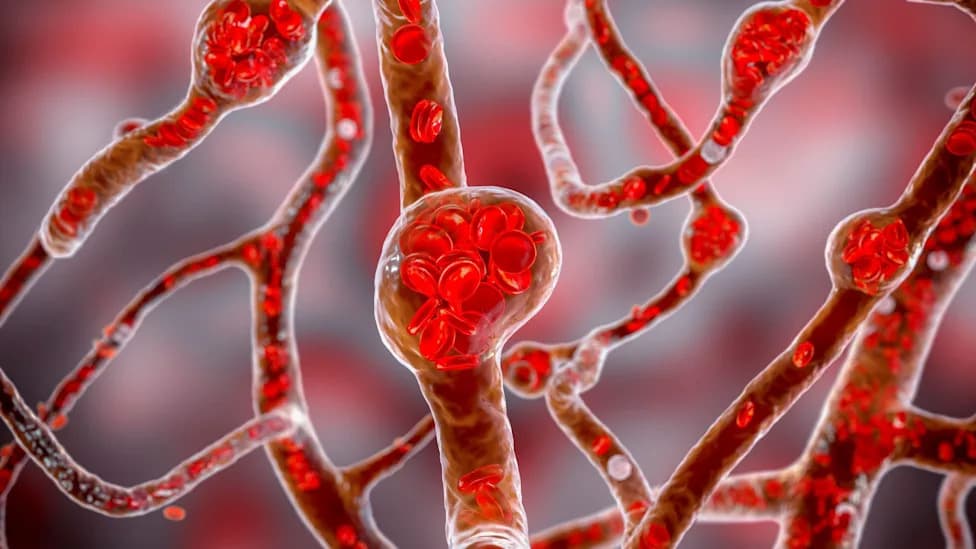
(Kateryna Kon/Science Photo Library/Getty Images)
New animal research suggests a specific brainstem area — the lateral parafacial region (pFL) — can link breathing patterns to sympathetic nervous system activity and raise blood pressure. The international study, led by teams at the University of São Paulo and the University of Auckland, mapped how pFL neurons influence downstream circuits that constrict blood vessels and elevate arterial pressure.
The pFL is known for controlling forceful, deliberate exhalations (for example during exercise, coughing or laughing). In these rat experiments, researchers used genetic tools to switch pFL neurons on and off while recording breathing-related nerve activity, sympathetic signals and blood pressure. Activating pFL neurons increased sympathetic output and raised blood pressure, while inactivating the region in hypertensive animals returned pressure to normal.
"Given that around 50 percent of patients with hypertension have a neurogenic component, the challenge is to understand mechanisms generating sympatho-excitation in hypertension," write the authors. "Such a revelation would provide much-needed clinical orientation for new therapeutic strategies."
The findings also help explain the well-known link between sleep apnea and high blood pressure. pFL neurons are sensitive to high carbon dioxide and low oxygen — conditions that occur during apnoeic episodes — and can thereby boost sympathetic drive and vascular constriction.
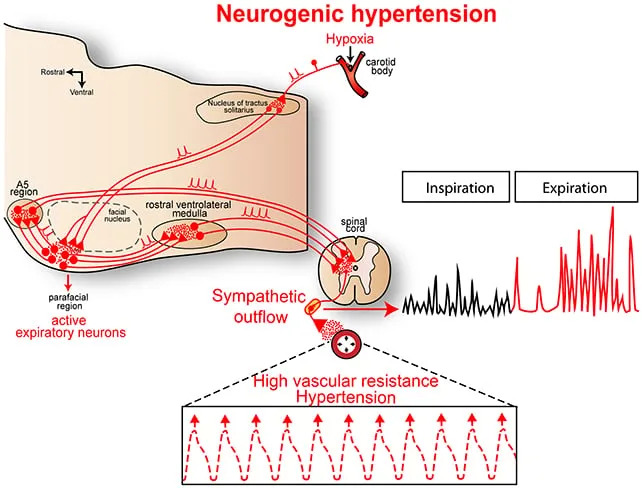
The researchers linked neuron activity to blood pressure spikes. (Magalhães et al.,Circ. Res., 2026)
Potential Treatment Strategy: Targeting Carotid Bodies
Because directly targeting brainstem neurons with drugs can be difficult and risky, the researchers propose modulating the carotid bodies — small chemoreceptor clusters in the neck that send signals to the brain and can influence pFL activity. In principle, quenching carotid-body signaling could suppress pathological pFL activation without requiring a brain‑penetrant drug.
Independent work from the same group (published earlier in Cardiovascular Research) identified pyridoxal 5'-phosphate (the active form of vitamin B6) as a blocker of the P2X3 receptor in carotid bodies. In hypertensive rats, infusion of this compound lowered blood pressure by an average of nearly 16 mmHg. A small human trial (14 participants) showed reduced exaggerated responses to low oxygen in people with high chemoreflex sensitivity, offering early translational support for the approach.
Limitations and Next Steps
These experiments were conducted in animal models, so the extent to which the same pFL circuitry drives hypertension in humans remains uncertain. Larger and longer human studies will be needed to test safety and efficacy. The researchers are exploring repurposed peripheral drugs that can suppress carotid-body activity to inactivate pFL signaling remotely and safely.
The full study is published in Circulation Research. While findings are promising, they are preliminary; clinical translation will require rigorous human trials and careful evaluation of side effects and long‑term outcomes.
Help us improve.