The largest study of its kind, analyzing about 480,000 UK adults, links chronic inflammation (measured by GlycA) to structural heart changes that can occur years before symptoms. Individuals in the top 20% of GlycA had a 43% higher combined risk of heart attack and stroke than those in the bottom 20%. Higher inflammation was tied to socioeconomic disadvantage, psychological distress, smoking and excess body fat, with a notable genetic component affecting resilience. No established drugs yet target this chronic inflammation specifically, but lifestyle measures and ongoing trials offer ways to reduce risk.
Chronic Stress and Inflammation May Cause Silent Heart Damage Years Before Symptoms

Stock image of nurses using a defibrillator on an unconscious patient.
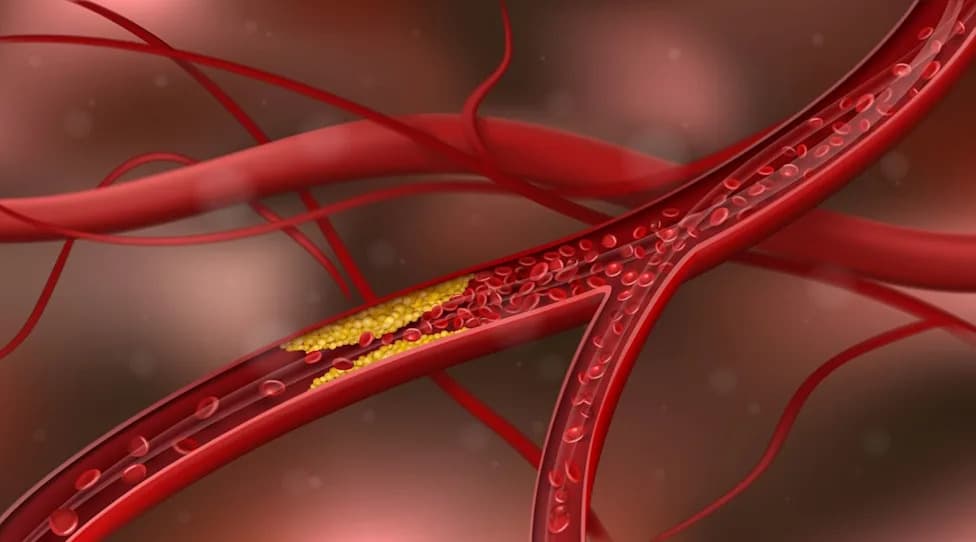
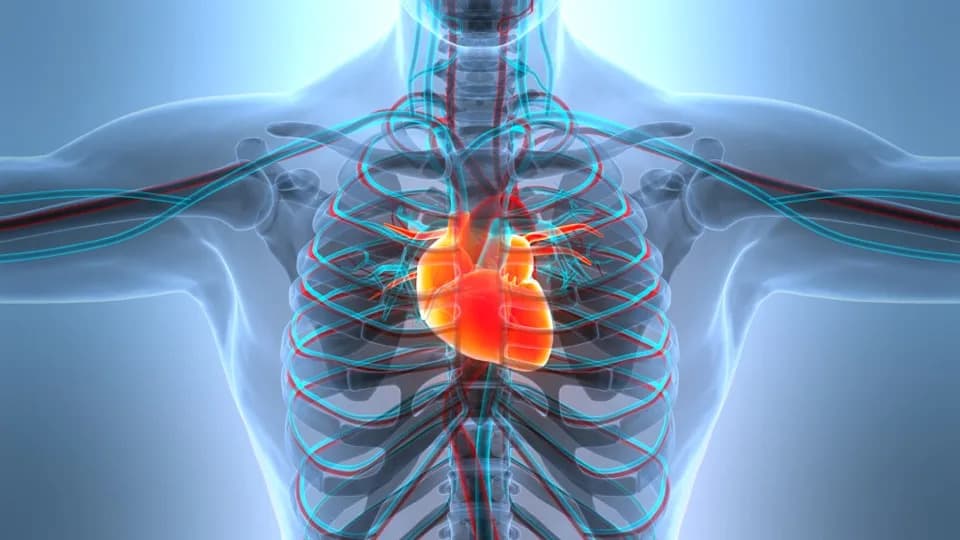
A major new analysis suggests that chronic, low-grade inflammation — linked to socioeconomic conditions, lifestyle and psychological stress — can slowly change the structure of the heart and raise the risk of stroke and heart attack years before clinical symptoms appear.
Study Details
Researchers at the MRC Laboratory of Medical Sciences (LMS) and Imperial College London analyzed data from roughly 480,000 adults in the UK Biobank. They combined a blood marker of systemic inflammation (GlycA) with advanced cardiac imaging and genetic data to track associations between inflammation and heart structure.
The team found that people in the highest 20% of GlycA levels had a 43% higher risk of heart attack and stroke than those in the lowest 20%.
What Factors Are Linked To Higher Inflammation?
The study reports that elevated inflammatory markers were frequently associated with socioeconomic disadvantage and psychological distress, in addition to well-established risks such as smoking and excess body fat. A strong genetic component was also identified, suggesting variable resilience to inflammatory damage between individuals.
Professor Declan O'Regan, British Heart Foundation Chair of Cardiovascular AI at Imperial College London, commented that the findings indicate many people may have hidden inflammation that "is slowly changing their heart and causing long-term damage — increasing the risk of heart attack and stroke."
Implications And Practical Advice
Importantly, the cardiac changes associated with chronic inflammation can precede any warning signs of cardiovascular disease, making early identification and prevention crucial. The authors note there are currently no widely effective drugs specifically for this type of chronic, low-grade inflammation, though clinical trials of new therapies are underway for people at highest risk.
Meanwhile, proven steps to reduce inflammation include quitting smoking, maintaining a healthy weight and addressing mental-health needs. There is also some evidence that a Mediterranean-style diet can modestly reduce inflammatory markers.
Publication
The full study is published in the European Journal of Preventive Cardiology: O'Regan et al., "Gene-environment interactions shape cytokine-mediated inflammation and cardiovascular risk." DOI: 10.1093/eurjpc/zwag435.
Help us improve.