New research in Nature Neuroscience suggests that immune activity originating outside the brain may drive Alzheimer’s-related neurodegeneration. In mouse models with tau pathology, cDC1 dendritic cells in deep cervical lymph nodes appear to cross-present antigens and prime CD8+ T cells, which then infiltrate the brain and cause inflammation and neuronal loss. Disabling cDC1 function reduced neurodegeneration without substantially lowering tau levels, pointing to peripheral immunity and lymphatic drainage as promising therapeutic targets.
Immune Cells Outside the Brain May Drive Alzheimer’s Damage, New Study Suggests
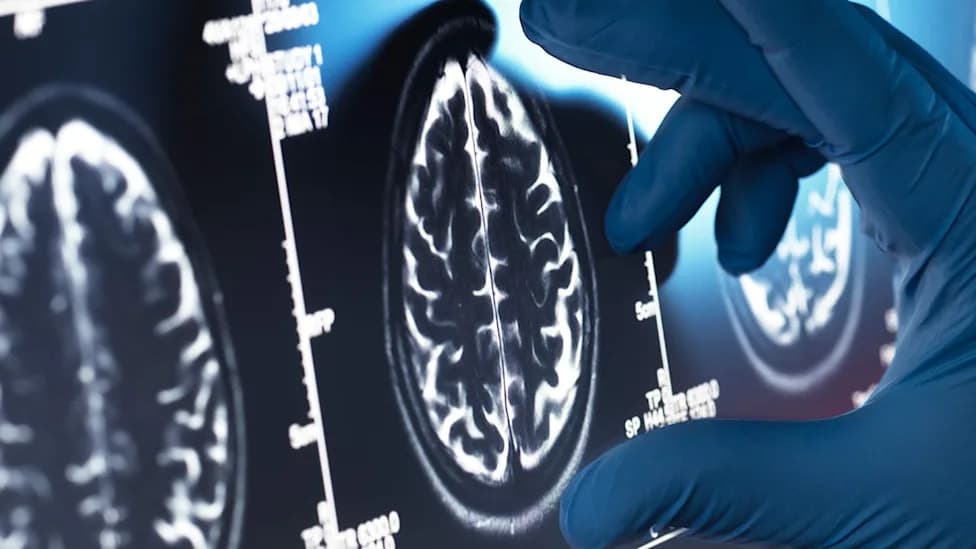
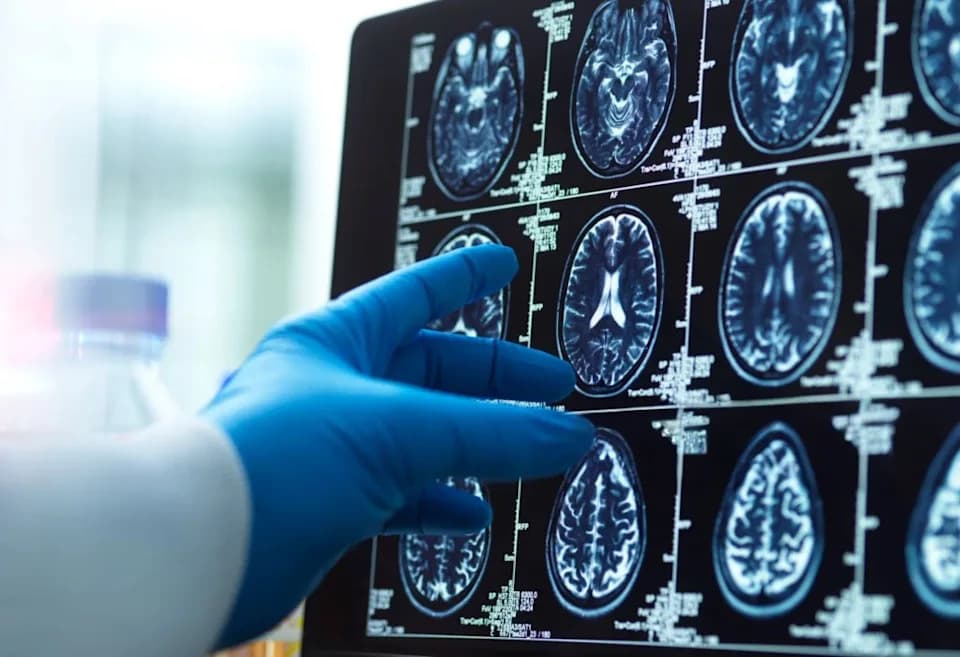
(Andrew Brookes/Connect Images/Getty Images)
Alzheimer’s disease is typically framed as a disorder of the brain, but new research suggests an important part of the damage may be driven by immune activity that starts outside the central nervous system.
A study published in Nature Neuroscience reports that CD8+ T cells—immune cells normally tasked with killing infected or abnormal cells—can be primed outside the brain by conventional type 1 dendritic cells (cDC1s) and later infiltrate neural tissue, triggering neuroinflammation and neuronal loss in mouse models of tauopathy.
What the Researchers Found
Earlier work from the same team had detected abundant T cells in the brains of mice with elevated tau, one of the hallmark proteins linked to Alzheimer’s. That study showed that removing or blocking T cells reduced neuronal damage, suggesting immune cells contribute to disease progression.
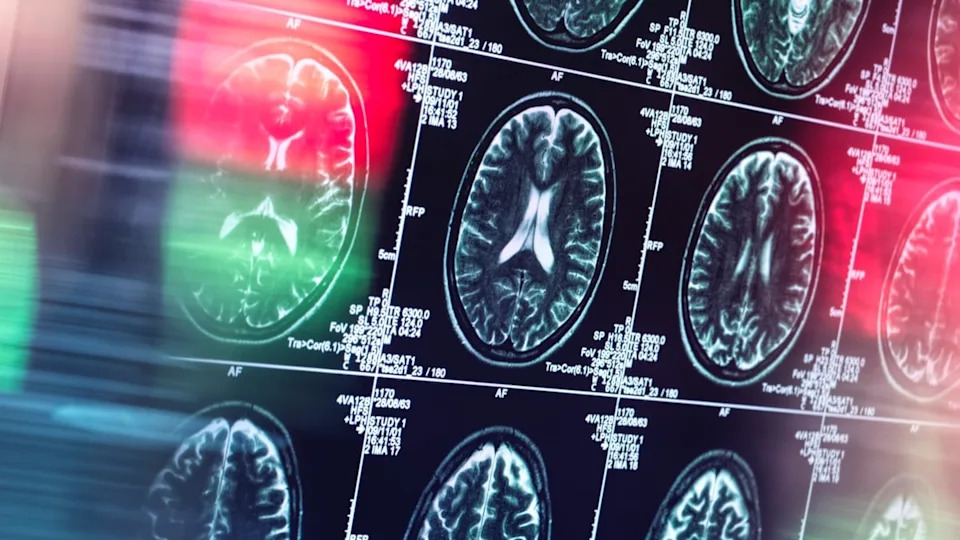
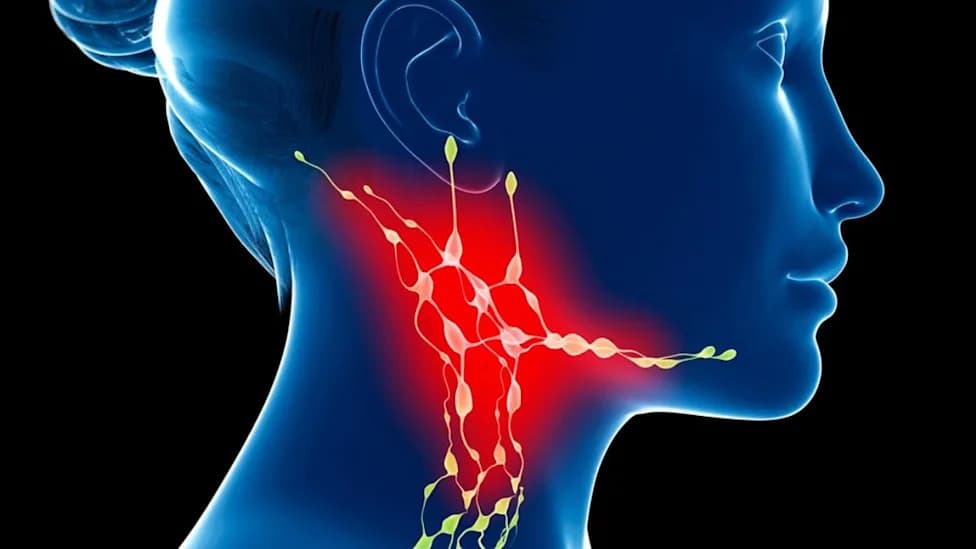
An immune response from beyond the brain could end up attacking it, research suggests. (Westend61/Getty Images)
The new experiments identify a likely upstream mechanism: cDC1s capture antigenic material derived from injured neurons and cross-present these antigens to CD8+ T cells outside the brain—primarily in the deep cervical lymph nodes. Once activated, CD8+ T cells can return to the brain and promote neurodegeneration.
Key Experiments and Results
In tau mouse models, experimentally eliminating cDC1 cells or disrupting their cross-presentation markedly reduced both neurodegeneration and neuroinflammation. Importantly, altering cDC1 activity did not substantially change the amount of tau protein in the brain, suggesting that the peripheral immune response—rather than tau quantity alone—may be a critical driver of neuronal damage.
Because cDC1s were seldom seen inside brain tissue, the team tested peripheral lymphoid organs and found evidence that antigen presentation and CD8+ T cell activation occur in deep cervical lymph nodes, which drain fluid and waste from the brain.

Subscribe to ScienceAlert's free fact-checked newsletter
“We propose that tauopathy induces neuronal injury, resulting in the release of antigens that are captured by cDC1s to prime CD8+ T cells,” the authors write. “These observations strongly suggest antigen presentation by cDC1s occurs predominantly outside the brain.”
Implications for Treatment
If this pathway is confirmed in further studies and in humans, it could open new therapeutic strategies that target peripheral immune processes or lymphatic drainage rather than relying solely on drugs that must cross the blood–brain barrier. Many established immunomodulatory approaches already exist for other diseases and could be repurposed or adapted for neurodegenerative conditions.
“One of the issues in developing treatments for neurological diseases is that you need to engineer your treatment so that it gets into the brain and past the blood–brain barrier, but we might not actually need to get the drugs into the central nervous system to mitigate neurodegeneration,” said David Holtzman of Washington University in St. Louis, senior author of the work.
Next Steps and Caveats
These results come from mouse models and further research is needed to confirm whether the same immune mechanisms operate in humans. Future work will need to clarify which antigens trigger cross-presentation, how antigens traffic to cervical lymph nodes, and whether modulating cDC1 or CD8+ T cell activity can safely reduce neurodegeneration in patients.
Study Source: Nature Neuroscience.
Help us improve.