New 2026 multi-omics data show a small subset of adult human cardiomyocytes re-enter early cell-division programs after myocardial infarction, but most fail to complete mitosis and cytokinesis. The partial response often shifts into stress-adaptation rather than full division, leaving the heart unable to replace large amounts of lost muscle. Researchers are now focused on identifying why the repair stalls and on strategies—developmental cues, metabolic changes and reprogramming—to safely complete the process without causing electrical or structural harm.
Why the Adult Human Heart Starts—but Often Fails—to Finish Repair After a Heart Attack
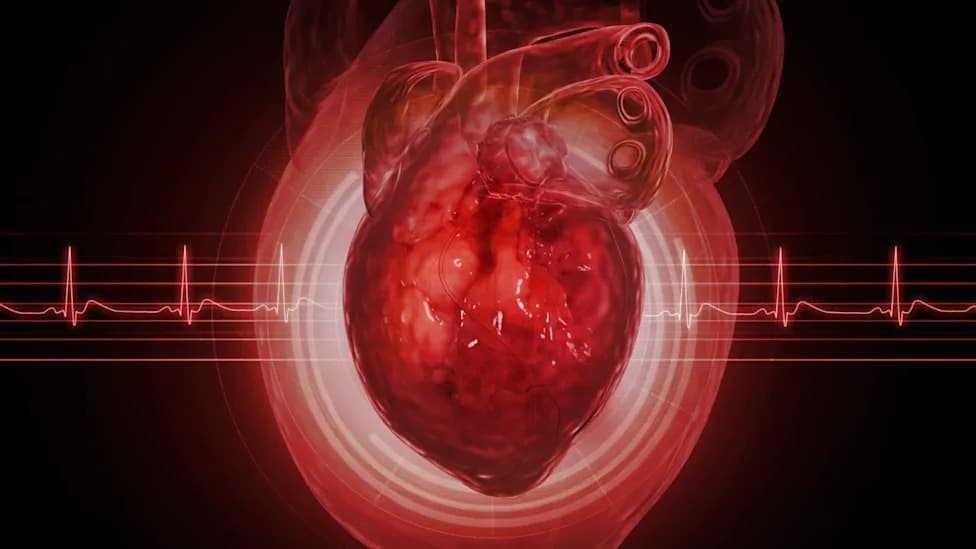
The adult human heart appears to try to repair itself after a heart attack, but in many cases that recovery stalls before new contractile muscle is produced. Recent human data show the heart can partially reactivate developmental cell-division programs, yet that response is typically incomplete and insufficient to restore lost myocardium.
What the 2026 Study Found
A 2026 multi-omics analysis of infarcted adult human hearts—combining single-nucleus RNA sequencing, spatial transcriptomics, chromatin profiling and gene-expression data—reported that a small subset of cardiomyocytes switched on early cell-cycle programs. The study, published in Chemical Biology & Drug Design, found these cells often failed to re-engage the later molecular machinery required for mitosis and cytokinesis, instead exhibiting stress-adaptation signatures.
Why the Repair Often Stalls
After birth, most cardiomyocytes become highly specialized: they develop dense contractile machinery and stable electrical connections that support billions of coordinated heartbeats. Re-entering the cell cycle requires a mature cardiomyocyte to temporarily loosen parts of that specialization. The new data suggest the heart "presses the accelerator" on early division signals while a biological "parking brake" prevents completion of cell division—so cells start the process but do not produce two fully separated, mature daughter myocytes.
Implications And Safety Challenges
Stimulating cardiomyocyte proliferation is an attractive strategy, but it carries major safety concerns. Forcing mature heart cells to divide risks abnormal growth, disruption of tissue architecture and interference with the heart's electrical networks—potentially causing arrhythmias or mechanical dysfunction. Any regenerative approach must therefore not only increase cell number but also ensure new cells mature correctly and integrate electrically and mechanically with existing myocardium.

Photo credit Shutterstock
Approaches Under Investigation
Researchers are exploring multiple strategies to convert a faint intrinsic response into meaningful, safe repair: developmental signaling cues, mechanical unloading, metabolic reprogramming, partial cellular reprogramming and targeted molecular pathways identified in animal and laboratory models. Parallel efforts include cell therapies and tissue engineering, but coaxing the heart's own cells to finish a damaged program remains especially appealing because it uses endogenous resources.
Clinical Context And The Road Ahead
Modern reperfusion therapies can reopen blocked arteries and save large amounts of myocardium, yet survivors of major infarctions often retain permanent loss of contractile tissue. In principle, a therapy that safely boosts replacement of lost cardiomyocytes could complement acute care and improve long-term outcomes. The key scientific target is now clear: understand precisely where the regenerative program stalls and determine whether it can be restarted and completed without introducing new risks.
Bottom line: The adult human heart is not completely incapable of renewal, but its natural repair after infarction is weak and incomplete. Future therapies will need to finish the heart’s faint repair program while preserving electrical and mechanical function.
Photo credit: Shutterstock
Help us improve.