New research published in Nature Neuroscience indicates Alzheimer’s disease may damage bone marrow, reducing production and mobilization of monocytes that help support brain immunity. In mice, bone marrow stem cells lose long-term replenishing ability and monocyte development is impaired; similar patterns were observed in human samples. Restoring monocyte production in mice improved pathology and increased recruitment of monocyte-derived macrophages to the brain, but further studies are needed to confirm human relevance.
Bone Marrow Damage May Explain Why Alzheimer’s Fails to Heal Itself, New Study Suggests

Scientists may have finally figured out why the body fails to heal Alzheimer’s by itself
New research suggests that damage to bone marrow caused by Alzheimer’s disease may undermine the body’s ability to help repair the brain. The study, published in Nature Neuroscience, identifies impaired monocyte development and stem cell exhaustion in bone marrow as possible reasons the immune system cannot restore brain health in Alzheimer’s.
For decades, Alzheimer’s research has focused on misfolded proteins in the brain — notably amyloid-beta plaques and tau tangles. But mounting evidence indicates that significant contributors to disease progression may lie outside the brain. The bone marrow, which houses stem cells that produce immune cells, appears to be affected in ways that reduce the supply and function of key immune reinforcements.
What the Study Found
The research team studied mouse models of Alzheimer’s and examined blood samples from patients. They found that:

An elderly woman is photographed (AFP via Getty Images)
Monocyte development is impaired. Monocytes are a type of white blood cell that can differentiate into macrophages capable of entering the brain and aiding the resident microglia in clearing amyloid and calming harmful inflammation.
"In this study, we discovered that monocyte development is impaired in mouse models and in patients," the authors report.
Bone marrow stem cells show premature maturation and loss of self-renewal. Healthy bone marrow contains stem cells that can replenish the immune system long-term. In affected mice, many of those stem cells matured earlier than normal and lost their long-term replenishing capacity — a pattern suggesting accelerated ageing of the blood system.
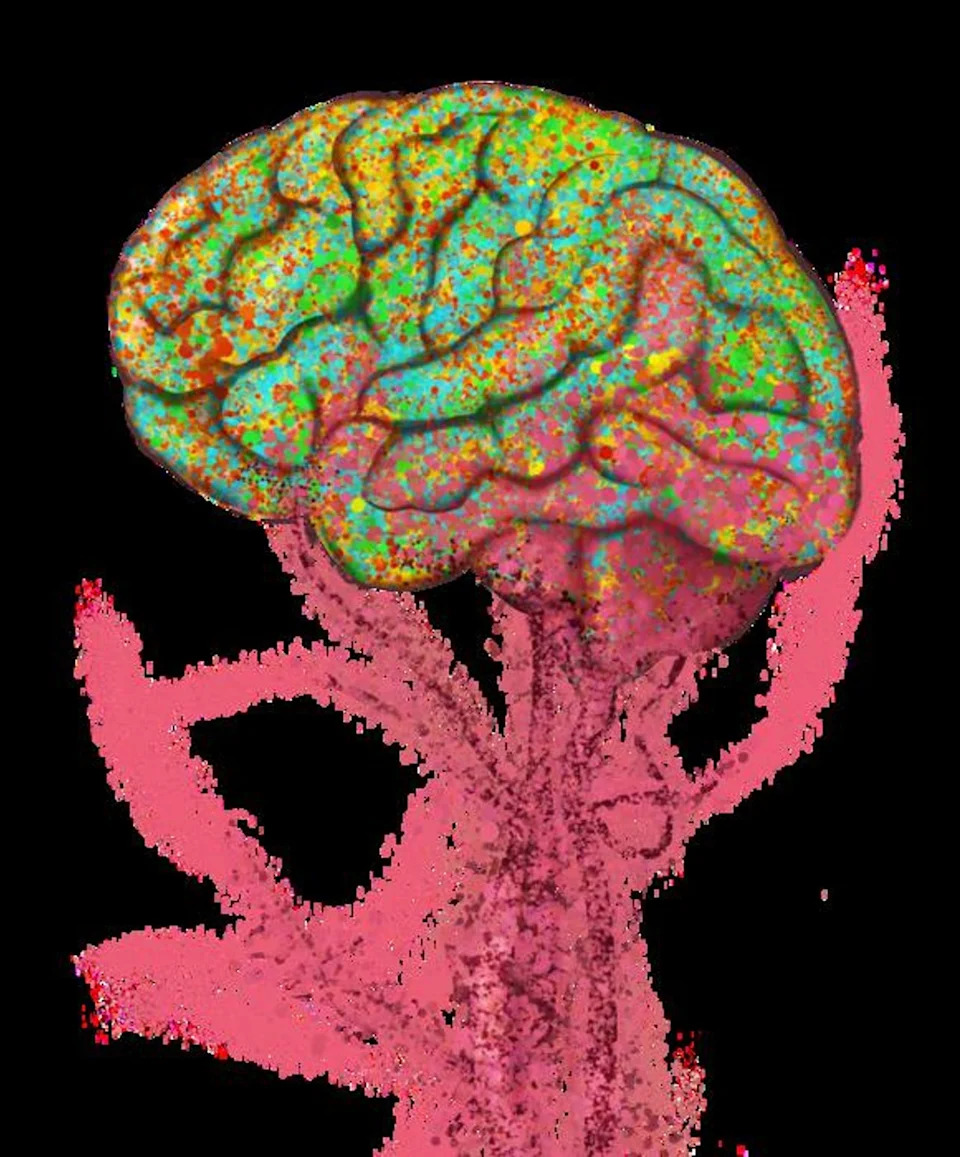
Cells originating in bone marrow can travel to the brain and take on the role of microglia (Emma Vidal/Stanford University/Eurekalert)
An alarm signal that mobilizes monocytes is disrupted. The researchers also observed that an immune signaling mechanism that normally calls monocyte reinforcements to the brain is impaired in Alzheimer’s models, reducing the cells' ability to home to affected brain regions.
Therapeutic Proof of Concept
When the team restored the bone marrow pathway responsible for monocyte generation in mice using a targeted intervention, disease markers improved: pathology was ameliorated and more monocyte-derived macrophages reached the brain. These results suggest that restoring peripheral immune cell production and mobilization could be a viable therapeutic strategy, at least in animal models.
Implications and Caveats
These findings add to growing evidence that Alzheimer’s is not solely a brain disorder but a systemic condition that affects the blood and immune systems. However, most results so far are from mouse studies and limited human samples. The authors and other experts emphasize caution: additional research is needed to confirm whether the same mechanisms drive disease in people and whether therapies targeting bone marrow can safely and effectively slow or reverse Alzheimer’s in humans.
Source: Nature Neuroscience (study authors)
Help us improve.