This preclinical Nature Neuroscience study found that controlled tibial compression triggered osteocytes to release circulating factors linked with better survival and recovery after experimental brain injury in mice and miniature pigs. The mechanosensor PIEZO1 in osteocytes was required for the protective response, and serum from loaded animals transferred partial protection to injured controls. All experiments used male animals only, and human translation remains speculative: clinical devices or therapies would need extensive testing and regulatory approval.
Compressing a Leg Bone Triggered Circulating Signals That Aided Brain Recovery in Animals — A Preclinical Study
Image: Picryl - Defense Visual Information Distribution Service
A preclinical study published in Nature Neuroscience reports that controlled mechanical compression of the tibia (shinbone) caused bone cells to release circulating factors associated with improved survival and recovery after experimental brain injury in mice and miniature pigs. The work, led by researchers at Southern Medical University in China, proposes a communication route the team calls the bone–brain axis. These findings are preliminary, based on animal models, and do not support using leg compression in people after head injury.
Study Design
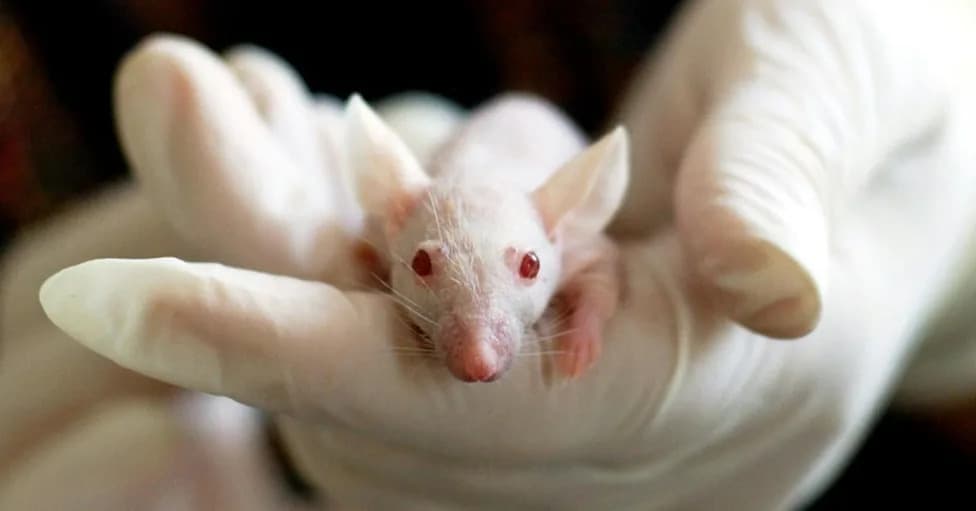
In mice, the researchers applied tibial compression 300 times per session (about 2 compressions per second), five days per week, beginning after a laboratory-induced brain injury. To test cross-species consistency, the team repeated a similar protocol in miniature pigs: six injured pigs received tibial loading and six injured pigs served as injured controls.
Main Findings
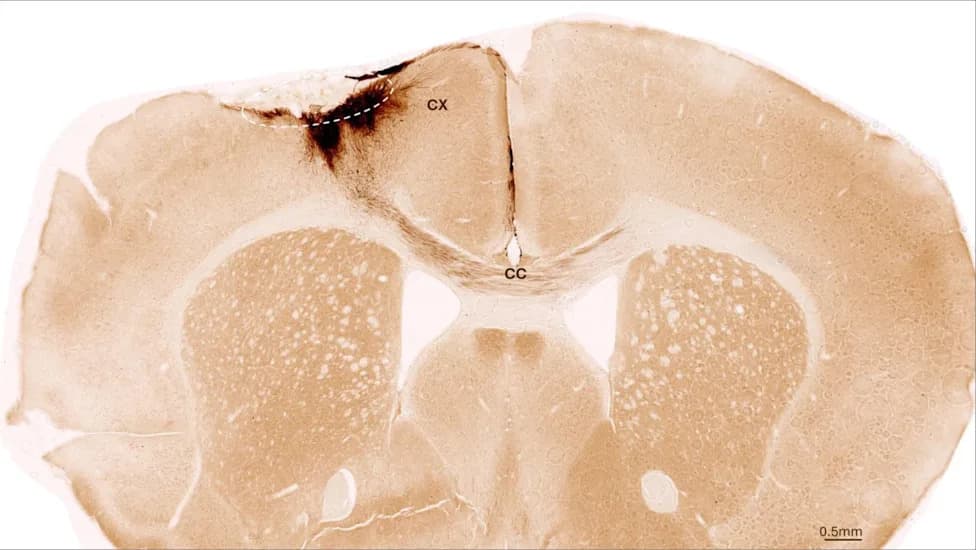
Animals that received tibial loading showed multiple signs of benefit compared with controls: longer survival, smaller brain lesion volumes, reduced neuron loss, and lower chronic inflammation. Loaded mice also performed better on motor tasks and found a hidden platform in a water-maze task more reliably. Pig brains examined at four weeks displayed similar protective patterns. The authors reported no visible damage to shinbones, knee joints, or cartilage in loaded animals, but the small pig group size limits confidence in those safety observations.
Proposed Mechanism
The response appears to depend on a mechanosensitive ion channel called PIEZO1, which is expressed by osteocytes (bone cells). When PIEZO1 was selectively disabled in bone cells, tibial loading no longer produced the same neuroprotective effects, implicating osteocyte mechanosensing as a crucial trigger. The study identified several circulating molecules associated with the effect, including osteocyte-derived IL‑1R2, APOL11a, and HSP70, as well as elevated blood levels of BDNF, PF4, and dopamine. A serum-transfer experiment—injecting blood serum from loaded mice into injured control mice—reduced neuron loss in recipients, supporting the idea that protective factors circulate after bone stimulation.
Limitations and Cautions
All experiments used only male animals, so the female response is unknown. Laboratory brain injuries differ markedly from the diverse locations, severities, and timings of human traumatic brain injury (TBI). Key clinical parameters—optimal loading frequency, dose, timing after injury, and long-term safety—are unestablished. The pig experiment involved only six animals per condition, limiting statistical power for both efficacy and safety conclusions.
Important: This research does not justify compressing a person’s leg after a head injury. TBI is a medical emergency that requires immediate professional assessment and care.
Implications and Next Steps
If independently replicated, these results could motivate two translational paths: development of bone-stimulation devices for controlled clinical use or therapies that mimic the protective circulating factors bones release under mechanical load. Both approaches would require extensive preclinical safety testing, well-designed clinical trials across sexes and injury types, and regulatory approval before any use in patients. The study contributes to a broader shift in understanding bone as an active endocrine and sensory organ, not merely structural tissue.
Help us improve.