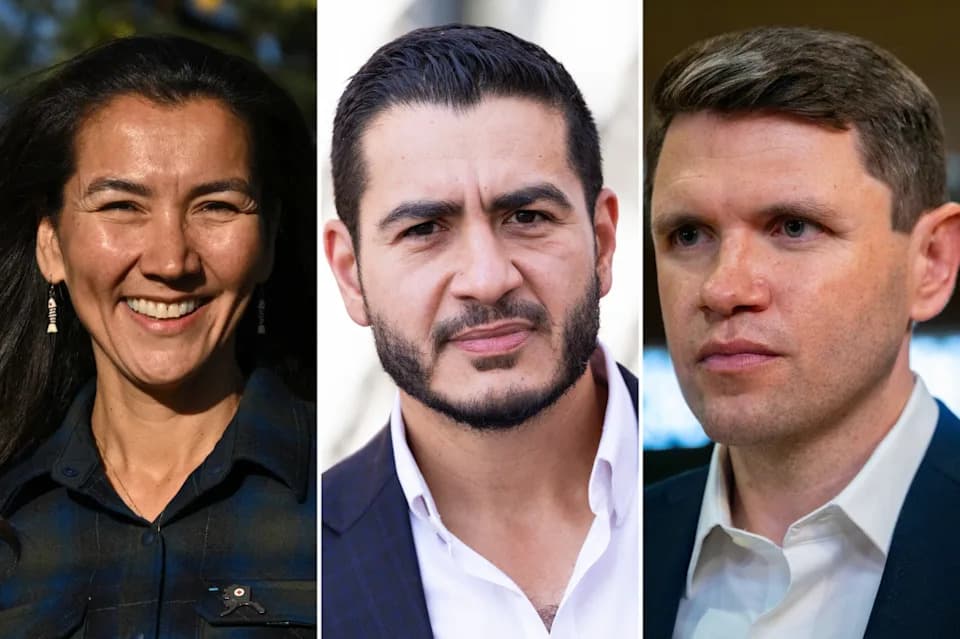
Republican strategists are reportedly considering cutting funding for Senate races in Georgia and North Carolina as internal and public polls increasingly favor Democrats. Jon Ossoff leads Rep. Mike Collins by seven points in a Trafalgar Group survey, while GOP polling shows Roy Cooper ahead by double digits in North Carolina. Party leaders are said to prefer reallocating resources to more promising battlegrounds, even as major fundraisers target other competitive states.
GOP Mulls Ceding Georgia and North Carolina Senate Seats as Internal Polling Falters
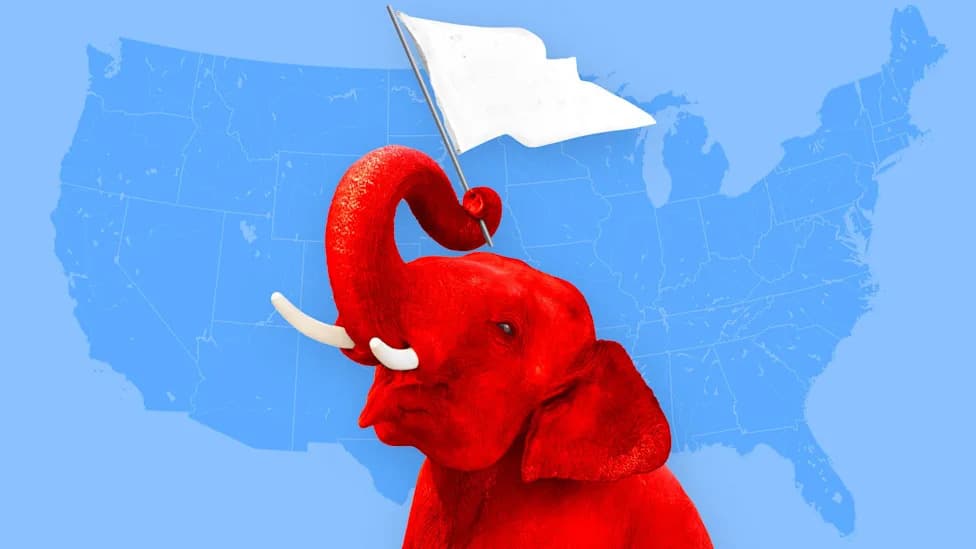
Photo Illustration by Thomas Levinson/The Daily Beast/Getty
Republican operatives are reportedly debating whether to stop funding two Senate campaigns in states President Donald Trump won in 2024, Politico reports. Party insiders say the GOP is considering reallocating resources away from Georgia and North Carolina as internal and public polling increasingly favor Democrats in those contests.
Why Leaders Are Reassessing Strategy
Sources close to party planning told Politico that some Republicans fear pouring money into tough Southern races could leave the party exposed in other competitive districts that are more winnable. That calculation has prompted talk of shifting funds to contests in the Midwest and Northeast where Republican strategists believe they have better odds.
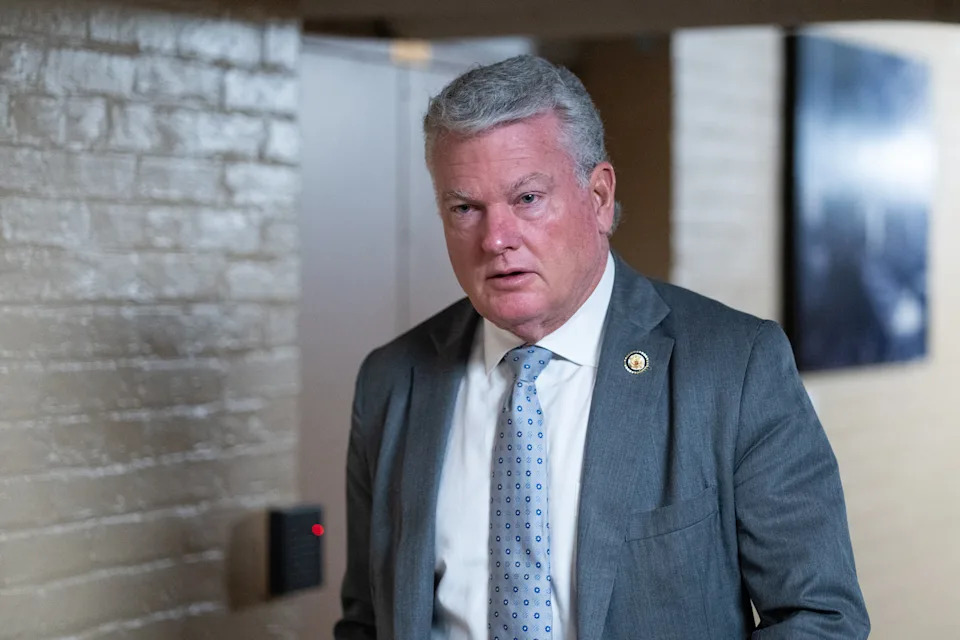
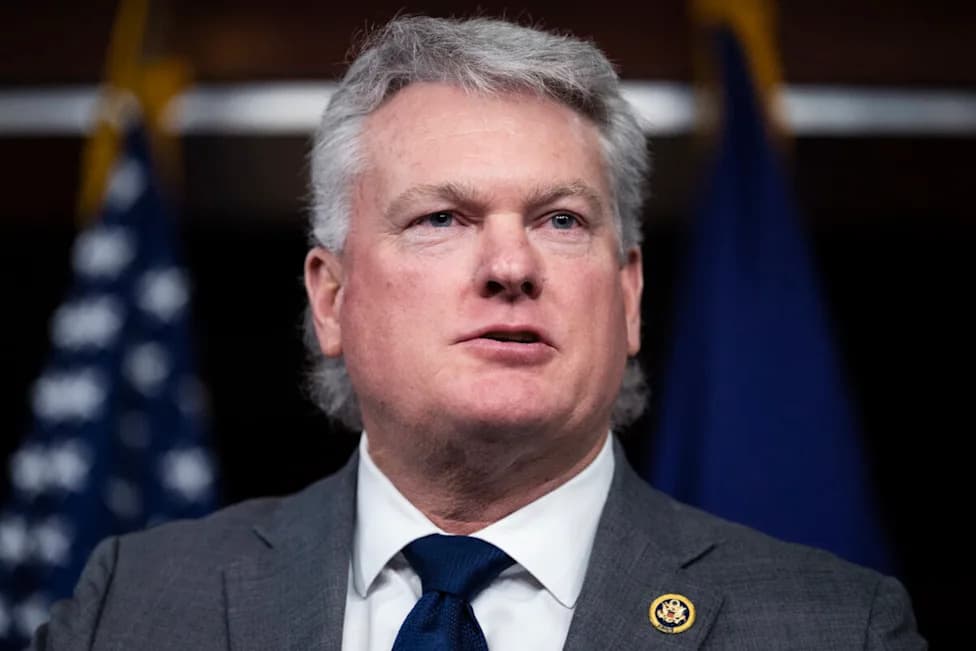
Trump’s handpicked candidate, Rep. Mike Collins, has been plagued by scandals involving his staff and family, all while Ossoff builds a national brand as one of Trump’s top critics. / Bill Clark / CQ-Roll Call, Inc via Getty Images
Key Races Under Scrutiny
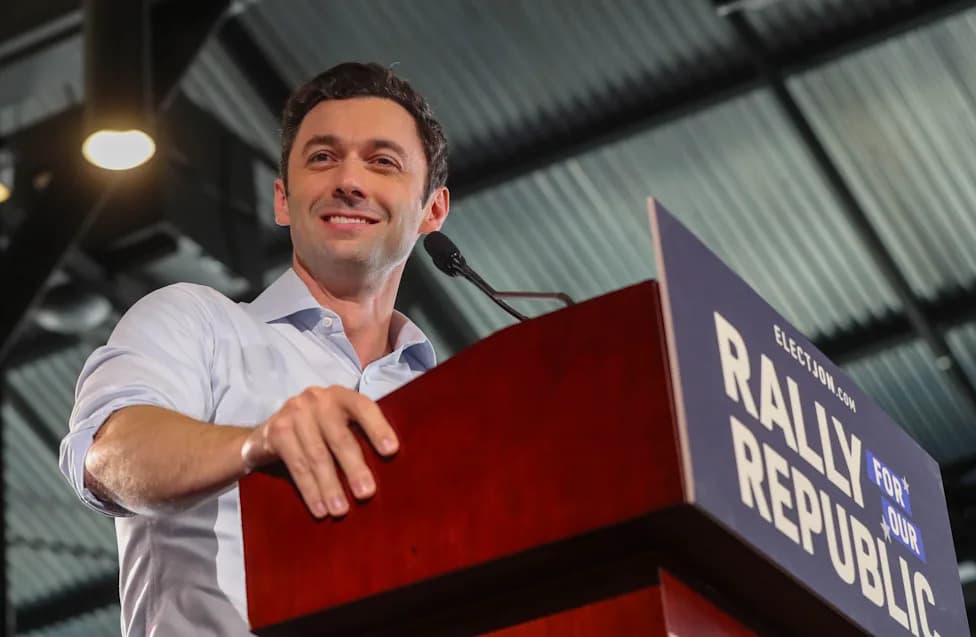
If the change goes ahead, spending to defeat Georgia Sen. Jon Ossoff — who flipped the seat in 2021 and is viewed as a potential 2028 presidential contender — would likely dry up, which Republicans say would seriously damage the prospects of his MAGA-aligned challenger, Rep. Mike Collins. A Trafalgar Group survey this month showed Ossoff leading Collins by seven points.
In North Carolina, the open seat vacated by retiring Sen. Thom Tillis is also a concern for Republicans. Politico reports internal GOP polling that shows former Gov. Roy Cooper with a double-digit lead over the Republican nominee, Michael Whatley. Former President Trump has publicly backed Whatley and traveled to North Carolina to campaign on his behalf.
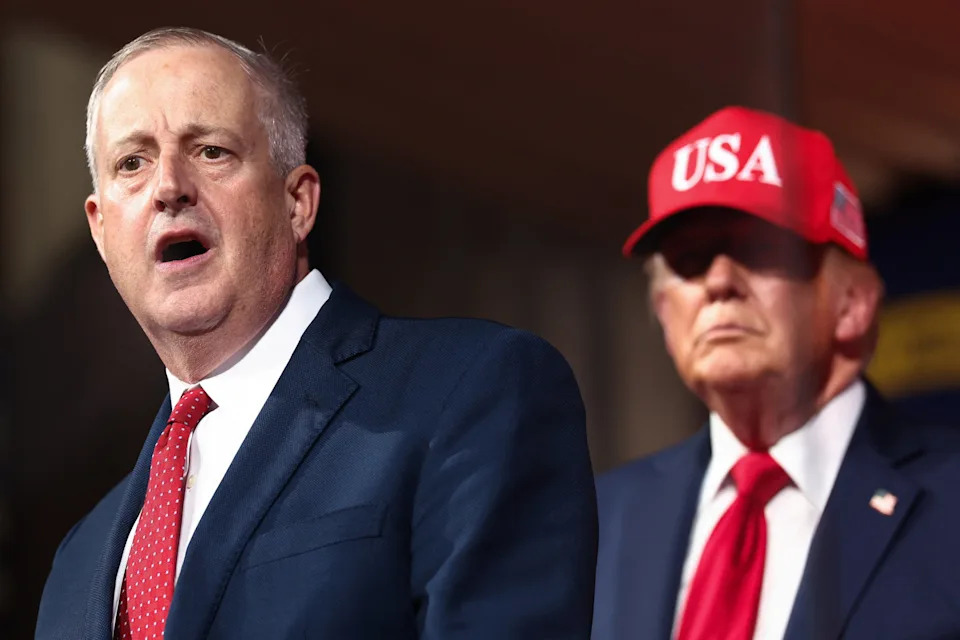
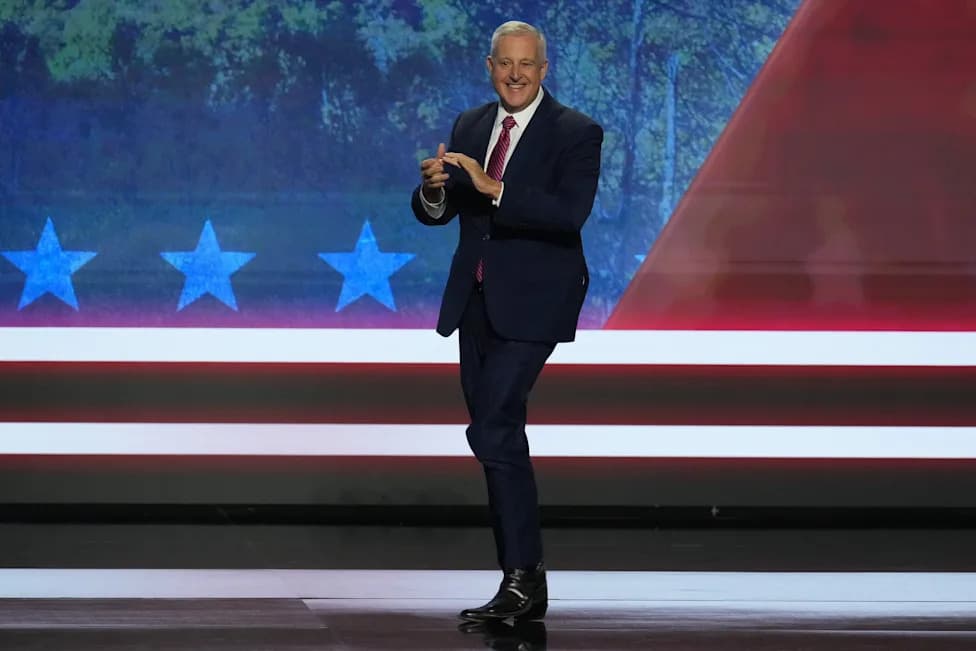
Michael Whatley, the former chairman of the North Carolina GOP, is trying to keep the Senate seat in Republican hands. / Kevin Lamarque / REUTERS
Events, Fundraising And Late Spending
Vice President J.D. Vance held a rally recently that a local NPR affiliate reported drew roughly 300 attendees in a 3,000-capacity convention center; event photos showed attendees who appeared disengaged. Meanwhile, a major Republican fundraising dinner at Sen. John Cornyn’s private residence — attended by former President George W. Bush and hosted by the Maintain the Majority committee — is focused on boosting candidates in Iowa, Alaska, Michigan, Minnesota, and Maine, reportedly excluding Georgia and North Carolina.
Trump’s MAGA Inc. super PAC only began deploying its full war chest this month, but sources tell Politico that the surge in spending may have arrived too late to change the trajectory in the Southern races.
“The bottom’s beginning to fall out,” a House Republican from a reliably conservative district told Politico, noting that while the party has unprecedented funds, strategic disadvantages and recent political dynamics have made some traditional GOP messages less effective.
Warning Signs Elsewhere
Even in deep-red Florida, Republican vulnerability has surfaced: Rep. Byron Donalds, a prominent MAGA-aligned candidate for governor, removed references to Trump from his campaign site in the same month a St. Pete Polls survey put Democrat David Jolly within one point.
As the GOP weighs where to invest, leaders face difficult choices about which contests to defend and which to concede in an increasingly competitive midterm map.
Help us improve.