Key Takeaway: The U.S. Navy confirmed a DCAS update that added 37 wounded—29 sailors and eight Marines—to Pentagon casualty records for the Iran conflict. DCAS now records 443 wounded since July 7, with earlier fighting recorded separately under Operation Epic Fury. Officials say the additions reflect standard verification protocols, while critics warn that recategorization and restricted reporting may obscure the full human cost and affect congressional oversight.
U.S. Navy Validates DCAS Update After 37 Additional Wounded Are Added To Iran Conflict Toll

Secretary of Defense Pete Hegseth testifies during a Senate Armed Services Committee hearing on the proposed 2027 fiscal year budget for the Department of Defense in the Dirksen Senate Office Building on April 30, 2026 in Washington, D.C.
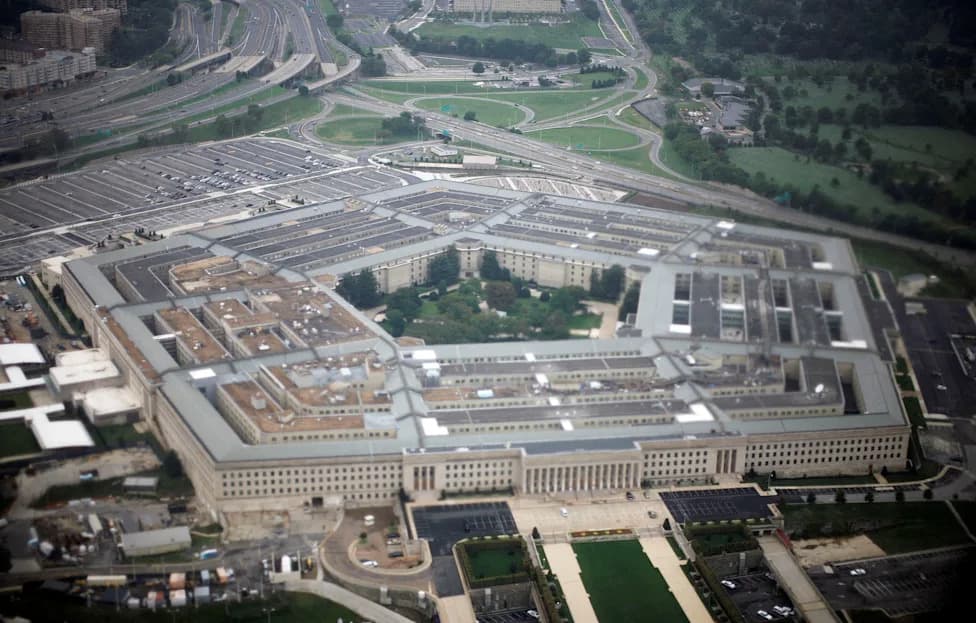
The U.S. Navy says it has "fully validated" a recent upward revision to Pentagon casualty records that added 37 wounded service members to the Iran conflict tally after public databases quietly reflected the change.
What Changed
An update to the Defense Casualty Analysis System (DCAS) earlier this week added 29 Navy sailors and eight Marines to the list of wounded. The change—first reported by The Washington Post—arrived without a formal Pentagon announcement or detailed public explanation.
"Due to standard verification protocols, updates to the Defense Casualty Analysis System (DCAS) have registered a recent statistical increase in Navy casualties," a Navy spokesperson told Newsweek.
The Navy said all 29 sailors have returned to active duty but declined to identify them publicly.
How DCAS Organizes The Conflict
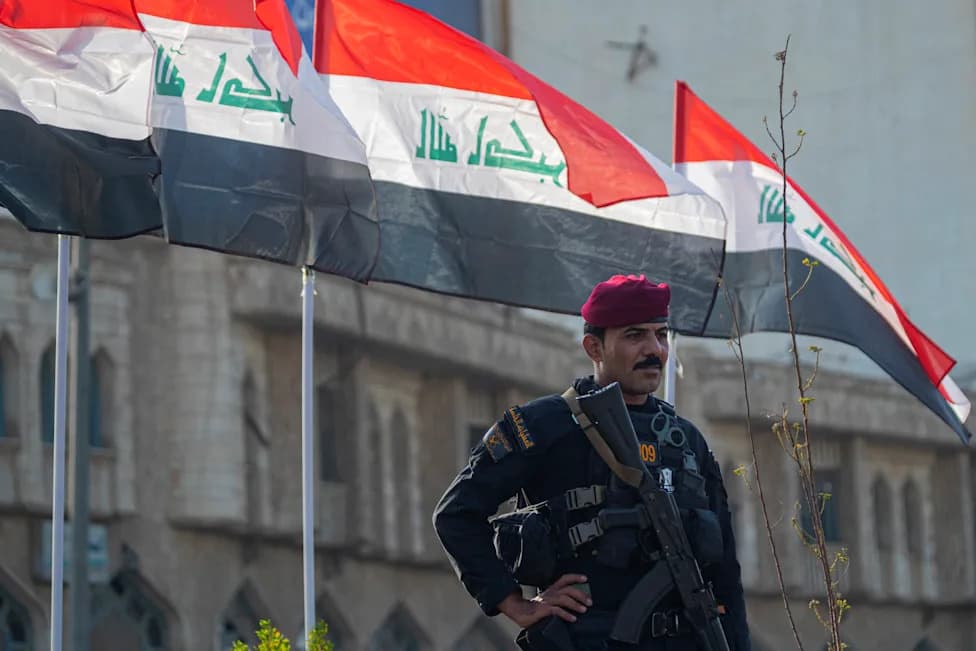
DCAS divides casualties from the Iran conflict into two reporting periods: the months of fighting from February through June (initially labeled Operation Epic Fury) and incidents on or after July 7, which are recorded as Overseas Operations (OO). The July 7 cutoff follows the collapse of a ceasefire announced in June, after which U.S. forces resumed airstrikes following Iranian attacks on merchant vessels off Oman.
By treating post–July 7 incidents as a separate phase, critics say the reporting structure can make the conflict appear less continuous and may affect legal and political obligations, including congressional oversight.
Casualty Totals And Notable Fatalities
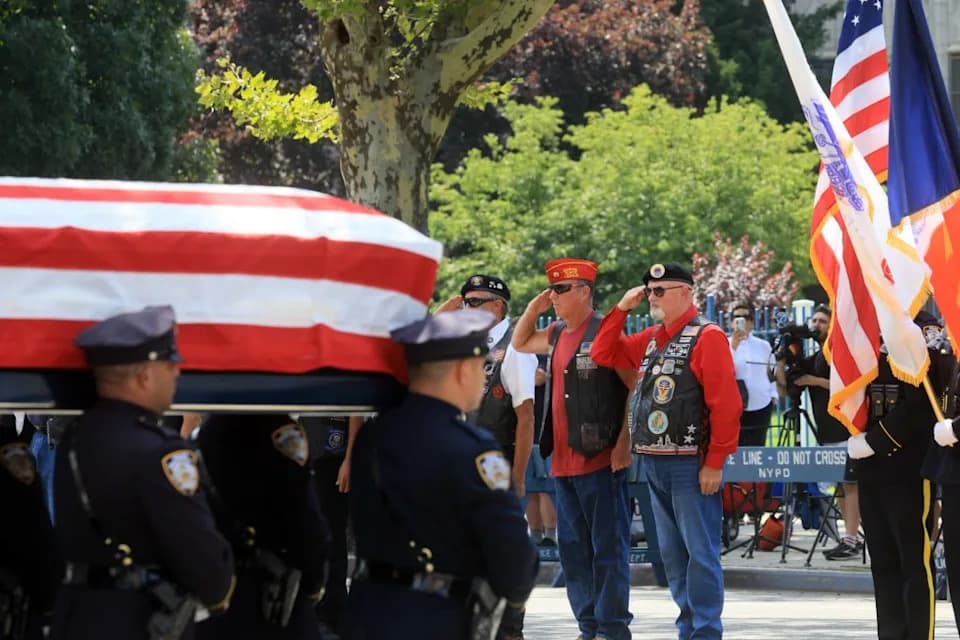
According to DCAS, 443 U.S. personnel have been wounded in action since July 7; of those, 50 were Navy personnel and nine were Marines. During the earlier phase labeled Operation Epic Fury, DCAS lists 418 wounded in action and 14 killed.
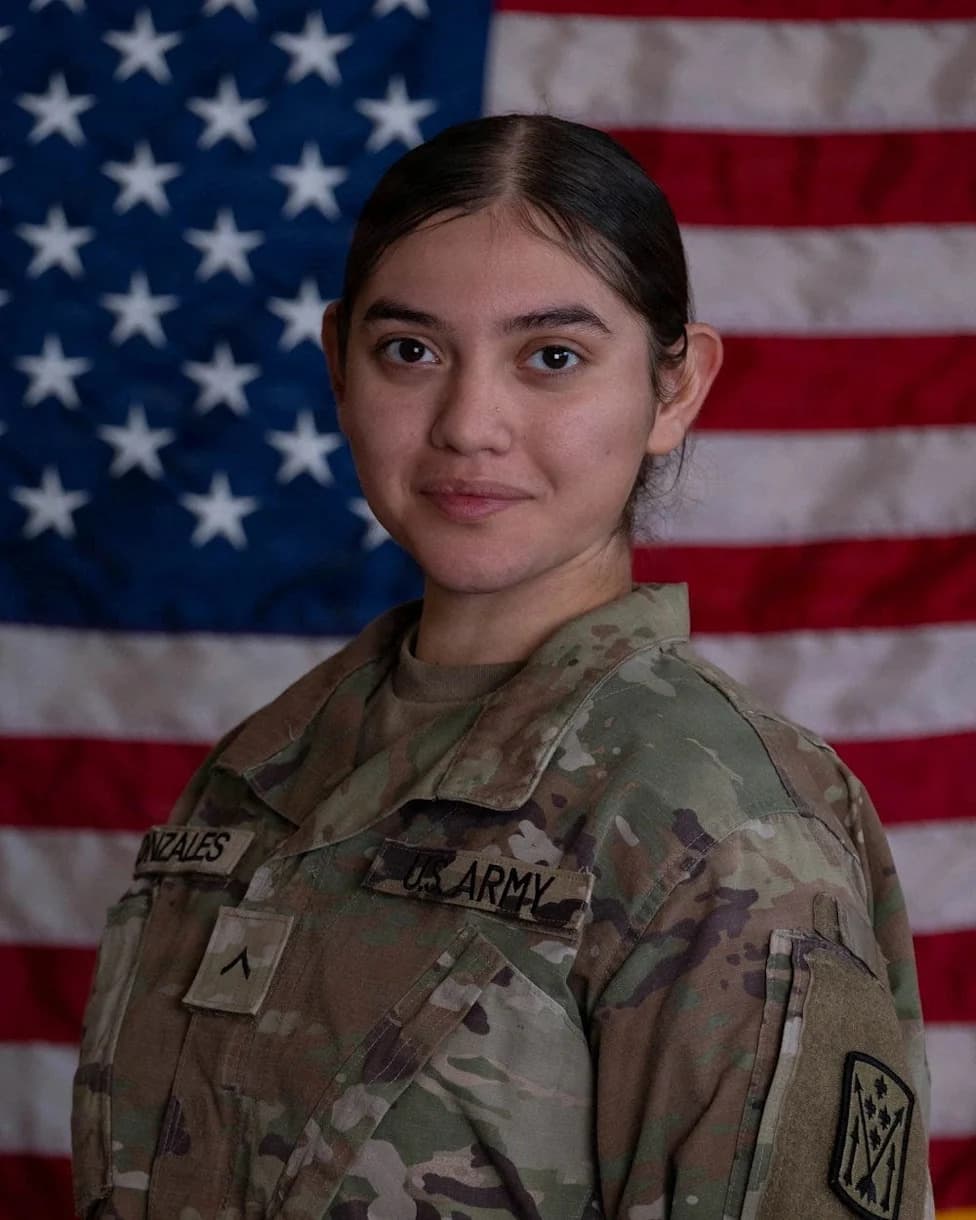
Since July 7, five U.S. personnel have died in the Middle East, four killed in action and one death classified as non-hostile. The four service members identified as killed in action are 1st Lieutenant Tyler James Feehan, Private Isabella Gonzales, Sergeant Angel Rampersad, and Sergeant Michael Emmanuel Swinton. The fifth fatality was identified by the Army as Capt. Bianca C. Wilkerson, who died on Sept. 18 "as a result of a non-combat related incident" while supporting overseas operations in Doha, Qatar.
Politics, Transparency And Reporting
The casualty revision arrives amid broader scrutiny of Pentagon transparency. Many news organizations have criticized the Defense Department for implementing more restrictive reporting rules and limiting access to sites and personnel. The Pentagon maintains it is "the most transparent war department in history," even as routine press briefings have been sporadic.
Earlier this month, The Washington Post reported that at least four more U.S. service members had died in the Middle East since February than the Pentagon had publicly acknowledged, citing unnamed officials familiar with the records. Defense Secretary Pete Hegseth called that reporting "DISGUSTING and FAKE."
Some lawmakers and outside observers argue that recategorizing incidents and splitting reporting periods could be used to minimize the apparent toll on U.S. forces or to circumvent statutory requirements for renewed congressional authorization.
What To Watch Next
As the confrontation with Iran continues into its seventh month, casualty figures and how they are reported will remain politically sensitive. The public debate centers on whether the structure of reporting and restricted media access obscures the human cost of the conflict and how that influences both public opinion and congressional oversight.
Update 9/27/2026 at 6:45 a.m. ET: This article was updated with additional information.
Help us improve.