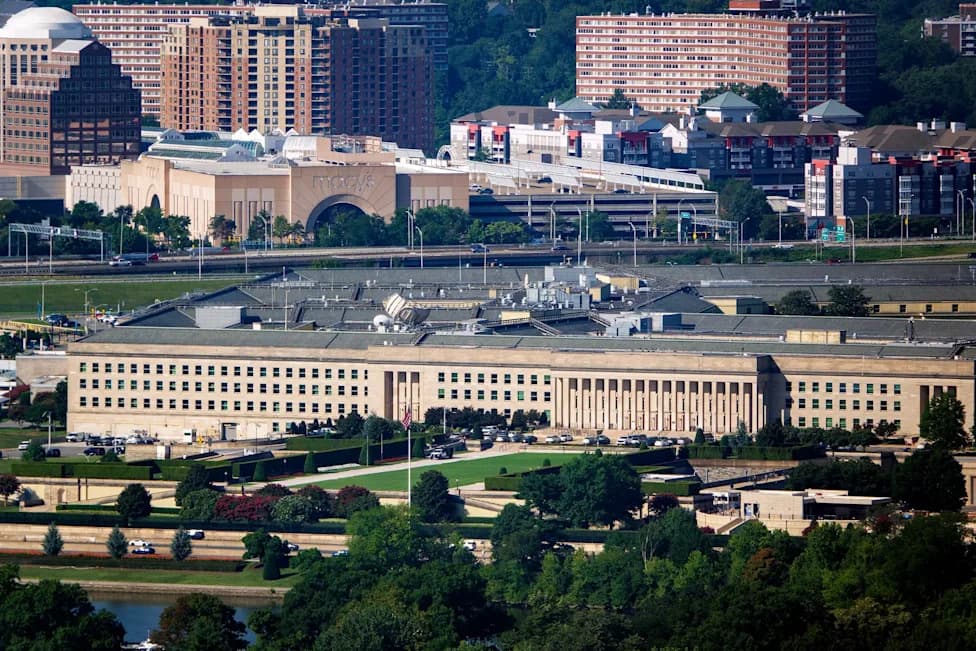
The Pentagon reduced its public tally of U.S. deaths in the Iran war from 18 to 14 in July, citing "temporary data disruptions" and "site anomalies." Separate Defense Department pages and a Washington Post report citing officials suggest the internal total may be higher — possibly at least 22 fatalities. Lawmakers including Sen. Jack Reed and Sen. Tammy Duckworth have pressed for clearer, legally required public casualty accounting.
Pentagon’s Public War-Death Toll Questioned After Tally Is Cut — Internal Data May Show More

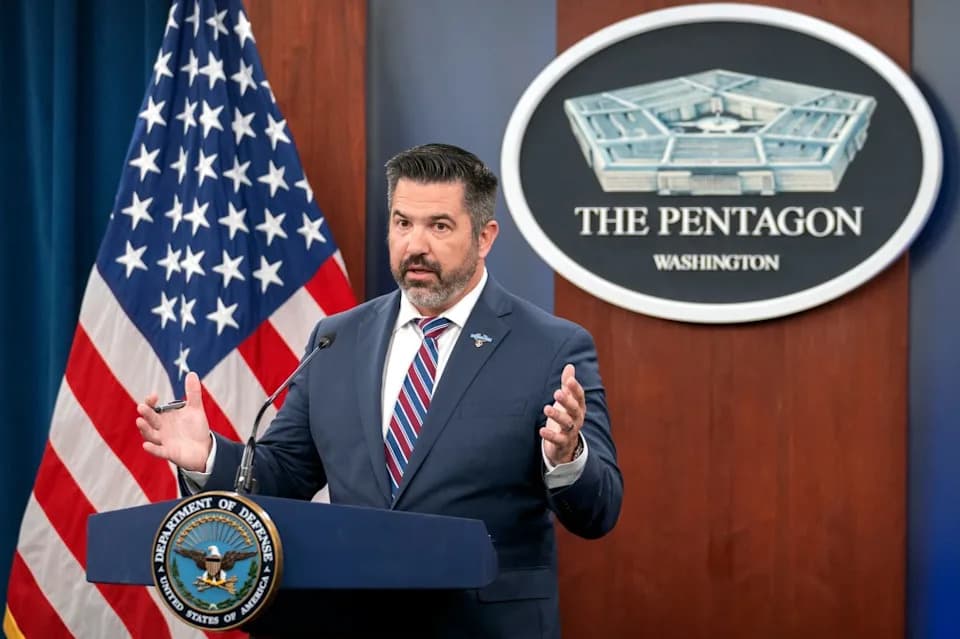
Secretary of Defense Pete Hegseth attends the Department of Defense's 2026 National POW/MIA Recognition Day Ceremony on the Pentagon River Terrace Parade Field on Sept.18, 2026, in Arlington, Va.
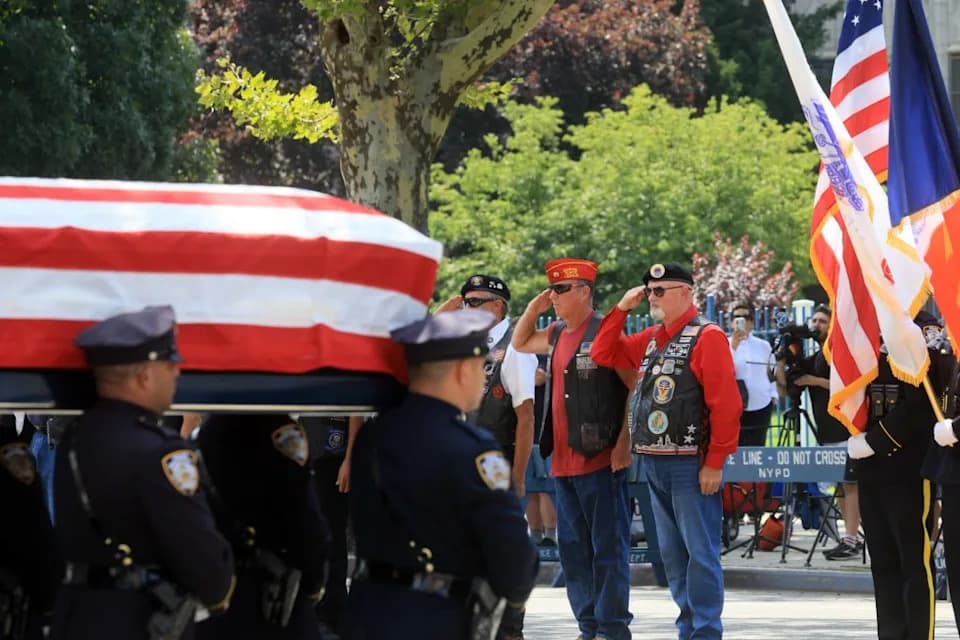
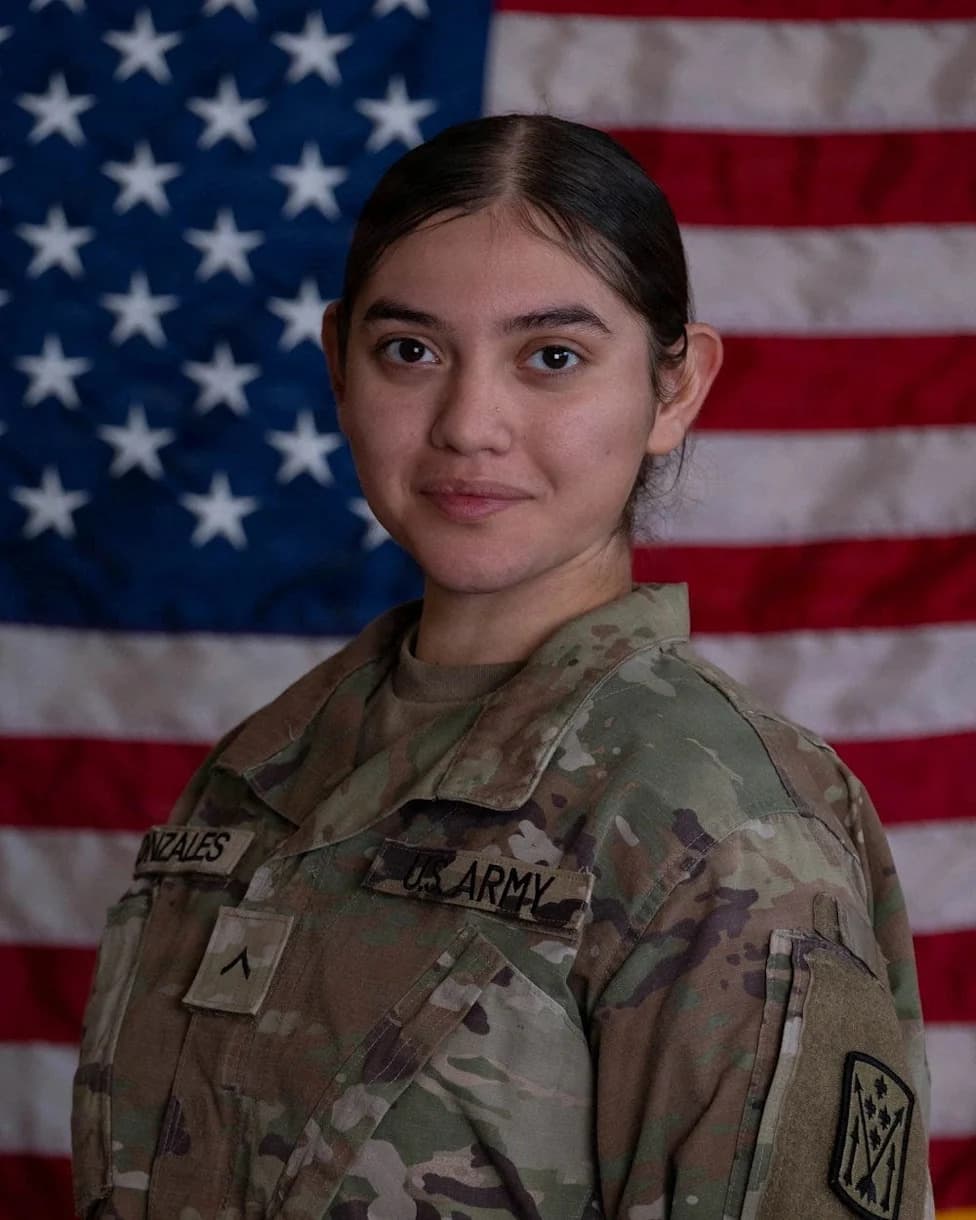
The Pentagon drew criticism after it reduced its public count of U.S. service members killed in the war with Iran from 18 to 14 in July, citing "temporary data disruptions" and "site anomalies." The move prompted anger from veterans and family members who said the change disrespected the fallen and their loved ones.
Within days the Defense Department's online systems produced inconsistent information. The Defense Casualty Analysis System (DCAS), the Pentagon's public casualty database, showed 14 fatalities — down from 18 just a week earlier — while a separate Defense Department page of "overseas operations casualties" continued to list the four service members that appeared to be omitted from DCAS. That forced the public to consult multiple pages and add the figures manually to understand the total.
Two months later, questions about the true toll deepened. The Washington Post reported, citing six U.S. officials with access to the department's internal casualty accounting, that the Pentagon's internal records may show at least 22 U.S. military fatalities in the region — four more than the public DCAS total of 18 and eight more than the 14 currently shown on DCAS. The Post noted it could not independently verify those figures and that details about the alleged additional deaths (identities, timing, location, and cause) remained unclear.
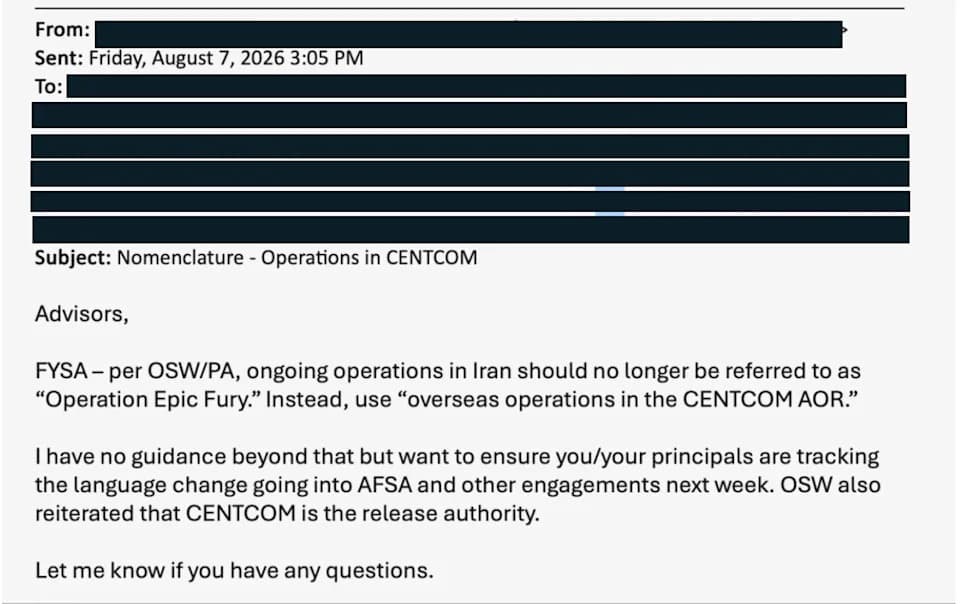
When asked about the discrepancy, Pentagon officials "declined to address questions about the accounting discrepancy," according to the reporting. That response drew scrutiny from lawmakers. Sen. Jack Reed (D-R.I.), ranking member of the Senate Armed Services Committee, accused the Defense Department of obscuring casualty numbers and reclassifying deaths under a different operation name to avoid contradicting the president — a practice he called "profoundly disrespectful to our troops and their families."
Sen. Tammy Duckworth (D-Ill.) has introduced the Honoring the Sacrifice of Troops in War Act, proposed legislation that would require the executive branch to maintain an accurate, public tally of U.S. casualties in the conflict. The bill has 17 Democratic cosponsors but has not been advanced by the Senate Republican majority.
Why the Discrepancy Matters
Accurate casualty accounting is essential for transparency, congressional oversight and for honoring service members and their families. The conflicting online records and the Post's report of a larger internal total have heightened calls for clearer, consistent public reporting from the Defense Department.
"Temporary data disruptions" and "site anomalies," the Pentagon said — but families, veterans and lawmakers want clear, consistent accounting of lives lost.
This article consolidates earlier related reporting and reflects developments available at publication.
Help us improve.