The recent surge in heating-oil prices since late February has hit small French businesses hard, especially bakeries that use oil-fired ovens. Kevin and Sandrine Luce report paying nearly the same amount for far less fuel, cutting into wages and investment. The French government announced a €450 million aid package, including commuter subsidies and direct winter energy payments for 5.8 million families. Rural communities — where heating oil and car use remain common — are facing disproportionate strain and political pressure to ease fuel taxes.
Crunch Time for French Bakers: Soaring Heating-Oil Prices Bite Into Baguette Business
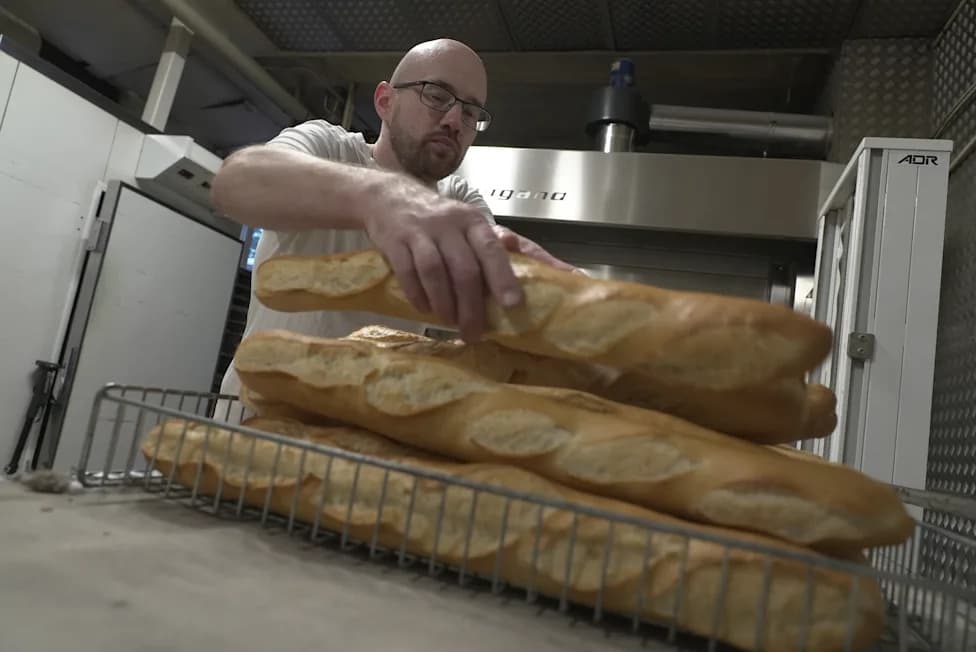
Baker Kevin Luce makes bread in Saint-Just-en-Chaussee, France, Thursday Sept. 24, 2026. (AP Photo/John Leicester)(AP Photo/John Leicester)
In the pre-dawn chill of Saint-Just-en-Chaussée, roughly 90 km (55 miles) north of Paris, Kevin and Sandrine Luce fire their oil-heated oven to 270°C (518°F) to achieve the crisp crust that defines a perfect baguette. What used to be a cost-saving choice has become a financial strain: the couple paid €2,230 for 2,000 liters of heating oil in March, and last week paid nearly the same amount for just 1,200 liters.
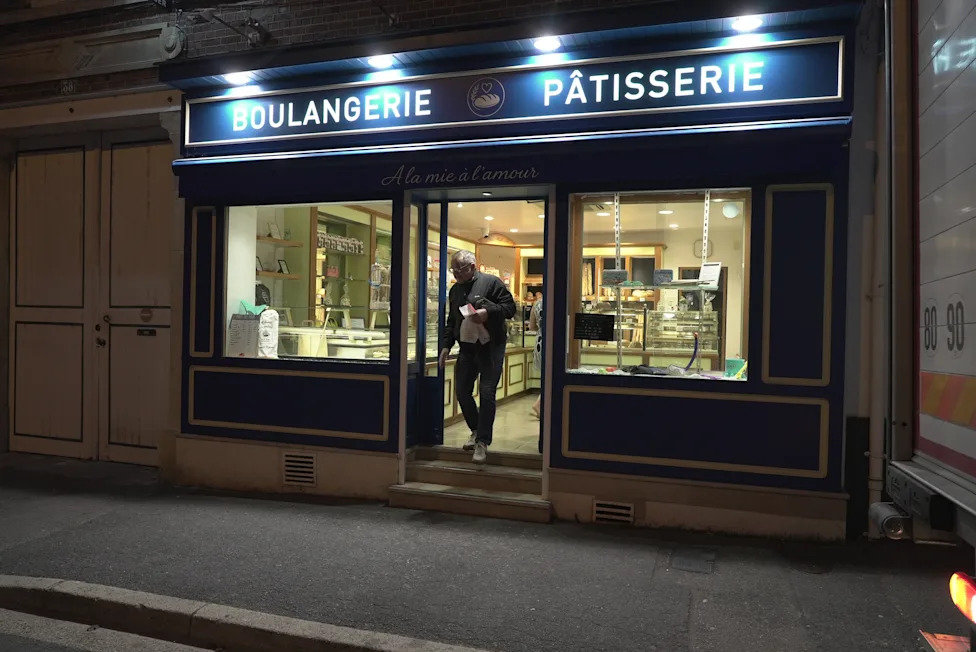
A customer leaves the bakery of Kevin Luce in Saint-Just-en-Chaussee, France, Thursday Sept. 24, 2026. (AP Photo/John Leicester)(AP Photo/John Leicester)
Fuel Spike Pinches Small Businesses
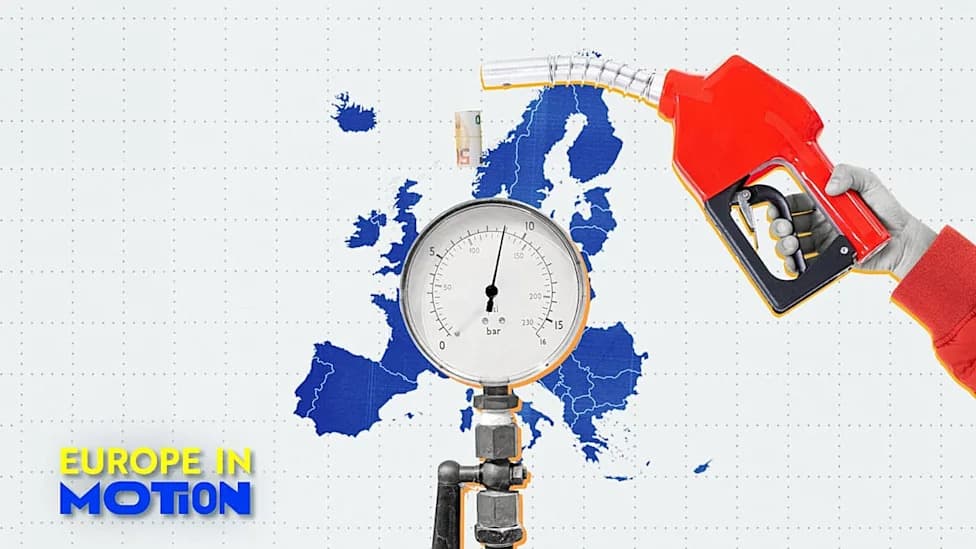
The sharp rise in fuel prices since late February, following heightened tensions involving Iran, has squeezed small businesses across France and Europe. Kevin Luce says an oil-fired oven was once cheaper than electric alternatives, but prices have climbed roughly 50% according to the couple's experience: "That is until the price increased by 50%. So, yes, now it's not a good deal."
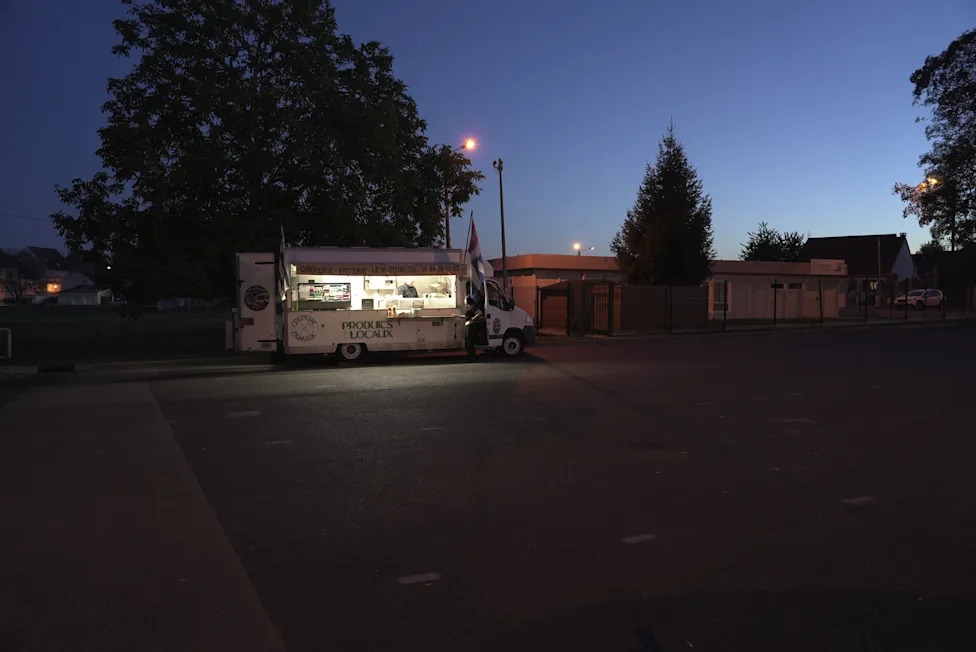
Martial Realland's food truck in Saint-Just-en-Chaussee, France, Wednesday Sept. 23, 2026. (AP Photo/John Leicester)(AP Photo/John Leicester)
Industry Impact
The national federation of bakeries and patisseries reports there are more than 34,000 bakeries in France producing about 6 billion baguettes a year, and about one quarter still rely on oil- or gas-fired ovens. For many small bakers, higher energy costs directly erode profits and limit wages, hiring and reinvestment.
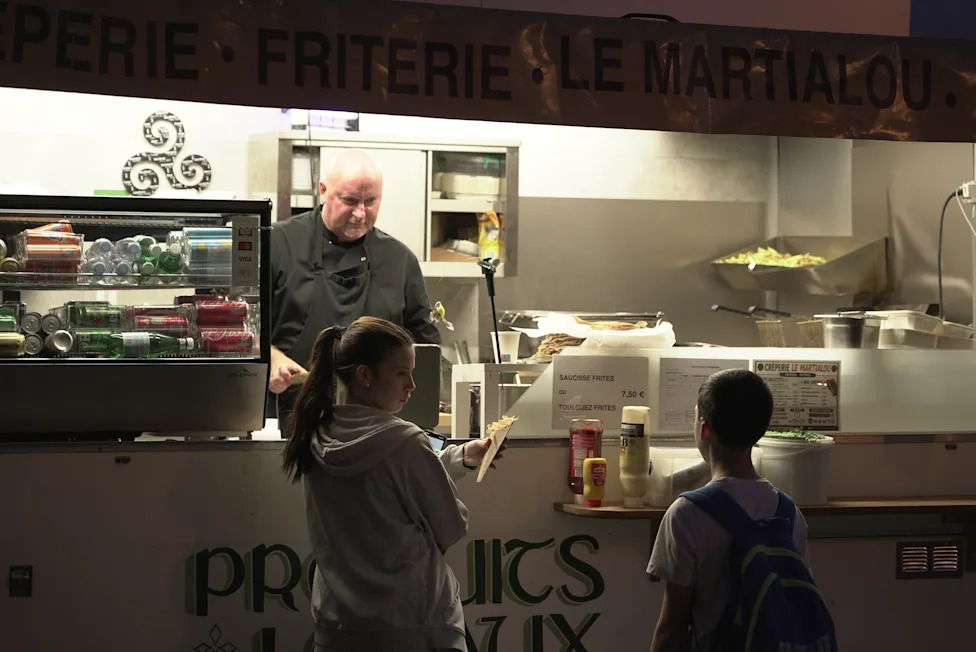
Martial Realland serves customers from his food truck in Saint-Just-en-Chaussee, France, Wednesday Sept. 23, 2026. (AP Photo/John Leicester)(AP Photo/John Leicester)
"All this superfluous expenditure on energy represents a loss of earnings. It's salary we can't take, it's salary increases we can't give to our employees. It's investments we can't make,"
—Kevin Luce
Rural France Feels the Pain
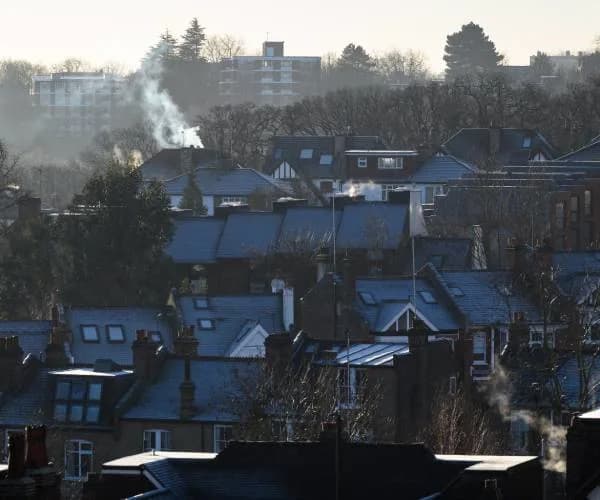
The energy shock is especially acute in rural areas, which make up nearly 90% of France's territory and house about 21 million people. Limited public transport means many residents and small businesses depend on cars or diesel-powered vehicles. Food-truck owner Martial Realland says filling his tank now costs around €200, up from €120 before late February, and he fears a winter heating bill that could reach €2,500 for a 1,500-liter tank.
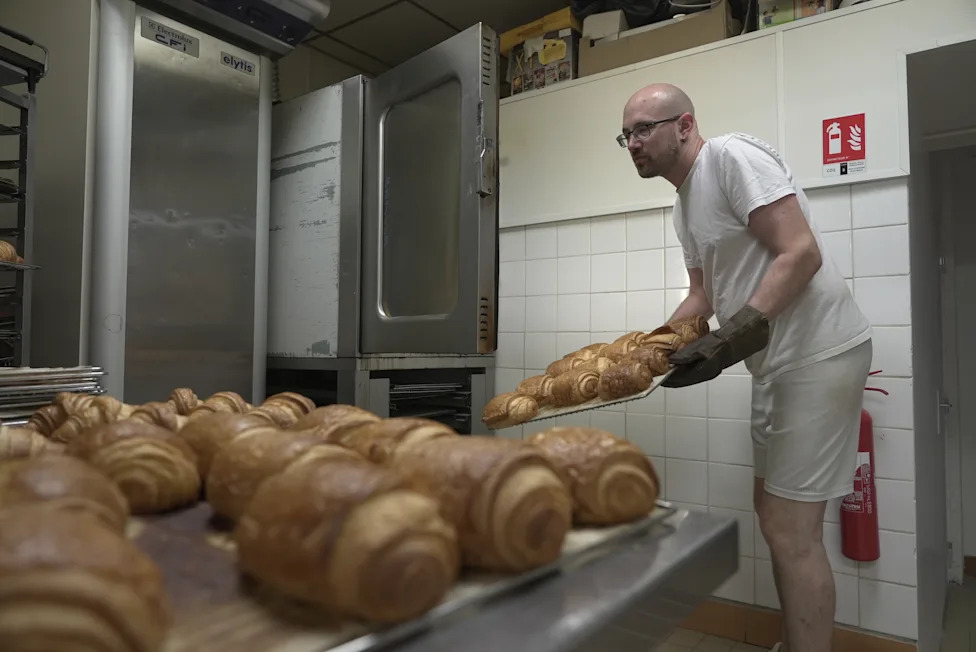
Baker Kevin Luce makes pastries in Saint-Just-en-Chaussee, France, Thursday Sept. 24, 2026. (AP Photo/John Leicester)(AP Photo/John Leicester)
Political Response and Broader Consequences
France responded with a roughly €450 million aid package that includes commuter subsidies for people traveling at least 15 km (9 miles) to work and winter energy payments of €48–€277 for about 5.8 million families. The government is also sensitive to the political fallout: memories of the yellow vest protests, which were fuelled in part by fuel costs, remain strong.
Some lawmakers from rural districts, including National Rally representative Christine Loir, are pushing to reduce taxes on heating oil to ease pressure on households and small enterprises. For now, many business owners are making painful choices: turning down long-distance work, delaying investments, or risking cold homes to save on heating costs.
A Decision on Prices
Despite the squeeze, the Luces have held their baguette prices steady: a basic baguette remains €1 and a traditional baguette €1.10. Kevin Luce says raising prices would likely alienate regular customers and still wouldn't recoup the losses: "They shouldn't have to pay more. They're already paying enough at home."
Report contributions: Mike Corder in The Hague.
Help us improve.