Historic heat waves and persistent drought in France have depleted summer pastures and stressed grazing dairy herds, forcing many artisanal cheesemakers to buy supplemental feed or halt production. Salers was hit particularly hard, with over three quarters of producers pausing output, and national records show July was the hottest month since 1900. An INRAE study found that milk from mainly grass‑fed cows yields richer, more aromatic cheeses with higher omega‑3 levels. Regulators have approved temporary AOP relaxations for some cheeses, but producers warn prolonged climate shifts threaten both terroir flavors and livelihoods.
Historic Heat Waves Threaten France’s Iconic Terroir Cheeses
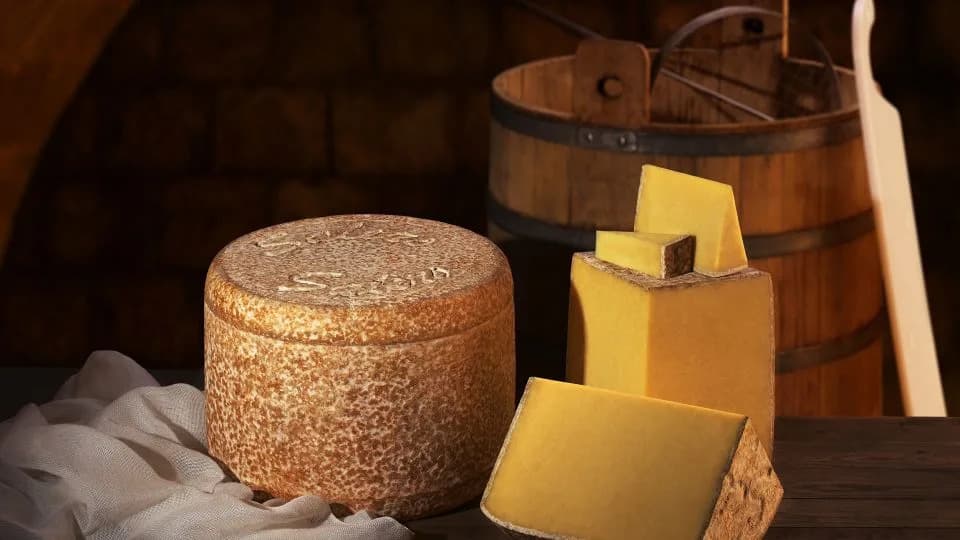
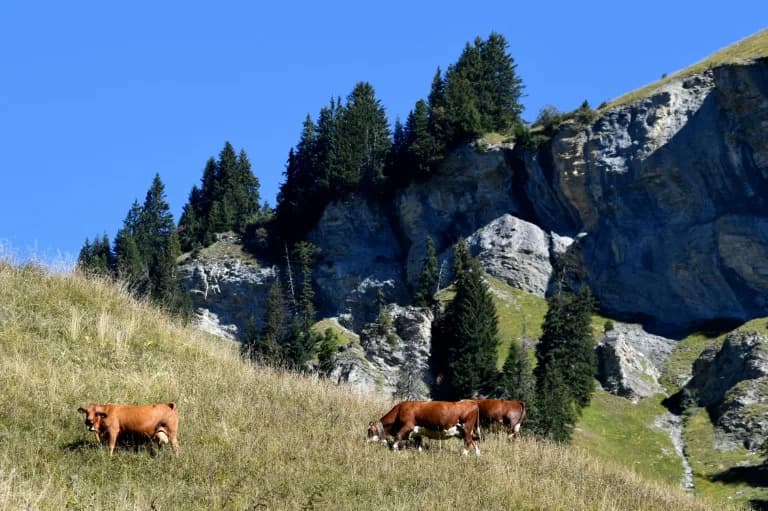
Producers of a French cheese called Salers, and other cheesemakers in France, are struggling with the effects of heat and drought. - Comité Interprofessionionel des fromages cantal, salers AOP
Historic heat waves and prolonged droughts this summer have stripped pastures across France, forcing many summer‑grazing dairy herds into heat stress and depriving cheesemakers of the grass that gives many artisanal cheeses their distinctive flavors.
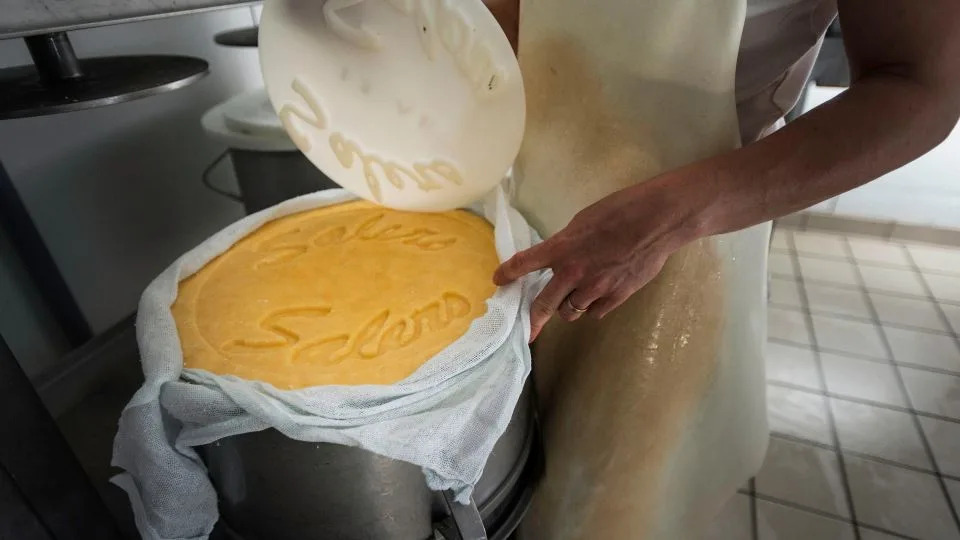
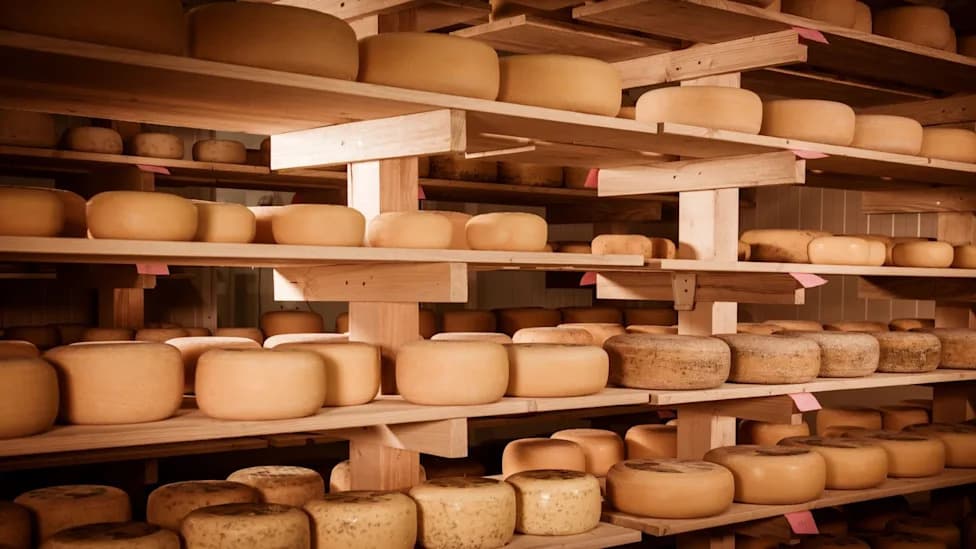
This summer, many producers of Salers — a semi-hard, raw cow's milk cheese — had to halt production. - Hemis/Alamy Stock Photo
Production And Regulations Under Strain
The effects have been acute for cheeses bound by strict AOP (Appellation d'origine protégée) rules. More than three quarters of Salers producers — roughly 80 in total — were forced to stop production this season after repeated heat waves and drought depleted mountain pastures. Salers must be produced between April 15 and November 15 from cows that are mainly grass‑fed, with supplementation capped at 25% of dry matter and feeds sourced from the same region, which makes adaptation difficult.
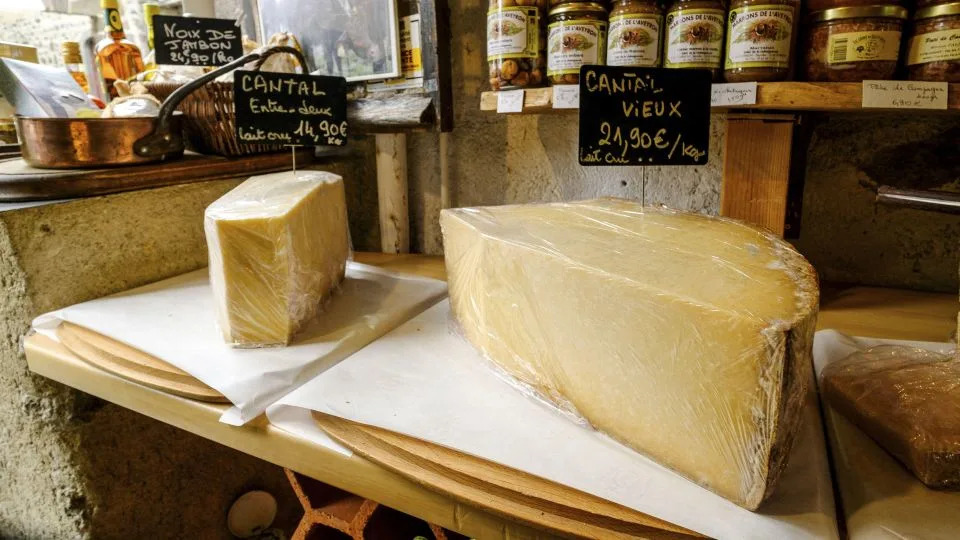
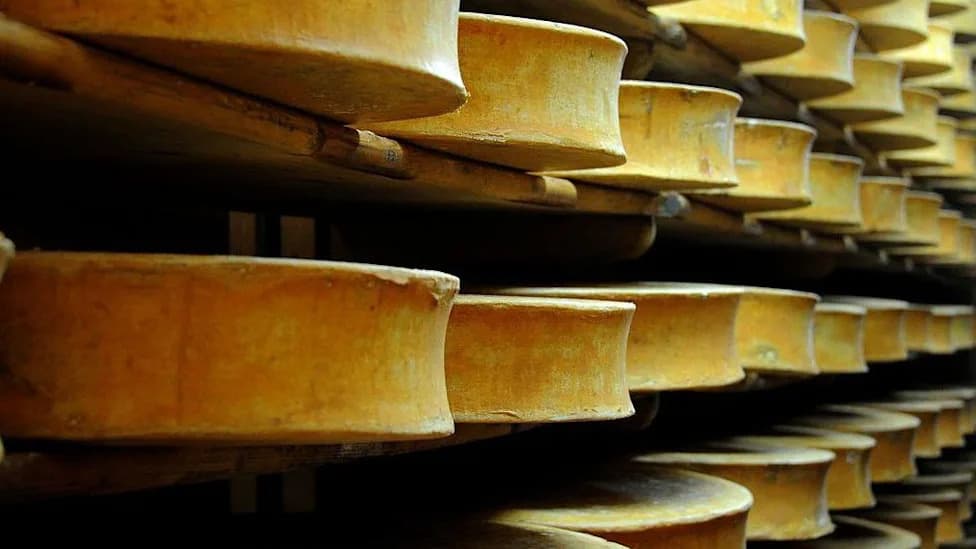
Some Salers makers switched to making Cantal, a semi-hard cow's milk cheese similar in profile but subject to laxer rules. - imageBROKER.com/Alamy Stock Photo
Laurent Lours, a dairy farmer and cheesemaker with 35 years of experience, says the extremes are becoming routine: he used to see grass shortages every 15–20 years; now it happens about every other year.
Farmers like Lours have switched temporarily to making Cantal, a similar but less restrictive cheese, or halted production entirely. Cantal can be produced year‑round and requires cows to graze a minimum of 120 days per year, and allows a more flexible balance of hay, grain and corn.
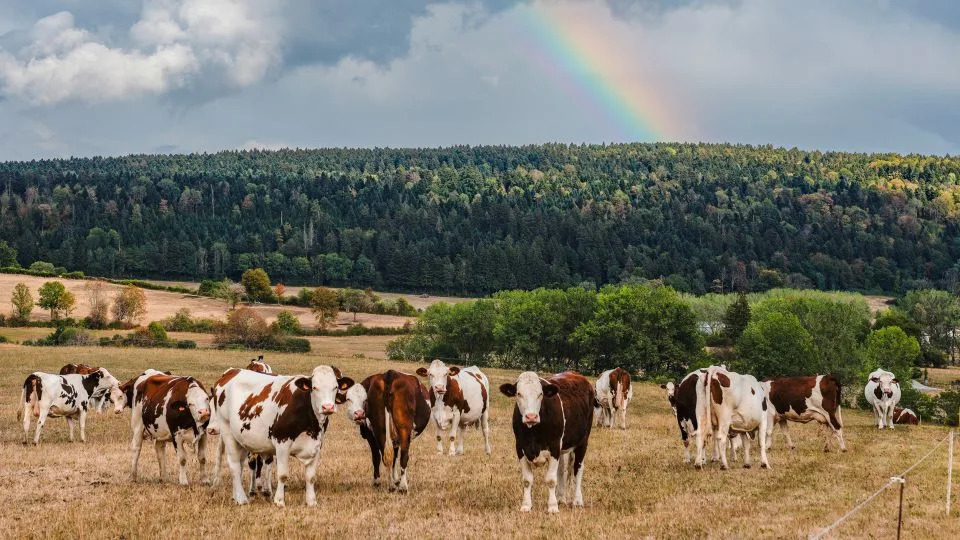
Montbéliarde cows are used for Comté cheese production. Comté is among a handful of cheeses for which farmers have received authorization to loosen production requirements in response to climate strain. - Horacio Villalobos/Corbis/Getty Images
Regulatory Responses
The INAO, the French body that oversees AOP protections, announced temporary modifications this summer in response to what it called a historic drought. Producers of cheeses such as Beaufort, Comté and Abondance have been allowed to increase the share of supplementary fodder or source feed from outside their AOP zones. Some producers, however, resisted exceptions for Salers because they felt meaningful relaxation would compromise the name's integrity.
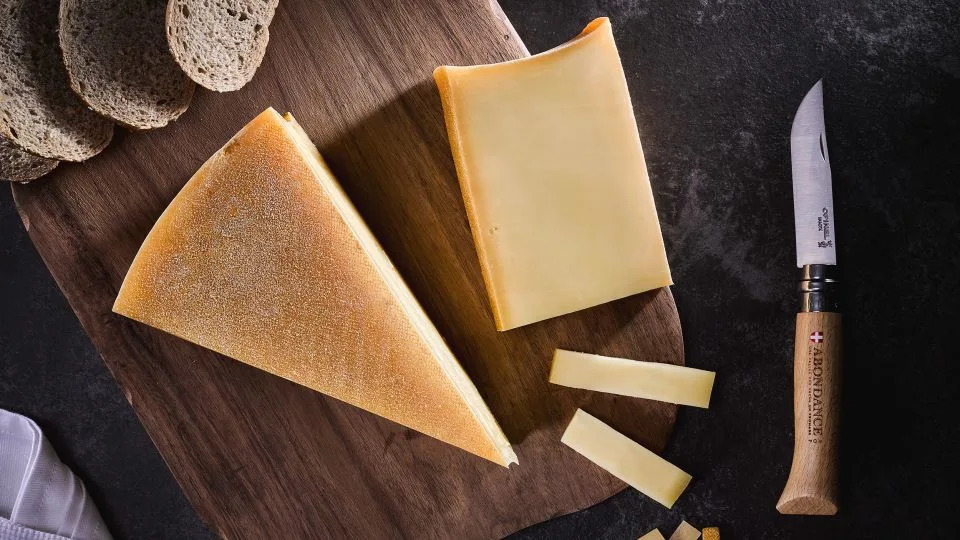
Producers of Abondance, a semi-hard cheese produced in Haute-Savoie in the southeast, also report difficulty fulfilling grazing requirements associated with the product. - SIFA/Thuria/Semaphore/Madelon
What Science Shows About Grass‑Fed Milk
Research from INRAE simulated drought by feeding cow groups different ratios of grass, hay and corn, then produced Cantal from their milk. The study found that milk from predominantly grass‑fed cows made cheeses that were richer in flavor, softer and yellower, and contained higher omega‑3 levels. Cheeses from cows fed little or no fresh grass tended to be firmer, paler and less aromatic.
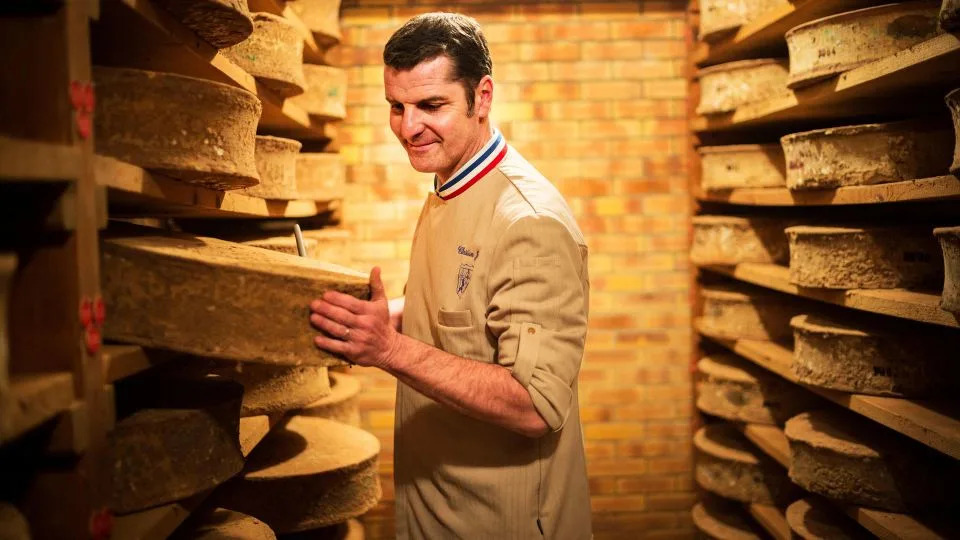
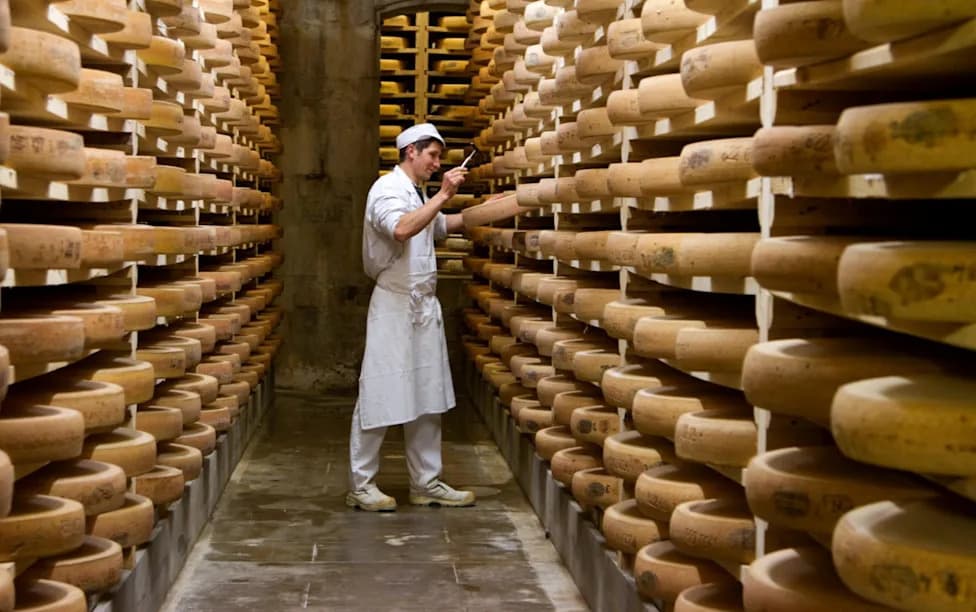
Christian Janier is a fourth-generation cheesemonger in Lyon, in the Auvergne-Rhône-Alpes region. - Hemis/Alamy Stock Photo
INRAE: When cows graze on pastured grass, cheeses are softer, more aromatic and higher in healthy omega‑3s; reduced grazing produces blander, firmer cheeses.
Economic And Cultural Consequences
Heat stress also reduces milk yields. Farmers report roughly a 10% drop in production and the effective loss of about a month of outdoor grazing each year. Salers output fell from about 1,500 tonnes annually in the early 2010s to roughly 1,000 tonnes today. Many producers have tapped winter hay reserves and spent tens of thousands of euros on extra feed — Lours estimates nearly €30,000 this summer alone. Producer Stéphanie Gardes says she lost about €20,000 last year and that switching to Cantal reduces revenue by roughly €3 per kilo compared with Salers.
Beyond short‑term losses, makers warn that prolonged climate shifts threaten the terroir‑driven flavors that distinguish France's cheeses and the livelihoods and traditions built around them.
Outlook And Adaptation
Cheesemakers, regulators and researchers are weighing tradeoffs between preserving AOP standards and allowing pragmatic changes so farms can survive. Some propose adjusting grazing windows, raising permitted supplemental feed allowances, or permitting feed sourced from outside AOP zones — changes that can take years to approve. Meanwhile, many producers are already adapting by changing productions, investing in feed, or altering herd management to protect animal welfare and preserve cheese quality where possible.
As climate extremes intensify, the future of several of France's most celebrated terroir cheeses will depend on a mix of scientific guidance, regulatory flexibility, and farmers' ability to absorb rising costs without losing the characteristics that make their cheeses unique.
Help us improve.