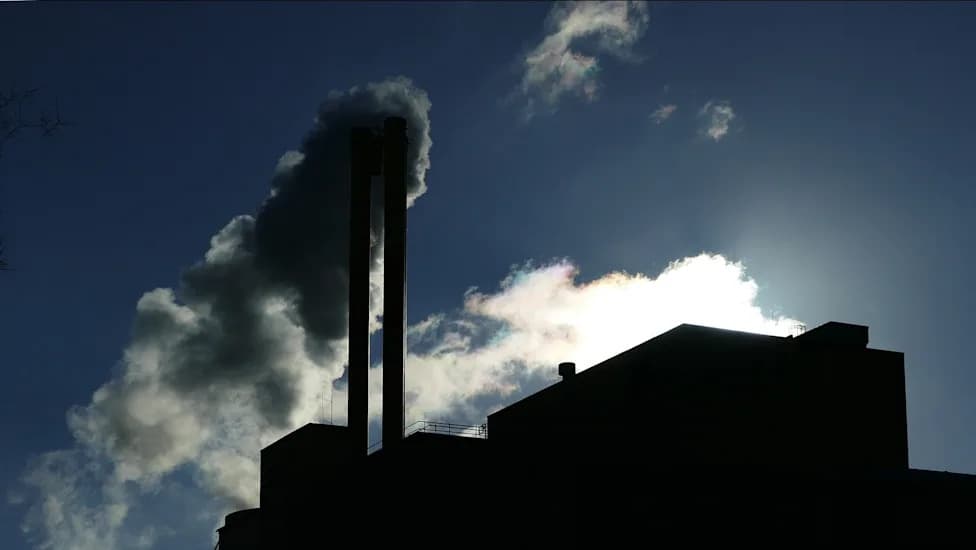
Overview: U.S. households that heat with oil are facing sharply higher bills this winter after disruptions tied to the Iran conflict tightened global crude supplies. NEADA projects the average household will pay about $1,030 for heating—an 8.7% increase from last year—with heating oil prices expected to rise roughly 31.3%. Lawmakers are being urged to boost LIHEAP funding from about $4 billion to $7 billion, while officials warn that current aid reaches only roughly 20% of eligible families. A developing El Niño may moderate demand, but many households are still likely to struggle.
Heating Oil Bills Could Soar 31% This Winter as Iran Conflict Tightens Supply
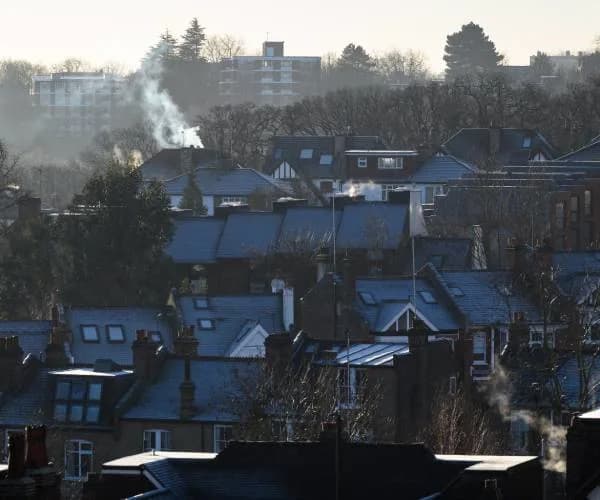
(Getty Images)
Americans who rely on home heating face substantially higher bills this winter after disruptions tied to the Iran conflict tightened global crude supplies, a national association of energy-assistance officials warned. The National Energy Assistance Directors Association (NEADA) projects the typical U.S. household will spend about $1,030 on heating this season—an $82 increase from last year and an 8.7% rise overall.
Projected Costs and Fuel-by-Fuel Increases
NEADA’s forecast shows uneven pressure across fuel types. Heating oil, widely used in the Northeast, is expected to see the steepest jump at about 31.3%. Electricity costs are projected to climb roughly 9%, propane about 8.7%, and natural gas near 5.8%.
Maine Snapshot: A Sharp Local Impact
In Maine, the state Department of Energy Resources reported heating oil averaged $5.77 per gallon on Monday — a 74% increase from a year earlier. That rise means filling a standard 275-gallon tank now costs nearly $675 more than it did a year ago, adding severe strain to household budgets.
"This is a warning that too many families are entering winter with no room left in their budgets," said NEADA Executive Director Mark Wolfe.
Alicia Fasulo, who manages heating assistance at The Opportunity Alliance, a nonprofit serving southern Maine, told ABC News, "The cost of fuel has never been this high since I started with the heat program seven years ago."
Why Prices Are Rising
NEADA and other analysts attribute the spike in part to events in late February, when U.S. and Israeli strikes on Iran prompted Tehran to largely close the Strait of Hormuz, a key chokepoint that handles about one-fifth of global oil flows. Crude oil traded around $72 per barrel before the conflict and climbed to roughly $103 per barrel by Friday, according to reporting by ABC News.
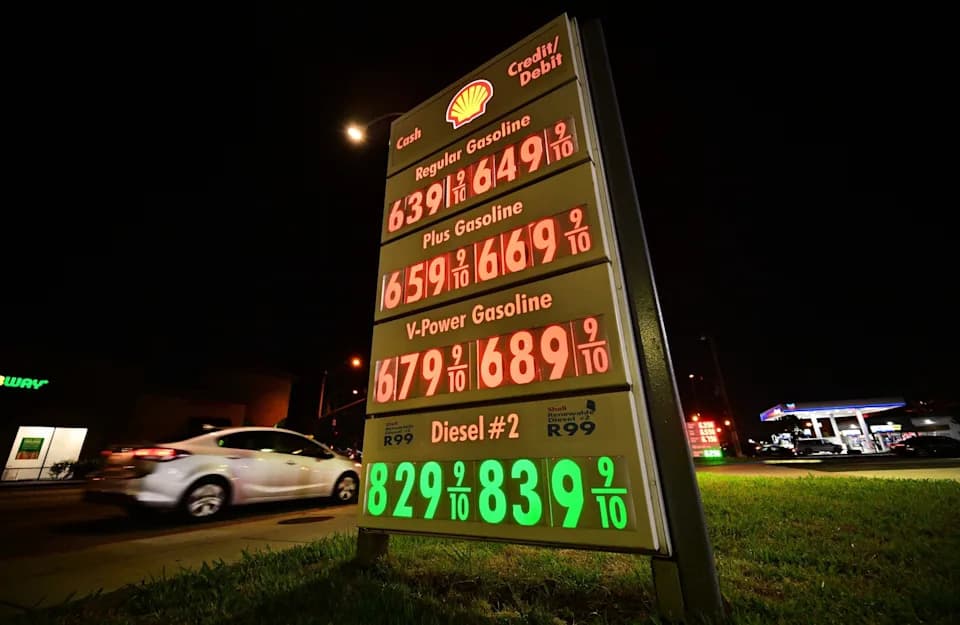
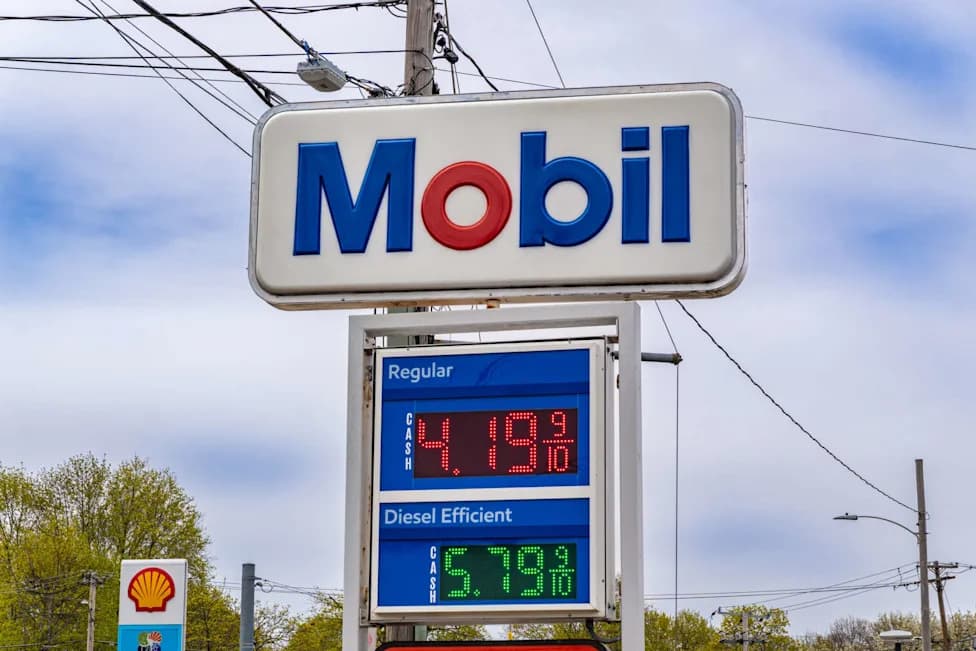
Retail fuel prices have followed: AAA put the national average for regular gasoline at $4.48 and diesel at $6.49 — the highest diesel average on record.
Relief, Limits, and Calls for Federal Action
The federal Low Income Home Energy Assistance Program (LIHEAP) is currently funded at about $4 billion a year and reaches only an estimated 20% of eligible households, said David Konisky, a political science professor at Indiana University and co-director of the school's Energy Justice Lab. "There is much more demand than there are resources to fill that demand," he told ABC News.
NEADA is urging Congress to raise LIHEAP funding to $7 billion so more households can get help before cold weather arrives. "Congress cannot wait for the first cold snap," Wolfe said.
Outlook
NEADA noted one moderating factor: a developing El Niño pattern that is forecast to bring a warmer-than-normal winter in many U.S. regions, which could limit heating demand. Still, experts warn many families will face difficult trade-offs as they balance higher energy costs against other essential needs.
Help us improve.