France’s farm ministry warns that 2026 wine production could be one of the weakest in 30 years, estimated at 33.9 million hectolitres — down 6% year-on-year and 17% below the 2021–2025 average. Summer heatwaves and prolonged drought have caused sun scald, defoliation and reduced yields across many regions. Champagne and Bourgogne–Beaujolais face particularly steep declines, while Languedoc–Roussillon shows some recovery. The government has announced an emergency aid package of more than €1 billion for struggling farmers.
France Faces One of Its Worst Wine Harvests in 30 Years After Record Heatwaves
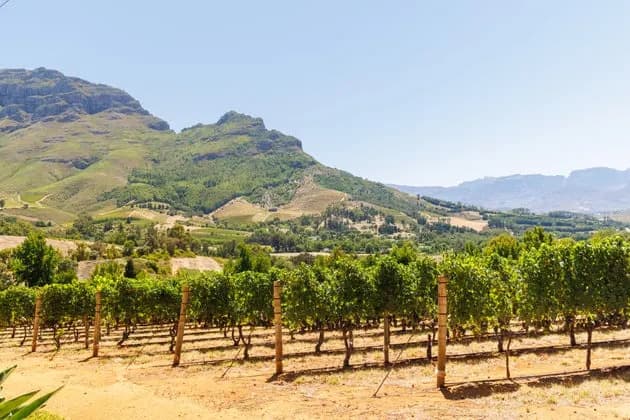
French wine production is on track to be among the weakest in three decades, the government’s farm ministry said on Monday, blaming shrinking vineyard area and intense summer heat and drought that damaged vines and grapes.
In its first estimate for 2026 output, the world’s second-largest wine producer after Italy put production at 33.9 million hectolitres — about 6% lower than last year and 17% below the 2021–2025 average. (A hectolitre equals 100 litres, or roughly 133 standard 750ml bottles.)
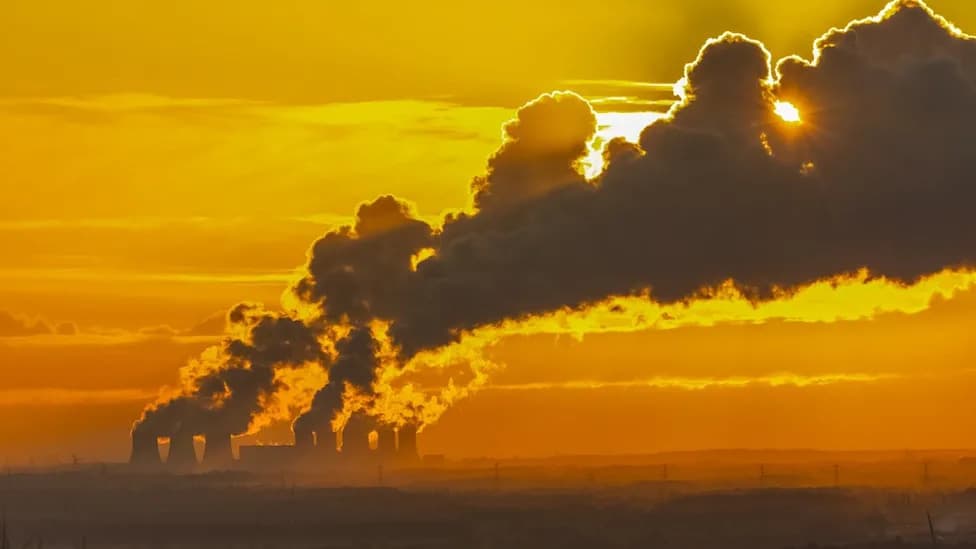
Although spring conditions initially suggested a better harvest, the ministry said prolonged drought and repeated heatwaves through the summer caused widespread damage and reduced yields across many regions.
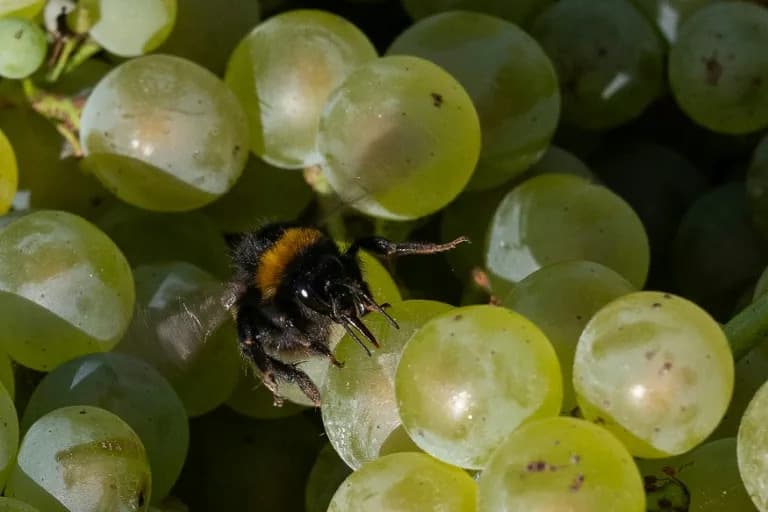
"Soil drought intensified across the entire region, and heat waves have caused localized sun scald, scorching, defoliation, and wilting of the grapes, reducing harvest volumes," the ministry said in a statement.
If confirmed, this would be France’s third consecutive weak vintage following low output in 2024 and 2025. The total production area fell by 2.5% this year, reflecting longer-term adjustments as oversupply and falling wine consumption have prompted some growers to uproot vines.
Regional Outlook
Regional forecasts show sharp disparities: Champagne output is expected to halve compared with 2025, while Bourgogne–Beaujolais could fall by about one-third. Val de Loire and Charentes are forecast to decline by roughly 12% and 6% respectively. By contrast, Languedoc–Roussillon, France’s largest producing basin, is expected to rise about 5% from last year’s weak harvest thanks to better yields, though its output will still remain below average.
Bordeaux looks set to recover roughly 10% from 2025 after late-August rains eased drought stress, but production there will remain well under the five-year average.
Wider Agricultural Impact and Support
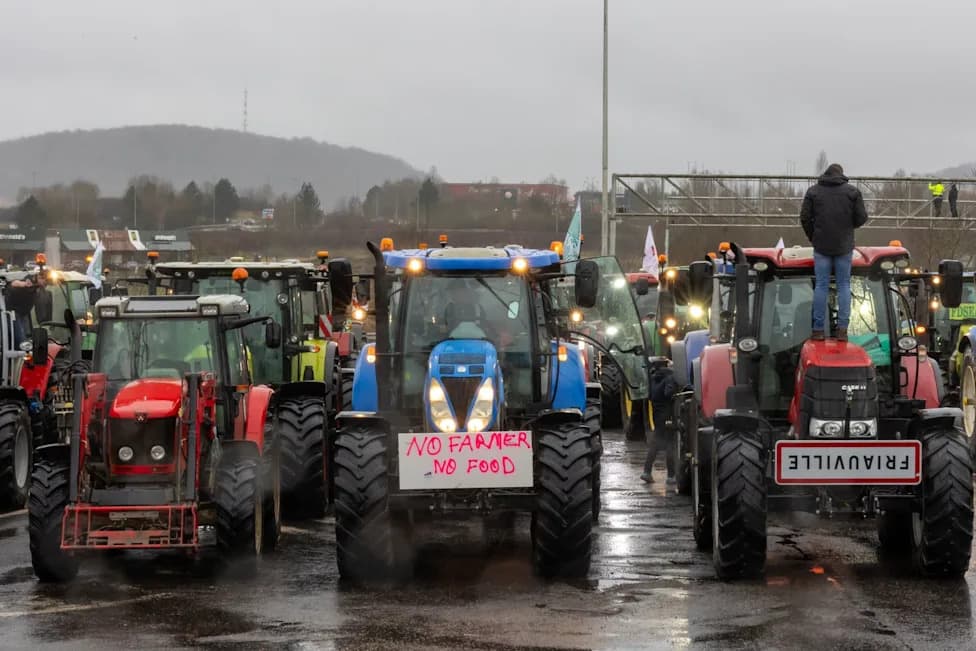
Beyond vineyards, most French agricultural producers have been hit hard by this summer’s record heatwaves, which devastated crops, pastures and water supplies. On Friday, France announced an emergency aid package of more than €1 billion ($1.16 billion) to help farmers cope with the damage.
Market observers say repeated weak harvests raise questions about global supply, prices for premium French wines, and the accelerating effect of climate change on traditional wine regions. Producers are weighing short-term relief measures alongside longer-term adjustments to grape varieties, irrigation and vineyard locations.
Help us improve.