Energy suppliers in Northern Ireland have imposed significant price increases on gas and electricity, with SSE Airtricity raising gas prices by nearly 19% and Share Energy increasing electricity by 12.6%. The changes will add roughly £172 and £129 a year respectively for many households, while Firmus Energy announced further regional rises. Vulnerable groups — including families with young children, students, older people and terminally ill patients — are reporting growing hardship, and campaigners are calling for targeted support such as a social tariff. A one-off, UK-funded £63 electricity reduction will be applied automatically to help some households.
Sharp Energy Price Rises Hit Northern Ireland Households — Calls Grow For Targeted Support
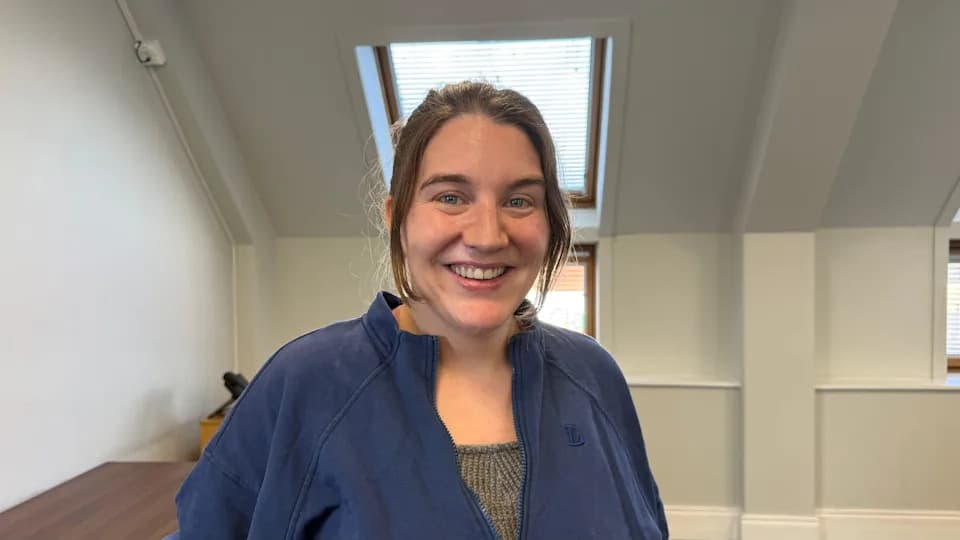
Lucy Kells is a mum of two in east Belfast on maternity leave [BBC]
Households across Northern Ireland are facing mounting cost-of-living pressure after several major energy suppliers implemented significant price increases this week. The rises affect gas, electricity and heating oil, and campaigners warn they are pushing more people into fuel poverty.
Price Rises Across Suppliers
SSE Airtricity, the region's largest natural gas supplier, raised its prices by almost 19% for about 200,000 domestic and small-business customers. That increase is expected to add roughly £172 a year to a typical household bill in the Greater Belfast and west gas network areas. The company cited "unprecedented levels of volatility in global energy markets and higher wholesale gas prices" as the cause.
Share Energy has announced a 12.6% rise in electricity prices, adding an estimated £129 a year for its 41,000 customers. Firmus Energy also confirmed an 8.98% gas price rise for around 77,000 customers in the Ten Towns network from 1 October, equivalent to about an £87 annual increase; this follows a 15.65% increase in July 2026.
Industry observers link much of the wholesale-price volatility to recent geopolitical events in the Middle East, which have pushed UK wholesale gas prices substantially higher.
Who Is Being Affected?
Families, students, older people and those receiving end-of-life care are reporting real hardship. Lucy Kells, a mother of two in east Belfast on maternity leave, said keeping the home warm will be difficult this winter: 'Most people are going to have to have the heating on, especially if you've young kids in the house. There's no escaping it — everything feels more expensive and it is more expensive.'
At community hubs such as Woodstock Library, branch manager Nuala Hyde says more people — including older residents — are using free activities and the warm space the centre provides. 'We are providing an essential service at the minute when people are struggling,' she said.

Nuala Hyde said she has noticed more people using her branche's free activities to combat the rising cost of living [BBC]
Students also feel squeezed. Final-year student Ryan McStay described how a 12.5% rise from his supplier left him and his flatmates 'shocked', and said the cost pressures are making him consider moving abroad after graduation.
Impact On People With Serious Illnesses
"People are struggling more, and the problem is that your energy needs increase hugely when you're dying at home." — Naomi Campbell, urgent hospice care nurse, Marie Curie
Marie Curie nurse Naomi Campbell warned that patients receiving palliative care at home are especially vulnerable. Higher energy needs — to stay warm, manage sleep patterns and power essential medical devices — combine with extra costs such as transport to appointments. Naomi said some patients refuse helpful services because they cannot afford the electricity bills and called for a targeted 'social tariff' for people with terminal illnesses.
Support Measures And Guidance
The UK-funded one-off £63 electricity reduction for Northern Ireland households will be applied automatically this month. Bank-payment customers will see the reduction on their bills; pay-as-you-go customers will receive £63 in credit when they top up. Pay-as-you-go customers are advised not to top up more than £112 in a single payment if they want the full £63 applied at once, because some meters accept a maximum payment of £175 and larger top-ups may split the credit across subsequent payments.
Separately, a means-tested scheme offering a £100 voucher for some heating oil users opened for applications last month; the scheme is jointly funded by the Northern Ireland Executive (Stormont) and the UK government. Around two thirds of homes in Northern Ireland rely on home heating oil — data from the Consumer Council shows 500 litres now costs about £560, more than double the price a year earlier.
What Campaigners Want And The Outlook
Raymond Gormley, Head of Energy Policy at the Consumer Council, said continued volatility in wholesale costs — linked to geopolitics in the Middle East — is driving the rises and that other unregulated suppliers may increase tariffs. Campaigners and carers are urging targeted support measures, including a dedicated social tariff for people with terminal illnesses and other vulnerable groups, to prevent further hardship.
With multiple suppliers raising prices and wholesale markets remaining volatile, families, older people, students and patients who rely on home care face tighter budgets and difficult choices this winter.
Help us improve.