The Ipsos and Secours Populaire Français survey of 10,000 adults across ten European countries finds energy poverty has become widespread: 29% feel precarious and 73% fear they cannot afford fuel. More than one in three have cut major expenses such as food or healthcare, and 23% admit to postponing medical appointments. Nearly seven in 10 households have adopted at least one energy-saving measure, from lowering heating to avoiding appliances.
Rising Energy Bills Force Europeans to Skip Family Visits, Commutes and Medical Care
Europeans are skipping family visits and medical appointments to pay energy and fuel bills, study finds
Across Europe, rising energy and fuel costs are reshaping household choices — with many people skipping trips, cutting essential spending and even missing medical appointments to cover bills.
Survey Findings
An annual survey by Ipsos and Secours Populaire Français interviewed 10,000 adults (18+) across ten countries — France, Germany, Greece, Italy, Moldova, Poland, Portugal, Romania, the United Kingdom and Serbia — and found widespread financial strain linked to energy prices.
Key statistics: 29% of respondents say they live in precarious conditions, and 73% fear they will be unable to afford fuel. More than one in three Europeans report cutting major expenses such as food and healthcare to pay energy or fuel bills. Alarmingly, 23% say they have skipped medical appointments because of rising costs.
How Households Are Coping
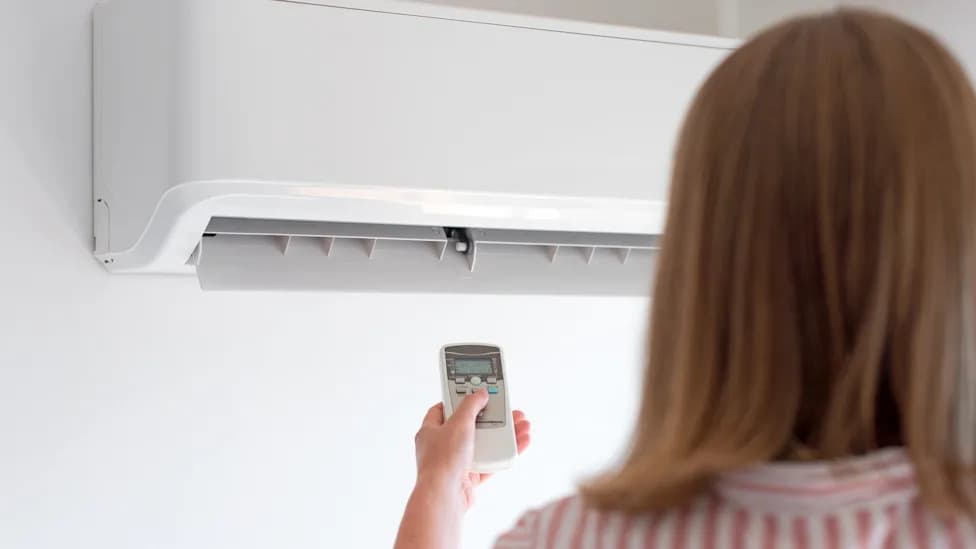
Nearly seven in 10 respondents say they have adopted at least one measure to lower energy use, and just over half report using several tactics. Common measures include lowering or turning off heating in some rooms, avoiding use of particular appliances, and taking cold showers. French and Greek households are most likely to switch off heating in specific rooms, while respondents in Moldova commonly avoid using certain electrical appliances.
When forced to make trade-offs, people most often cut holidays and long-distance visits to relatives. About three in 10 Europeans say they have stopped driving to work, even when it means much longer commutes by public transport or other means.
Regional Differences and Price Drivers
Respondents in Greece, Italy and Portugal expressed the most concern about fuel costs. The report also notes that people in Moldova and Greece are making sacrifices up to three times more often than those in Germany and the UK.
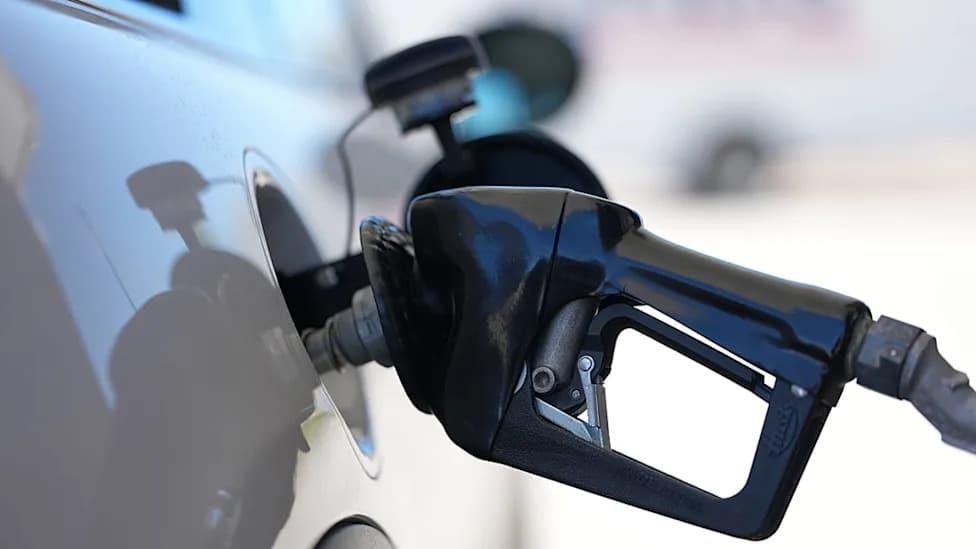
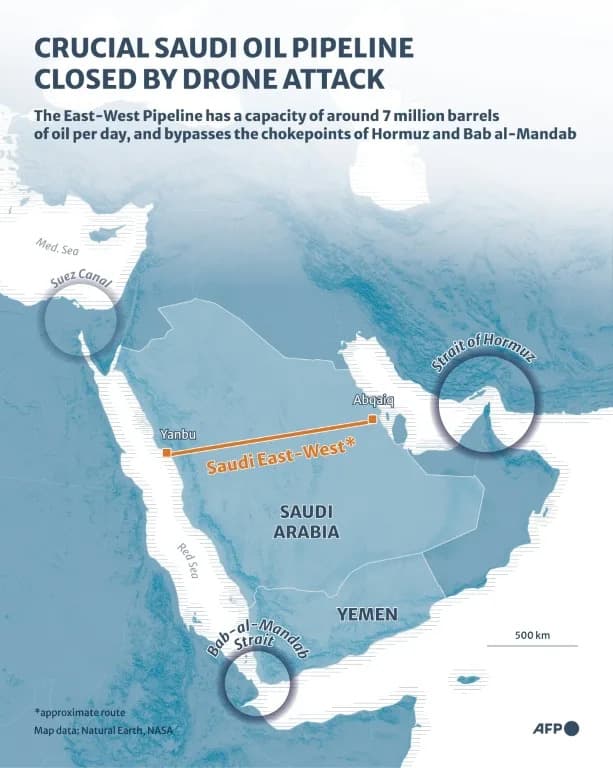
Analysts cite global events — including Russia's war in Ukraine and the conflict in the Middle East — as drivers of higher energy prices. Following renewed attacks on shipping in the Strait of Hormuz, Brent crude climbed above $100 a barrel on 9 September. Portugal recorded a historic single-day jump in fuel and diesel prices on 7 September, reaching its highest diesel price on record.
Implication: Energy affordability is now a persistent source of vulnerability for European households, forcing difficult trade-offs that can affect health, mobility and social connections.
Help us improve.