The field gentian, once abundant in parts of southern England such as the New Forest, may have been wiped out locally after consecutive record-hot, drought-hit summers, including 2026. The Species Recovery Trust reports no sightings in the New Forest for two years following steep declines after the 2022 40°C heatwave. Experts warn this apparent local extinction is a warning sign of broader biodiversity loss as climate extremes become more frequent.
Rare Field Gentian May Have Been Wiped Out From Southern England After Record Heat and Drought
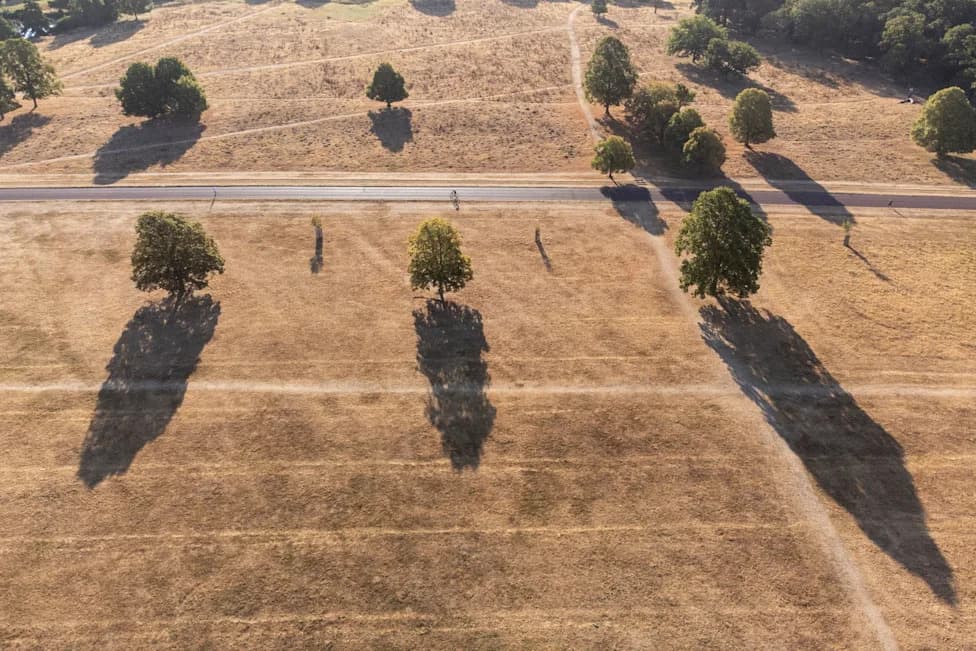
FILE PHOTO - A cyclist is surrounded by brown grass which has gone dry in the drought-like conditions in Richmond Park. (is associated with: «Rare flower wiped out in southern England in record heat and drought») Ben Whitley/PA Wire/dpa
A once-common wildflower, the field gentian (Gentianella campestris), may have been eliminated from large parts of southern England after a sequence of record-breaking heatwaves and prolonged drought, conservationists warn.
The Species Recovery Trust, which works to protect some of Britain’s most threatened species, says it has been unable to find a single field gentian in the New Forest for a second consecutive year. The group described the apparent disappearance of a plant that was formerly abundant in some sites as "deeply worrying" and a possible early indicator of wider biodiversity loss driven by climate change.
How the Decline Unfolded
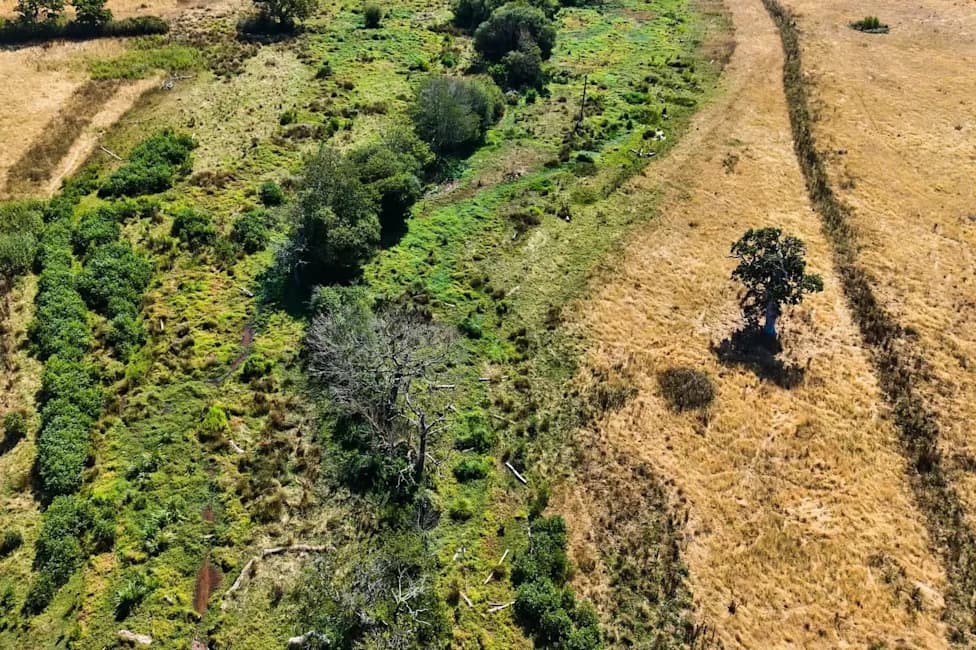
Field gentian historically flowered across Britain and was especially noticeable in the New Forest, Hampshire, where individual sites commonly hosted more than 5,000 plants, making precise counts difficult. The plant favors dry, low-nutrient "skeletal" grasslands that are particularly vulnerable when summers become hotter and drier.
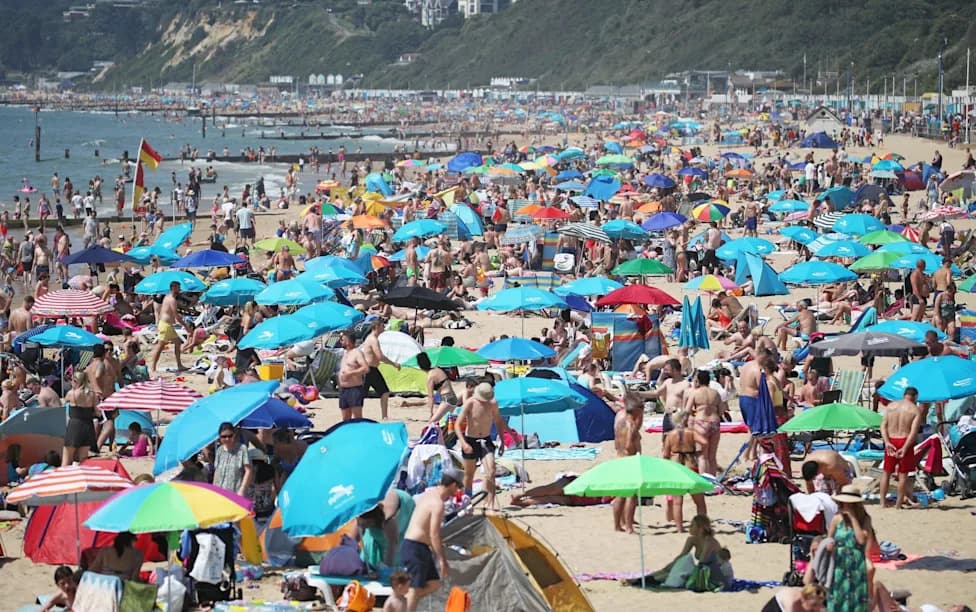
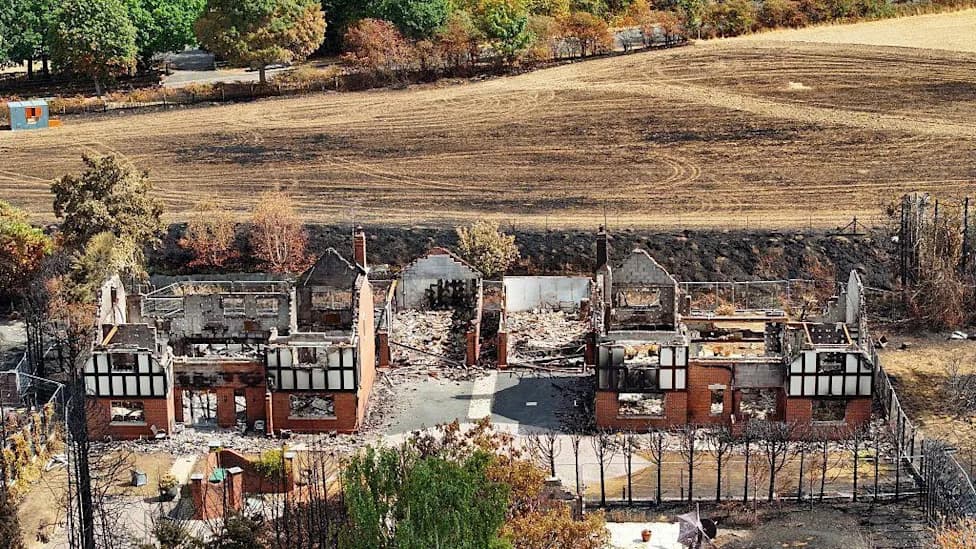
In 2022 the UK recorded 40°C for the first time on record during an exceptionally hot, arid summer; that event coincided with severe crashes in field gentian populations across southern sites and a local extinction at county level in Devon. Numbers showed a modest recovery in 2023, and experts hoped the New Forest strongholds would persist because of their size and the potential for seeds to move into sheltered patches via livestock.
However, successive extreme summers and droughts in 2025 and again in 2026 appear to have overwhelmed those refuges. The Species Recovery Trust reports no sightings in the New Forest for two years running.
"This loss of what was such an abundant plant is deeply worrying, and in many ways, it feels like a canary in the mine for how climate change is likely to accelerate species loss," said Dominic Price, director of the Species Recovery Trust.
Price added there remains "potential for a miracle" if a markedly wetter year allows the species to rebound, but noted that past evidence suggests field gentian often fails to return once lost from a site.
Outlook and Response
There are still populations of field gentian in northern England and Scotland, but experts caution these too could be at risk if extreme hot, dry conditions become more frequent and widespread. Leanne Sargeant, nature recovery manager at Forestry England, said site management in the New Forest had not changed and that the population crashes appear linked to climate-driven drying.
Conservationists are calling for improved monitoring, targeted habitat management, and wider action on climate change to help safeguard vulnerable species and habitats that sit on the front line of warming and drought.
Help us improve.