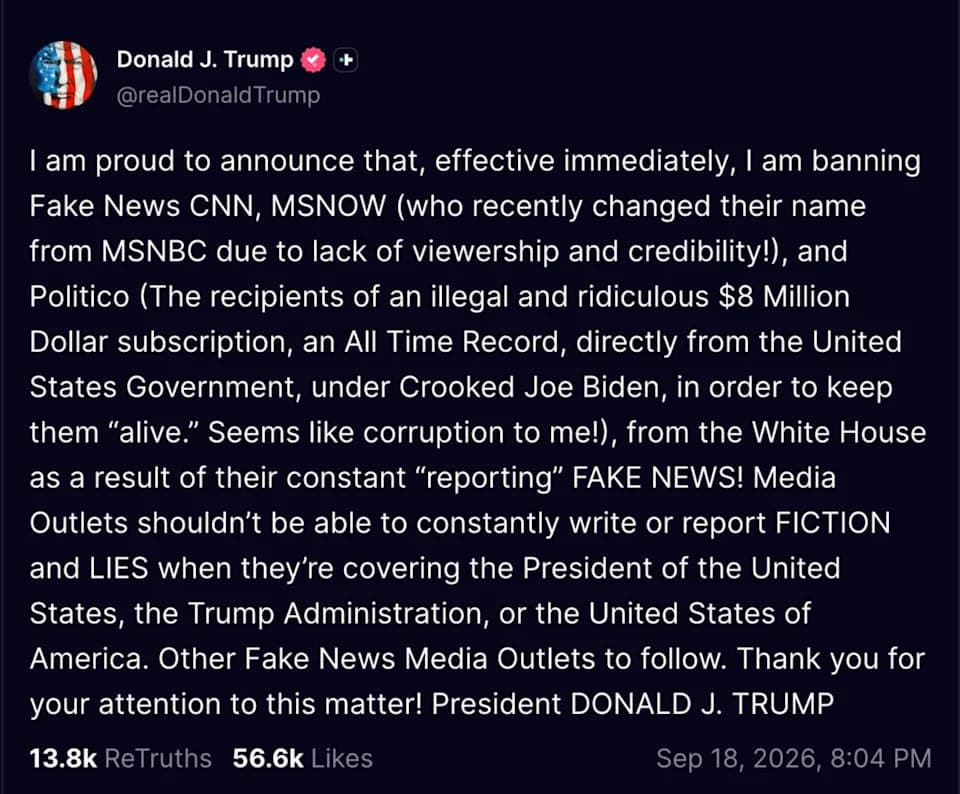
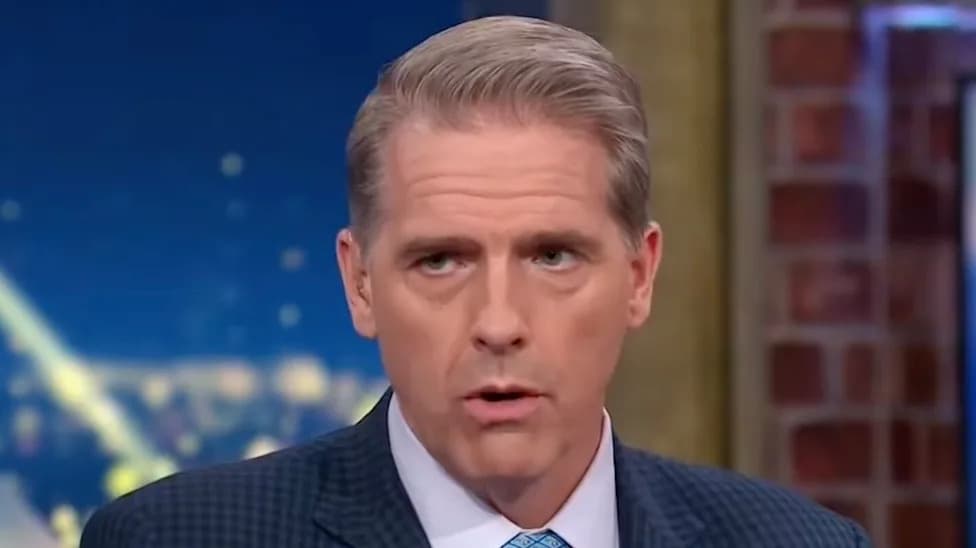
Dana Bash, CNN's chief political correspondent and author, warns that President Trump's recent ban on CNN, MSNBC, and Politico threatens press freedom and the public's access to information. The barred outlets have sued, arguing a First Amendment violation, and the case is before U.S. District Judge Timothy Kelly. Bash highlights the February 2025 transfer of the press pool to White House control and criticizes the administration's new streaming service as a branded alternative to independent journalism. She praised competing networks' refusal to fill CNN's pool duty as a rare show of solidarity.
Dana Bash: Trump’s Ban on News Outlets Threatens Press Freedom, Not Just CNN
Dana Bash on Trump's Media Crackdown: "It's Not About CNN"
Dana Bash, CNN's chief political correspondent and author of The Elections That Changed the World: Fifteen Pivotal Moments That Shaped How We Live, says recent White House actions affecting press access represent a broader threat to the institutions that underpin American democracy.
Who Was Barred And Why It Matters
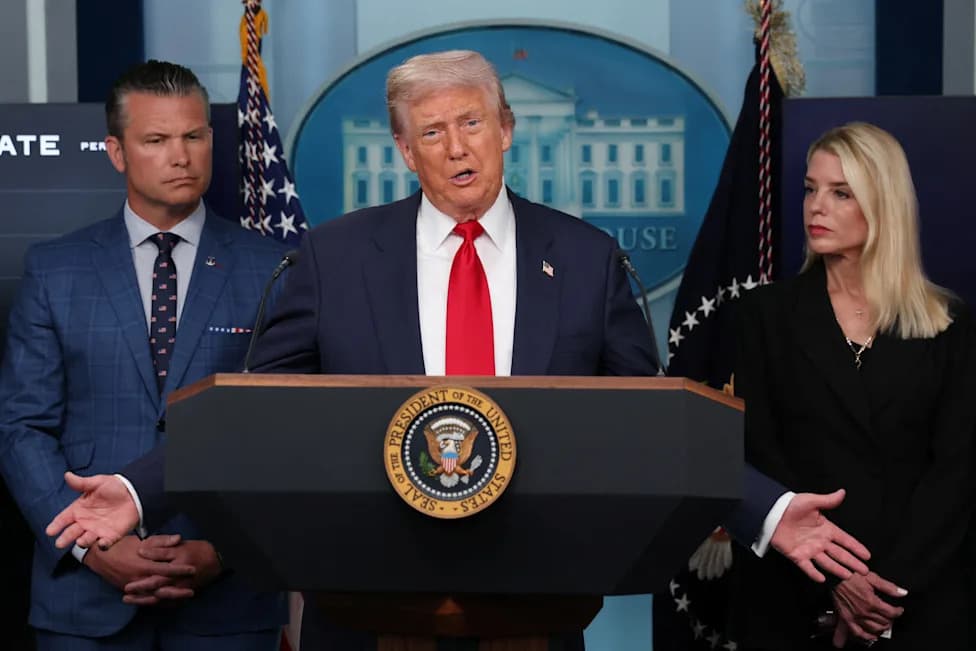
In early 2025, the White House barred CNN, MSNBC, and Politico from press access, prompting the three outlets to sue the administration, arguing the move violates their First Amendment rights. For journalists like Bash, the ban was both "shocking and not surprising at the same time." She emphasized that a White House press pass is held "very, very dear" and should not be revoked simply because a president dislikes an outlet's reporting.
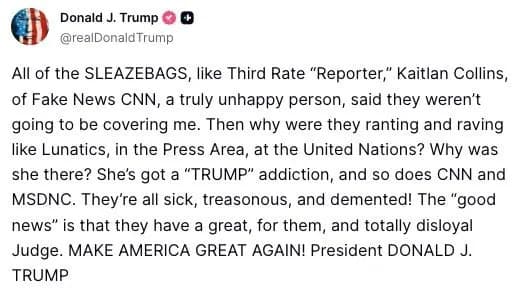
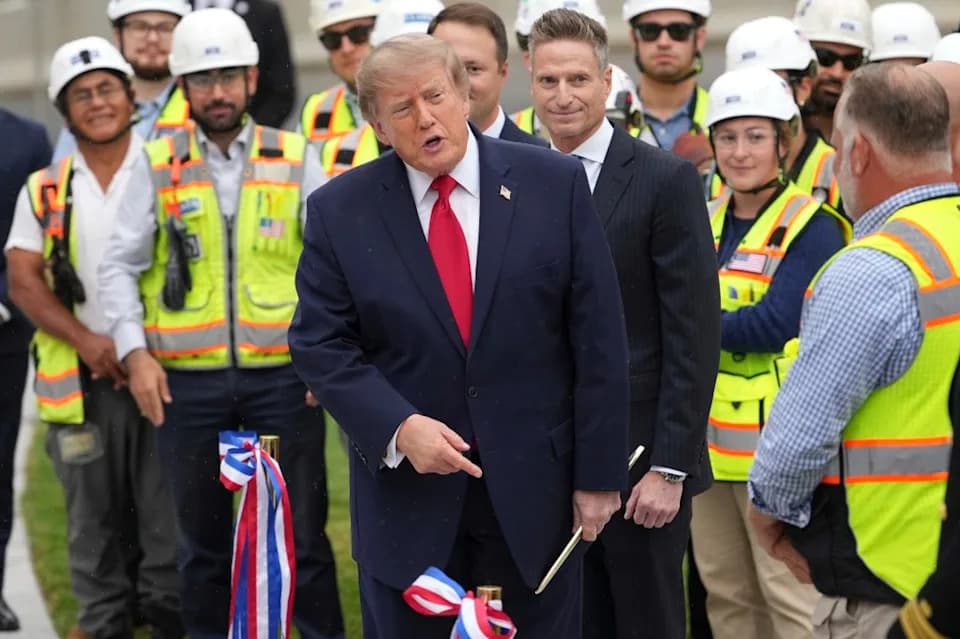
"He doesn't like coverage that is holding him accountable," Bash told Katie Couric Media. "It's not about CNN or Politico or MSNBC. This country was founded on a free press in order to keep authority and leadership in check."
Context And Precedent
Bash's experience covering multiple administrations — including serving as CNN's White House correspondent during George W. Bush's presidency — gives her a long view of how press access has evolved. The closest precedent she cites occurred in 2018, when the Trump White House revoked CNN correspondent Jim Acosta's press credential after a contentious press conference. A federal judge ordered a temporary restoration of Acosta's access; the credential was later fully reinstated and CNN dropped the lawsuit. The current dispute is before the same judge, U.S. District Judge Timothy Kelly, a Trump appointee who issued the 2018 ruling.
Shifts In How The White House Manages Access
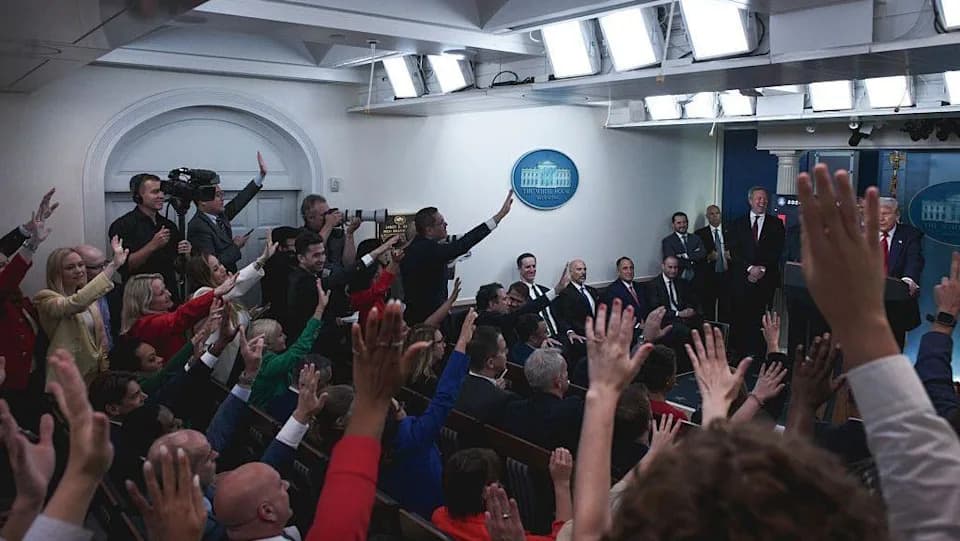
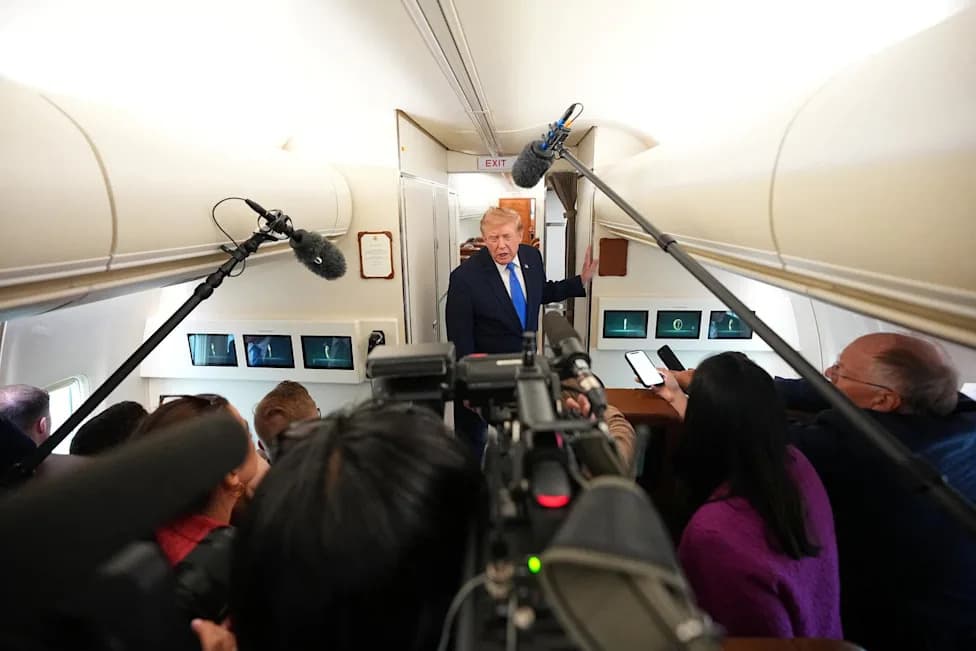
Bash frames the current fight as part of a broader shift in how the White House controls press access. In February 2025 the administration assumed control of the press pool from the White House Correspondents' Association, which had managed the system for decades. Bash acknowledges that President Trump takes questions frequently — a form of transparency he often cites — but says the crucial change is in who is allowed into the room.
Under the new arrangement, the composition of the pool has expanded to include reporters who, Bash says, are more likely to "talk about how wonderful he is," rather than challenge him. "That is really not the traditional way reporters handle any newsmakers," she said.
‘Trump TV’ And Narrative Control
Bash also pointed to the administration's newly launched streaming service, widely referred to as "Trump TV," as an example of producing a branded version of events instead of relying on independent journalism. "It's not journalism," she said. "It's a giant press release in the form of a streaming service."
Practical Effects On Reporting
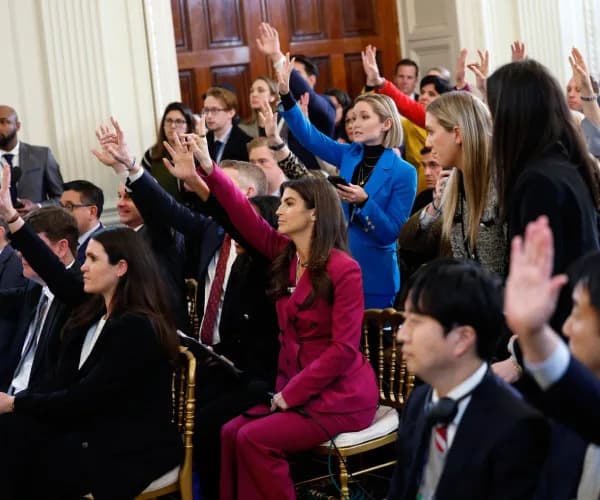
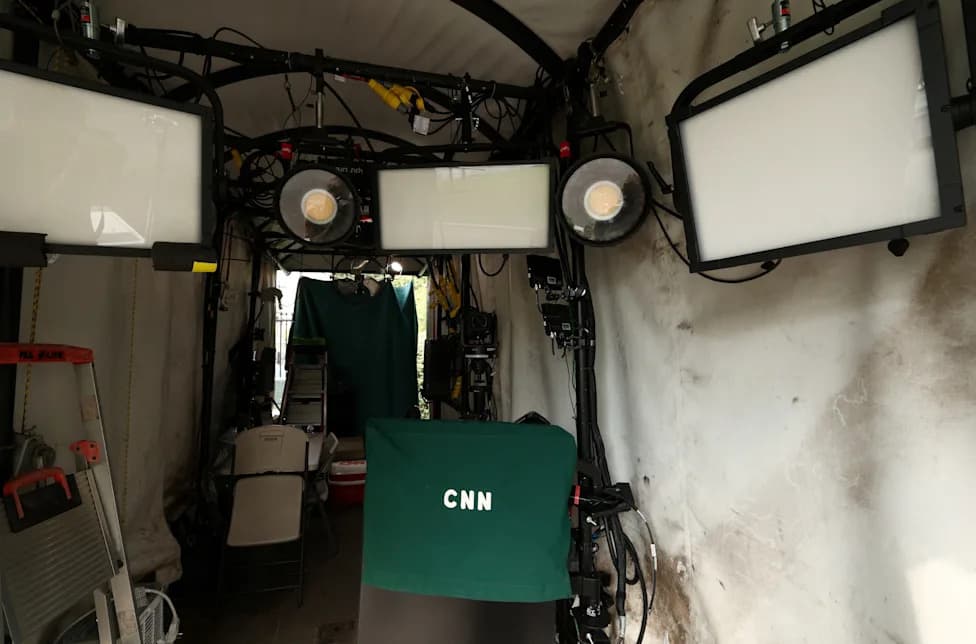
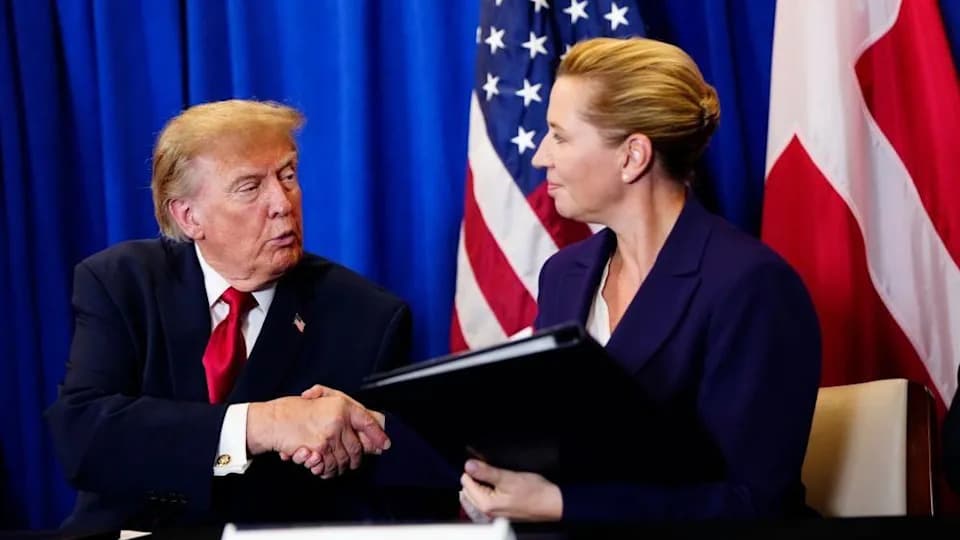
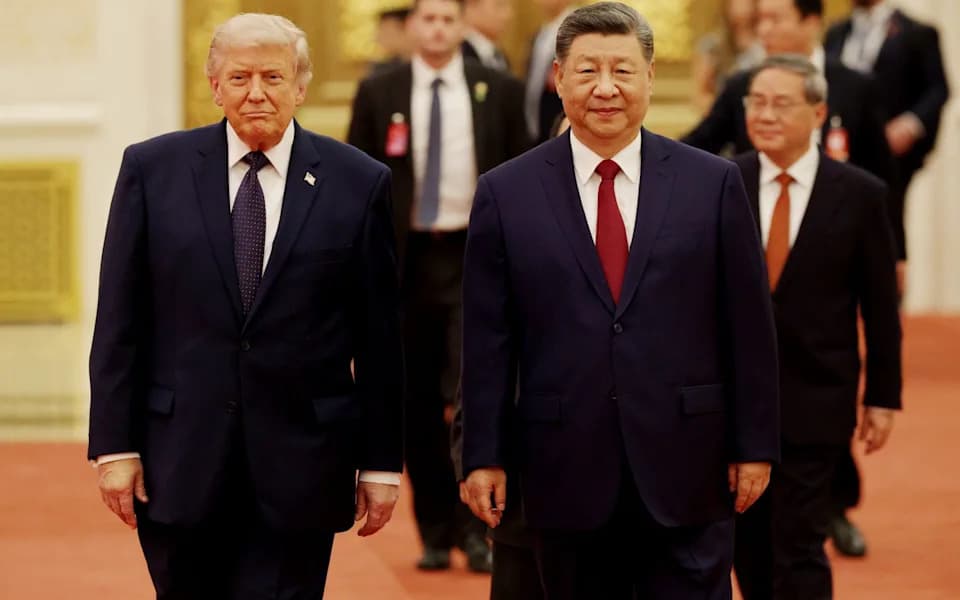
The ban has immediate, practical consequences for how the press covers the president. Traditionally, when the president meets foreign leaders a small pool of reporters is admitted at the meeting's start so they can observe, file reports, and ask questions on behalf of the broader press corps. When a barred outlet is assigned pool duty, other networks declined to fill in — a rare display of industry solidarity that left the president without the usual independent television coverage.
"When I'm a pool reporter, I am not just asking questions for CNN," Bash explained. "I'm asking questions on behalf of all of the television networks."
Excluding one outlet thus narrows what the entire press corps can see, ask, and ultimately report to the public — a consequence that reaches beyond any single organization.
Industry Response And What’s At Stake
Bash described the networks' refusal to fill CNN's pool duties as "heartening," noting that it demonstrates how the pool system relies on mutual trust and cooperation among competitors. "So far," she observed, "the alliance is holding."
Her central point: this dispute is not merely about punishing individual outlets; it raises fundamental questions about press freedom, access to information, and the role of independent journalism in holding power to account.
Help us improve.