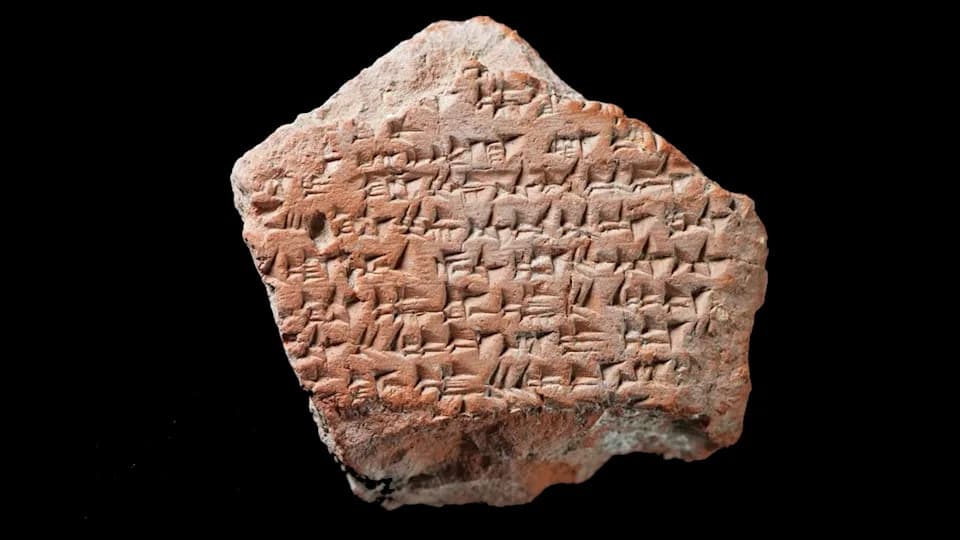
A cuneiform clay fragment unearthed at Hattusa has been identified as part of a copy of the Kadesh Peace Treaty, the 13th-century B.C. accord between Ramses II and Hattusili III. The shard preserves portions of Articles 12–20, including clauses that protect refugees and their homes. Found in Büyükkale near the Hittite royal palace, the piece may join other fragments if further excavations continue.
3,300-Year-Old Clay Shard From the Kadesh Peace Treaty Unearthed at Hattusa
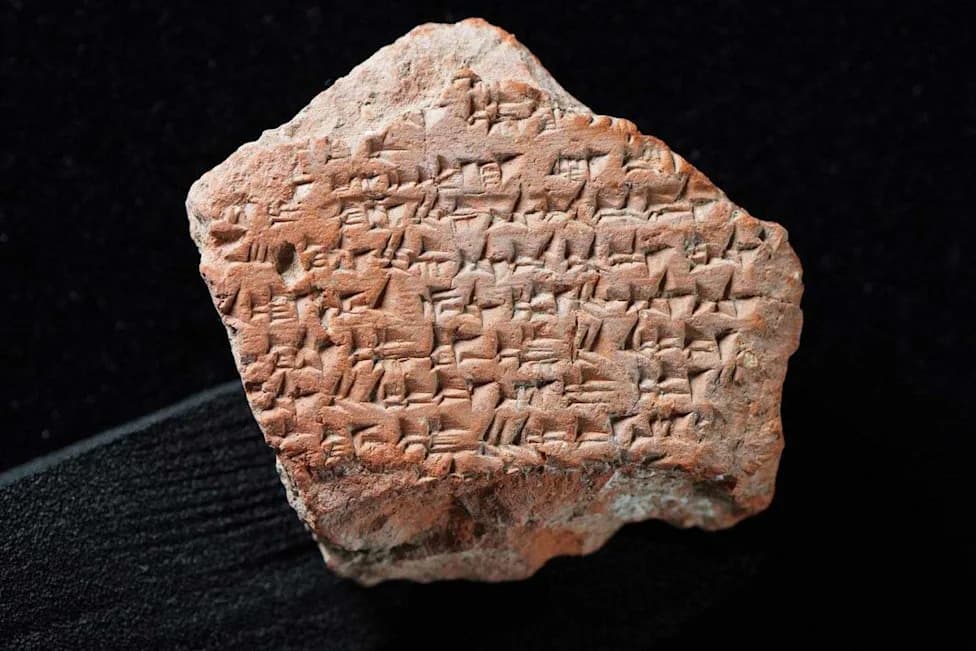
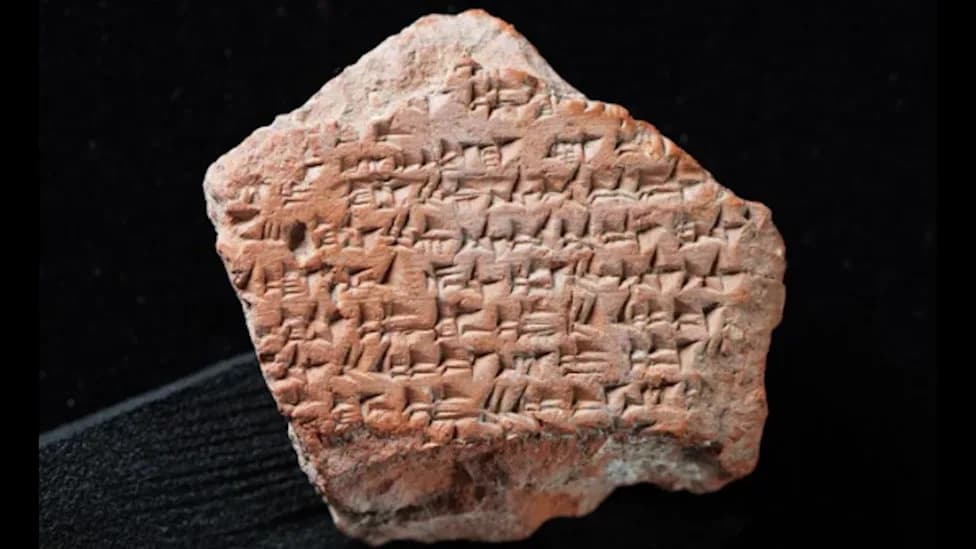
Fragment of a cuneiform tablet found in HattushaCredit: Turkeyâs Ministry of Culture and Tourism
Archaeologists excavating the Hittite capital of Hattusa in central Turkey have identified a small cuneiform clay fragment as part of a copy of the famous Kadesh Peace Treaty, one of the oldest known international agreements.
The shard was recovered in the Büyükkale sector of Hattusa—the site of the Hittite royal palace in Çorum province—and, after about a year of study, was linked to a 13th-century B.C. copy of the treaty. Officials date the treaty to roughly 1269 B.C., the accord negotiated between Egyptian pharaoh Ramses II and Hittite king Hattusili III that followed decades of conflict in ancient Syria.
What the Fragment Reveals
According to Turkey's Ministry of Culture and Tourism and reporting by state and international media, the inscription on the newly identified shard preserves portions of Articles 12–20 of the treaty. Those passages include clauses about people who fled from one kingdom to the other and protections intended to prevent the destruction of their homes.
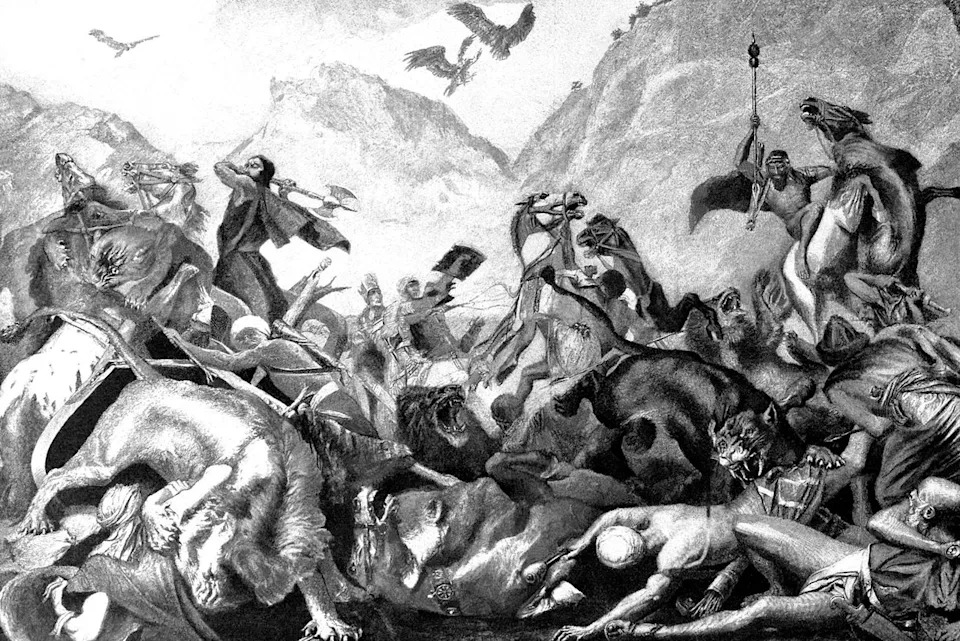
Depiction of The Battle of KadeshCredit: Ivy Close Images/Universal Images Group via Getty
Historical Context
The treaty capped long-running rivalry between the Hittites and Egyptians, including the massive but indecisive Battle of Kadesh, fought between Ramses II and Hittite king Muwatallis. Years after that battle, Ramses II and Hattusili III concluded a broader agreement establishing nonaggression, mutual assistance and provisions for the return and protection of refugees.
Copies, Loss, and Provenance
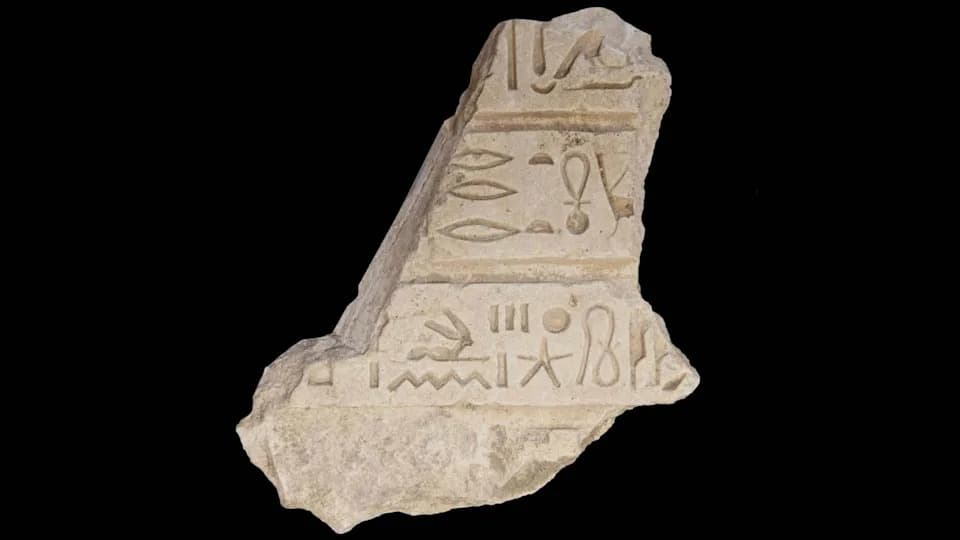
The original treaty reportedly was written on silver tablets that have not survived. Its contents are known through multiple clay and stone copies produced in both Anatolia and Egypt. Hattusa has already yielded a notable broken clay copy discovered in 1906; those fragments are kept at the Istanbul Archaeological Museums, and a replica of the treaty is displayed at United Nations Headquarters in New York.
Archaeologists recovered the new fragment at Büyükkale, within the royal precinct, and hope further excavation will produce more pieces of the same tablet. Additional fragments could allow researchers to reconstruct larger portions of this ancient diplomatic text and deepen understanding of how the two powers managed borders, refugees and interstate relations more than three millennia ago.
Officials: Scientific analyses confirm the shard belongs to a copy of the Kadesh Treaty; conservation and further study are ongoing.
Reporting and analysis drawn from statements by Turkey's Ministry of Culture and Tourism and coverage in Smithsonian Magazine, People, and Anadolu Agency.
Help us improve.