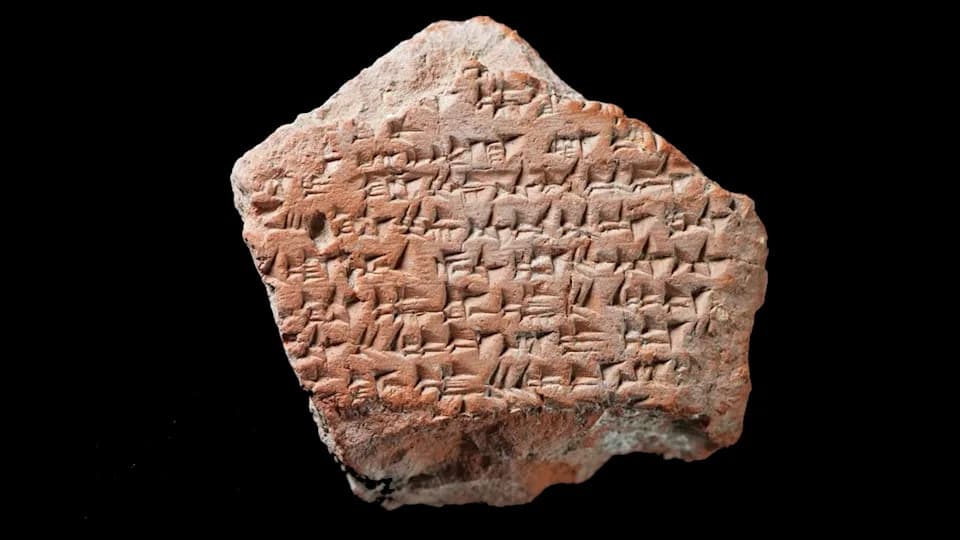
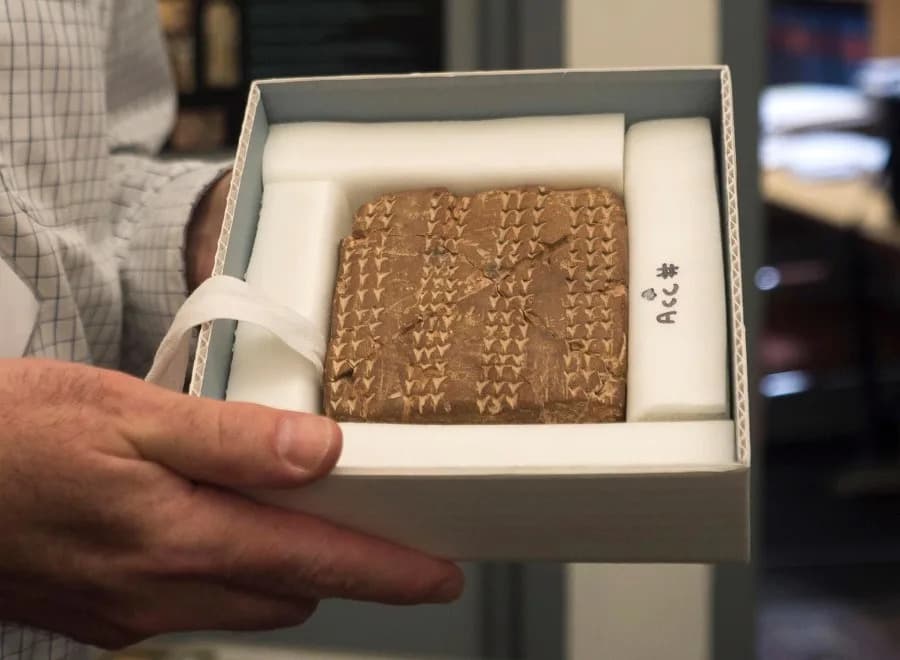
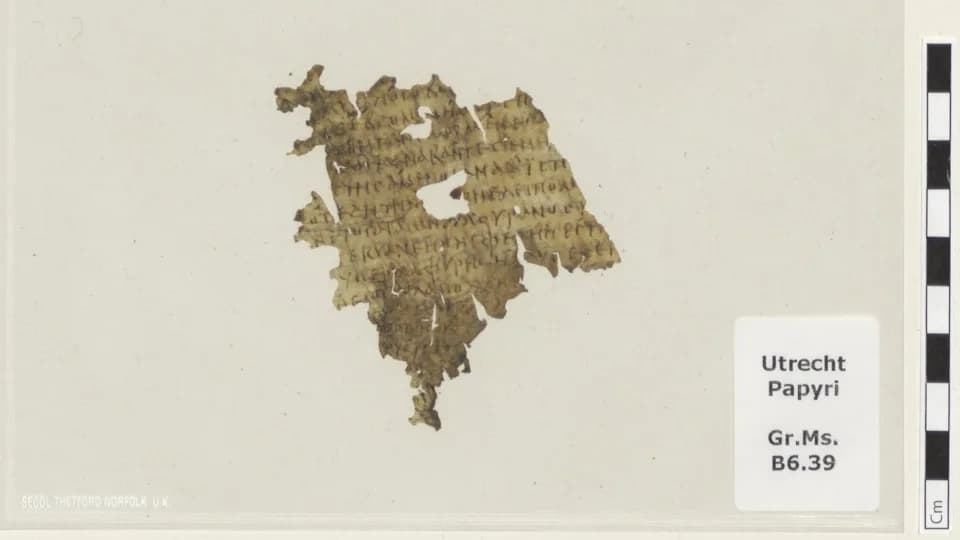
A cuneiform fragment excavated at the Büyükkale palace in Hattusha has been identified as part of Articles 12–20 of the Kadesh Peace Treaty, signed around 1259 BCE by Ramesses II and Hattusili III. The fragment appears to address treatment of refugees and protections for citizens' homes. While the full transcription is not yet published, the find underscores that ancient states negotiated mutual protections for civilians. The announcement was made on the International Day of Peace.
New Cuneiform Fragment in Turkey Adds Text to the Oldest Known Peace Treaty
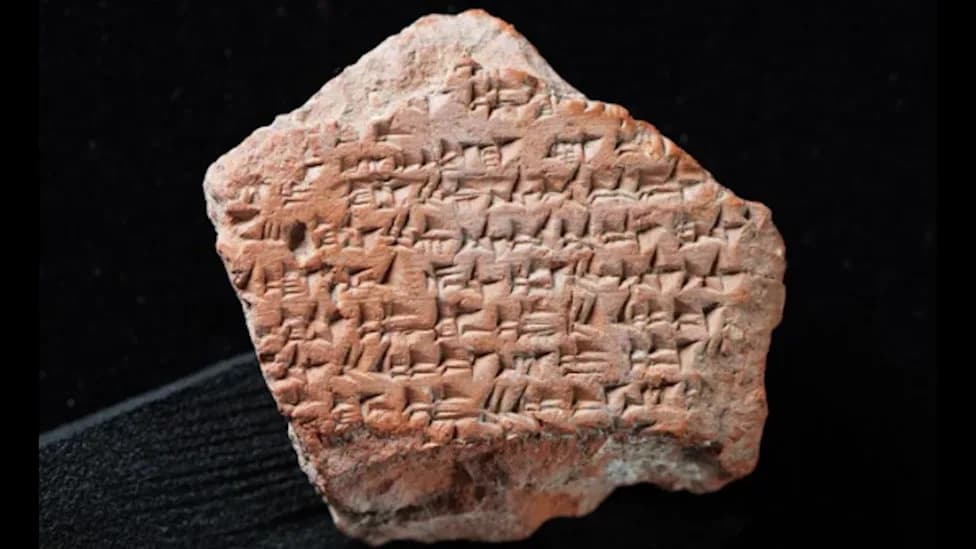
The new fragment details how to welcome back refugees who fled the conflict.
A newly identified clay fragment discovered at the Büyükkale palace in Hattusha (northern Anatolia) expands the surviving text of the Kadesh Peace Treaty, the earliest recorded treaty between two ancient powers. Signed around 1259 BCE by the Egyptian pharaoh Ramesses II and the Hittite king Hattusili III, the agreement followed decades of conflict and is one of the oldest known diplomatic documents in history.
What Was Found
Turkey's Ministry of Culture and Tourism announced the identification of a cuneiform tablet fragment corresponding to Articles 12–20 of the treaty. Excavated at the Büyükkale royal palace complex, the tablet appears to address how the two kingdoms should treat refugees who fled from one side to the other during hostilities and includes provisions aimed at protecting citizens' homes from destruction.
Context and Caution
A full transcription of the recently recovered passage has not yet been published; ministry officials have released only partial details. Early indications suggest these rules functioned as mutual obligations between the parties rather than as precursors to modern asylum law, but they do demonstrate that warring states negotiated practical protections for civilians more than three millennia ago.
Why It Matters
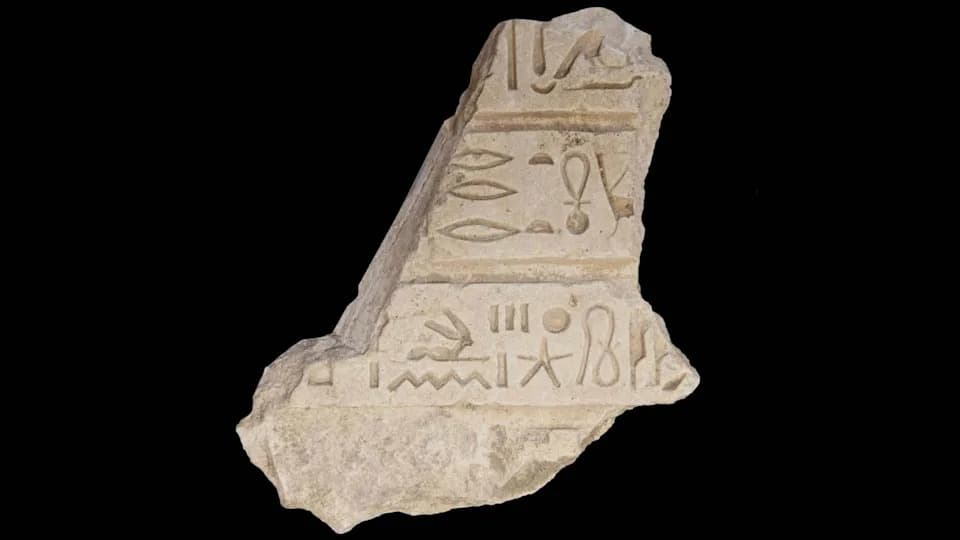
Hattusha has produced thousands of cuneiform artifacts that illuminate Hittite politics, society and everyday life. The first fragments of the Kadesh Peace Treaty were recovered during early 20th-century excavations, and copies of the treaty were inscribed on UNESCO's Memory of the World Register in 2001. This new fragment enriches the corpus of texts scholars use to reconstruct ancient diplomacy and humanitarian practice.
Official Response
"This legacy, which has survived from thousands of years ago to the present day, reminds us of our responsibility to protect human life and dignity," Culture Minister Mehmet Nuri Ersoy wrote on social media. "We wish you a future where all people, especially our Palestinian brothers, will live in safety, peace and tranquility."
The discovery was announced to coincide with the International Day of Peace (September 21), highlighting the fragment's symbolic resonance for modern debates about refuge, protection and cross-border obligations.
Help us improve.