Turkish archaeologists have unearthed a 3,400-year-old cuneiform fragment of the Treaty of Kadesh at Hattusha, part of the earliest known peace agreement between Ramesses II and Hattusili III. The newly found text addresses refugee treatment and explicitly forbids cruel punishments. Copies of the treaty were preserved in hieroglyphs at Thebes and in Akkadian at Hattusha, and a copper replica is displayed at the United Nations. Continued excavations may reveal further portions of this landmark diplomatic document.
3,400-Year-Old Fragment of the Treaty of Kadesh Unearthed at Hattusha
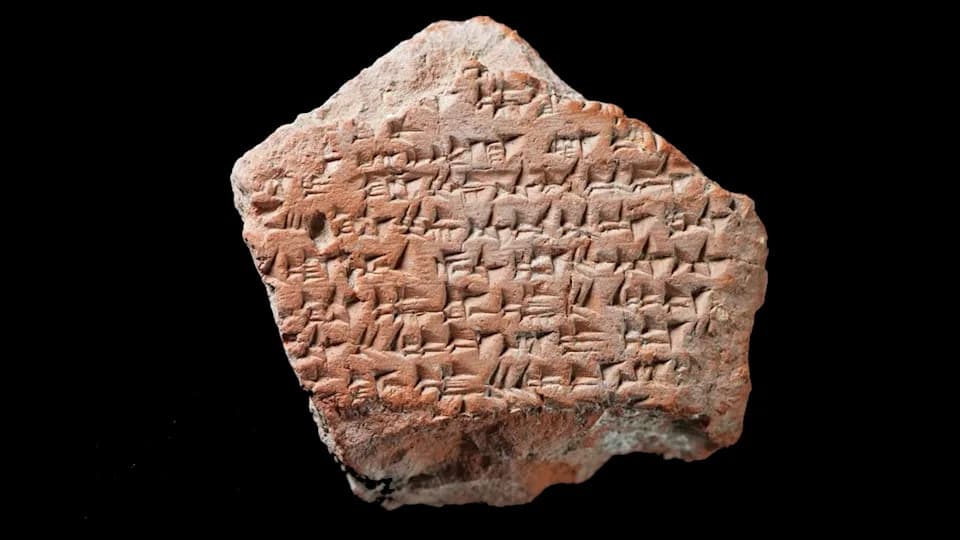
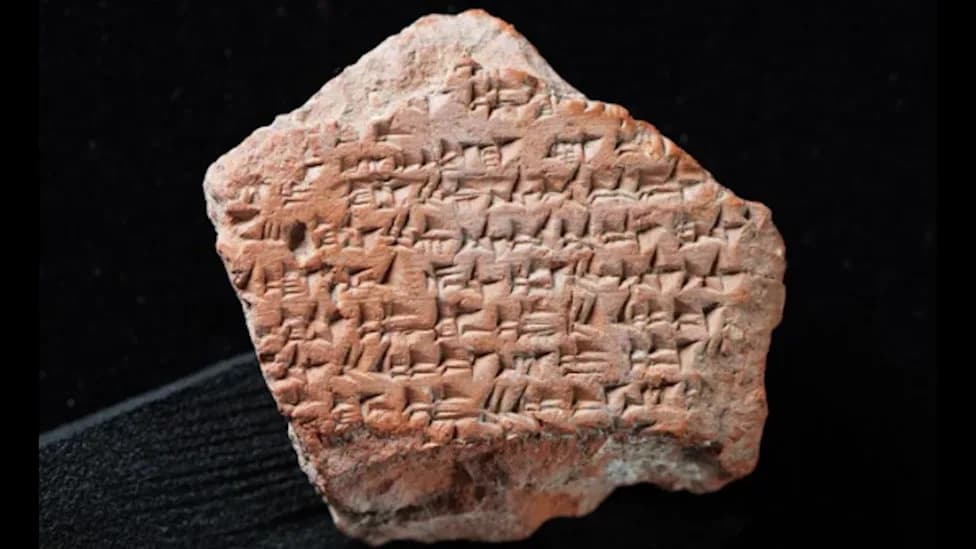
Archaeologists have found a fragment of cuneiform recording the Treaty of Kadesh, which was signed by Egypt's Ramesses II and the Hittite king Hattusili III around 1269 B.C. | Credit: Turkish Ministry of Culture and Tourism
Turkish archaeologists have uncovered a 3,400-year-old cuneiform fragment that is part of the Treaty of Kadesh — widely regarded as the oldest surviving peace agreement. The Ministry of Culture and Tourism announced the discovery after excavations at Hattusha, the ancient Hittite capital in north-central Anatolia.
The Treaty of Kadesh was concluded around 1269 B.C. between Egyptian Pharaoh Ramesses II and Hittite King Hattusili III to formalize a cessation of hostilities after decades of rivalry. While portions of the treaty were already known from inscriptions in Egypt and earlier fragments at Hattusha, this newly found piece contains text addressing the treatment of refugees.
An official reaction: "We have found traces of peace, thousands of years old, in the soil of Anatolia," Mehmet Nuri Ersoy, Turkey's minister of culture and tourism, said in a translated Sept. 21 statement. The ministry said the fragment reinforces the treaty's humane provisions and "reminds us of our responsibility to protect human life and dignity."
What the fragment contains
The newly recovered cuneiform shard includes lines from a section that addresses refugees and forbids cruel punishment. The treaty stipulates that refugees found in the other party's territory should be returned to their homeland, but it also explicitly protects them from mutilation and destruction of their families and homes.
"Their tongue and their eyes are not to be pulled out; their ears and their feet are not to be cut off; their houses with their wives and their children are not to be destroyed."
Part of this passage appears on the fragment. Archaeologists hope further excavation will uncover additional sections of the treaty in the building complex where the piece was recovered.
Historical context
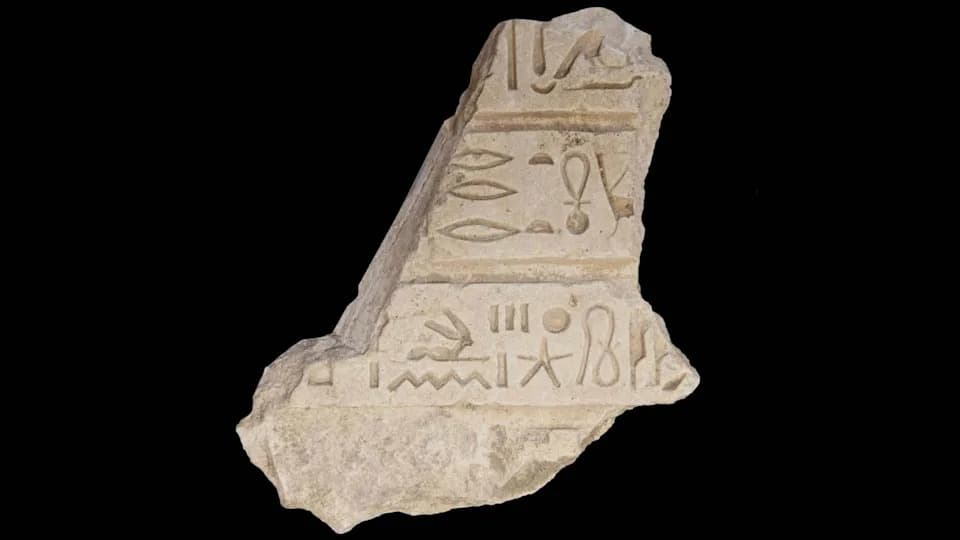
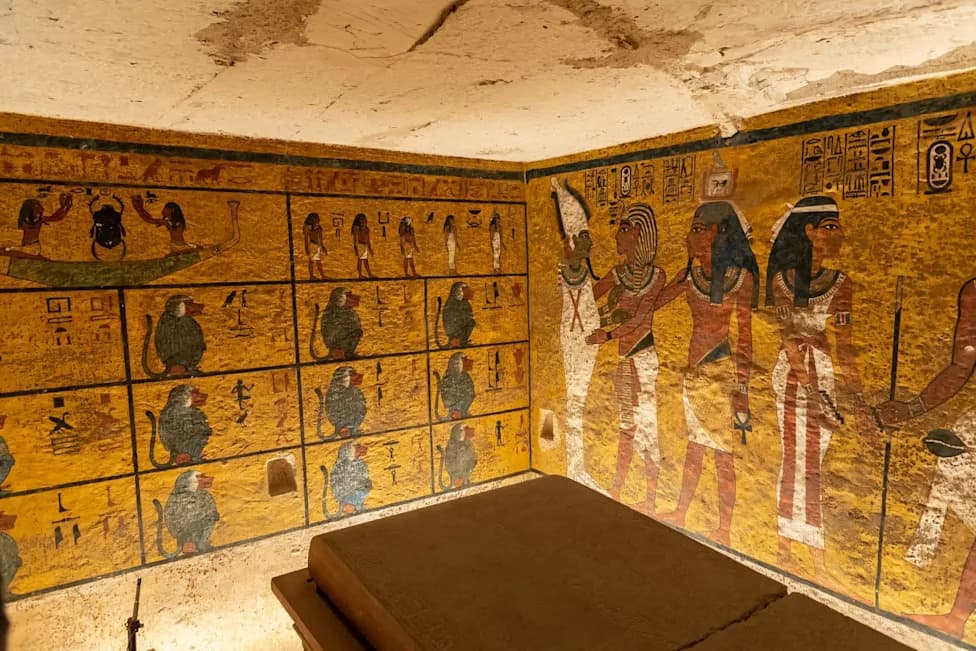
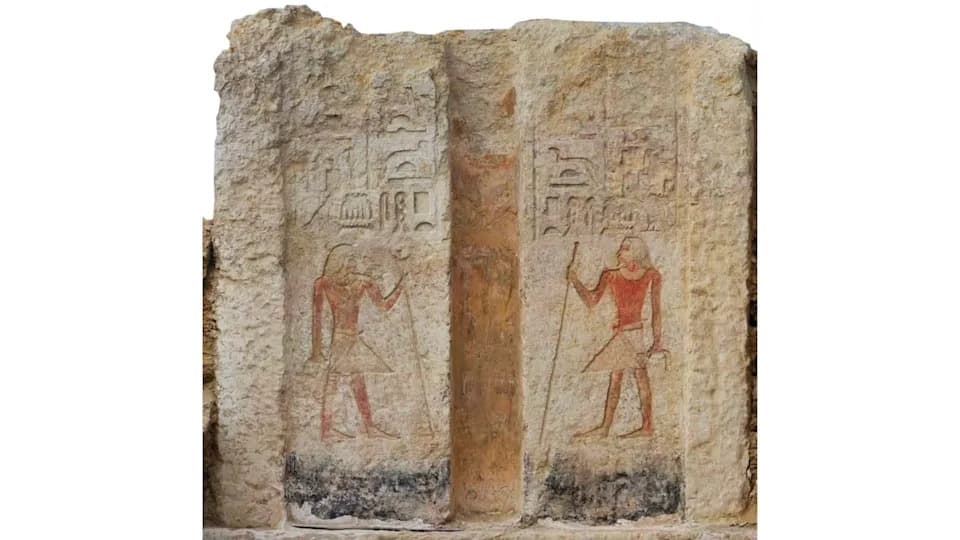
The Hittite Empire dominated central Anatolia roughly from 1650 to 1200 B.C. Excavations at Hattusha have produced many diplomatic texts written in Akkadian, the diplomatic lingua franca and the earliest documented Semitic language. Copies of the Treaty of Kadesh were preserved in two forms: hieroglyphic inscriptions carved at a temple to Ramesses II in Thebes (modern Luxor), discovered in the early 19th century, and Akkadian cuneiform fragments first identified at Hattusha in the early 20th century.
Although commonly called the Treaty of Kadesh, the text does not explicitly mention the earlier Battle of Kadesh; scholars therefore also refer to it as the Egyptian-Hittite Peace Treaty, the Eternal Treaty, or the Silver Treaty. The agreement includes commitments to mutual defense, extradition, nonaggression, and ongoing peaceful relations, including language of fraternity between the two rulers: "He is a brother to me and he is at peace with me; and I am a brother to him and I am forever at peace with him."
Modern resonance: A copper replica of the Treaty of Kadesh is displayed in the United Nations Conference Building in New York. The U.N. notes that the treaty's pledges — eternal friendship, territorial integrity, nonaggression, extradition, and mutual help — echo many principles of contemporary diplomacy.
Ongoing digs at Hattusha may reveal more fragments that shed light on Bronze Age diplomacy, refugee policy and how ancient states managed peace after prolonged conflict.
Help us improve.