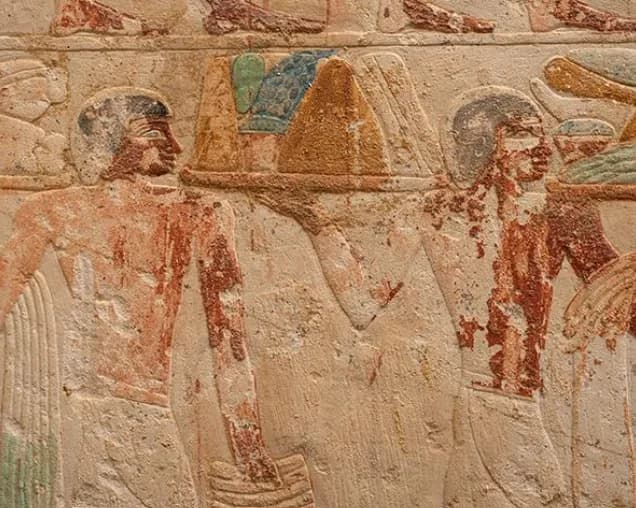
The Egyptian Ministry of Tourism and Antiquities announced the discovery of a 3,000-year-old horse skeleton at a New Kingdom fortress at Tell el-Abqa'in in the western Nile Delta. Preliminary analysis suggests the medium-sized horse was likely used for chariots or military training and appears to have been ceremonially buried. Excavations also revealed a main street, residential complex with silos and ovens, wells inscribed with Ramses II's titles, a stela naming Ramses II, scarabs, amulets, jewelry and pottery. Together the finds portray a fortified community combining defense, daily life and religious practice; work at the site continues.
3,000-Year-Old Horse Skeleton and Rich Relics Unearthed at New Kingdom Fortress in Egypt
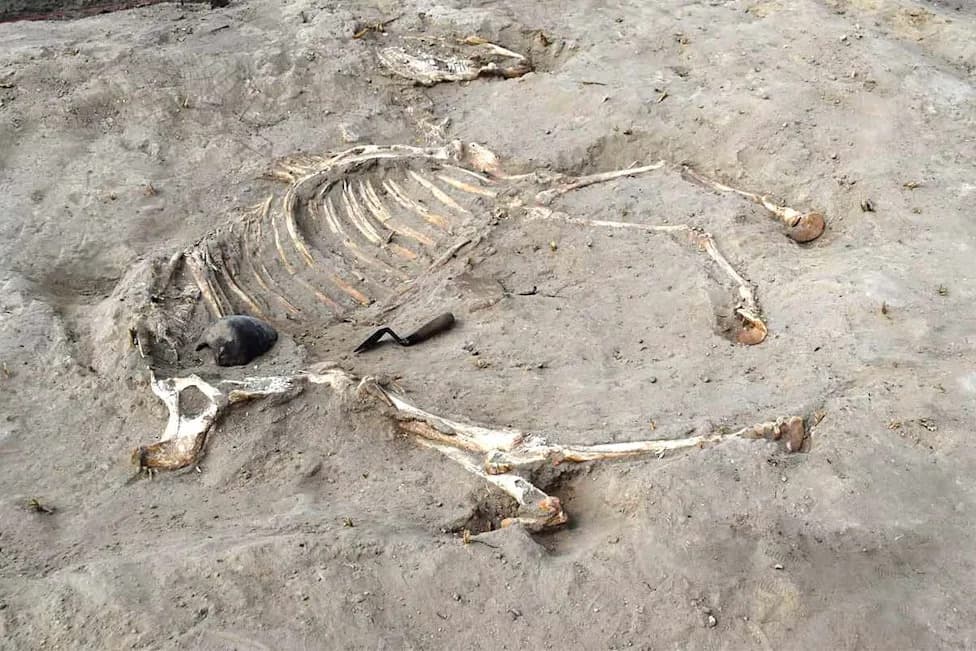
The skeleton of a 3000-year-old warhorse discovered in Ancient Egyptian fortress.Credit: Ministry of Tourism and Antiquities
Archaeologists working at Tell el-Abqa'in in Egypt's western Nile Delta have uncovered a remarkably well-preserved set of finds from the New Kingdom (circa 1550–1069 BCE), highlighted by the buried skeleton of a young male horse. The Egyptian Ministry of Tourism and Antiquities (MoTA) announced the discoveries on Sept. 16, noting that the material sheds new light on both the military role and daily life inside a frontier fortress.
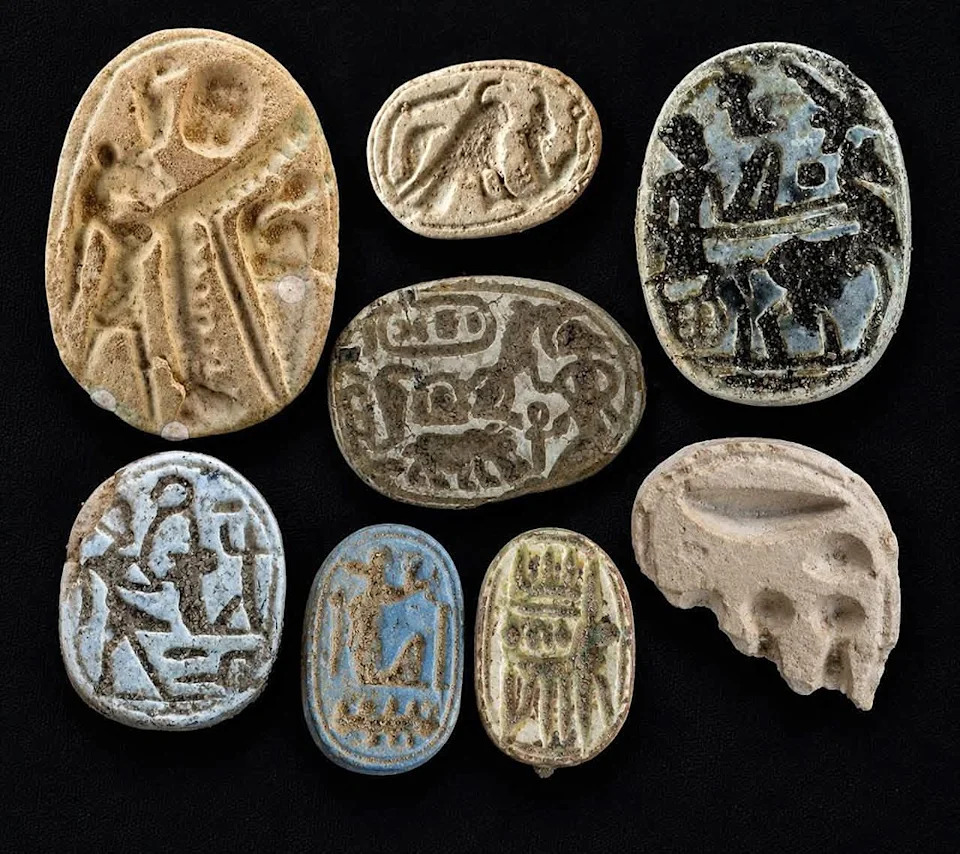
Artifacts uncovered at Ancient Egyptian fortressCredit: Ministry of Tourism and Antiquities
Major Discoveries
Horse Burial and Chariot-Related Finds
The mission recovered the skeleton of a medium-sized, agile horse that preliminary analysis suggests was used for training, military duties or pulling chariots. MoTA describes the animal's posture and the angle of its head as consistent with a ceremonial interment. Near the burial chamber, excavators found cylindrical fragments of alabaster and limestone that may have been decorative fittings from a chariot or harness.
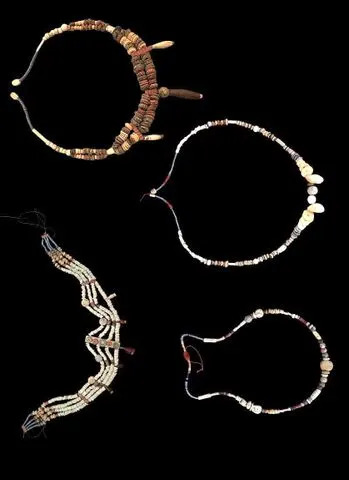
Jewelry discovered at Ancient Egyptian fortressCredit: Ministry of Tourism and Antiquities
Fortress Layout and Domestic Life
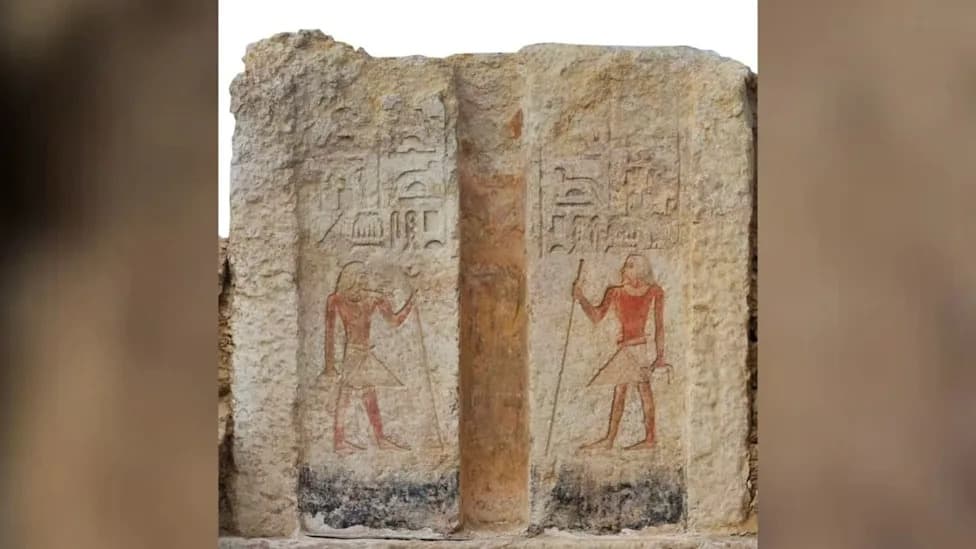
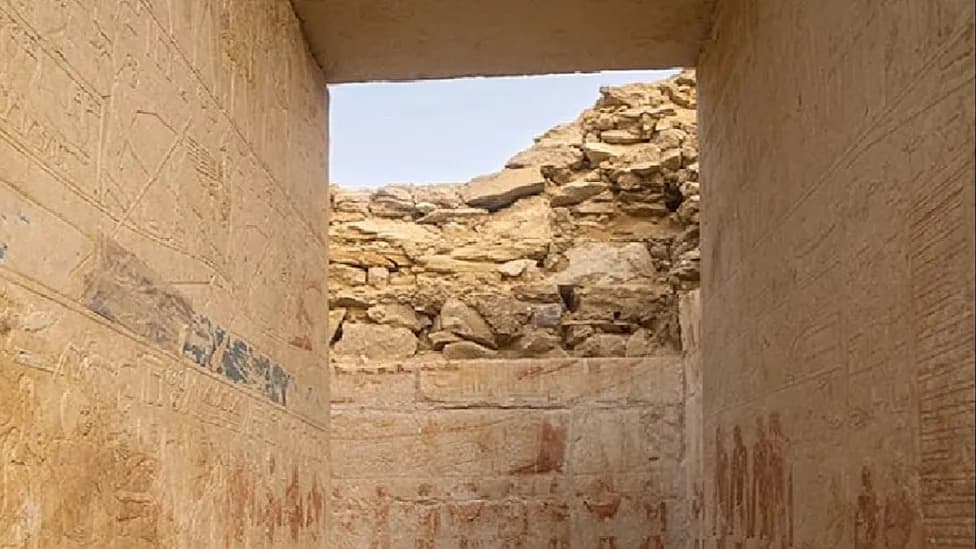
Excavation revealed a main street and an extensive residential complex with rooms containing grain silos and cylindrical pottery ovens used for preparing food and baking bread. In the southeastern corner of the site archaeologists recorded residential chambers and three stone wells inscribed with the royal titles of Ramses II, indicating reliable water sources and a settled community attached to the military installation.
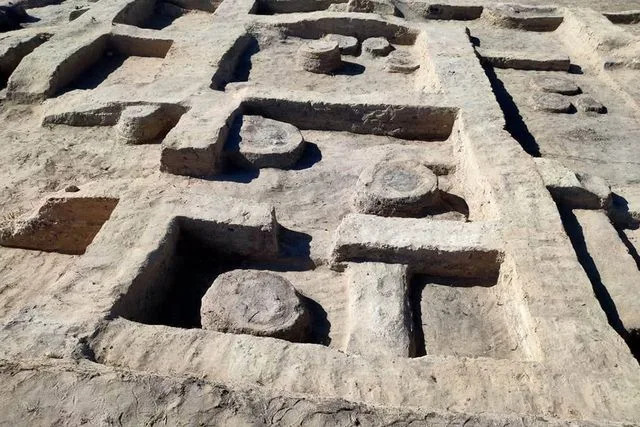
Ancient Egyptian fortress excavationCredit: Ministry of Tourism and Antiquities
Religious and Administrative Objects
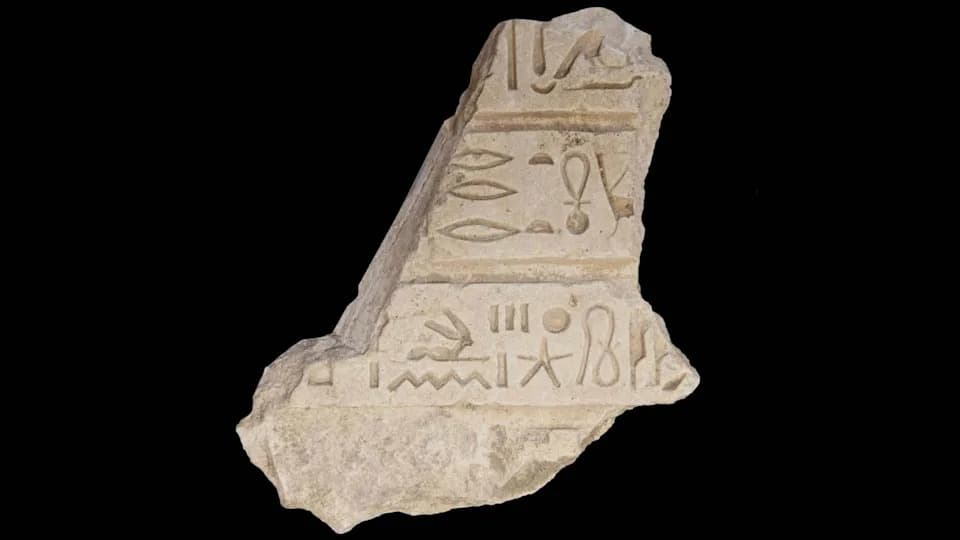
The team also unearthed a limestone stela carved with hieroglyphs that record the birth, coronation and Horus names of Ramses II and include a scene of a bound prisoner. Numerous scarabs bearing the names of Ramses II and Seti I were found, alongside amulets and iconography referencing deities such as Amun, Sekhmet, Ptah and Seth. Amulets depicting fish, lotus blossoms, cobras, the nefer sign and baboons point to common protective and regenerative beliefs among the site's inhabitants.
Personal Items and Pottery
Personal jewelry and ornaments recovered at the fortress give insight into social life, while a variety of pottery jars were documented for storage, cooking, serving and preserving oils and perfumes. Among the vessels was a water jug identified as the type associated with pilgrimages to Abydos, linking the site's occupants to wider religious practices in ancient Egypt.
"Taken together, these discoveries provide a fuller picture of a community that combined military duties with religious practice and routine domestic activities," MoTA said. Fieldwork at the site in Beheira province will continue.
Significance: The assemblage supports the interpretation of Tell el-Abqa'in as a fortified settlement on Egypt's western frontier that housed soldiers, families and ritual activity. Finds such as the horse burial and chariot fittings underscore the importance of chariotry in New Kingdom military culture, while wells, silos and ovens reflect everyday, long-term occupation.
Help us improve.