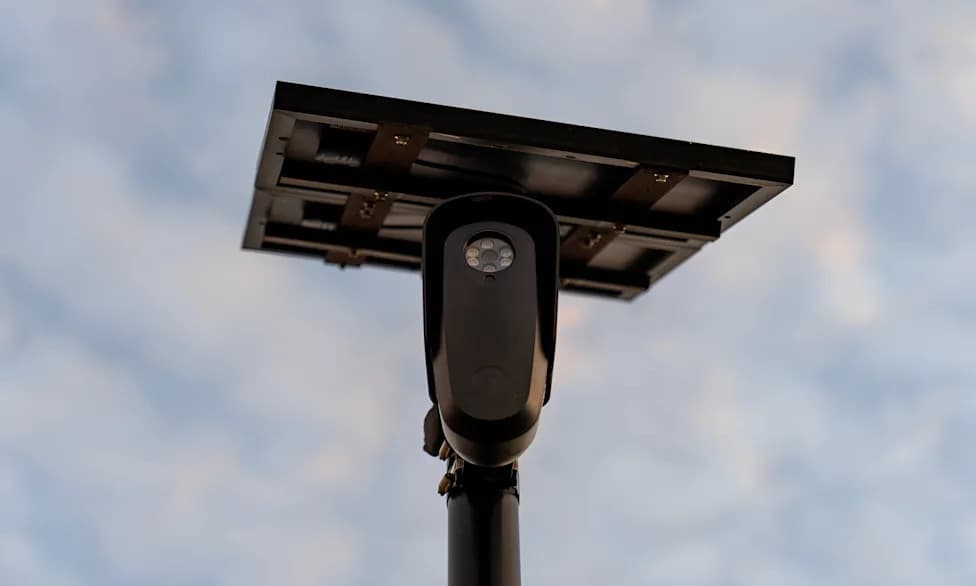
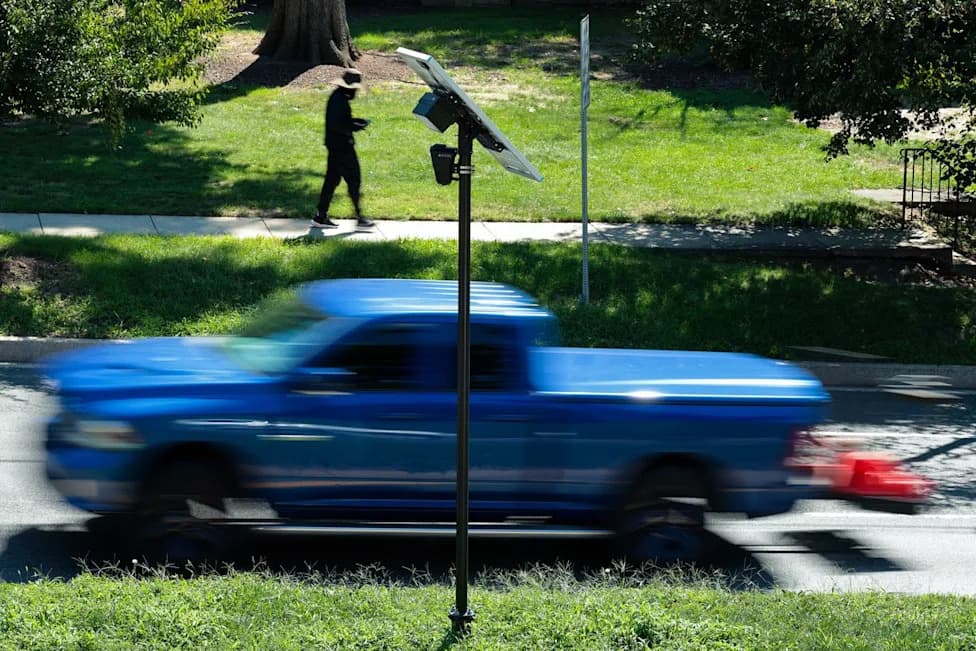
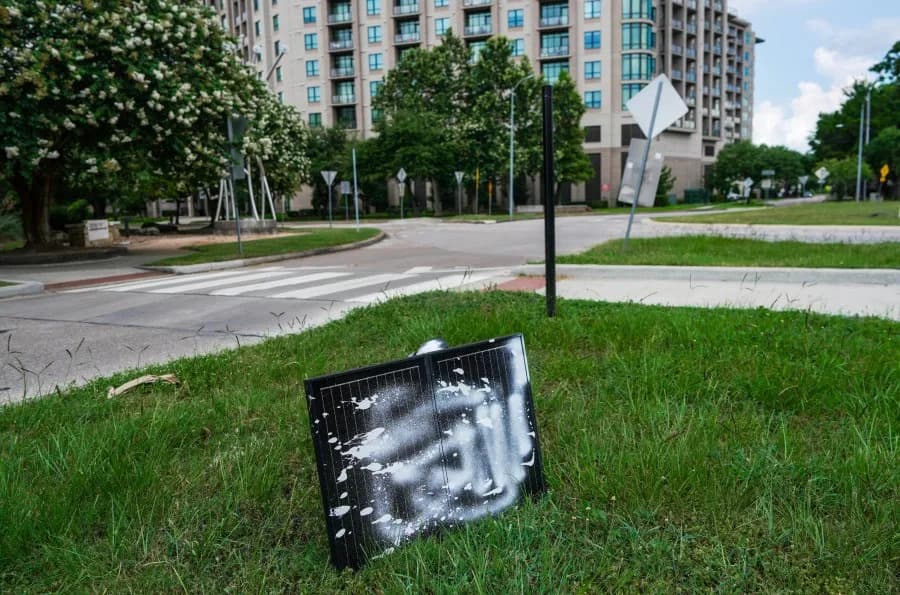
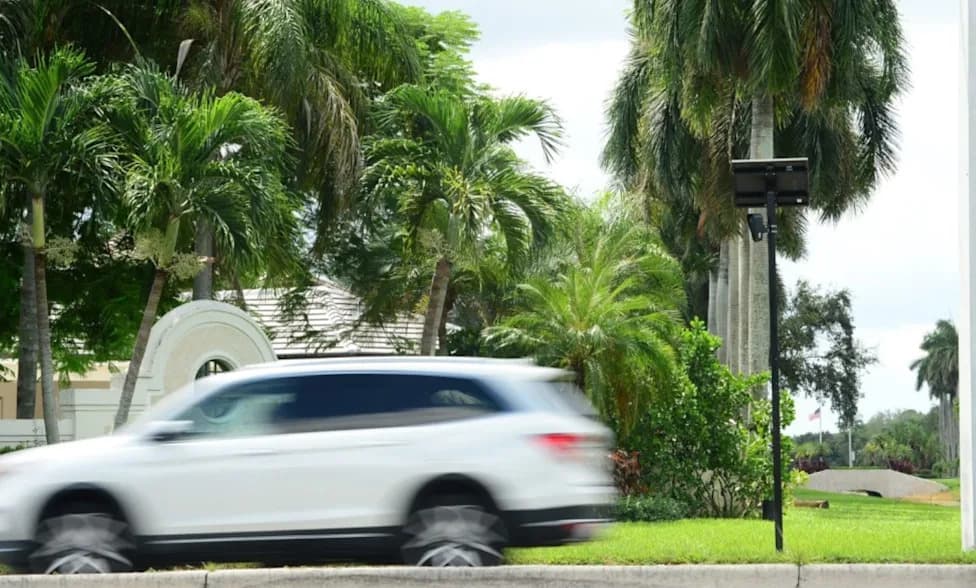
Rep. Greg Steube introduced the Flafo Act to require judicial warrants before federal agencies can buy, operate, access or share data from networked license‑plate readers, a move clearly aimed at Flock Safety. The bill would also tie DOJ grants to similar local rules. It follows two other recent congressional proposals and widespread state and municipal rollbacks after reports of misuse and stalking tied to ALPR data.
Rep. Greg Steube Introduces Flafo Act—Warrants Required For Flock Safety License-Plate Cameras
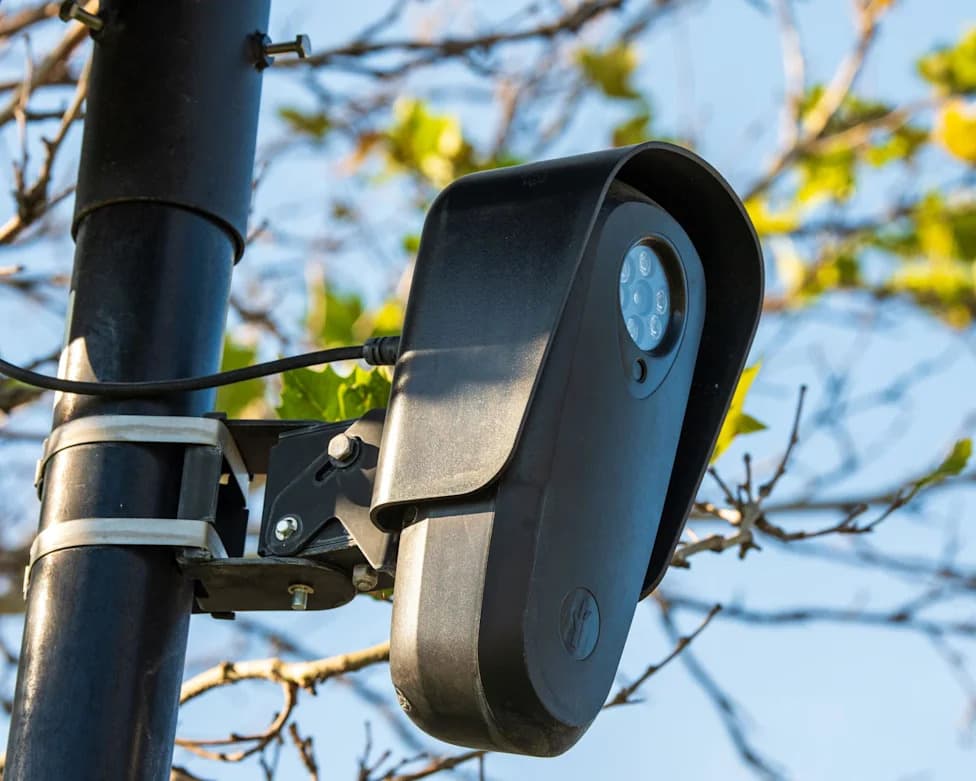
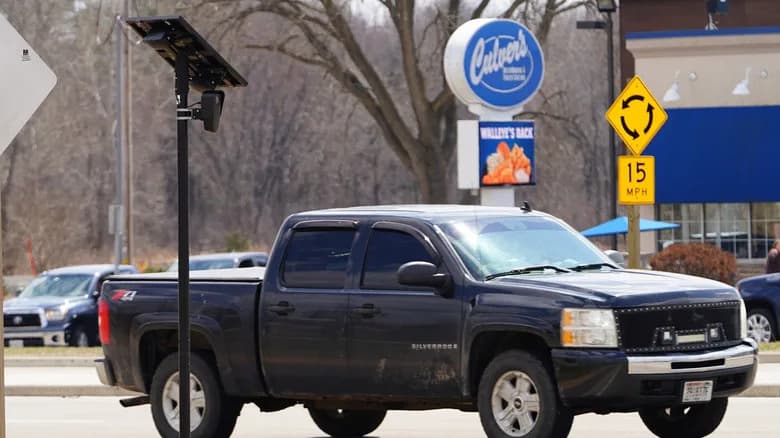
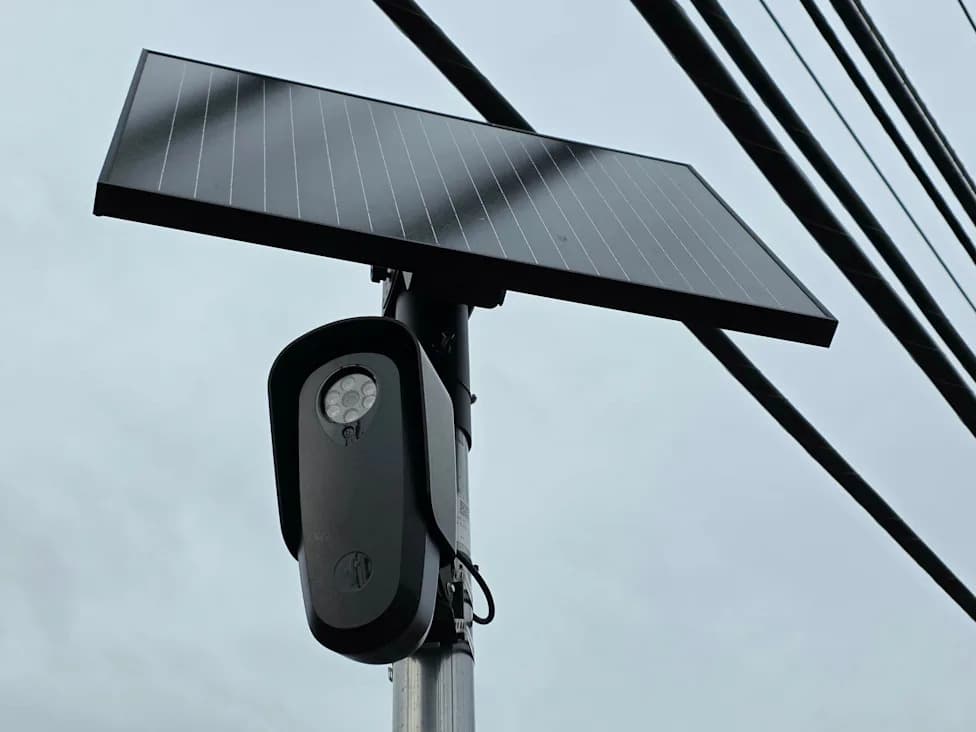
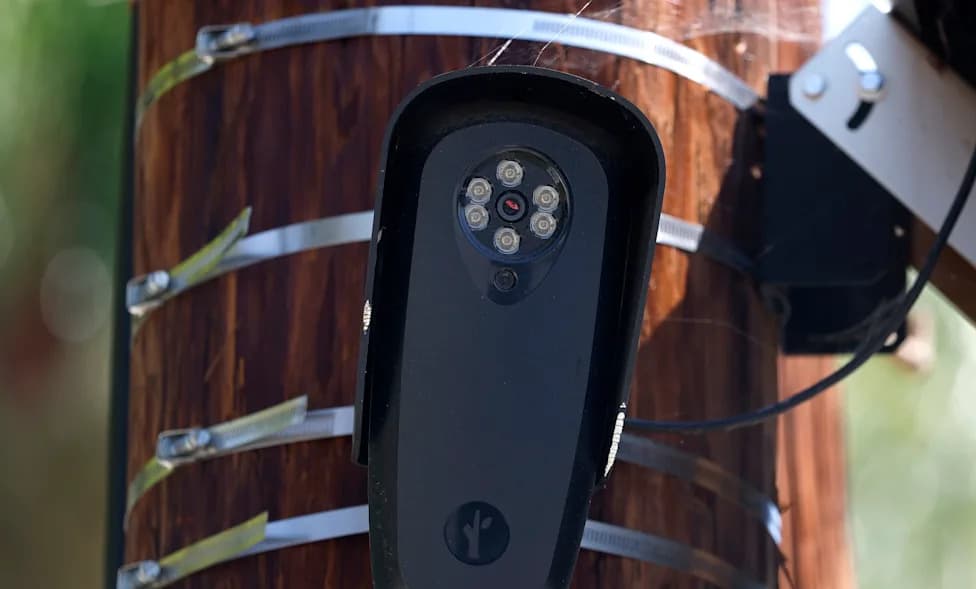
Although the bill covers any company that makes license plate cameras, it targets Flock Safety, an Atlanta-based firm that operates about 120,000 readers across the United States, except Alaska.Photograph: Charles-McClintock Wilson/NurPhoto/Shutterstock
A Florida Republican, Rep. Greg Steube, has introduced the Facilitating Liberty and Accountability for Flock Observations (Flafo) Act, a bill that would require a judicial warrant before federal agencies can buy, operate, access or share data from networked automatic license-plate readers (ALPRs). The proposal comes amid growing nationwide concern about Flock Safety, a company whose cameras have been deployed across most of the United States.
The Flafo Act would also condition Department of Justice grant funding to state and local police on adopting similar warrant protections for use of networked ALPRs. While the bill applies to any company that manufactures the technology, it is explicitly aimed at Flock Safety, the Atlanta-based firm that claims to operate roughly 120,000 readers across every state except Alaska and holds an estimated 80% or more of the market.
What The Technology Does And Why Critics Raise Concerns
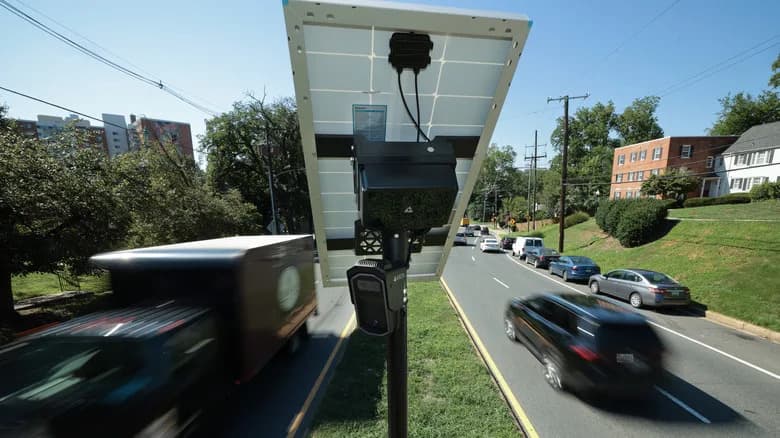
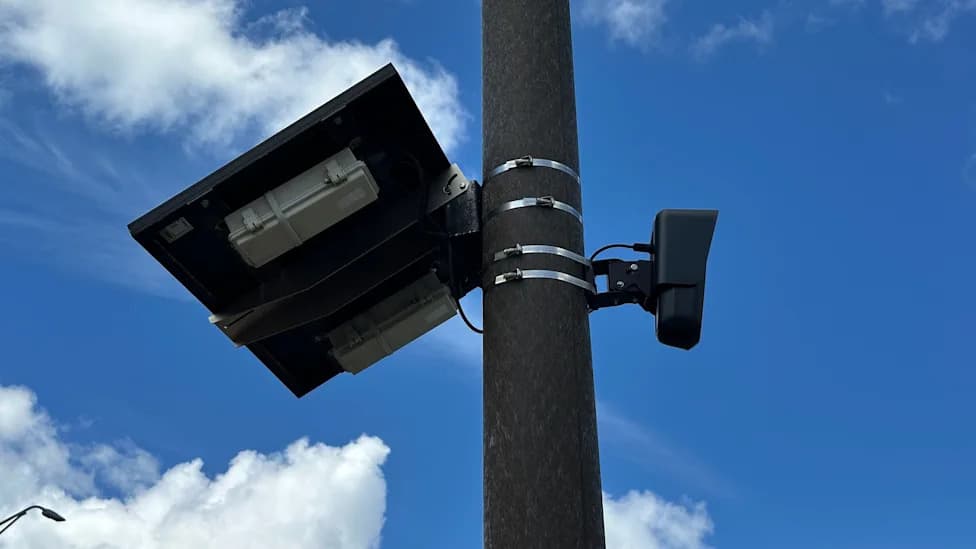
Flock’s cameras photograph passing vehicles and log plate numbers, vehicle make and model, time and location into searchable databases. Police departments and other agencies can query these databases, creating longitudinal location records that privacy advocates say amount to mass surveillance of everyday driving.
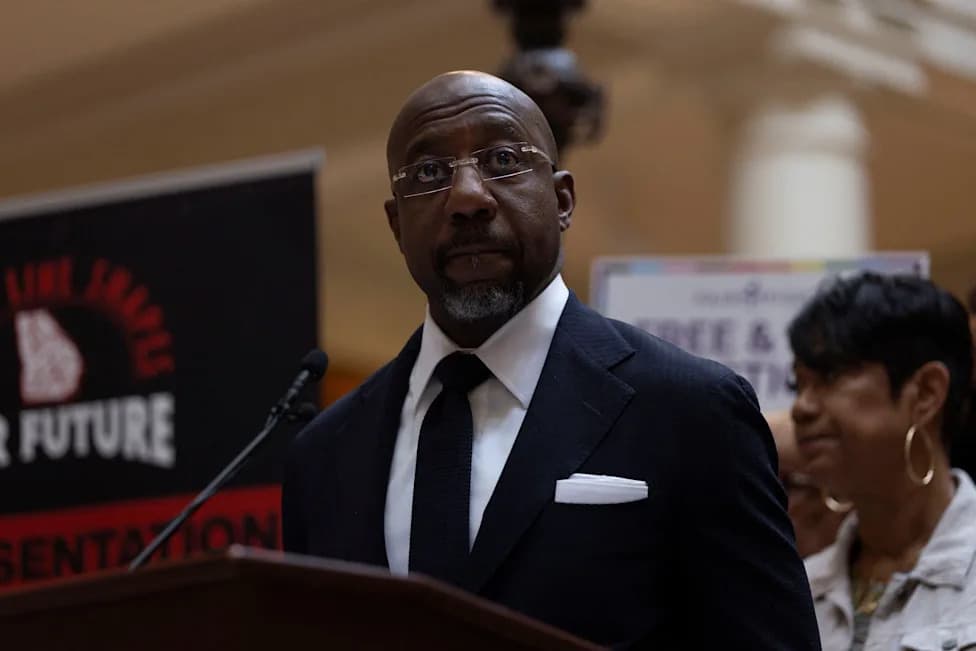
"Americans should not be tracked everywhere they drive without a warrant," Steube said in a statement. "The government has no business tracking law‑abiding Americans."
Steube cited investigations in Florida, Indiana, Illinois and Wisconsin that found officers misused the databases. Reported abuses include stalking, unauthorized searches and wrongful stops tied to ALPR data.
Related Congressional Proposals
The Flafo Act is the third congressional effort in roughly a month to curb the expansion or use of these cameras. On 2 September, Rep. Thomas Massie introduced the Flock‑Off Act, which would bar federal funds from being used to buy, install, maintain, operate or upgrade license‑plate readers and biometric surveillance cameras. That bill drew bipartisan co-sponsors, including Democrat Ro Khanna and Republicans Chip Roy and Lauren Boebert.
Two weeks later, Reps. Raja Krishnamoorthi (D‑Ill.) and Michael Cloud (R‑Texas) introduced the No Flock Act after reports that officers used the systems to stalk former partners. That bill would give states two fiscal years to limit camera use to five approved purposes or face a 10% reduction in certain federal transportation funding.
Local And State Pushback
Public and local-government backlash has been substantial. Secure Justice’s Flock Termination Tracker reports that cities in 36 states have canceled Flock contracts. Santa Cruz, California, was the first California city to drop the company in January; more than a dozen other California municipalities have since followed. Indiana’s Fort Wayne and several counties have recently voted to cancel or not renew their agreements.
In Arizona, the city of Chandler ended its contract after an investigation found an officer had misused the system. The libertarian public‑interest law firm Institute for Justice says it has documented more than 200 abuse cases tied to automated license‑plate readers, including stalking and wrongful stops.
State Actions And Political Reactions
Steube’s home state has already taken action: at the start of September, Florida’s Department of Transportation revoked permits that allowed local police to operate ALPRs on state roads and ordered existing cameras removed within 30 days. A week earlier, Texas Governor Greg Abbott halted state funding for the devices after reporting by the Texas Tribune revealed a state agency had spent at least $30 million building out a Flock network.
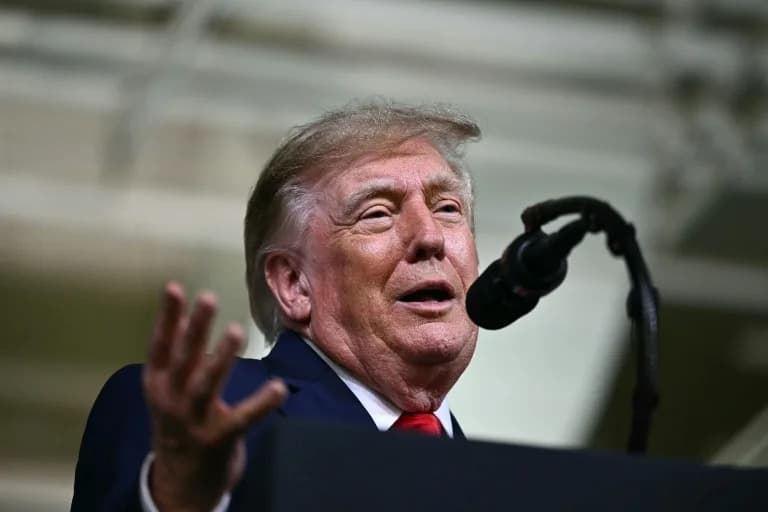
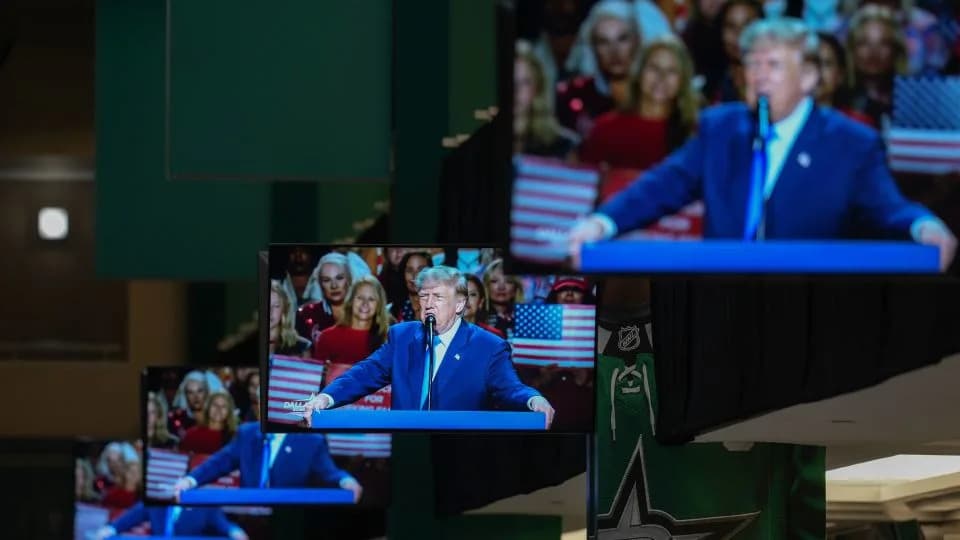
Not all national leaders oppose the cameras. Former President Donald Trump said he supports the devices for their law‑enforcement value, acknowledging some see them as an infringement on privacy: "Some people don't. They think it's an infringement," he said. "I like them."
Flock Safety did not immediately respond to requests for comment.
Help us improve.