H.R. 10221, the "Flock‑Off Act," would block federal funds for certain automated license‑plate readers and biometric cameras rather than ban the devices themselves. Introduced Sept. 2 by Reps. Thomas Massie and Eric Burlison, the bill gives agencies 180 days to remove systems bought with federal money and also targets cloud subscriptions and data‑sharing fees. Key exceptions for tolling and border security underscore that the debate centers on who pays — not the technology — while private and HOA contracts could keep many cameras active.
Flock‑Off Act Targets Federal Funding for License‑Plate Cameras — Not a Camera Ban
Congress Filed a Bill Called the 'Flock-Off Act.' It Won't Take Down a Single Camera.
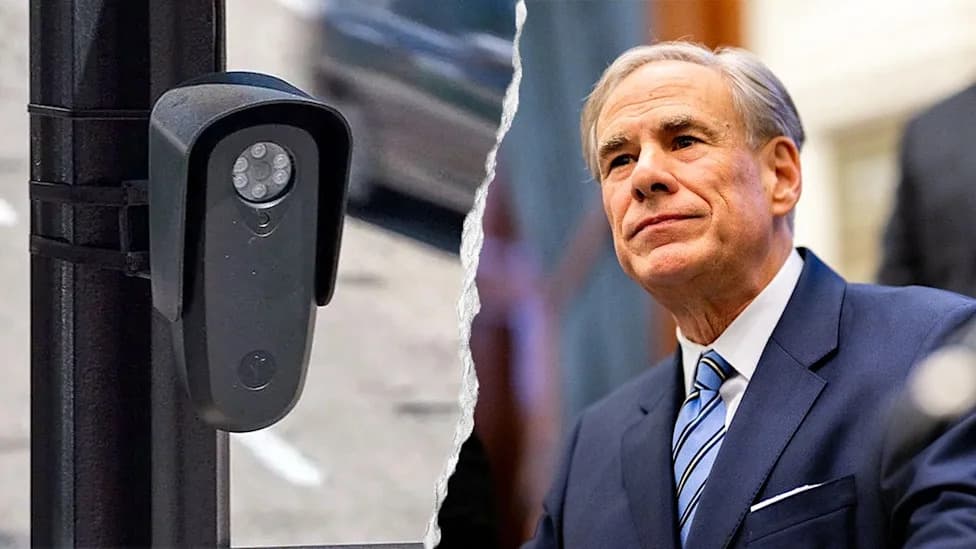
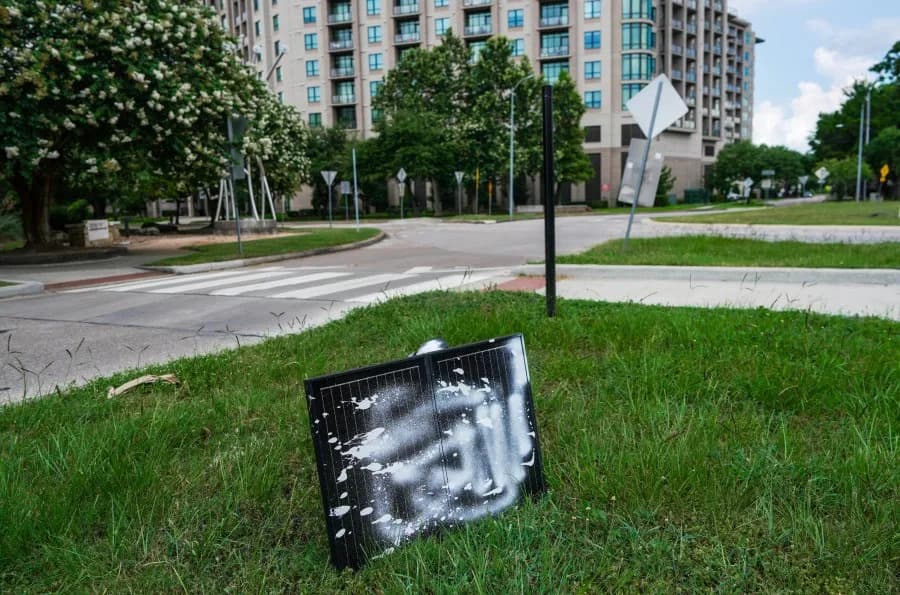
Somewhere in a municipal garage or police evidence yard, a stack of cameras paid for with federal dollars could soon be disconnected — but not because the devices are outlawed. Rep. Thomas Massie (R‑KY) and Rep. Eric Burlison (R‑MO) introduced H.R. 10221, the so‑called "Flock‑Off Act," on September 2 to prohibit certain federal expenditures on automated license‑plate readers (ALPRs) and biometric surveillance cameras.
What the Bill Actually Does
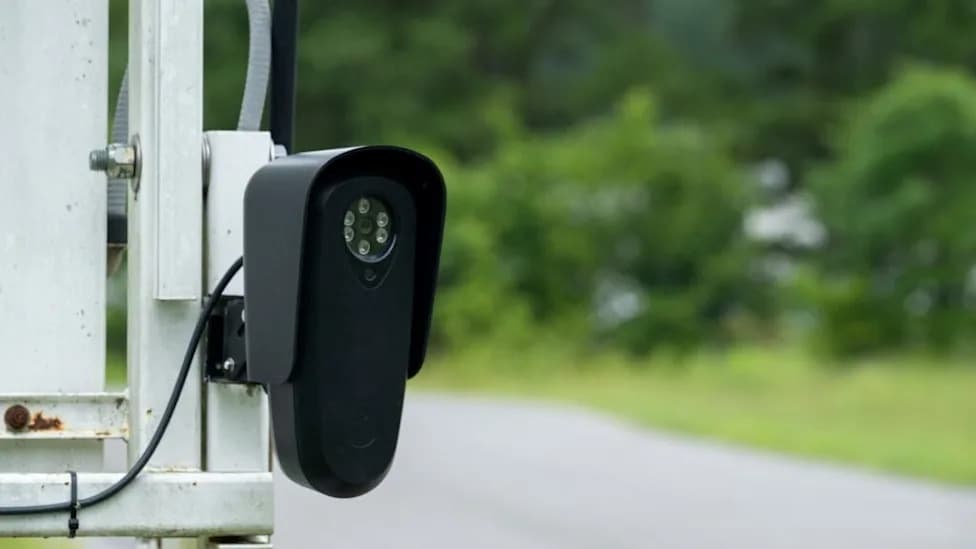
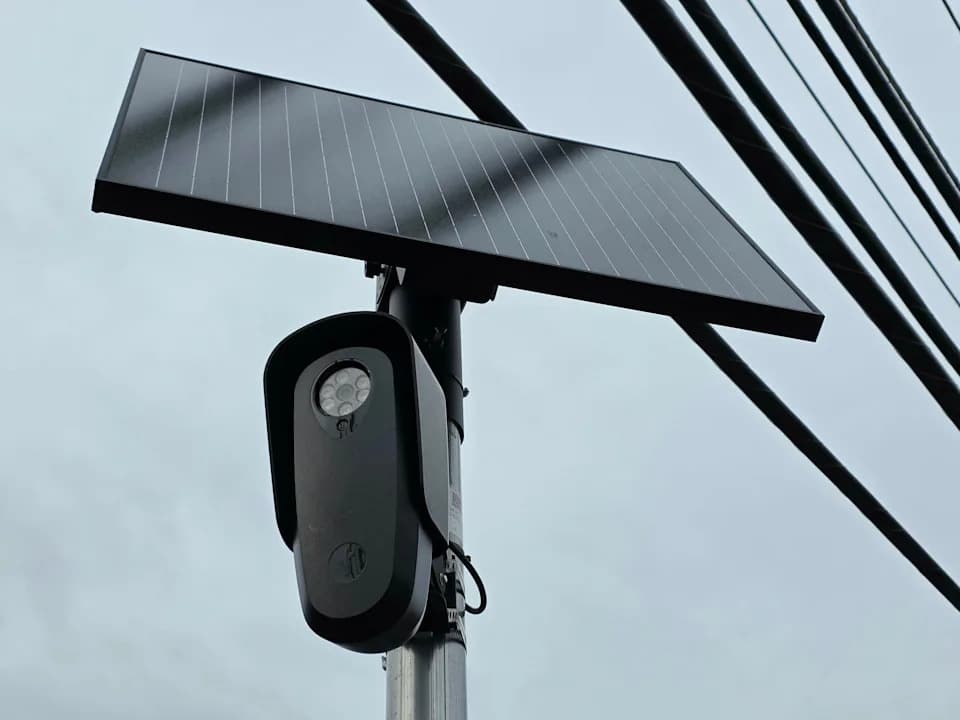
The legislation does not ban cameras or force local departments to stop using systems they continue to fund themselves. Instead, it blocks federal money from being used to purchase, install, maintain, operate, or upgrade ALPR and biometric camera systems. Agencies that used federal funds for these systems would have 180 days to remove them or risk losing the tied funding; violators could be required to repay the Treasury. The language also extends to cloud subscriptions, data storage, and data‑sharing agreements that keep those systems functioning.
Why That Matters
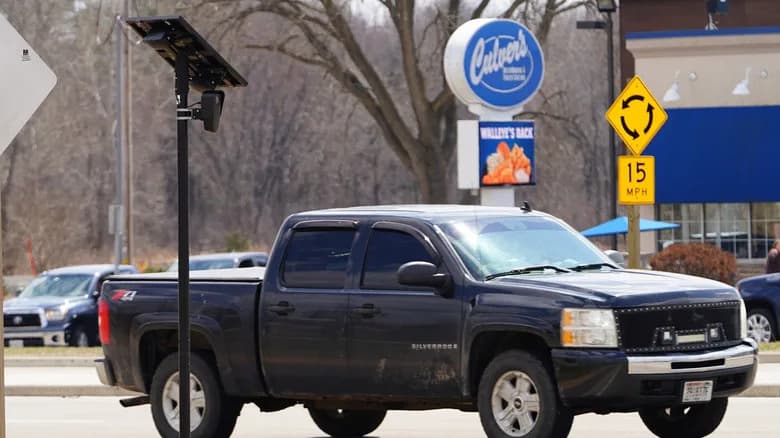
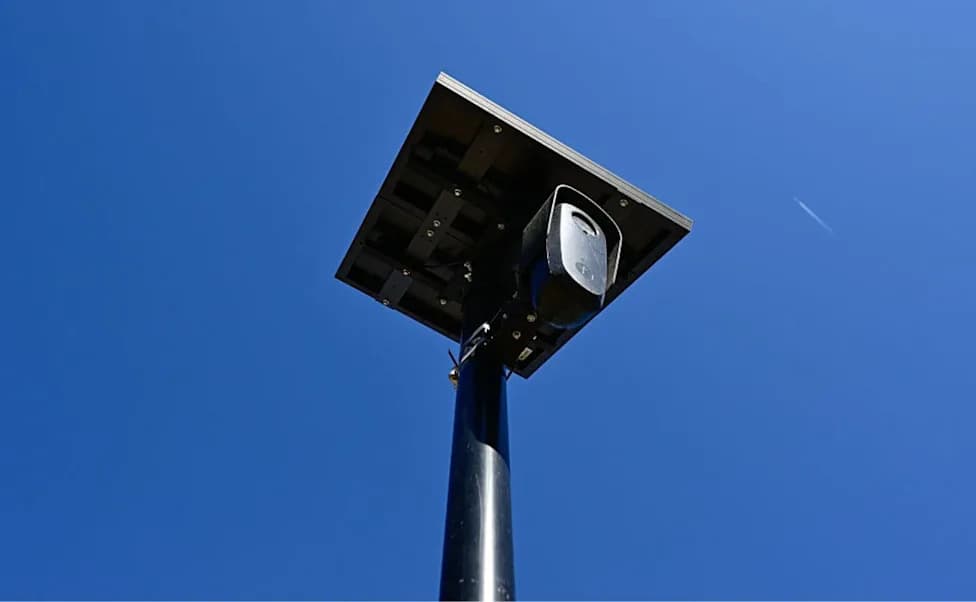
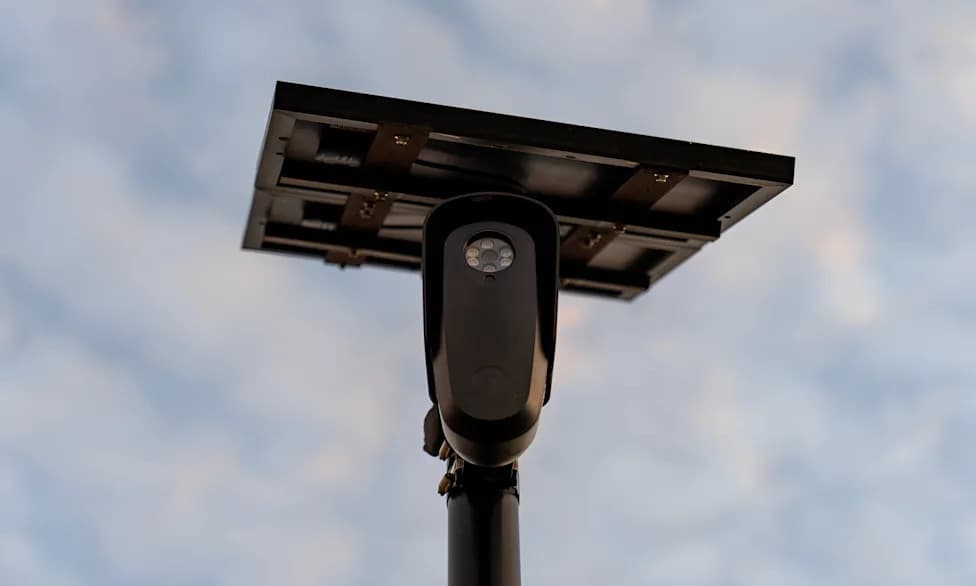
Many of the plate‑reading cameras deployed at intersections, toll corridors, and gated‑community exits are not sold as one‑time hardware purchases. Vendors such as Flock Safety typically sell an annual subscription that bundles cameras, LTE connectivity, cloud storage, software, installation, and ongoing upgrades. Flock, founded from a 2017 Y Combinator cohort, reported a $4.8 billion valuation in 2023. Because contracts often anticipate hardware removal when payments stop, the bill's 180‑day removal clause may align with existing vendor offboarding procedures.
Funding, Not Technology, Is the Fight
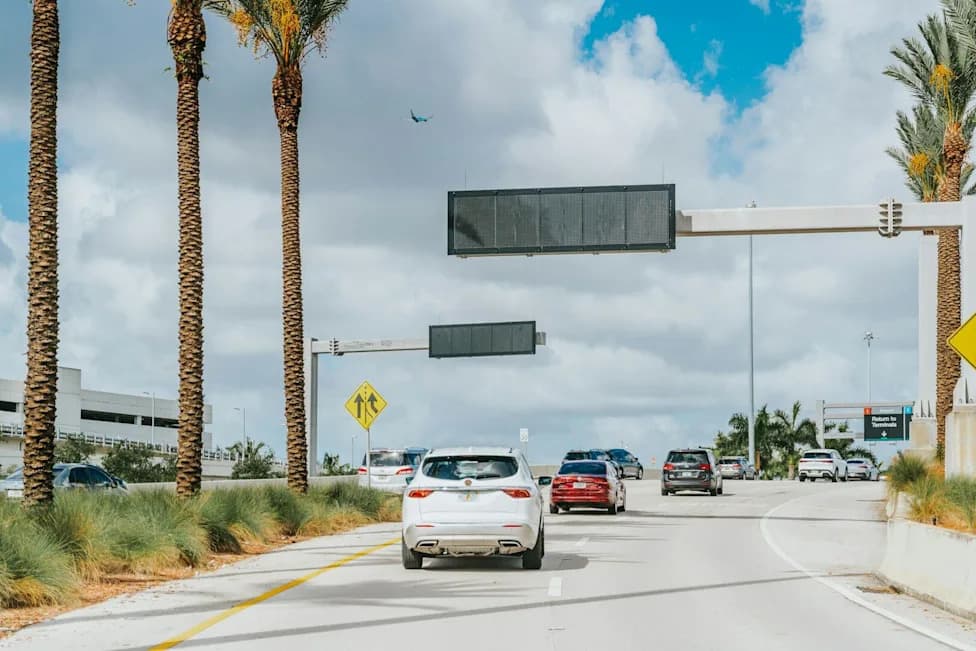
Hidden in the bill are clear exceptions that reveal its focus: H.R. 10221 preserves federal funding for ALPRs used for toll collection and for cameras placed within one mile of the U.S. northern or southern border to interdict smuggling and trafficking. In short, a camera that reads a plate to bill a bridge crossing remains eligible for federal dollars; a camera that reads a plate to alert investigators about a nearby crime could be cut off. The distinction is financial, not technical — both uses rely on similar computer‑vision systems.
Politics And Practical Limits
The bill's cosponsors range from hard‑right Republicans such as Lauren Boebert, Paul Gosar, and Chip Roy to Democrat Ro Khanna, reflecting the cross‑partisan coalitions that surveillance issues sometimes create. Even if H.R. 10221 passed, it would only choke off one revenue stream. Flock and competitors already sell identical systems directly to homeowners' associations, private businesses, and houses of worship, bypassing federal grants and, in some cases, public‑records scrutiny. States and private buyers could therefore keep plate‑reading networks running without federal involvement.
Unresolved Questions
The bill does not address other ongoing controversies: whether current ALPR technology is consistently accurate (after reported misreads such as an incident in Roseville, California) or whether the Supreme Court's recent phone‑tracking ruling extends Fourth Amendment protections to a vehicle's long‑term location history. H.R. 10221 decides only one thing for a subset of systems: who pays the bill.
Bottom line: The Flock‑Off Act is a funding restriction, not a device ban. It forces a policy conversation about public money and surveillance, but many cameras could continue operating under private or local contracts even if the bill becomes law.
Help us improve.