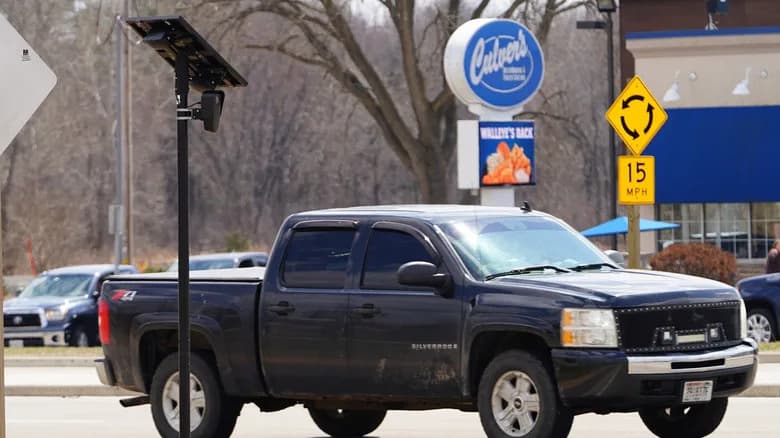
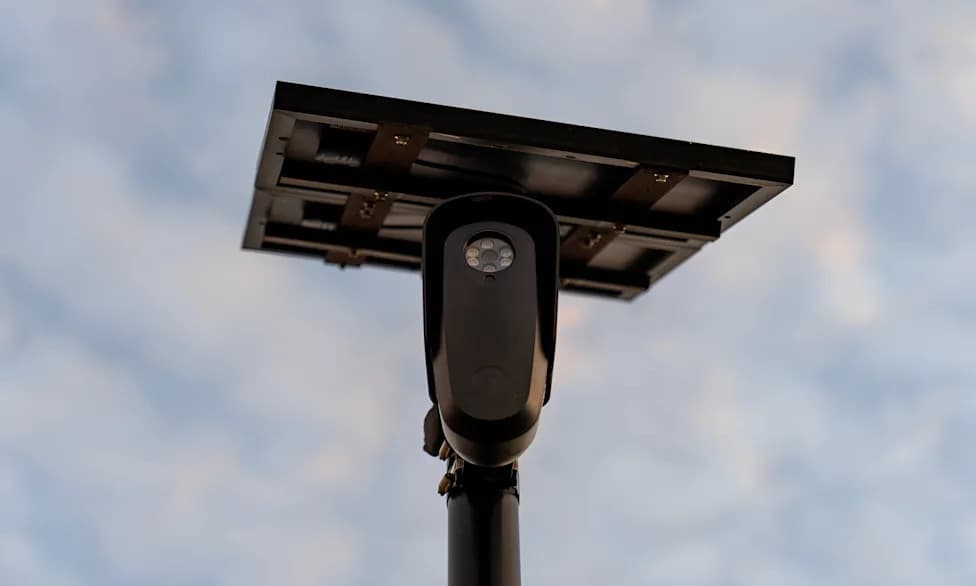
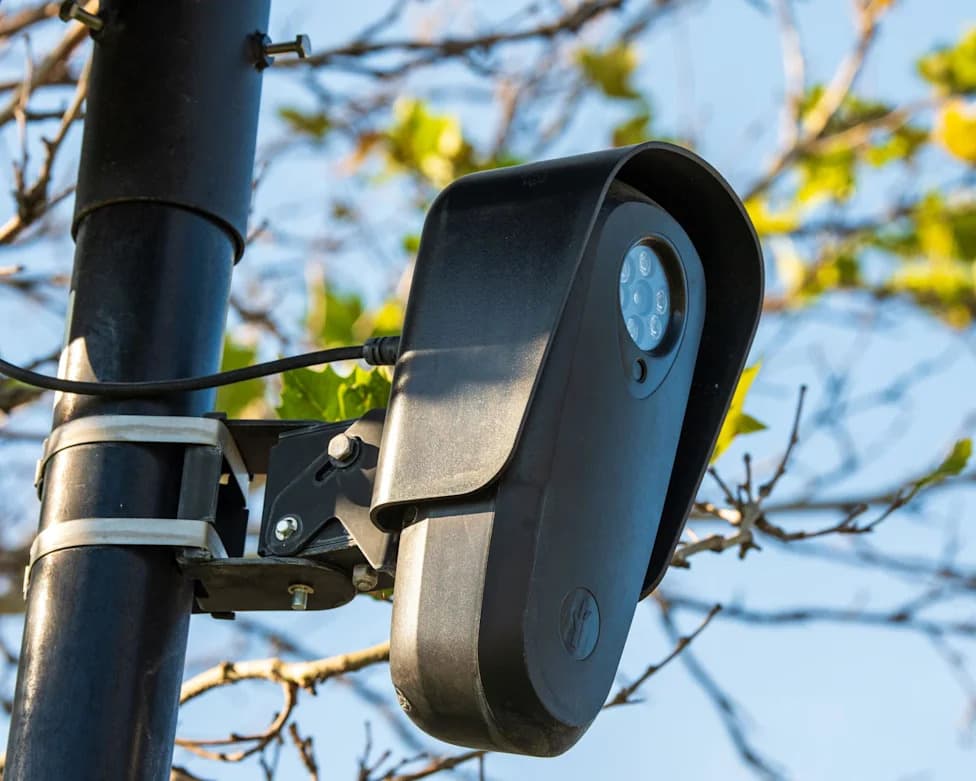
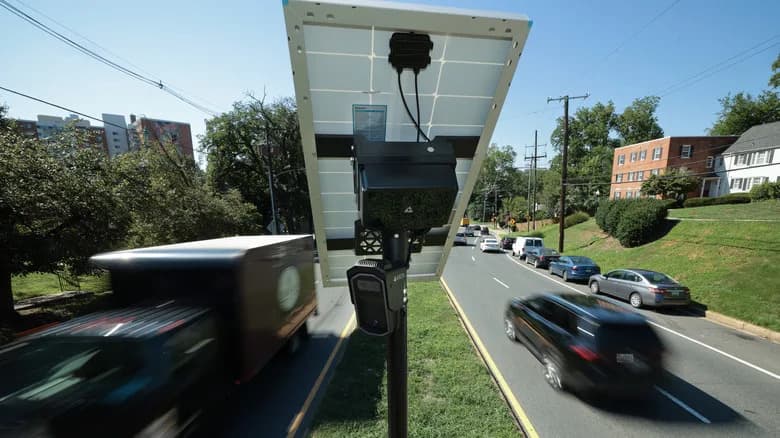
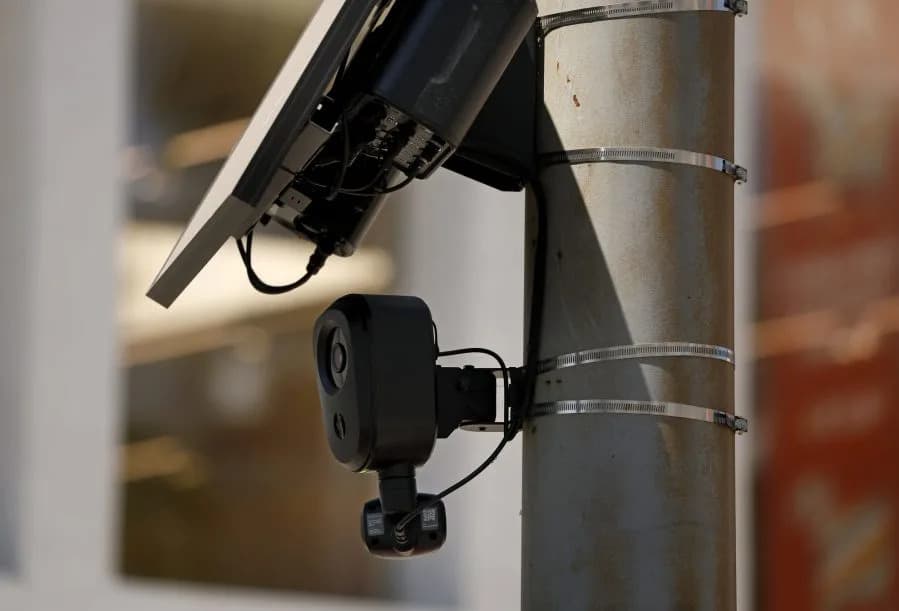
St. Lucie County found 14 previously unpermitted Flock automated license-plate readers during a removal sweep; 11 of those devices currently have no publicly known owner. Officials posted 30-day notices requiring installers to remove the cameras (deadlines Oct 16–20) and planned to temporarily disable or cover them. The discovery follows a Florida DOT decision to revoke permits for such systems amid concerns about misuse and data privacy, and echoes similar controversies in other U.S. cities.
St. Lucie County Uncovers 14 Unpermitted Flock License-Plate Cameras; 11 Have No Known Owner
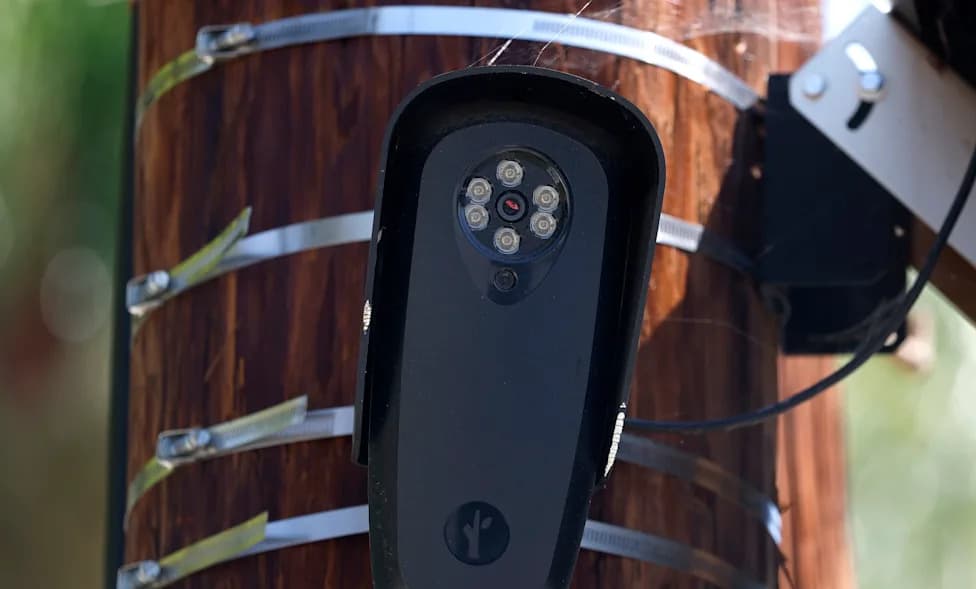
Photo Credit: Getty Images
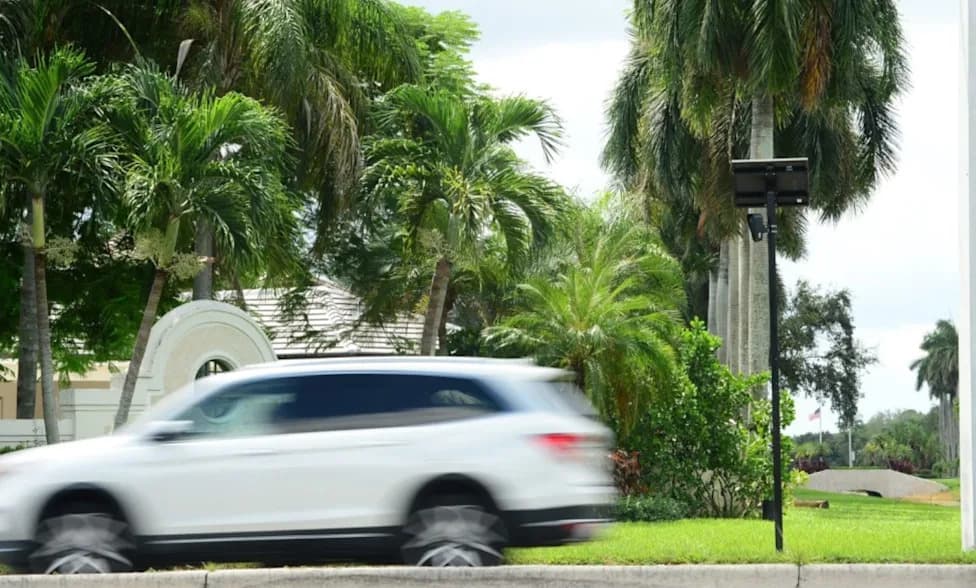
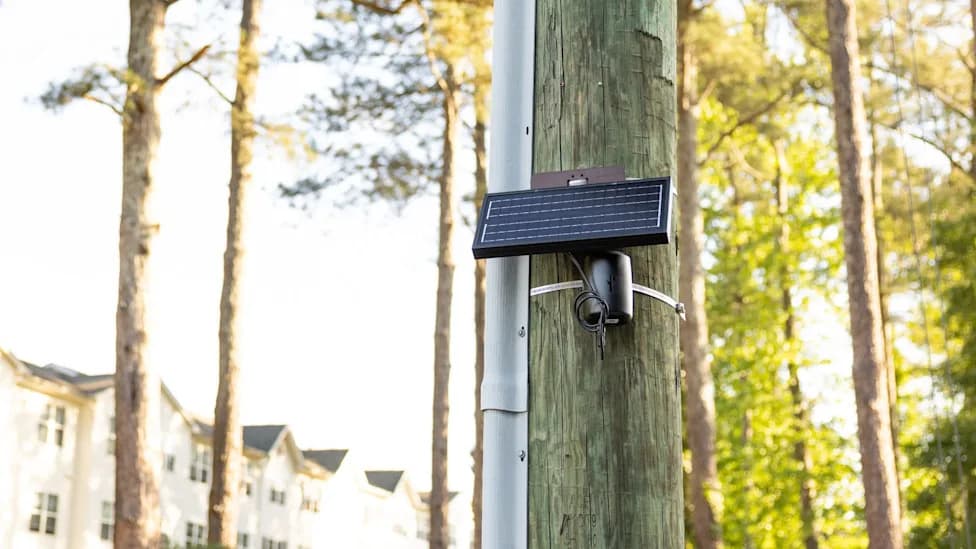
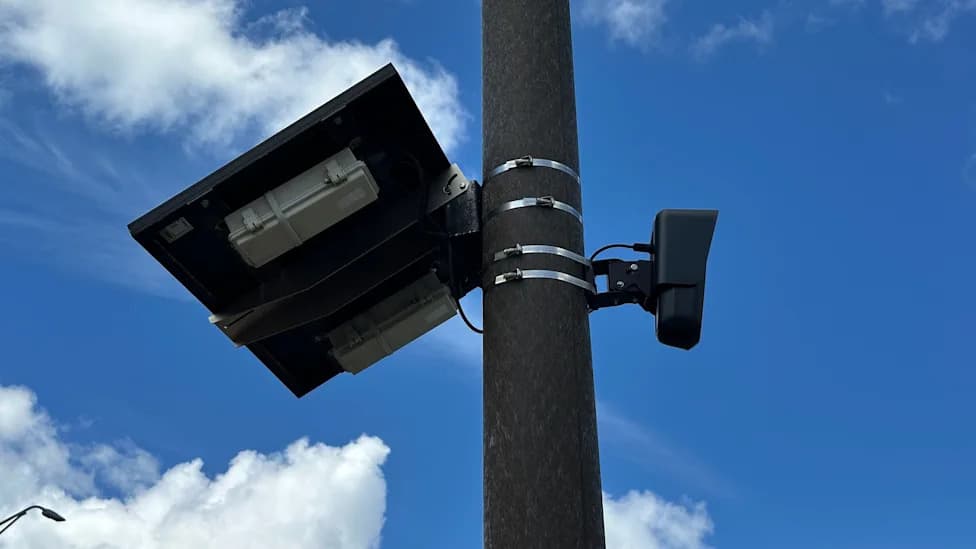
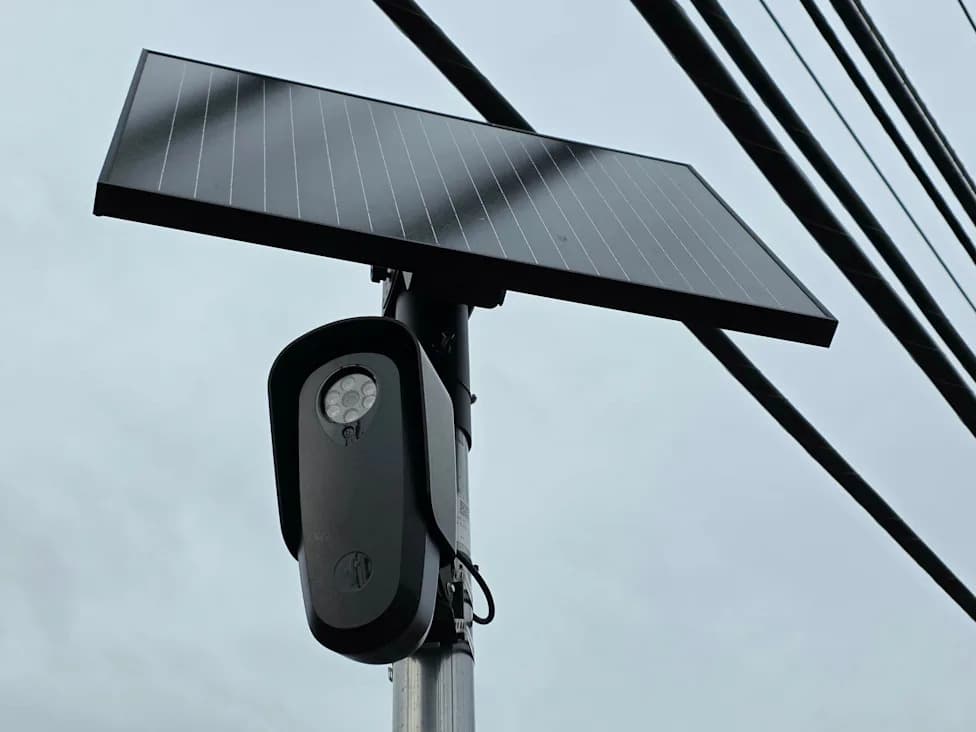
St. Lucie County, Florida, discovered 14 Flock automated license-plate readers (ALPRs) that had never been permitted, and officials say 11 of those devices still have no publicly identified owner.
Incomplete Inventory Revealed During Removal Sweep
County crews found the additional cameras while carrying out a plan to remove Flock systems from county roadways. County records had listed 52 Flock cameras along major roads, but the sweep turned up 14 more units that were not processed through the St. Lucie County Planning and Development Department, bringing the total located to 66.
Who Owns the Cameras?
After county staff published a list of the unpermitted devices, the St. Lucie County Sheriff’s Office acknowledged three of the cameras were its equipment. The county’s other two local law enforcement agencies said the remaining devices did not belong to them, leaving 11 cameras without a publicly known owner.
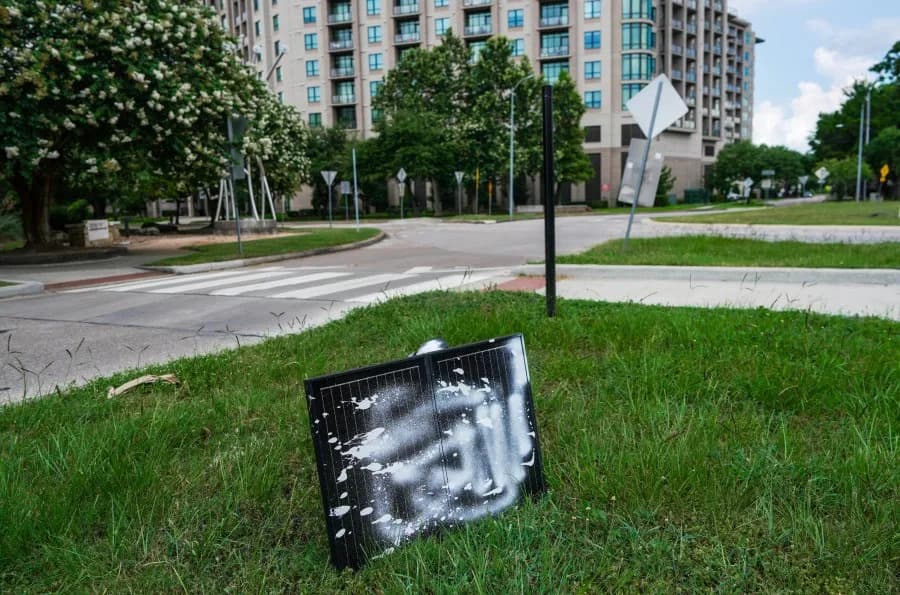
County spokesperson Erick Gill said staff posted notices giving whoever installed the devices 30 days to remove them, with removal deadlines falling between October 16 and October 20. In the meantime, county workers planned to temporarily disable or cover the cameras to limit their use.
“That makes me feel very unsafe,” said Ty Grant, a Fort Pierce resident who lives near one of the cameras.
State Action and Broader Concerns
The discovery comes after the Florida Department of Transportation revoked permits for automated license-plate recognition systems in state highway rights-of-way in late August, citing “concerning reports of misuse” and “data privacy concerns.” The state gave municipalities until September 30 to remove these systems from state highway corridors.
Flock, founded in 2017 and headquartered in Atlanta, says it operates more than 120,000 automated license-plate readers across the United States (excluding Alaska). The company asserts the cameras help locate stolen vehicles, missing people and criminal suspects. Flock spokesperson Paris Lewbel said the company applies for permits “where required,” noting that permitting rules vary by jurisdiction, and added that Flock had reached out to county officials and was willing to review the cameras in question.
Privacy, Misuse Allegations and Local Incidents
Privacy advocates and local leaders have raised alarm after reports of misuse. In Fort Pierce, former police officer Josepher Crutchfield was jailed after investigators found he had accessed the Flock database 382 times to track his ex-girlfriend while off duty. Nationally, at least 50 law enforcement officers have been accused of misusing Flock systems to follow people in their personal lives.
Other municipalities have faced similar questions: Palm Bay, Florida, suspended its Flock system amid permit and installation concerns; in Cambridge, Massachusetts, cameras reportedly appeared without city knowledge after systems had been dismantled; and a Flock camera was found on city property in Millcreek, Utah, with no clear owner.
What Happens Next
St. Lucie County officials say they are working to identify who installed the unpermitted cameras, notify those parties, and restrict or remove the devices while deadlines run. When The Washington Post visited one listed site in Fort Pierce, that unpermitted camera had already been removed.
The episode highlights ongoing tensions around ALPR technology: potential public-safety benefits are weighed against privacy risks, misuse by individuals with authorized access, false alerts that can mislead investigations, and inconsistent permitting and oversight across jurisdictions.
Help us improve.