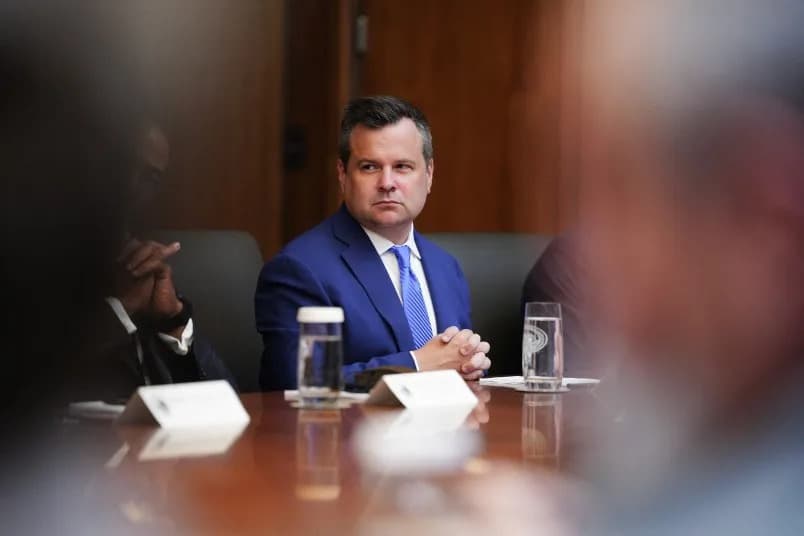
Senators Bernie Sanders, Jeff Merkley and Representative Alexandria Ocasio-Cortez introduced the Ban Flock Act to prohibit federal use of automated license-plate readers and to block federal funding for state and local governments that use them. The bill responds to reports that at least 50 officers abused such systems and to local contract cancellations. Flock Safety defends the technology and has announced privacy updates, while Senator Josh Hawley has proposed an alternative bill to impose federal guardrails instead of an outright ban.
Ocasio-Cortez and Bernie Sanders Introduce 'Ban Flock Act' to Halt License-Plate Surveillance
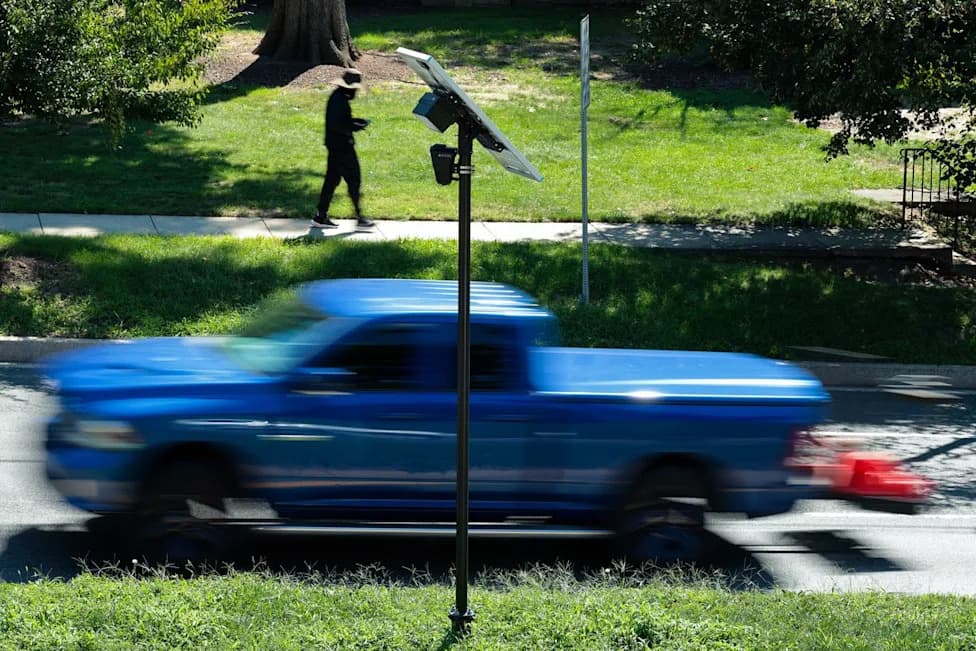
Congresswoman Alexandria Ocasio-Cortez of New York and Senator Bernie Sanders of Vermont have teamed up again — this time to introduce a bill to ban automatic license plate readers (Getty)
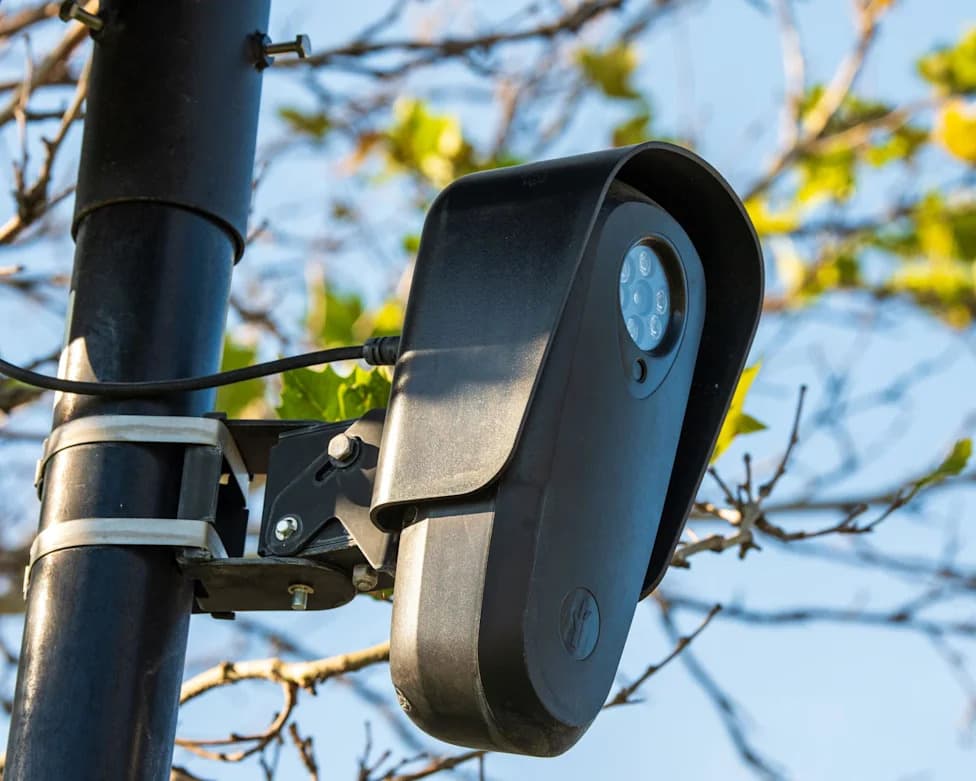
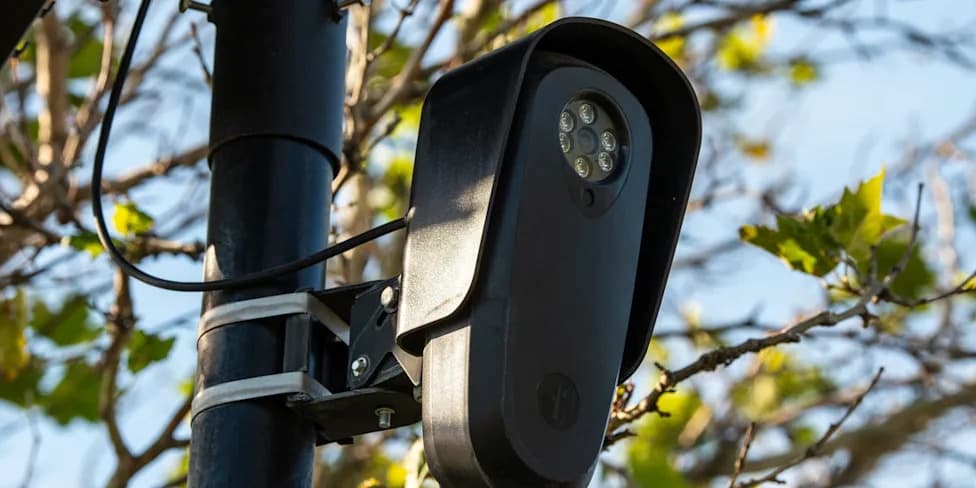
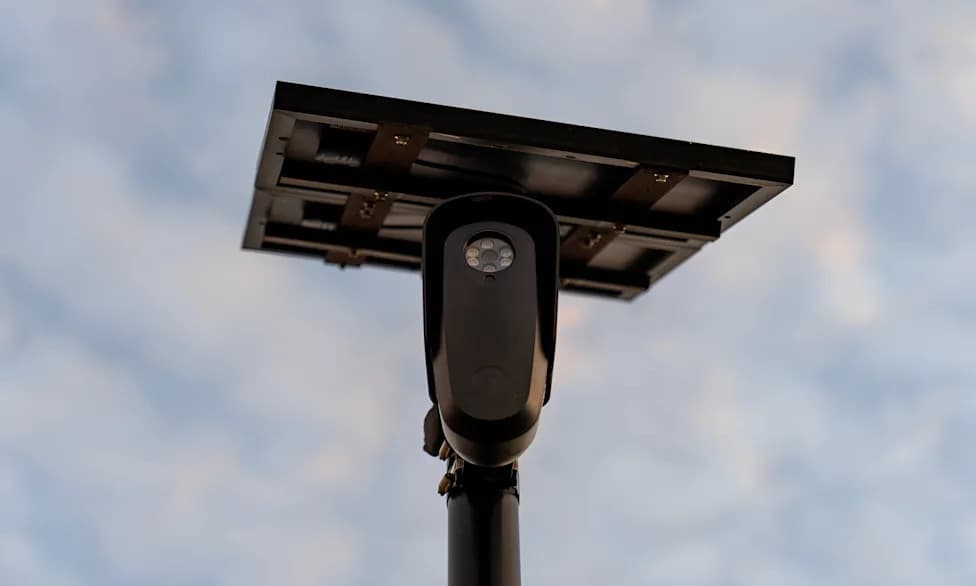
Congresswoman Alexandria Ocasio-Cortez and Senator Bernie Sanders, joined by Senator Jeff Merkley (D‑Ore.), have introduced the Ban Flock Act — legislation designed to prohibit federal agencies from using automated license-plate readers, commonly known as Flock cameras, and to withhold federal funding from state and local governments that operate these systems.
What the bill would do
The Ban Flock Act would bar federal use of license-plate readers and block federal grants and funding to state and local governments that continue to deploy the technology. The legislation would also create a private right of action, allowing individuals to sue the federal government if the cameras are used in ways that violate their rights.

Congresswoman Alexandria Ocasio-Cortez of New York and Senator Bernie Sanders of Vermont have teamed up again — this time to introduce a bill to ban automatic license-plate readers after police officers have been accused of misusing the technology (Getty Images)
Lawmakers' concerns
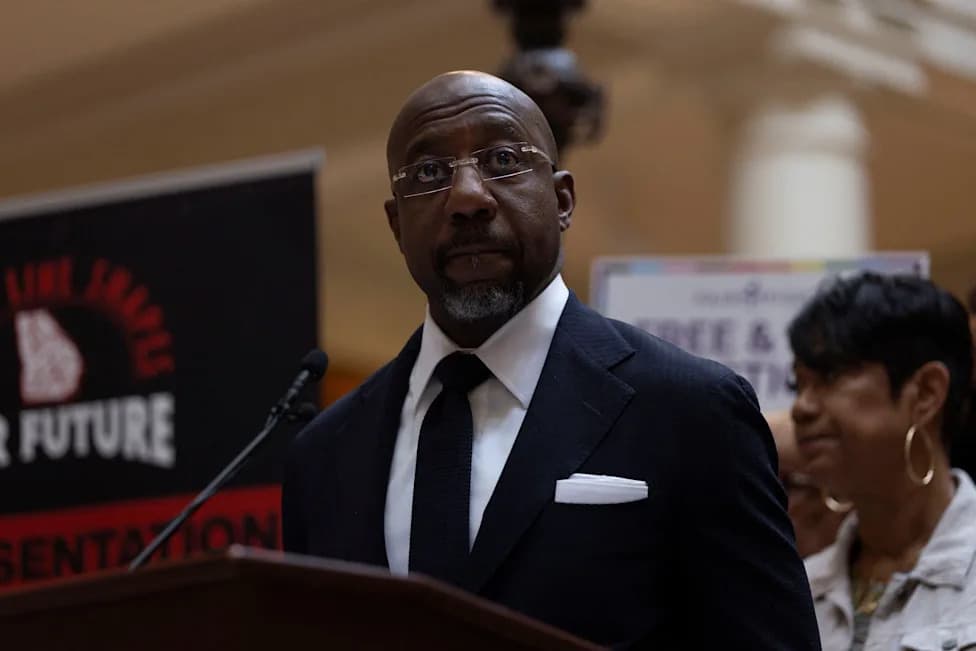
"Going to the doctor? Flock knows. Dropping your kid off at school? Flock is tracking you. Flock is always watching," Senator Sanders said in a press release, arguing the technology risks turning the U.S. into a surveillance state where private companies profit from tracking citizens' movements.
Representative Ocasio-Cortez added: "Companies like Flock Safety have built a mass surveillance system to harvest Americans' private and personal data without their consent. The widespread integration of this technology into American society is unconscionable."
Reports of misuse and public response
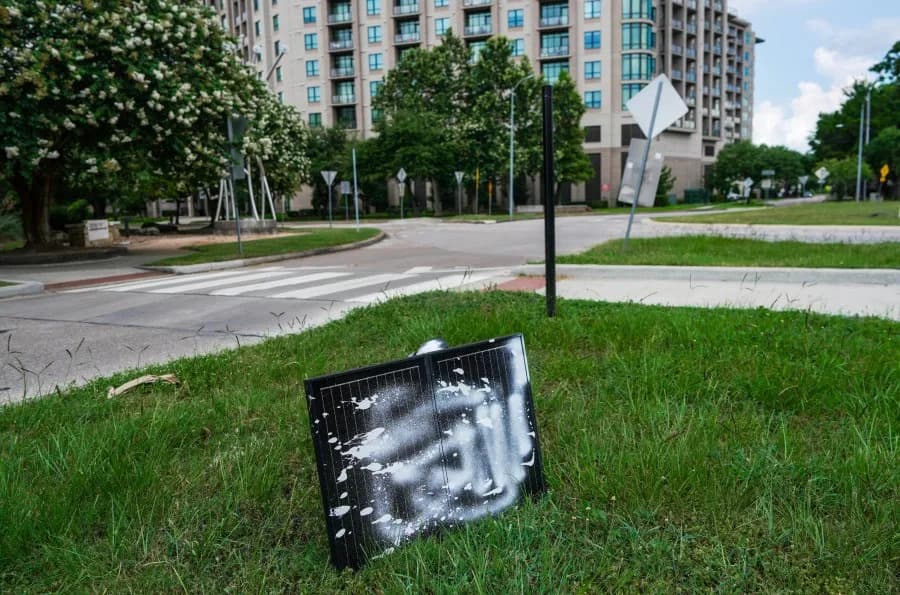
Concerns about misuse follow reporting by The Washington Post that at least 50 law enforcement officers were charged with or accused of abusing Flock cameras and other surveillance systems, including alleged incidents of stalking. Public backlash has been significant: according to DeFlock, a crowdsourced anti-surveillance app, more than 50 cities in August alone canceled or rejected automated license-plate reader contracts or deactivated existing cameras.
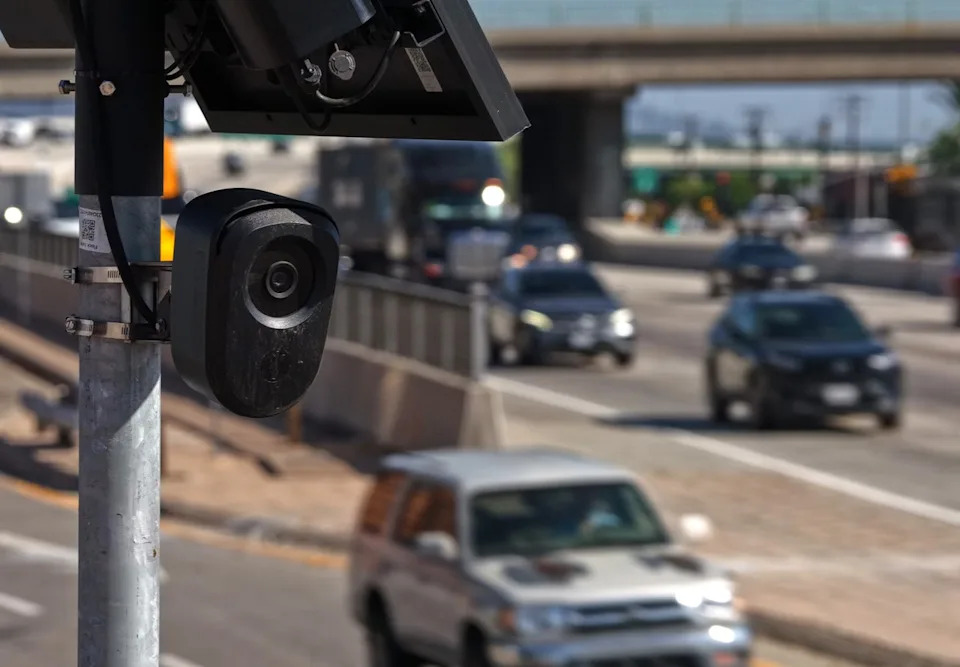
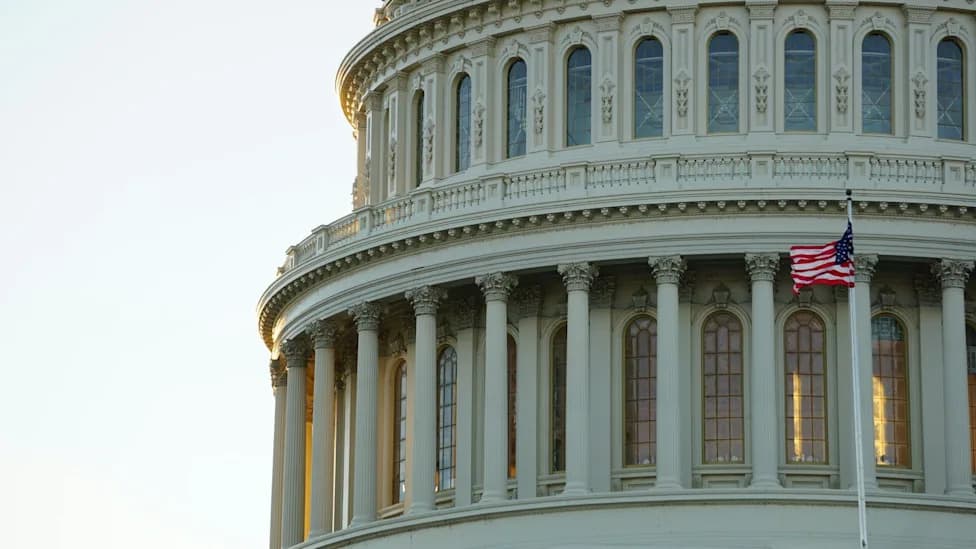
The Ban Flock Act would prohibit federal agencies from using the license-plate readers and block federal funding to state and local governments that use the technology (Getty Images)
Flock Safety's response and privacy measures
Flock Safety has defended its products as public-safety tools. In an August blog post the company said its technology "assists your officers in more than one million crimes solved annually." The company also told The Independent it "strongly supports legislation establishing guardrails governing License Plate Reader use."
Amid criticism, Flock announced privacy-focused updates, including requiring law enforcement customers to adopt an "Audit Assistance" tool by year-end. The company says this feature detects and flags abnormal access patterns and has reportedly helped identify officers who misused the system.
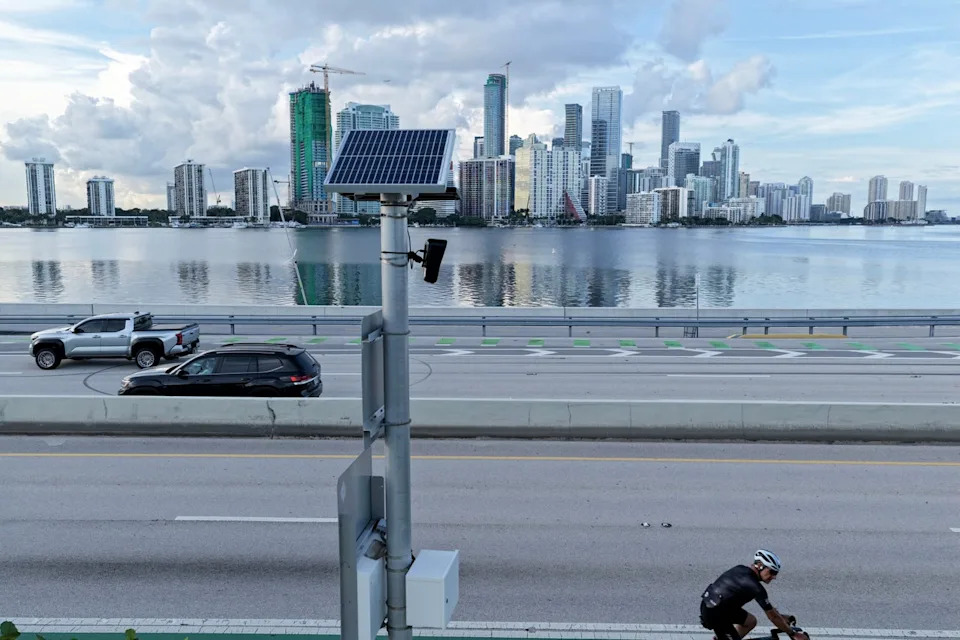
Flock has defended its technology as a crime-fighting tool, but also said it 'strongly supports legislation establishing guardrails governing License Plate Reader use' (Getty Images)
Republican alternative: Stop Flock Abuse Act
Republican Senator Josh Hawley (R‑Mo.) has proposed the Stop Flock Abuse Act as an alternative to an outright ban. Hawley's bill would impose federal guardrails: prohibit local governments from selling or sharing license‑plate data with private third parties, ban integration of facial‑recognition technology into plate-reader networks, and require searchable audit logs documenting who accessed the data, why, and who approved the request.
Hawley said supervisors must regularly audit those logs "monitoring for red flags, such as repeat searches of the same person or suspicious justifications," adding that "law-abiding Americans should not be treated like criminals."
Where the debate stands
The dispute frames a larger national debate over privacy, public safety and the role of private surveillance companies. Supporters of the Ban Flock Act argue that the technology is prone to abuse and that a federal ban is necessary to protect civil liberties. Opponents and some law-enforcement advocates say the systems assist investigations and that strong oversight — rather than a ban — is a preferable path.
Help us improve.