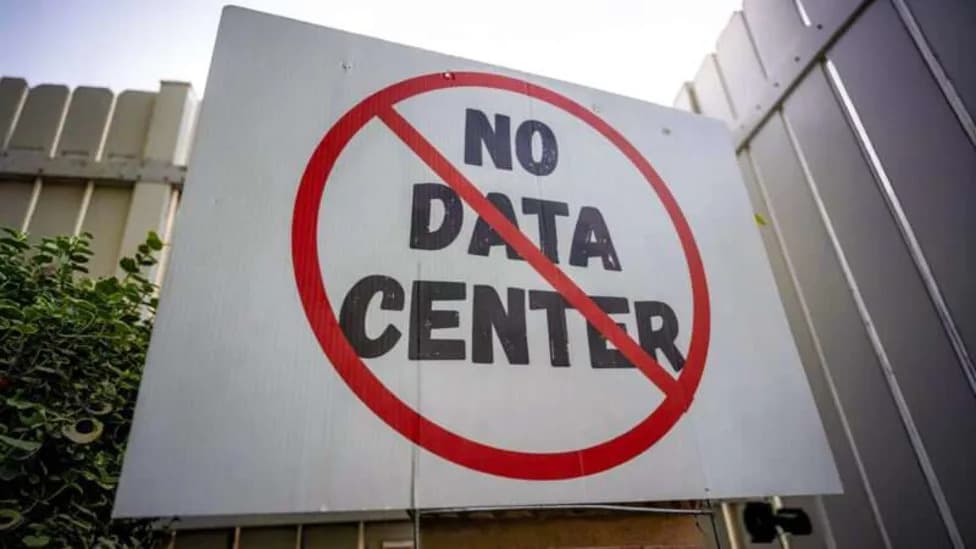
Palm Beach County commissioners voted unanimously 6-0 to impose a temporary moratorium on new large-scale data center applications in unincorporated areas, blocking projects with an anticipated peak electrical load of 50 megawatts or more. The pause, set to expire on September 24, 2027 (or sooner if regulations are completed), follows local opposition to an expansion of Project Tango near Arden and aims to give officials time to craft updated rules on power, water and other infrastructure. The action preserves a 2016 approval for two 100,000-square-foot buildings while county leaders consider hiring an outside consultant to help draft new regulations. A recent Pew survey shows public concern about data centers’ environmental and local impacts has increased this year.
Palm Beach County Halts New Hyperscale Data Centers Near Mar‑a‑Lago, Citing Power, Water and Community Concerns
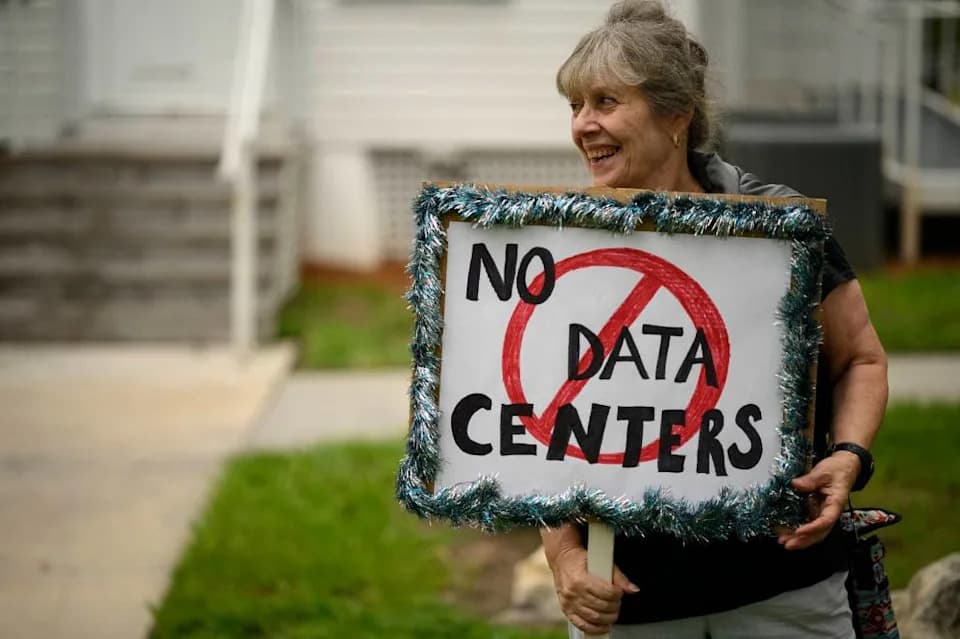
Palm Beach County commissioners voted unanimously 6-0 to impose a temporary moratorium on new large-scale data center applications in unincorporated parts of the county, a move aimed at giving officials time to draft rules to manage heavy demands on local power, water and other infrastructure. The moratorium is set to expire on September 24, 2027, or sooner if updated development regulations are completed.
Why the Pause?
The vote follows months of local opposition to an expansion of Project Tango, a planned hyperscale AI data center near Arden in western Palm Beach County. The site sits roughly 20 miles west of President Donald Trump’s Mar-a-Lago residence and is close to homes and an elementary school, prompting residents to raise concerns about water availability, rising utility bills, environmental impacts and disruptive noise.
Scope of the Moratorium
The temporary ban prevents the county from accepting, processing or approving new applications for data centers in unincorporated Palm Beach County that have an anticipated peak electrical load of at least 50 megawatts. The action does not overturn earlier approvals for Project Tango: while commissioners in July rejected a proposal to dramatically expand the development, a 2016 approval for two 100,000-square-foot data center buildings remains in place.
Local Process and Next Steps
Commissioners instructed county staff to explore hiring an outside consultant to help review and draft updated rules for large-scale facilities after rejecting a proposed technical advisory committee. Vice Mayor Marci Woodward said she worried an advisory committee would “add an extra layer of work,” while Mayor Sara Baxter supported the idea of a consultant but objected to potential costs estimated between $200,000 and $2 million. No consultant contract or spending was approved at the meeting.
Broader Context
Palm Beach County joins a growing list of Florida counties that have moved to restrict or pause large-scale data center development, including Bay, Citrus, Clay, Holmes, Jackson, Leon, Nassau, Pasco and Walton, according to reporting in the South Florida Sun Sentinel. Similar pauses have appeared elsewhere in the U.S. as communities and state officials weigh infrastructure and environmental trade-offs.
President Trump has criticized comparable moratoria, calling New York State’s pause on new hyperscale data centers “terrible” and warning that municipalities that block data centers risk becoming “backwards and poor.”
Public Opinion
A recent Pew Research Center survey shows growing public concern about data centers: 54 percent of Americans now say data centers are mostly bad for the environment (up from 39 percent in January); 50 percent say they are mostly bad for home energy costs (up from 38 percent); and 49 percent say they are mostly bad for nearby residents’ quality of life (up from 30 percent). The survey was conducted from July 20 to August 9 among 10,548 U.S. adults.
County officials say the moratorium will allow time to develop targeted regulations that address electricity, water and other infrastructure impacts while preserving previously granted approvals. Officials may revisit the moratorium timeline if the regulatory work is completed sooner.
Help us improve.