Governor Gavin Newsom signed AB 1642 and AB 1795, requiring insurers to pay for smoke testing, remediation and temporary housing for homes affected by the January 2025 Palisades and Eaton fires. The state reports roughly 13,000 smoke-related claims by homeowners whose structures did not burn. DTSC must complete lead and asbestos standards by the end of 2028 and rules for heavy metals and other pollutants by the end of 2029. Supporters say science-based statewide standards will reduce disputes; industry groups object to DTSC’s rulemaking authority.
Newsom Signs Landmark Law Requiring Insurers To Pay For Toxic Smoke Testing, Cleanup And Temporary Housing

Photo Credit: Getty Images
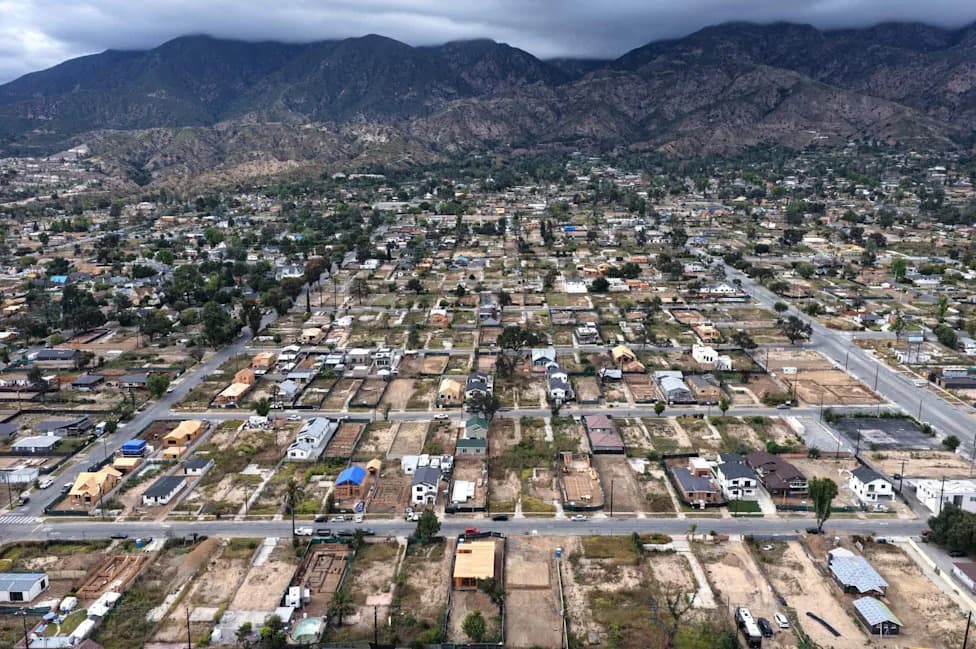
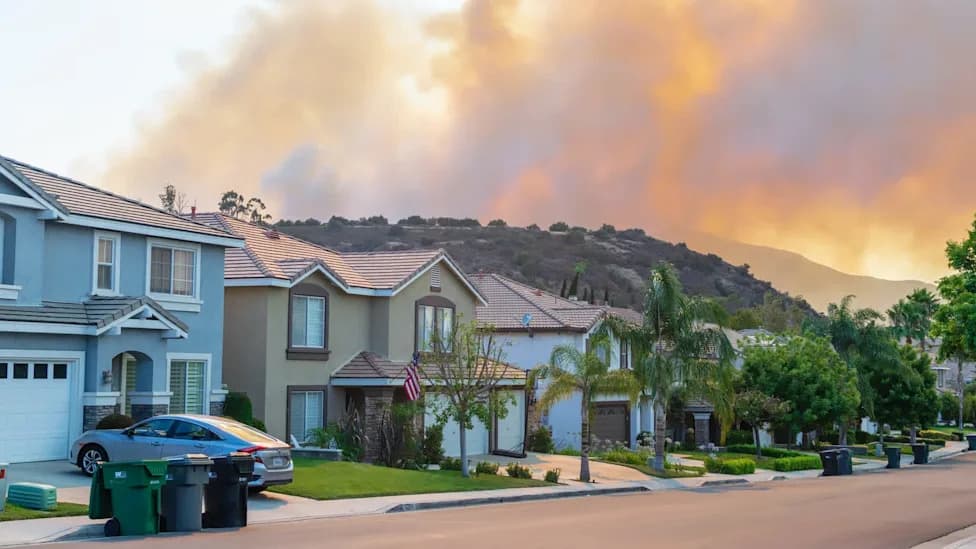
Even after the January 2025 Palisades and Eaton fires were extinguished, many Los Angeles County residents whose homes remained standing continued to face health and safety risks from toxic smoke contamination. Governor Gavin Newsom has signed two bills — Assembly Bill 1642 and Assembly Bill 1795 — that create statewide obligations for insurers to fund testing, remediation and temporary housing when smoke contamination prevents safe reoccupation.
What The New Law Requires
The measures spell out insurer responsibilities for smoke-related claims: companies must evaluate properties for smoke-borne contamination, pay for remediation when tests show hazardous residues, and cover temporary living expenses until a dwelling is officially cleared as safe. The laws are intended to reduce disputes over whether cleanup is necessary and to shift more financial responsibility away from homeowners.
DTSC Rulemaking Timeline
The California Department of Toxic Substances Control (DTSC) will develop the technical standards that determine what testing and cleanup are required. DTSC must complete standards for lead and asbestos testing and remediation by the end of 2028, with rules for heavy metals and other pollutants due by the end of 2029.
Why Smoke From Urban Fires Is Particularly Dangerous
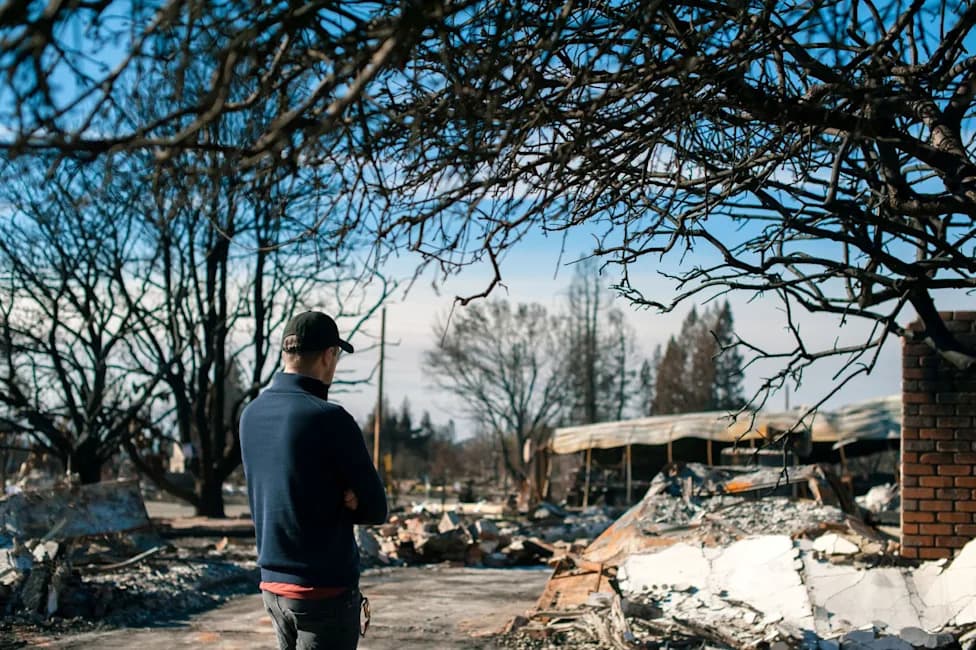
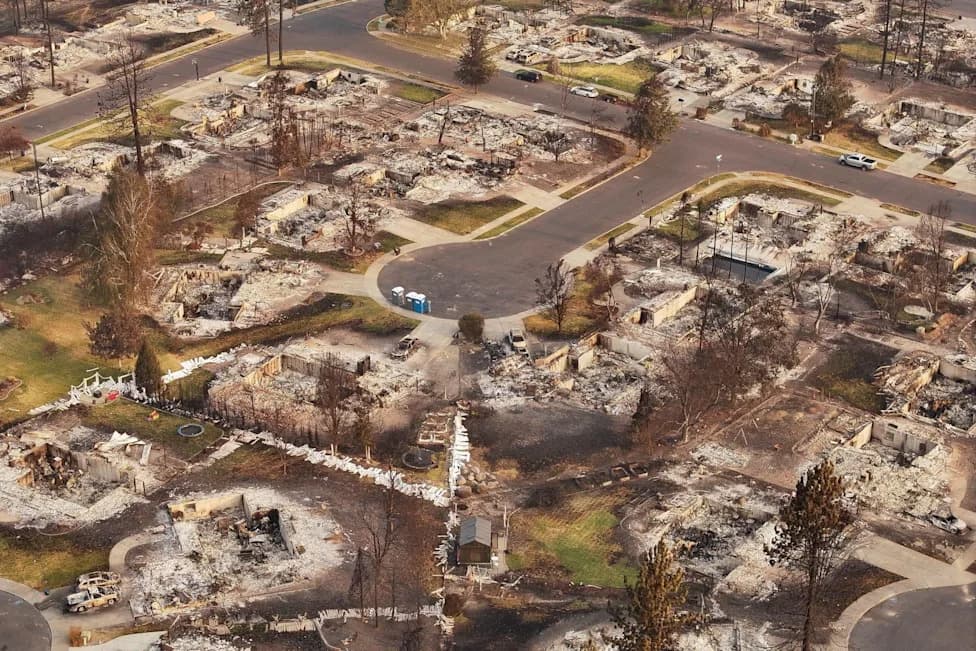
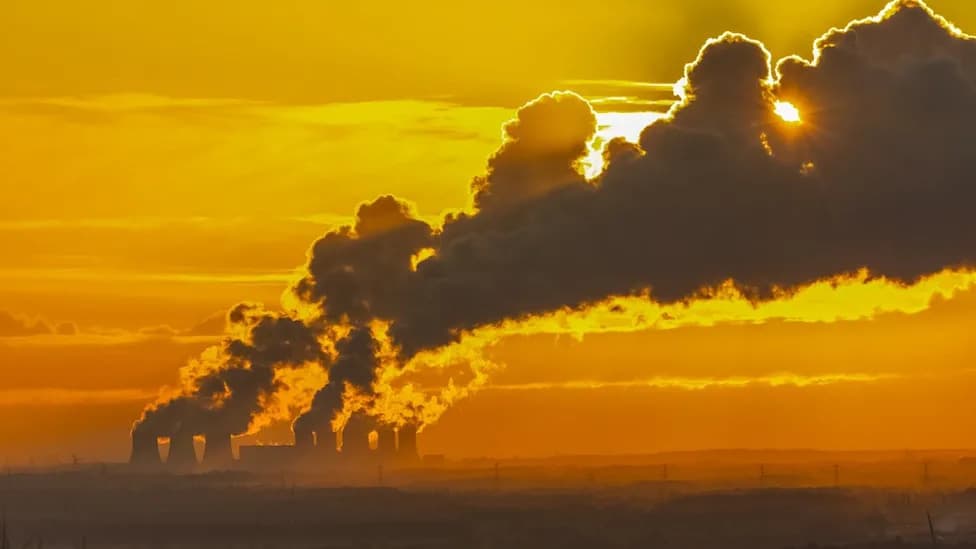
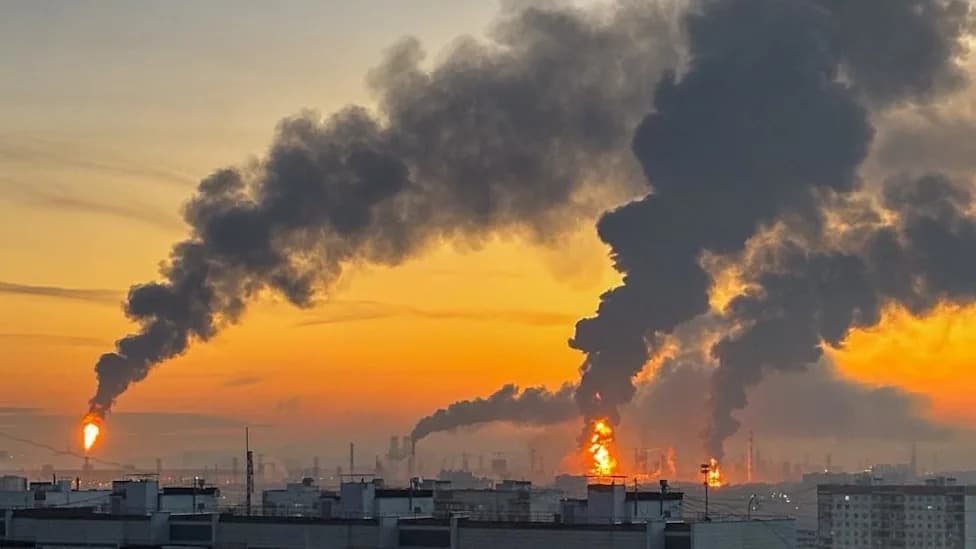
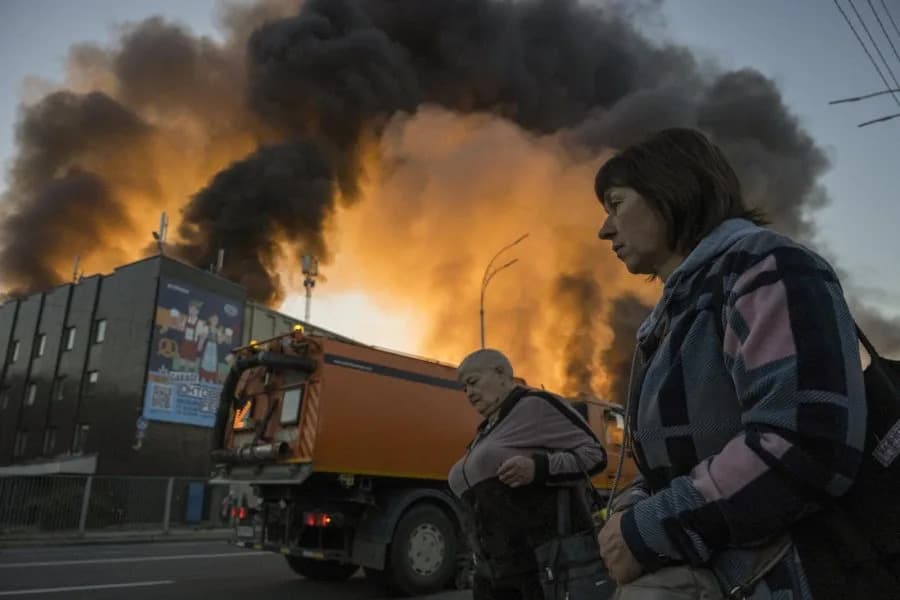
Officials warned the Los Angeles-area blazes were especially hazardous because they burned in dense urban neighborhoods. As buildings, cars, appliances and other manufactured goods combust, they can release lead, asbestos fibers and a range of heavy metals and chemical residues that may linger in homes even if the structure itself did not catch fire.
Impact On Residents
Since the fires, the California Department of Insurance reports roughly 13,000 smoke-related claims by owners of structures that did not burn. Many families have faced prolonged uncertainty, expensive temporary housing costs and contested claims while waiting to learn whether their homes are safe to reenter. Community group Eaton Fire Residents United reported finding residual lead, asbestos and heavy metals in houses even after professional remediation work.
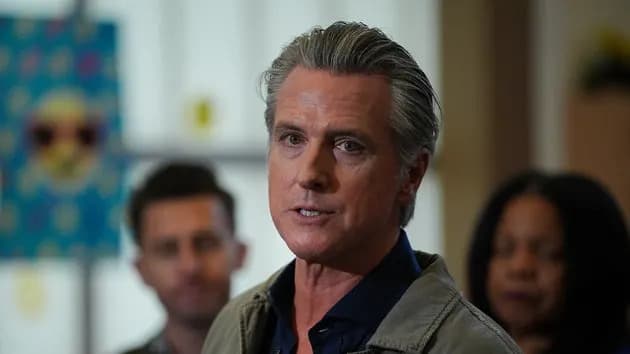
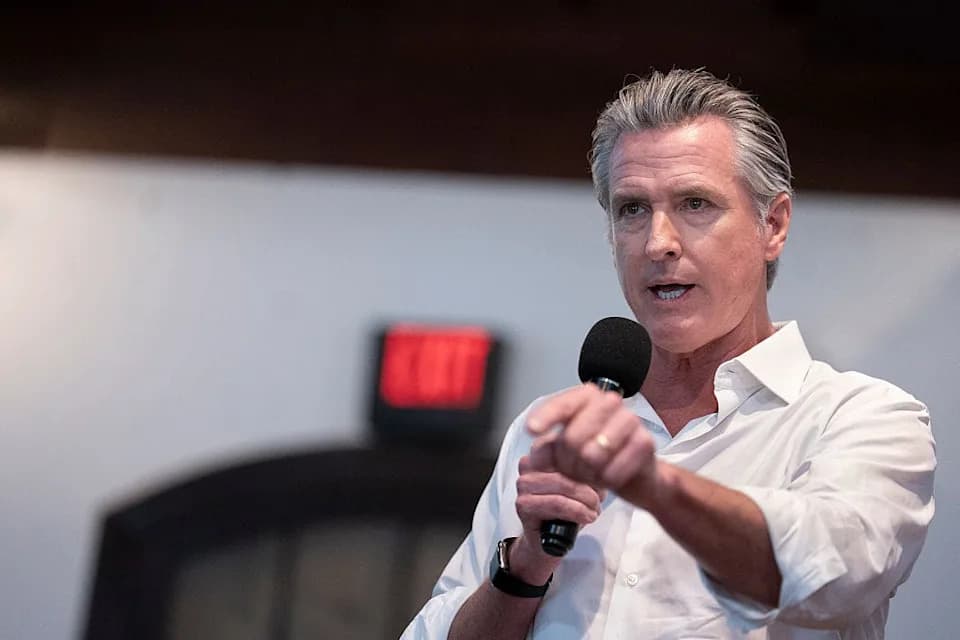
In a state news release, Governor Newsom said the laws will "make insurer obligations clearer and give homeowners more financial flexibility when they need it most." Assemblymember John Harabedian, sponsor of one of the bills, framed the change as evidence-based: "Science, not an insurance company's opinions, will determine whether a home is safe."
Industry Reaction And Policy Issues
Insurance industry groups have objected to assigning DTSC the rulemaking authority for testing and cleanup standards rather than the California Department of Insurance, arguing the latter better understands insurance practices. Supporters counter that DTSC brings scientific and public-health expertise needed to set consistent, science-based thresholds.
Broader Context
Across fire-prone states, debates over contamination standards, insurance coverage and public-health guidance are reshaping post-fire recovery. California's law aims to create predictable rules so homeowners do not have to fight claim by claim to secure cleanup and housing support.
What To Watch Next: DTSC's proposed regulations, scheduled outreach with stakeholders, and litigation or administrative challenges from insurers could affect how quickly and smoothly the new protections are implemented.
Help us improve.